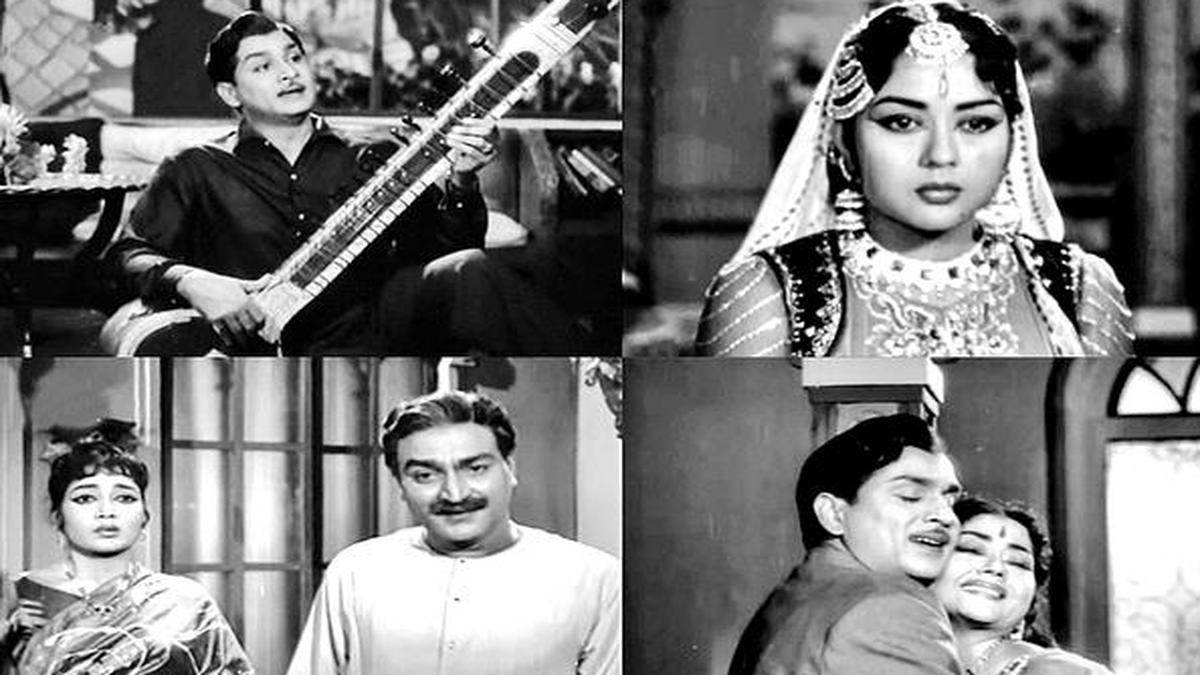
పునర్జన్మ
Punarjanma
మానసిక సంఘర్షణ, అనిర్వచనీయమైన అనురాగం, మరియు పునరుజ్జీవన ఆశల సమ్మేళనం.
A profound blend of psychological conflict, unconditional affection, and the hope of rebirth.
మానసిక క్షోభకు, ఆత్మీయుల కుట్రలకు బలై, తనను తాను మరచిపోయిన ఒక అమాయక యువకుడు గోపి. అతని అచేతన మనస్సులోకి ఒక వెలుగు కిరణంలా ప్రవేశిస్తుంది రాధ. ఆమె పంచిన నిస్వార్థమైన ప్రేమ, చూపించిన అపారమైన సహనం అతనిలో నూతన జవసత్వాలను నింపుతాయి. ధనదాహంతో కూడిన కుటిల మనస్కుల కుట్రలను ఛేదించి, మనిషిగా అతనికి ‘పునర్జన్మ’ ప్రసాదించిన ఒక ఉన్నతమైన ప్రేమకథ ఇది. తెలుగు వెండితెరపై ఒక మనిషి అంతరంగిక ప్రయాణాన్ని, మనస్తత్వ శాస్త్ర కోణాన్ని అద్భుతంగా ఆవిష్కరించిన దృశ్య కావ్యం.
Gopi, an innocent youth, falls prey to psychological trauma and familial conspiracies, losing his sanity. Radha enters his life like a ray of hope. Her selfless love and boundless patience breathe new life into him. ‘Punarjanma’ is a profound tale of a man regaining his lost self—a true rebirth—overcoming the malicious intent of greedy relatives, beautifully portraying human psychology and unconditional love on the Telugu silver screen.
ఈ సినిమా గురించీ...
ఈ సినిమాలో ప్రత్యేకంగా...
సినిమాలో పాటలు...
మీకు తెలుసా?
తారాగణం
విడుదల: 1963
నిడివి: 150 minutes
దర్శకుడు: కె. ప్రత్యగాత్మ
నిర్మాణ సంస్థ: ప్రసాద్ ఆర్ట్ పిక్చర్స్
మానసిక వైద్యం మరియు ప్రేమకు ఉన్న అవినాభావ సంబంధాన్ని వెండితెరపై అత్యంత సున్నితంగా ఆవిష్కరించడం ఈ చిత్ర ప్రధాన ఆకర్షణ.
The most prominent highlight is the highly sensitive on-screen portrayal of the intertwined relationship between psychological healing and love.
గోపి మరియు రాధల మధ్య వచ్చే సన్నివేశాలలో మాటలకంటే భావాలకే పెద్దపీట వేయడం, కె. ప్రత్యగాత్మ దర్శకత్వ ప్రతిభకు నిదర్శనం.
The scenes between Gopi and Radha prioritize silent emotions over dialogue, standing as a testament to K. Pratyagatma's directorial brilliance.
అక్కినేని నటనలో ఎక్కడా నాటకీయత లేకుండా, ఒక సహజమైన అమాయకత్వాన్ని, అంతరంగిక వేదనను ప్రదర్శించడం విశేషం.
A major standout is Akkineni's performance, which completely avoided melodrama, opting instead to showcase a natural innocence and deep internal pain.
కుటుంబ కుట్రలను, ఆస్తి వివాదాలను నేపథ్యంగా ఉంచుతూనే, కథ అంతా కథానాయకుడి మానసిక పరిణామం చుట్టూ తిరగడం ఆ రోజుల్లో ఒక నూతన ప్రయోగం.
Keeping family conspiracies and property disputes in the background while centering the entire narrative on the protagonist's psychological evolution was a novel experiment in those days.
ఎవరివో నీవెవరివో
ఘంటసాల గాత్రంలో జాలువారిన ఈ పాటను వినగానే, వినే ప్రతి హృదయానికి ఏదో తెలియని ఒక ఆర్తి కలుగుతుంది. రేడియోలో ఈ గీతం వస్తుంటే ఆగిపోయి విన్న క్షణాలు ఎందరికో మధురమైన జ్ఞాపకం.
Listening to this song rendered by Ghantasala evokes an indescribable yearning in any heart. Stopping to listen to it whenever it played on the radio is a sweet memory for many.
ఆశల దీపం వెలిగెనులే
కథానాయిక ప్రవేశంతో వచ్చే ఈ పాట, తెరపై ఆమె చూపించిన అపారమైన వాత్సల్యాన్ని గుర్తుచేస్తుంది. ఆ రోజుల్లో ఈ పాట ఎందరికో ఒక గొప్ప ఓదార్పులా అనిపించింది.
This song, marking the heroine's entry, reminds us of the immense affection she displayed on screen. It felt like a great comfort to many during those days.
ఓహో బేల
అక్కినేని గారి అమాయకమైన చూపులు, నాయిక పలికించే అనురాగం ఈ పాటను ఎంతో హృద్యంగా మలిచాయి. ఆనాటి ప్రేక్షకులకు ఈ పాట ఒక అద్భుతమైన దృశ్య కావ్యం.
ANR's innocent looks and the heroine's expressed affection made this song incredibly heartwarming. For the audience of that era, this song was a visual poem.
నీవే నా ప్రాణం
సంగీత దర్శకుడు చలపతిరావు గారి స్వరకల్పనలో వచ్చిన ఈ గీతం, ప్రేమ గొప్పదనాన్ని ఎంతో మృదువుగా చెబుతుంది. మనసును హత్తుకునే ఈ రాగం చిరస్మరణీయం.
Composed by T. Chalapathi Rao, this song softly speaks of the greatness of love. This soul-stirring melody is truly unforgettable.
అక్కినేని నాగేశ్వరరావు గారు మానసిక క్షోభకు గురైన యువకుడి పాత్రలో నటించడానికి ఎంతో పరిశోధన చేశారు. కళ్లలో శూన్యాన్ని చూపిస్తూ ఆయన కనబరిచిన అభినయం నాటి ప్రేక్షకులను ఆశ్చర్యచకితులను చేసింది.
Akkineni Nageswara Rao did extensive research to portray the mentally traumatized youth. His ability to show a void in his eyes deeply astonished the audience of that era.
ప్రసాద్ ఆర్ట్ పిక్చర్స్ నిర్మాణ సారథ్యంలో, కె. ప్రత్యగాత్మ దర్శకత్వంలో వచ్చిన ఈ చిత్రం, ఆ కాలంలో మూస ధోరణులకు భిన్నంగా ఒక సైకలాజికల్ డ్రామాగా తెరకెక్కి సాహసోపేతమైన విజయాన్ని అందుకుంది.
Produced by Prasad Art Pictures and directed by K. Pratyagatma, the film broke away from stereotypes of the time, emerging as a daring and successful psychological drama.
సంగీత దర్శకుడు టి. చలపతిరావు స్వరకల్పనలో రూపొందిన పాటలు చిత్రానికి ప్రాణం పోశాయి. ముఖ్యంగా ఘంటసాల గాత్రం కథలోని విషాదాన్ని, ఆశను సమగ్రంగా ఆవిష్కరించింది.
The musical compositions by T. Chalapathi Rao breathed life into the film. Ghantasala's voice, in particular, perfectly captured the sorrow and hope embedded in the narrative.
కృష్ణకుమారి నటన ఈ చిత్రంలో ఎంతో హుందాగా ఉంటుంది. కేవలం ఒక నర్సుగానే కాకుండా, ఒక తల్లిలా, స్నేహితురాలిలా నాయకుడిని కాపాడుకునే ఆమె పాత్ర తెలుగు నాట ఆదర్శప్రాయమైన ప్రేమికురాలికి ప్రతీకగా నిలిచింది.
Krishna Kumari's performance was exceptionally dignified. Beyond being a nurse, her character's protective nature—like a mother and a friend—made her an emblem of an ideal lover in Telugu cinema.
ఈ చిత్ర కథాంశం నాటి బెంగాలీ చిత్రాలలోని సైకలాజికల్ ఇతివృత్తాల స్ఫూర్తితో, తెలుగు వారి అభిరుచికి అనుగుణంగా అత్యద్భుతంగా మలచబడింది.
The core theme of the film was inspired by psychological narratives in contemporary Bengali films, beautifully adapted to suit the sensibilities of the Telugu audience.
అక్కినేని నాగేశ్వరరావు గోపి పాత్రలో
Akkineni Nageswara Rao as Gopi
కృష్ణ కుమారి రాధ పాత్రలో
Krishna Kumari as Radha
గుమ్మడి వెంకటేశ్వరరావు ముఖ్య పాత్ర పాత్రలో
Gummadi Venkateswara Rao as Supporting Role
సూర్యకాంతం ముఖ్య పాత్ర పాత్రలో
Suryakantham as Supporting Role
రమణారెడ్డి ముఖ్య పాత్ర పాత్రలో
Ramana Reddy as Supporting Role