Deepavali

దీపావళి

Deepavali
Devotional, Mythological Grandeur, Triumph of Dharma
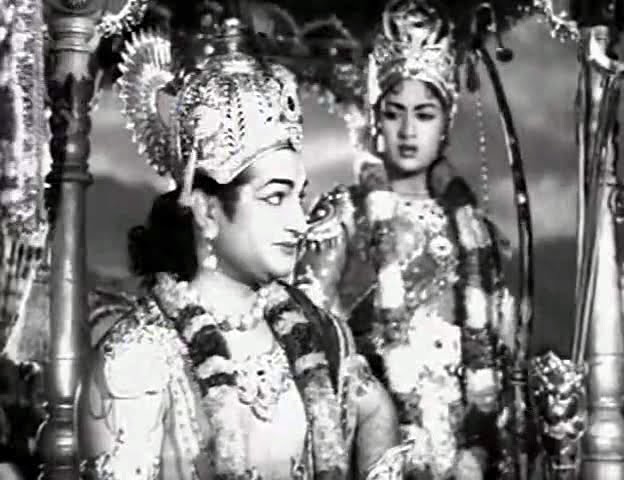
శ్రీమహావిష్ణువు వరాహావతారంలో ఉన్నప్పుడు భూదేవికి జన్మించిన నరకాసురుడు, కఠోర తపస్సుతో తల్లి చేతిలో తప్ప మరెవరి చేతిలో మరణం లేని వరమును పొందుతాడు. గర్వాంధుడైన నరకుడు ముల్లోకాలను పీడించడం మొదలుపెడతాడు. ప్రాగ్జ్యోతిషపురాన్ని రాజధానిగా చేసుకుని మునులను, దేవతలను హింసిస్తూ, దేవమాత అదితి కుండలాలను సైతం అపహరిస్తాడు. అతని ఆగడాలకు అడ్డుకట్ట వేయాలని దేవతలు శ్రీకృష్ణుడిని శరణువేడుతారు. నరకుని అంతమొందించే ఘట్టంలో సత్యభామ (భూదేవి అంశ) తనతో రావడం, యుద్ధరంగంలో శ్రీకృష్ణుడు మూర్ఛపోయినట్లు నటించగా సత్యభామ వీరోచితంగా పోరాడి నరకుడిని వధించడం ఈ చిత్ర ఇతివృత్తం. దుష్ట శిక్షణ జరిగిన ఈ పర్వదినమే లోకానికి ‘దీపావళి’గా వెలుగులు నింపిందనే పౌరాణిక ఘట్టాన్ని అత్యద్భుతంగా ఆవిష్కరించిన దృశ్యకావ్యం ఈ చిత్రం.
The film beautifully illustrates the mythological tale of Narakasura Vadha. Born to Lord Vishnu and Bhoodevi, Narakasura acquires a boon that he can only be killed by his mother. Driven by arrogance, he unleashes terror across the universe. Lord Krishna, accompanied by Satyabhama (an incarnation of Bhoodevi), engages in a fierce battle with him. When Krishna feigns unconsciousness, Satyabhama takes up arms and slays Narakasura. The film captures the essence of this divine intervention, which the world celebrates as the festival of lights, Deepavali.
సినిమా గురించీ...
సినిమాలో ప్రత్యేకంగా...
సినిమాలో పాటలు...
మీకు తెలుసా?
తారాగణం

విడుదల: 22 September 1960

నిడివి: 163 minutes

దర్శకుడు: ఎస్. రజనీకాంత్

నిర్మాణ సంస్థ: కె. గోపాలరావు, నాగిశెట్టి ముకుందరావు

యుద్ధరంగంలో శ్రీకృష్ణుడు సొమ్మసిల్లిపోగా, సత్యభామ ధనుస్సు చేతబట్టి నరకాసురుని సంహరించే ఘట్టం తెలుగు ప్రేక్షకుల మదిలో శాశ్వతంగా నిలిచిపోయింది.
The climactic war sequence where Satyabhama wields the bow after Krishna faints is iconic and deeply entrenched in the Telugu cultural memory.
నరకాసురుడు తన కన్నబిడ్డేనని సత్యభామ తెలుసుకునే భావోద్వేగ సన్నివేశం, మరియు ఆ రాక్షస సంహార దినాన్ని లోకమంతా దీపాలతో జరుపుకునేలా వరం ప్రసాదించే ముగింపు ఈ చిత్రానికే మకుటాయమానం.
The poignant ending where Satyabhama realizes Narakasura is her son and asks Krishna to eternalize his memory, leading to the lighting of lamps (Deepavali).
ఘంటసాల స్వరపరచిన 'ఓ దేవా కానలేవా', 'యదు మౌళి' వంటి గీతాలు భక్తి భావనతో పాటు పౌరాణిక గాంభీర్యాన్ని ప్రేక్షకులకు పంచాయి.
Ghantasala's classical-based soundtrack, specifically songs like 'O Deva Kanaleva' and 'Yadhu Mouli,' brought a divine aura to the film.
రామారావు గారు, సావిత్రి గారు మరియు రంగారావు గారు ఒకే తెరపై తమ నటనా వైదుష్యాన్ని ప్రదర్శించడం తెలుగు పౌరాణిక చిత్రాల స్వర్ణయుగానికి ఒక ప్రబల నిదర్శనం.
The trifecta of NTR, Savitri, and SVR on screen created a theatrical magic that defined the golden era of Telugu mythological cinema.
1960ల కాలంలోనే ప్రాగ్జ్యోతిషపురాన్ని, స్వర్గలోకాన్ని కళ్ళకు కట్టినట్లుగా తీర్చిదిద్దిన కళాదర్శకుల నైపుణ్యం మరియు నిర్మాణ విలువలు అత్యున్నతమైనవి.
For 1960, the grand sets of Pragjyotishapura and Swargaloka were visually stunning and stood as a testament to the high production values.
ఓ దేవా కానలేవా
ఘంటసాల స్వరంలో జాలువారిన ఈ భక్తి గీతం హృదయాలను కట్టిపడేస్తుంది. ఆర్తితో భగవంతుని వేడుకునే ఈ గీతం వింటున్నప్పుడు ఒక దివ్యమైన శాంతి కలుగుతుంది.
A soulful devotional melody rendered by Ghantasala. The song evokes a profound sense of spiritual longing and peace that resonates deeply with listeners.
యదుమౌళి ప్రియా
సత్యభామగా సావిత్రి గారి అభినయం, పి. సుశీల గారి మధురమైన గానం ఈ పాటకు ప్రాణం పోశాయి. నాటి ప్రేక్షకులు ఈ పాటను ఒక దృశ్య శ్రవణ కానుకగా ఆదరించారు.
Sung beautifully, this song is remembered for Savitri's expressive grace as Satyabhama, making it a visual and auditory treat.
జయ విజయీభవ గోపాలా
యుద్ధానికి సన్నద్ధమయ్యే ఘట్టంలో వచ్చే ఈ గీతం రోమాలు నిక్కబొడుచుకునేలా చేస్తుంది. సముద్రాల వారి పద ప్రయోగం అమోఘం.
A highly energetic and rousing battle cry. Samudrala's powerful lyrics build the perfect tempo for the climactic war sequence.
సరియా మాతో సమరాన
నరకాసురుని గర్వాన్ని, రాజసాన్ని ప్రతిబింబించే ఈ గీతం అద్భుతమైన ఆవేశాన్ని రగులుస్తుంది. ఎస్.వి.ఆర్ నటనకు ఈ పాట మరింత గాంభీర్యాన్ని జోడించింది.
Reflecting the arrogance and majesty of Narakasura, this high-energy track is perfectly complemented by S.V. Ranga Rao's powerful screen presence.
శ్రీకృష్ణుడి పాత్రలో మహానటుడు ఎన్.టి.రామారావు కనిపించిన మూడవ చిత్రం ఇది. తదనంతర కాలంలో ఈ పాత్ర ఆయనకు పర్యాయపదంగా మారిపోయింది.
This was N.T. Rama Rao's third film appearing as Lord Krishna, a role that eventually became his divine cinematic signature.
మహానటి సావిత్రి ఈ చిత్రంలో భూదేవిగా, సత్యభామగా రెండు వైవిధ్యమైన పార్శ్వాలను ఎంతో అద్భుతంగా పండించారు. మాతృప్రేమకు, వీరనారి ఆవేశానికి ఆమె తన అభినయంతో ప్రాణం పోశారు.
Savitri beautifully portrayed both Bhoodevi (the mother) and Satyabhama (the warrior consort), transitioning seamlessly between deep maternal love and fierce marital devotion.
మరో అద్భుతమైన జానపద చిత్రం 'భట్టి విక్రమార్క' విడుదలైన కేవలం ఆరు రోజుల వ్యవధిలోనే ఈ చిత్రం విడుదలై, బాక్సాఫీసు వద్ద వంద రోజుల పండుగను జరుపుకోవడం విశేషం.
It was released merely six days after another NTR classic, 'Bhatti Vikramarka', yet it celebrated a 100-day run at the box office.
ఎస్.వి.రంగారావు నరకాసురుడి పాత్రలో ప్రదర్శించిన ఆంగిక, వాచిక అభినయాలు అసమానం. కేవలం ఓ రాక్షసుడిగా కాకుండా ఒక గర్వాంధుడైన మహావీరుడిగా పాత్రకు రాజసాన్ని అద్దారు.
S.V. Ranga Rao brought unparalleled majesty and arrogance to the role of Narakasura, making the mythological demon look majestic rather than just cruel.
సముద్రాల రాఘవాచార్యుల కలం నుండి జాలువారిన పద్యాలకు, ఘంటసాల గానం ప్రాణం పోసింది. అప్పటి ప్రేక్షకులు ఈ పద్యాలను దేవాలయాల్లో మంత్రాల్లా భావించారు.
Samudrala's literary prowess was evident in the heavy usage of meaningful 'padyalu' (poems) which Ghantasala rendered beautifully.
ఎన్.టి.రామారావు శ్రీకృష్ణుడు పాత్రలో
N.T. Rama Rao as Lord Krishna
సావిత్రి సత్యభామ / భూదేవి పాత్రలో
Savitri as Sathyabhama / Bhoodevi
ఎస్.వి.రంగారావు నరకాసురుడు పాత్రలో
S.V. Ranga Rao as Narakasura
కృష్ణకుమారి రుక్మిణి పాత్రలో
Krishna Kumari as Rukmini
గుమ్మడి నాగదత్తుడు పాత్రలో
Gummadi as Nagadatta
కాంతారావు నారద మహర్షి పాత్రలో
Kanta Rao as Narada Maharshi
Deepavali

దీపావళి

Deepavali

భక్తి, పౌరాణిక వైభవం, ధర్మ విజయం

Devotional, Mythological Grandeur, Triumph of Dharma

శ్రీమహావిష్ణువు వరాహావతారంలో ఉన్నప్పుడు భూదేవికి జన్మించిన నరకాసురుడు, కఠోర తపస్సుతో తల్లి చేతిలో తప్ప మరెవరి చేతిలో మరణం లేని వరమును పొందుతాడు. గర్వాంధుడైన నరకుడు ముల్లోకాలను పీడించడం మొదలుపెడతాడు. ప్రాగ్జ్యోతిషపురాన్ని రాజధానిగా చేసుకుని మునులను, దేవతలను హింసిస్తూ, దేవమాత అదితి కుండలాలను సైతం అపహరిస్తాడు. అతని ఆగడాలకు అడ్డుకట్ట వేయాలని దేవతలు శ్రీకృష్ణుడిని శరణువేడుతారు. నరకుని అంతమొందించే ఘట్టంలో సత్యభామ (భూదేవి అంశ) తనతో రావడం, యుద్ధరంగంలో శ్రీకృష్ణుడు మూర్ఛపోయినట్లు నటించగా సత్యభామ వీరోచితంగా పోరాడి నరకుడిని వధించడం ఈ చిత్ర ఇతివృత్తం. దుష్ట శిక్షణ జరిగిన ఈ పర్వదినమే లోకానికి ‘దీపావళి’గా వెలుగులు నింపిందనే పౌరాణిక ఘట్టాన్ని అత్యద్భుతంగా ఆవిష్కరించిన దృశ్యకావ్యం ఈ చిత్రం.
The film beautifully illustrates the mythological tale of Narakasura Vadha. Born to Lord Vishnu and Bhoodevi, Narakasura acquires a boon that he can only be killed by his mother. Driven by arrogance, he unleashes terror across the universe. Lord Krishna, accompanied by Satyabhama (an incarnation of Bhoodevi), engages in a fierce battle with him. When Krishna feigns unconsciousness, Satyabhama takes up arms and slays Narakasura. The film captures the essence of this divine intervention, which the world celebrates as the festival of lights, Deepavali.
ఈ సినిమా గురించీ...
ఈ సినిమాలో ప్రత్యేకంగా...
సినిమాలో పాటలు...
మీకు తెలుసా?
తారాగణం

విడుదల: 22 September 1960

నిడివి: 163 minutes

దర్శకుడు: ఎస్. రజనీకాంత్

నిర్మాణ సంస్థ: కె. గోపాలరావు, నాగిశెట్టి ముకుందరావు

యుద్ధరంగంలో శ్రీకృష్ణుడు సొమ్మసిల్లిపోగా, సత్యభామ ధనుస్సు చేతబట్టి నరకాసురుని సంహరించే ఘట్టం తెలుగు ప్రేక్షకుల మదిలో శాశ్వతంగా నిలిచిపోయింది.
The climactic war sequence where Satyabhama wields the bow after Krishna faints is iconic and deeply entrenched in the Telugu cultural memory.
నరకాసురుడు తన కన్నబిడ్డేనని సత్యభామ తెలుసుకునే భావోద్వేగ సన్నివేశం, మరియు ఆ రాక్షస సంహార దినాన్ని లోకమంతా దీపాలతో జరుపుకునేలా వరం ప్రసాదించే ముగింపు ఈ చిత్రానికే మకుటాయమానం.
The poignant ending where Satyabhama realizes Narakasura is her son and asks Krishna to eternalize his memory, leading to the lighting of lamps (Deepavali).
ఘంటసాల స్వరపరచిన 'ఓ దేవా కానలేవా', 'యదు మౌళి' వంటి గీతాలు భక్తి భావనతో పాటు పౌరాణిక గాంభీర్యాన్ని ప్రేక్షకులకు పంచాయి.
Ghantasala's classical-based soundtrack, specifically songs like 'O Deva Kanaleva' and 'Yadhu Mouli,' brought a divine aura to the film.
రామారావు గారు, సావిత్రి గారు మరియు రంగారావు గారు ఒకే తెరపై తమ నటనా వైదుష్యాన్ని ప్రదర్శించడం తెలుగు పౌరాణిక చిత్రాల స్వర్ణయుగానికి ఒక ప్రబల నిదర్శనం.
The trifecta of NTR, Savitri, and SVR on screen created a theatrical magic that defined the golden era of Telugu mythological cinema.
1960ల కాలంలోనే ప్రాగ్జ్యోతిషపురాన్ని, స్వర్గలోకాన్ని కళ్ళకు కట్టినట్లుగా తీర్చిదిద్దిన కళాదర్శకుల నైపుణ్యం మరియు నిర్మాణ విలువలు అత్యున్నతమైనవి.
For 1960, the grand sets of Pragjyotishapura and Swargaloka were visually stunning and stood as a testament to the high production values.
ఓ దేవా కానలేవా
ఘంటసాల స్వరంలో జాలువారిన ఈ భక్తి గీతం హృదయాలను కట్టిపడేస్తుంది. ఆర్తితో భగవంతుని వేడుకునే ఈ గీతం వింటున్నప్పుడు ఒక దివ్యమైన శాంతి కలుగుతుంది.
A soulful devotional melody rendered by Ghantasala. The song evokes a profound sense of spiritual longing and peace that resonates deeply with listeners.
యదుమౌళి ప్రియా
సత్యభామగా సావిత్రి గారి అభినయం, పి. సుశీల గారి మధురమైన గానం ఈ పాటకు ప్రాణం పోశాయి. నాటి ప్రేక్షకులు ఈ పాటను ఒక దృశ్య శ్రవణ కానుకగా ఆదరించారు.
Sung beautifully, this song is remembered for Savitri's expressive grace as Satyabhama, making it a visual and auditory treat.
జయ విజయీభవ గోపాలా
యుద్ధానికి సన్నద్ధమయ్యే ఘట్టంలో వచ్చే ఈ గీతం రోమాలు నిక్కబొడుచుకునేలా చేస్తుంది. సముద్రాల వారి పద ప్రయోగం అమోఘం.
A highly energetic and rousing battle cry. Samudrala's powerful lyrics build the perfect tempo for the climactic war sequence.
సరియా మాతో సమరాన
నరకాసురుని గర్వాన్ని, రాజసాన్ని ప్రతిబింబించే ఈ గీతం అద్భుతమైన ఆవేశాన్ని రగులుస్తుంది. ఎస్.వి.ఆర్ నటనకు ఈ పాట మరింత గాంభీర్యాన్ని జోడించింది.
Reflecting the arrogance and majesty of Narakasura, this high-energy track is perfectly complemented by S.V. Ranga Rao's powerful screen presence.
శ్రీకృష్ణుడి పాత్రలో మహానటుడు ఎన్.టి.రామారావు కనిపించిన మూడవ చిత్రం ఇది. తదనంతర కాలంలో ఈ పాత్ర ఆయనకు పర్యాయపదంగా మారిపోయింది.
This was N.T. Rama Rao's third film appearing as Lord Krishna, a role that eventually became his divine cinematic signature.
మహానటి సావిత్రి ఈ చిత్రంలో భూదేవిగా, సత్యభామగా రెండు వైవిధ్యమైన పార్శ్వాలను ఎంతో అద్భుతంగా పండించారు. మాతృప్రేమకు, వీరనారి ఆవేశానికి ఆమె తన అభినయంతో ప్రాణం పోశారు.
Savitri beautifully portrayed both Bhoodevi (the mother) and Satyabhama (the warrior consort), transitioning seamlessly between deep maternal love and fierce marital devotion.
మరో అద్భుతమైన జానపద చిత్రం 'భట్టి విక్రమార్క' విడుదలైన కేవలం ఆరు రోజుల వ్యవధిలోనే ఈ చిత్రం విడుదలై, బాక్సాఫీసు వద్ద వంద రోజుల పండుగను జరుపుకోవడం విశేషం.
It was released merely six days after another NTR classic, 'Bhatti Vikramarka', yet it celebrated a 100-day run at the box office.
ఎస్.వి.రంగారావు నరకాసురుడి పాత్రలో ప్రదర్శించిన ఆంగిక, వాచిక అభినయాలు అసమానం. కేవలం ఓ రాక్షసుడిగా కాకుండా ఒక గర్వాంధుడైన మహావీరుడిగా పాత్రకు రాజసాన్ని అద్దారు.
S.V. Ranga Rao brought unparalleled majesty and arrogance to the role of Narakasura, making the mythological demon look majestic rather than just cruel.
సముద్రాల రాఘవాచార్యుల కలం నుండి జాలువారిన పద్యాలకు, ఘంటసాల గానం ప్రాణం పోసింది. అప్పటి ప్రేక్షకులు ఈ పద్యాలను దేవాలయాల్లో మంత్రాల్లా భావించారు.
Samudrala's literary prowess was evident in the heavy usage of meaningful 'padyalu' (poems) which Ghantasala rendered beautifully.
ఎన్.టి.రామారావు శ్రీకృష్ణుడు పాత్రలో
N.T. Rama Rao as Lord Krishna
సావిత్రి సత్యభామ / భూదేవి పాత్రలో
Savitri as Sathyabhama / Bhoodevi
ఎస్.వి.రంగారావు నరకాసురుడు పాత్రలో
S.V. Ranga Rao as Narakasura
కృష్ణకుమారి రుక్మిణి పాత్రలో
Krishna Kumari as Rukmini
గుమ్మడి నాగదత్తుడు పాత్రలో
Gummadi as Nagadatta
కాంతారావు నారద మహర్షి పాత్రలో
Kanta Rao as Narada Maharshi
కావలసిన పదార్ధాలు
తయారి విధానం
[real3dflipbook id='1']