Edit Template

Recipe Tag: Brunch

Rava Dosa

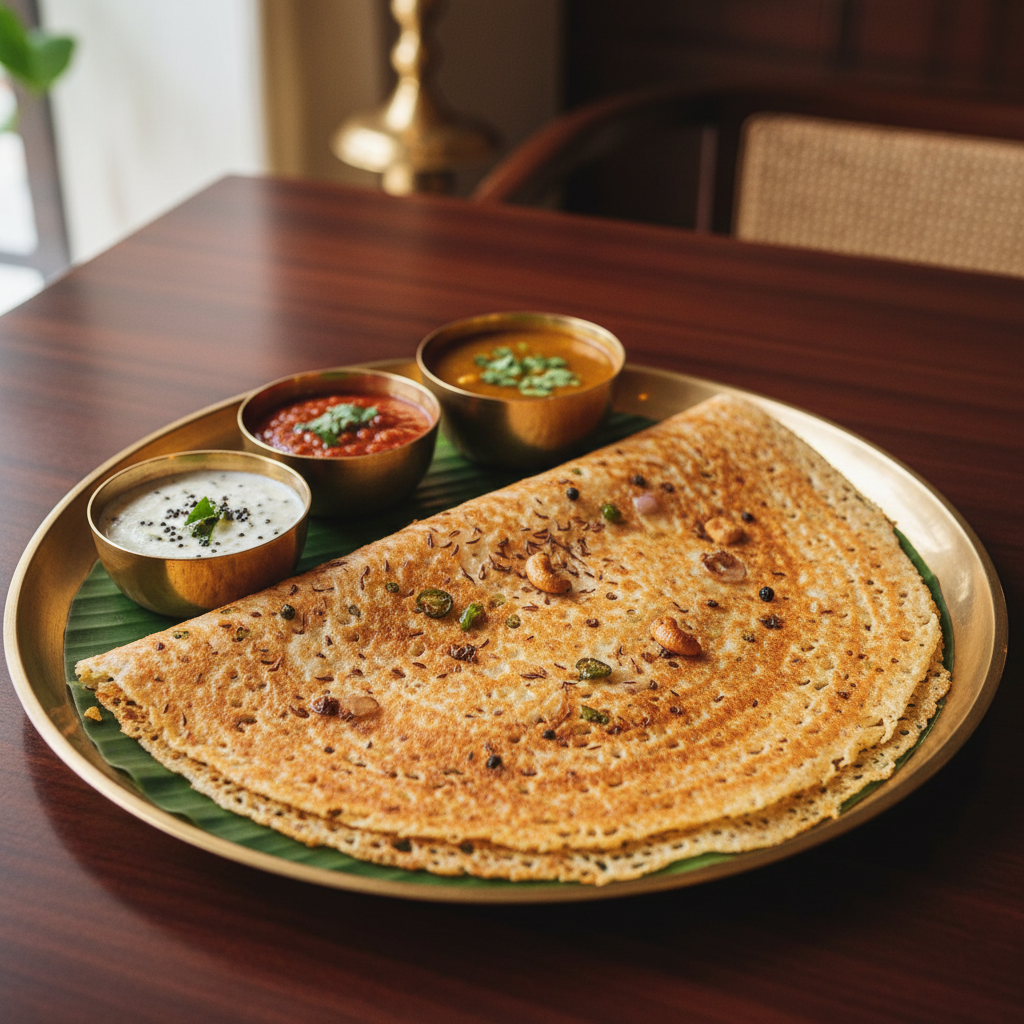
intro Welcome to the ultimate guide for a perfect South Indian breakfast. This Rava Dosa Recipe helps you make thin, lacy, and extremely crispy dosas in just a few minutes. Unlike traditional dosa, there is no need to ferment the batter overnight. It works perfectly for busy mornings or sudden hunger cravings. The texture of this crepe is unique and deeply satisfying for anyone who enjoys a good crunch. story Everyone loves a good crunch at the start of the day. Rava Dosa is a beloved staple in many Indian households because of its simplicity. It uses semolina (rava) and rice flour to create that signature net-like appearance. Historically, this version was developed to skip the long fermentation process of rice and lentils. Over time, it became a popular street food across India. Many families enjoy it with spicy coconut chutney or savory potato masala. The real secret lies in the batter consistency and pan temperature. When these are just right, the dosa turns perfectly crisp with beautiful lace-like holes. Ingredients Fine semolina (rava), rice flour, and all-purpose flour form the base of this recipe. Water is added to achieve a thin, flowing consistency. Cumin seeds, finely chopped ginger, green chilies, and torn curry leaves bring in aroma and flavor, while salt balances the taste. Oil or ghee is used for frying to get that crisp texture. Finely chopped onions can also be added optionally for extra flavor. preparation Start by mixing semolina, rice flour, and all-purpose flour in a bowl. Add cumin seeds, ginger, green chilies, curry leaves, and salt. Gradually pour in water while whisking to avoid lumps, keeping the batter thin like buttermilk. Let it rest for about 20 to 25 minutes, then adjust the consistency if needed. Heat a pan until very hot, stir the batter, and pour it from the edges toward the center without spreading. Drizzle oil or ghee, cook until golden and crisp, then lift and serve hot. about Mastering the Rava Dosa Recipe:This dish is a quick variation of the classic Indian crepe. Unlike traditional dosa, it uses simple pantry ingredients without soaking or grinding. The most important factor is the water-to-flour ratio. A thin batter creates the iconic holes and crispy texture, while a thick batter results in a soft dosa. Using a heavy pan ensures even heat distribution and prevents burning. Many prefer a cast-iron skillet for consistent results and better flavor. themes Pro Tips for the Perfect Crunch :Always ensure the pan is very hot before pouring the batter. A cold pan will cause sticking and ruin the texture. Stir the batter before each dosa since the flour settles at the bottom. You can sprinkle finely chopped onions on the pan for added flavor. Adding a little sour curd gives a mild tang, while ghee enhances aroma and richness. For extra spice, increase green chilies or add crushed black pepper. Why try You should try this Rava Dosa Recipe because it saves time without compromising on authentic taste. The crisp texture makes it a favorite for both kids and adults. It is light, easy to digest, and perfect for any time of the day. Start cooking and enjoy this crunchy delight with your family.
Read More »

Poori

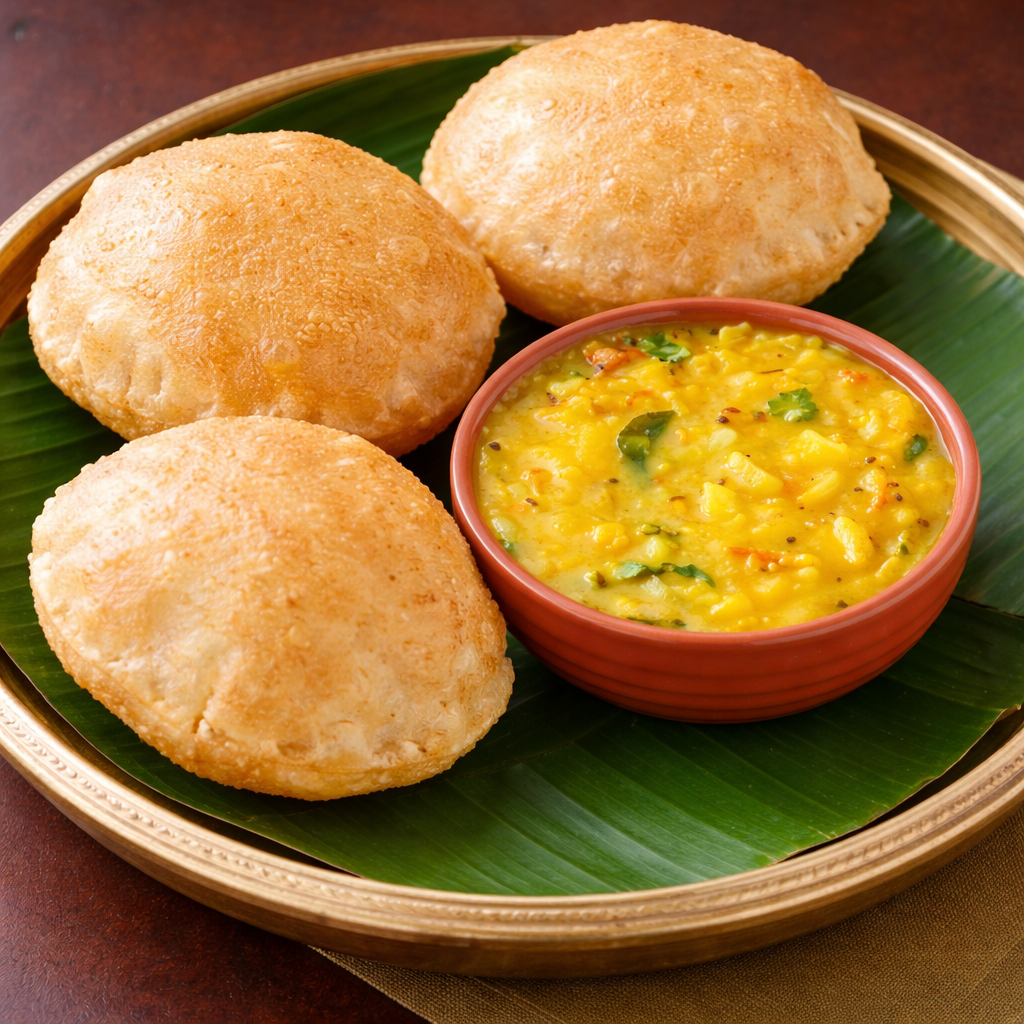
intro Poori is a beloved fried bread that originated in the Indian subcontinent. Furthermore, this Poori Recipe helps you create light and airy rounds that melt in your mouth. Families often enjoy these golden treats during festive mornings or weekend breakfasts. Additionally, you can serve them with a variety of side dishes like spicy potato curry or sweet shrikhand. Therefore, learning this simple technique will surely impress your guests and satisfy your cravings. story For generations, Indian households have cherished the tradition of making fresh bread. Many children remember waking up to the sound of sizzling oil in the kitchen. Consequently, a hot plate of fried dough became the symbol of a happy Sunday. However, achieving that perfect, balloon-like puff requires a bit of skill. Additionally, every region has its own minor variations in flour or thickness. For instance, some cooks add a bit of semolina for extra crunch. Therefore, this bread remains a timeless staple that brings people together across different cultures. Ingredients 1. 2 cups Whole wheat flour (Atta) 2. 1 tablespoon Semolina (Suji) for a crispy texture 3. 1/2 teaspoon Salt 4. 1 teaspoon Vegetable oil for the dough 5. 3/4 cup Lukewarm water (adjust as needed) 6. Vegetable oil for deep frying. steps 1. First, combine the whole wheat flour, salt, and semolina in a large mixing bowl. 2. Add one teaspoon of oil and mix it into the flour with your fingertips. Furthermore, ensure the oil is evenly distributed. 3. Pour water gradually and begin kneading the mixture. Consequently, you will form a stiff and smooth dough. 4. However, do not add too much water at once, as the dough must remain firm. 5. Cover the dough with a damp cloth and let it rest for 15 minutes. 6. Next, divide the dough into small, lemon-sized balls. 7. Grease your rolling pin with a drop of oil to prevent sticking. Additionally, avoid using dry flour for dusting if possible. 8. Roll each ball into an even circle of medium thickness. 9. Heat the frying oil in a deep pan over medium-high heat. Therefore, check the heat by dropping a tiny piece of dough into it. 10. Carefully slide the rolled dough into the hot oil. Furthermore, gently press the top with a slotted spoon to help it puff. 11. Flip the poori once it expands and fry until it turns golden brown on both sides. about The Magic of a Perfect Poori Recipe depends entirely on the temperature of the oil and the consistency of the dough. This Poori Recipe focuses on achieving a balance between a soft interior and a slightly crisp exterior. Because it uses whole wheat flour, it provides a hearty flavor that pairs well with savory and sweet toppings. Additionally, the inclusion of semolina ensures that the bread stays puffy for a longer time after frying. Furthermore, the absence of leavening agents like yeast makes it a quick option for busy mornings.themes You should always ensure the oil is sufficiently hot before frying. If the oil is too cold, the bread will absorb excessive grease and fail to puff. Consequently, the texture will become heavy rather than light. Additionally, knead a stiff dough rather than a soft one. Furthermore, roll the dough with even pressure to avoid thin spots. However, do not rest the rolled circles for too long; instead, fry them immediately to get the best rise. Therefore, following these small details will result in professional-quality results every time.whyWatch You should try this Poori Recipe because it is incredibly rewarding and fast. Moreover, it uses simple pantry staples that you likely already have. Therefore, it is the ultimate comfort food for your family. Additionally, the process of watching the dough transform into a golden balloon is truly satisfying. Consequently, you will master a skill that brings authentic flavor to your dining table.

Read More »
కావలసిన పదార్ధాలు
  • బొంబాయి రవ్వ Semolina (Bombay Rava) 1 cup
  • బియ్యం పిండి Rice flour 1 cup
  • మైదా పిండి All-purpose flour (Maida) 1/2 cup
  • పెరుగు Yogurt (Curd) 1/2 cup
  • నీరు Water (Adjust for consistency) 2 1/2 cups
  • జీలకర్ర Cumin seeds 1 tsp
  • మిరియాల పొడి Black pepper powder (coarsely crushed) 1 tsp
  • అల్లం ముక్క Ginger (finely chopped) 1 inch
  • ఉల్లిపాయ ముక్కలు Onion (finely chopped) 1/4 cup
  • కొత్తిమీర Coriander leaves (finely chopped) 1/4 cup
  • కరివేపాకు Curry leaves (torn into pieces) 1 రెమ్మ
  • ఉప్పు Salt To taste
  • నూనె Oil (for Drizzling) As needed
తయారి విధానం
  1. ఒక వెడల్పాటి గిన్నెలో బొంబాయి రవ్వ, బియ్యం పిండి, మైదా పిండి మరియు ఉప్పు వేసి బాగా కలపండి.
    In a large mixing bowl, combine semolina (rava), rice flour, all-purpose flour (maida), and salt.
  2. ఇందులో పెరుగు మరియు నీరు పోసి ఎక్కడా ఉండలు లేకుండా పల్చగా (మజ్జిగలా) కలుపుకోవాలి.
    Add yogurt and water gradually, whisking thoroughly to ensure there are no lumps; the consistency should be very thin, similar to buttermilk.
  3. ఇప్పుడు జీలకర్ర, మిరియాల పొడి, అల్లం, పచ్చిమిర్చి, ఉల్లిపాయలు, కొత్తిమీర మరియు కరివేపాకు వేసి కలపండి.
    Stir in the cumin seeds, crushed black pepper, finely chopped ginger, green chilies, onions, coriander leaves, and curry leaves.
  4. ఈ మిశ్రమాన్ని కనీసం 15 నుండి 20 నిమిషాల పాటు పక్కన పెట్టండి. ఇలా చేయడం వల్ల రవ్వ నీటిని పీల్చుకుని సాఫ్ట్ గా అవుతుంది.
    Let the batter rest for 15 to 20 minutes to allow the semolina to absorb moisture and soften.
  5. దోశ వేసే ముందు పిండిని ఒకసారి కలపండి; పిండి చిక్కగా అనిపిస్తే మరికొన్ని నీళ్లు పోయండి. పిండి నీళ్లలా ఉండాలి.
    After resting, check the consistency again. If the batter has thickened, add a little more water to maintain the thin texture.
  6. స్టవ్ మీద నాన్-స్టిక్ పెనం పెట్టి బాగా వేడి చేయండి. పెనం బాగా వేడిగా ఉంటేనే దోశకు రంధ్రాలు (Lacy texture) వస్తాయి.
    Heat a non-stick tawa or griddle on medium-high heat until it is smoking hot.
  7. పెనం వేడెక్కాక, గరిటెతో పిండిని అంచుల నుండి మధ్యలోకి జల్లుతున్నట్లుగా వేయండి (సాధారణ దోశలా గరిటెతో రుద్దకూడదు).
    Once the tawa is hot, pour the batter starting from the edges toward the center in a splashing motion (do not spread it with the back of a ladle like a regular dosa).
  8. దోశ చుట్టూ మరియు మధ్యలో ఉన్న రంధ్రాలలో కొంచెం నూనె వేసి, దోశ ఎర్రగా కాలే వరకు మధ్యస్థ మంట మీద వేయించండి.
    Drizzle oil around the edges and into the small holes of the dosa. Cook on medium flame until it turns golden brown and crisp.
  9. దోశ క్రిస్పీగా మారి అంచులు విడిపోతున్నప్పుడు జాగ్రత్తగా తీసి అల్లం పచ్చడి లేదా కొబ్బరి పచ్చడితో వేడిగా వడ్డించండి.
    Carefully lift the dosa from the tawa once the edges start to lift. Serve immediately while hot with ginger chutney or coconut chutney.
[real3dflipbook id='1']