Edit Template

Recipe Tag: Easy Recipe

Tomato Pappu

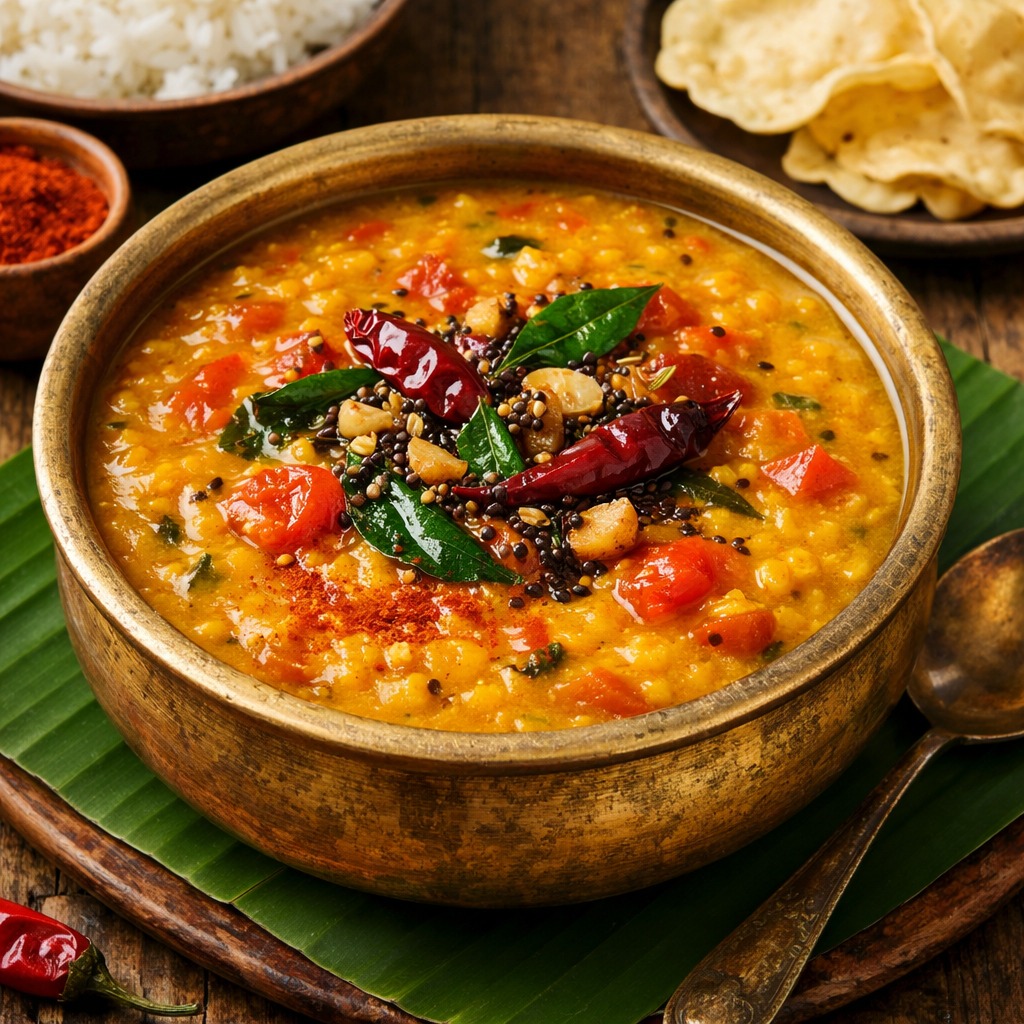
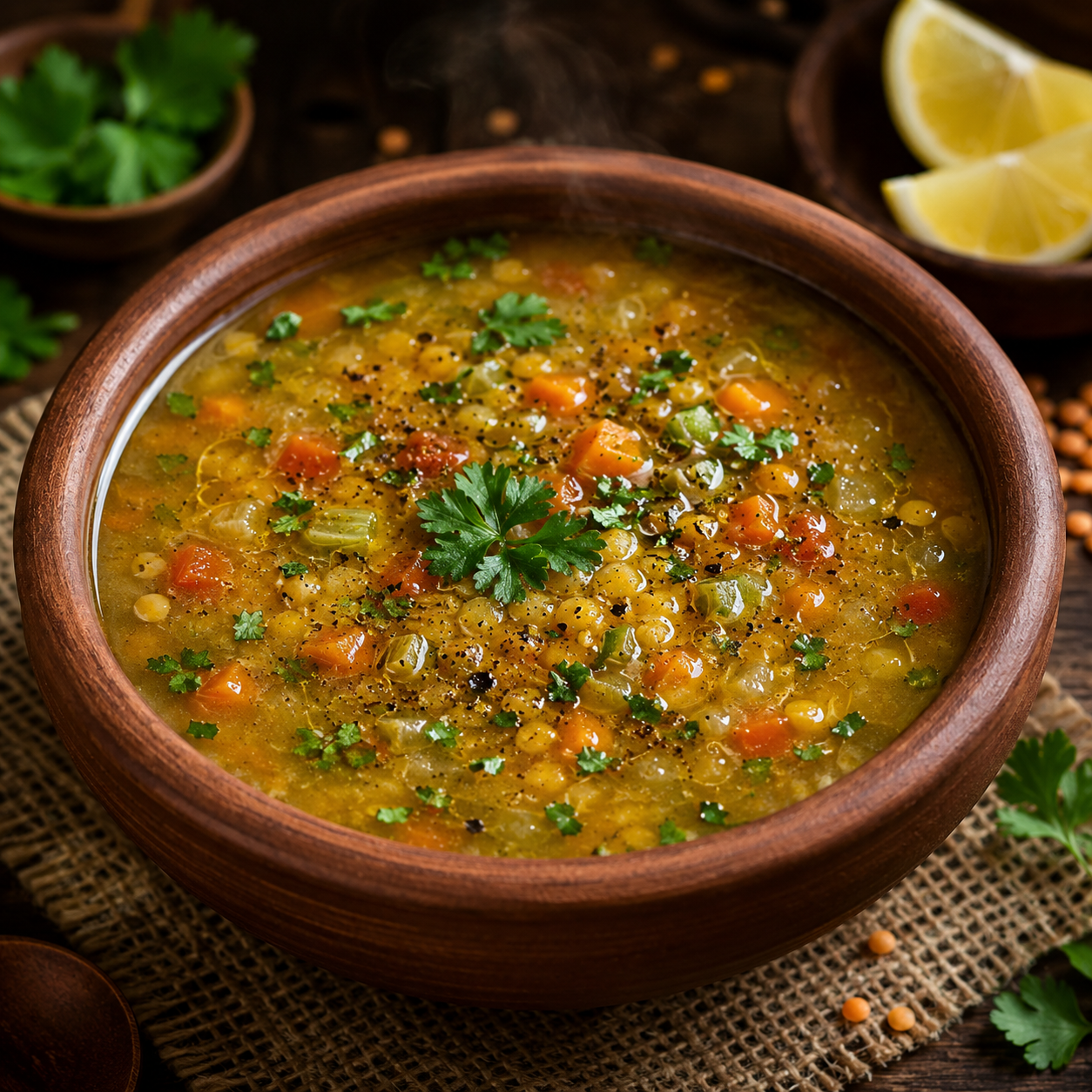
intro Tomato Pappu Recipe is a beloved staple in many South Indian households. This comforting dish combines protein-packed lentils with juicy tomatoes to create a hearty meal. Therefore, it creates a perfect balance of earthy and tangy flavors for your dinner table. Additionally, it serves as a nutritious and filling meal for busy weeknights.story/description Every Indian home has its own unique version of lentil soup, yet this Andhra-style dal truly stands out. Many people call it the ultimate comfort food because of its simplicity and warmth. Moreover, the aroma of ghee and roasted garlic filling the kitchen is simply unforgettable. You will love how the tomatoes soften into the lentils during the cooking process. Furthermore, this recipe brings a piece of traditional Telugu culture directly to your dining table. However, you do not need any special skills to master this dish. Consequently, it has become a favorite choice for both beginners and experienced cooks alike. It reminds us that sometimes the simplest ingredients create the most profound memories.cast/ingredients 1 cup Toor Dal (Pigeon Peas), 3 large Ripe Tomatoes (chopped), 2 Green Chilies (slit), 1 teaspoon Turmeric Powder, 1 teaspoon Red Chili Powder, 1 teaspoon Salt, 2 tablespoons Ghee or Oil, 1 teaspoon Mustard Seeds, 1 teaspoon Cumin Seeds, 5 Garlic Cloves (crushed), 2 Dry Red Chilies, A handful of Curry Leaves, 1/4 teaspoon Asafoetida (Hing).songs/steps First, rinse the toor dal thoroughly under cold water to remove impurities. Place the dal, chopped tomatoes, green chilies, and turmeric in a pressure cooker. Add three cups of water and cook for four whistles until the dal becomes soft. Once the pressure releases naturally, mash the dal and tomatoes gently with a spoon. Add red chili powder and salt to the mixture while it is still warm. Heat the ghee in a small pan for the tempering process. Add mustard seeds and cumin seeds until they begin to pop. Throw in the crushed garlic, dry red chilies, curry leaves, and asafoetida once they sizzle. Pour this aromatic tempering immediately over the mashed dal. Finally, simmer the mixture for two minutes and serve it hot.about ## Why You Should Make This Tomato Pappu Recipe Today This dish uses basic pantry staples that you likely already have in your kitchen. Firstly, you must choose high-quality pigeon peas to ensure a creamy texture. Because these lentils provide a smooth base, they act as the perfect foundation for the tanginess. Secondly, the addition of fresh, ripe tomatoes introduces a refreshing acidity to the stew. Therefore, the flavor profile remains vibrant rather than flat or boring. Additionally, many people prefer adding a small touch of tamarind for extra zing. However, the tomatoes usually provide enough sourness on their own. Consequently, this Tomato Pappu Recipe remains one of the most popular ways to enjoy lentils in India.themes/tips ## Perfecting Your Homemade Tomato Pappu Always use ripe, red tomatoes to ensure the best flavor for your stew. Consequently, avoid using canned tomatoes as they lack the fresh tang required for this dish. Sautéing the garlic until it turns golden brown adds a wonderful smoky depth. Additionally, you can adjust the spice level by changing the number of green chilies you use. Therefore, this recipe is highly customizable for different palates and heat tolerances. Furthermore, adding a pinch of sugar or jaggery can balance the acidity if the tomatoes are too sour.whyWatch/whyTry You should try this recipe because it is both healthy and incredibly delicious. It offers a great source of plant-based protein for vegetarians. Furthermore, the cooking time is minimal, which makes it perfect for a fast dinner after work. However, the rich and complex taste will make it seem like you spent hours in the kitchen. Finally, it provides a warm, home-cooked feeling that store-bought meals simply cannot replicate. Serve it with hot rice and a dollop of ghee for the best experience.

Read More »

Upma

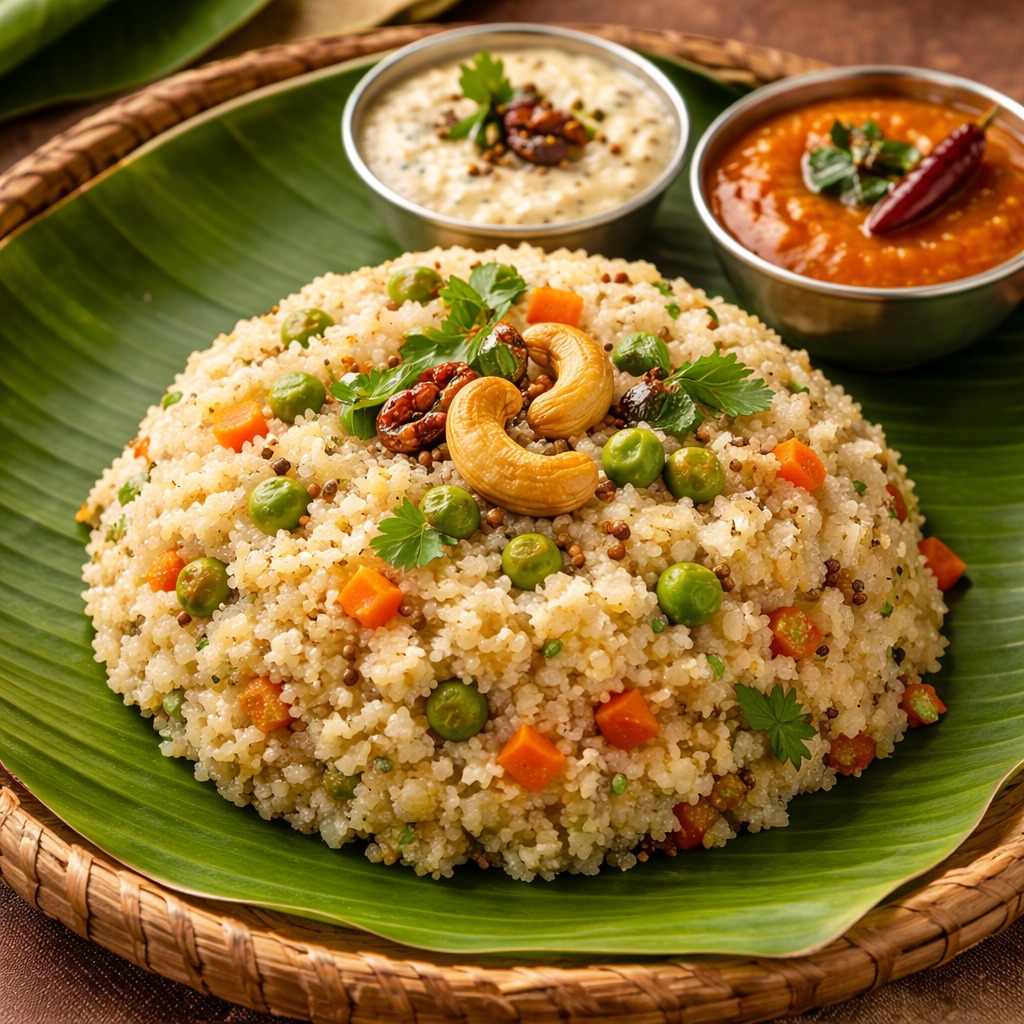
intro Upma is a classic South Indian breakfast dish that people love for its simplicity. This Upma Recipe offers a perfect balance of nutrition and taste for busy mornings. It uses roasted semolina and various fresh vegetables to create a hearty meal. Because it is light yet filling, many families enjoy it every single day.story South Indians love starting their day with this warm, comforting dish. Therefore, you will find it in almost every household from Chennai to Bangalore. People traditionally call it Rava Upma. However, many modern variations exist today. You can customize it with peas, carrots, or green beans. Additionally, the texture depends entirely on your water ratio. Consequently, a fluffy and non-sticky Upma makes everyone happy during breakfast time.cast To make this dish, you need 1 cup of semolina (rava). Additionally, gather 2.5 cups of water and 1 finely chopped onion. You also need 1 green chili, 1 teaspoon of mustard seeds, and 1 teaspoon of urad dal. For flavor, use fresh curry leaves, oil or ghee, and salt. Finally, keep some fresh coriander and lemon juice ready for the garnish.songs 1. First, roast the rava in a pan until it smells nutty and looks slightly golden. 2. Second, heat oil or ghee in a heavy-bottomed pan. 3. Add mustard seeds and urad dal until they crackle. 4. Add onions, green chilies, and curry leaves. Sauté them until the onions become soft. 5. Pour water into the pan and add salt. Bring the mixture to a rolling boil. 6. Gradually stir in the roasted rava. This prevents lumps from forming. 7. Cover the pan and cook on low heat for two minutes. 8. Finally, fluff it with a fork and serve hot.about Why this Upma Recipe Works: This Upma Recipe is famous because it is incredibly fast to prepare. For instance, you can cook the entire meal in under 20 minutes. Moreover, it provides sustained energy for your busy morning schedule. Because it uses simple pantry ingredients, you likely have everything you need already. Thus, it remains a top budget-friendly option for large families. Furthermore, the dish is easy to digest, making it suitable for children and seniors alike.themes First, always roast your semolina properly before cooking. If you skip this step, the Upma becomes sticky and thick. Second, use hot water instead of cold water for a better texture. Furthermore, adding a squeeze of fresh lemon juice adds a bright, zesty flavor. Additionally, you can add roasted cashews for a crunchy surprise. Finally, always garnish with fresh coriander to achieve a professional, restaurant-style look.whyWatch You should try this dish because it is extremely versatile. Whether you need a quick breakfast or a light dinner, it fits perfectly. Therefore, add this dish to your weekly meal plan immediately. You will certainly love the aromatic spices and the soft, melt-in-your-mouth texture. Additionally, it serves as a wonderful canvas for your favorite seasonal vegetables.

Read More »

Dosa

introPeople across the globe love the classic Indian crepe. This dosa recipe brings the authentic taste of South India right into your kitchen. Anyone can master this dish with just a few simple ingredients and techniques. Prepare yourself for a delicious, crispy meal that everyone in your family will enjoy. It also provides a healthy start to your busy day. story/description Origins The history of the dosa stretches back centuries to the southern states of India. People originally created this thin pancake using fermented batter made of rice and lentils. Evolution Today, many variations include different fillings and grains. The natural fermentation process makes it very light on the stomach. Global Popularity You can find dosa in street stalls and high-end restaurants alike. It has become a global favorite for food lovers everywhere. The combination of a crunchy exterior and soft interior makes it absolutely irresistible. cast/ingredientsTo begin, gather these items: 3 cups parboiled rice, 1 cup urad dal (black gram), 1/2 teaspoon fenugreek seeds, salt to taste, water for soaking and grinding, and oil or ghee for frying. songs/steps Preparation First, wash the rice and lentils separately until the water runs clear. Then soak them in water with fenugreek seeds for at least six hours. After soaking, grind the mixture into a very smooth, thick batter. Fermentation Let the batter ferment in a warm place for about eight to ten hours until it rises. Once the batter doubles in size, add salt and mix gently. Cooking Heat a non-stick pan or a flat tawa over medium heat. Pour a ladle of batter in the center and spread it outward in a circular motion to make a thin disc. Apply a little oil around the edges and cook until it turns golden brown and crispy. Finally, fold the crepe and serve it hot with fresh coconut chutney or spicy sambar. about Cultural Significance Dosa is much more than just a meal; it is a cultural staple of India. Most people eat it for breakfast, but it also works as a great dinner option. Health Benefits It is naturally gluten-free and vegan, which suits many different diets. Health enthusiasts often choose it because it provides a good balance of carbohydrates and proteins. Variations You can also find various versions like Masala Dosa or Mysore Dosa in many cities. themes/tips Heat Control To get a very crispy texture, keep your pan at the right temperature. If the pan gets too hot, the batter will not spread easily. If it stays too cold, the dosa will stick to the surface. Equipment and Texture Use a well-seasoned cast-iron skillet for the most authentic results. Add a pinch of sugar to the batter to achieve a beautiful golden color. Keep your heat consistent throughout the cooking process for the best outcome. whyWatch/whyTry Taste and Flexibility Try this recipe because it offers a unique combination of crunch and tanginess. It also lets you experiment with various fillings like spiced potatoes, cheese, or vegetables. Practical Benefits Making this dish at home saves money and ensures the use of high-quality ingredients. The satisfaction of flipping a perfect, thin crepe feels truly rewarding. It also gives you a fun way to introduce your family to international flavors.

Read More »
కావలసిన పదార్ధాలు
  • కందిపప్పు Toor Dal (Pigeon Peas) 1 cup
  • టొమాటోలు Tomatoes (Chopped) 3 large
  • 4 పచ్చిమిర్చి Green Chillies (Slit)
  • 1/2 teaspoon పసుపు Turmeric Powder
  • 1 teaspoon కారం Red Chilli Powder
  • 1 small marble sized చింతపండు Tamarind
  • To taste ఉప్పు Salt
  • 2.5 cups నీళ్లు Water
  • 2 teaspoons నూనె Oil
  • 1 teaspoon నెయ్యి Ghee
  • 1/2 teaspoon ఆవాలు Mustard Seeds
  • 1/2 teaspoon జీలకర్ర Cumin Seeds
  • 5 వెల్లుల్లి రెబ్బలు Garlic Cloves (Crushed)
  • 2 ఎండుమిర్చి Dried Red Chillies
  • 1 sprig కరివేపాకు Curry Leaves
  • 1/4 teaspoon ఇంగువ Asafoetida
తయారి విధానం
  1. కందిపప్పును శుభ్రంగా కడిగి ప్రెజర్ కుక్కర్‌లో వేయండి. అందులో తరిగిన టొమాటో ముక్కలు, ఉల్లిపాయ ముక్కలు, పచ్చిమిర్చి, పసుపు మరియు నీళ్లు పోయండి.
    Wash the toor dal thoroughly under running water and add it to a pressure cooker.
  2. కుక్కర్ మూత పెట్టి మూడు నుండి నాలుగు విజిల్స్ వచ్చే వరకు ఉడికించాలి.
    Pressure cook for 3 to 4 whistles until the dal and vegetables are soft and mushy.
  3. ప్రెజర్ తగ్గాక మూత తీసి, అందులో ఉప్పు, కారం మరియు చింతపండు వేసి పప్పు గుత్తితో మెత్తగా ఎనపాలి.
    Once the pressure is naturally released, open the lid and add salt, red chilli powder, and the small piece of tamarind.
  4. పోపు కోసం ఒక చిన్న పాన్‌లో నూనె మరియు నెయ్యి వేసి వేడి చేయండి. ఆవాలు, జీలకర్ర వేసి చిటపటలాడనివ్వండి. తర్వాత దంచిన వెల్లుల్లి, ఎండుమిర్చి, కరివేపాకు మరియు ఇంగువ వేసి వేయించాలి.
    Mash the dal mixture gently using a wooden masher (Pappu Gutti) or a heavy spoon. For the tempering, heat oil and ghee in a small pan over medium heat. Add mustard seeds and let them splutter, then add the cumin seeds.
  5. ఈ పోపును సిద్ధం చేసుకున్న పప్పులో కలిపి ఒక నిమిషం పాటు ఉడికించి దించేయండి. Add crushed garlic cloves, dried red chillies, and curry leaves; sauté until the garlic turns golden brown.
    Add crushed garlic cloves, dried red chillies, and curry leaves; sauté until the garlic turns golden brown.
[real3dflipbook id='1']