Edit Template

Recipe Tag: Traditional

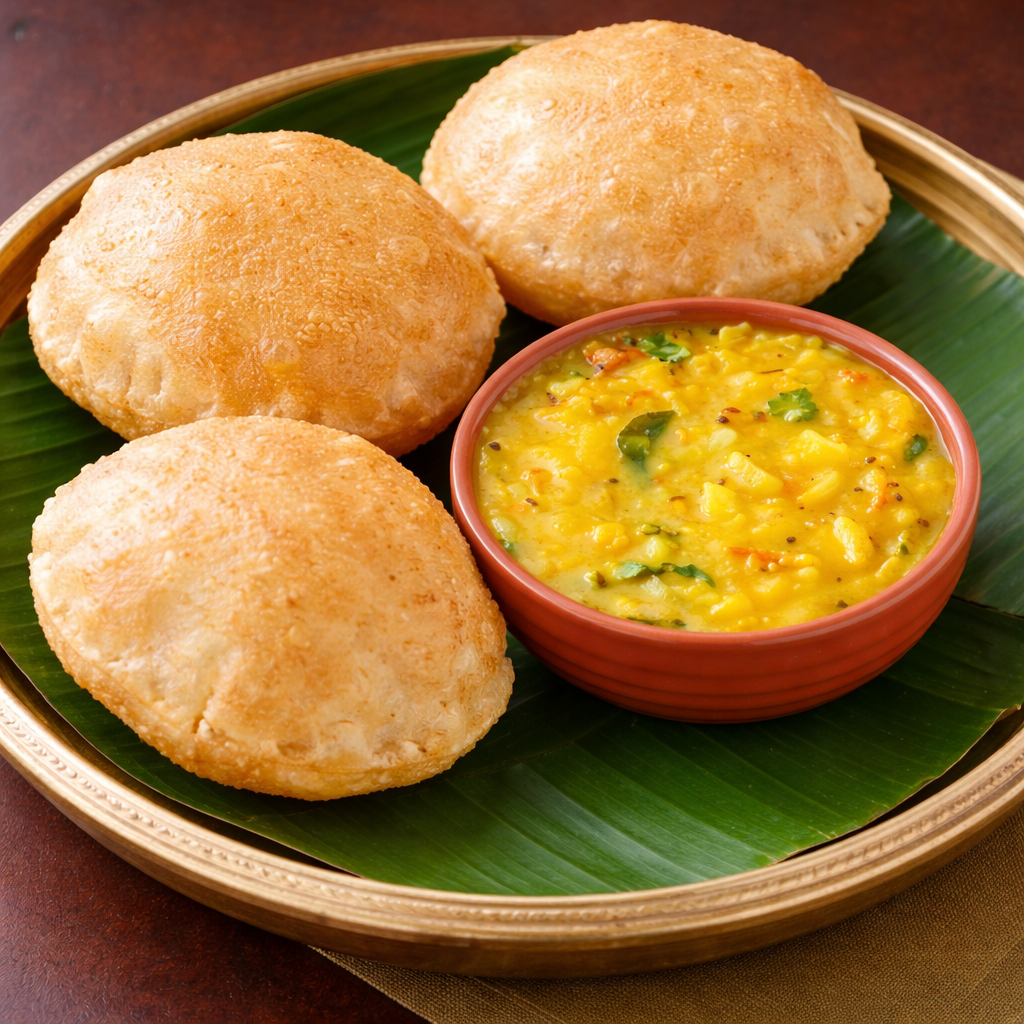
Poori

intro Poori is a beloved fried bread that originated in the Indian subcontinent. Furthermore, this Poori Recipe helps you create light and airy rounds that melt in your mouth. Families often enjoy these golden treats during festive mornings or weekend breakfasts. Additionally, you can serve them with a variety of side dishes like spicy potato curry or sweet shrikhand. Therefore, learning this simple technique will surely impress your guests and satisfy your cravings. story For generations, Indian households have cherished the tradition of making fresh bread. Many children remember waking up to the sound of sizzling oil in the kitchen. Consequently, a hot plate of fried dough became the symbol of a happy Sunday. However, achieving that perfect, balloon-like puff requires a bit of skill. Additionally, every region has its own minor variations in flour or thickness. For instance, some cooks add a bit of semolina for extra crunch. Therefore, this bread remains a timeless staple that brings people together across different cultures. Ingredients 1. 2 cups Whole wheat flour (Atta) 2. 1 tablespoon Semolina (Suji) for a crispy texture 3. 1/2 teaspoon Salt 4. 1 teaspoon Vegetable oil for the dough 5. 3/4 cup Lukewarm water (adjust as needed) 6. Vegetable oil for deep frying. steps 1. First, combine the whole wheat flour, salt, and semolina in a large mixing bowl. 2. Add one teaspoon of oil and mix it into the flour with your fingertips. Furthermore, ensure the oil is evenly distributed. 3. Pour water gradually and begin kneading the mixture. Consequently, you will form a stiff and smooth dough. 4. However, do not add too much water at once, as the dough must remain firm. 5. Cover the dough with a damp cloth and let it rest for 15 minutes. 6. Next, divide the dough into small, lemon-sized balls. 7. Grease your rolling pin with a drop of oil to prevent sticking. Additionally, avoid using dry flour for dusting if possible. 8. Roll each ball into an even circle of medium thickness. 9. Heat the frying oil in a deep pan over medium-high heat. Therefore, check the heat by dropping a tiny piece of dough into it. 10. Carefully slide the rolled dough into the hot oil. Furthermore, gently press the top with a slotted spoon to help it puff. 11. Flip the poori once it expands and fry until it turns golden brown on both sides. about The Magic of a Perfect Poori Recipe depends entirely on the temperature of the oil and the consistency of the dough. This Poori Recipe focuses on achieving a balance between a soft interior and a slightly crisp exterior. Because it uses whole wheat flour, it provides a hearty flavor that pairs well with savory and sweet toppings. Additionally, the inclusion of semolina ensures that the bread stays puffy for a longer time after frying. Furthermore, the absence of leavening agents like yeast makes it a quick option for busy mornings.themes You should always ensure the oil is sufficiently hot before frying. If the oil is too cold, the bread will absorb excessive grease and fail to puff. Consequently, the texture will become heavy rather than light. Additionally, knead a stiff dough rather than a soft one. Furthermore, roll the dough with even pressure to avoid thin spots. However, do not rest the rolled circles for too long; instead, fry them immediately to get the best rise. Therefore, following these small details will result in professional-quality results every time.whyWatch You should try this Poori Recipe because it is incredibly rewarding and fast. Moreover, it uses simple pantry staples that you likely already have. Therefore, it is the ultimate comfort food for your family. Additionally, the process of watching the dough transform into a golden balloon is truly satisfying. Consequently, you will master a skill that brings authentic flavor to your dining table.
Read More »

Medu Vada

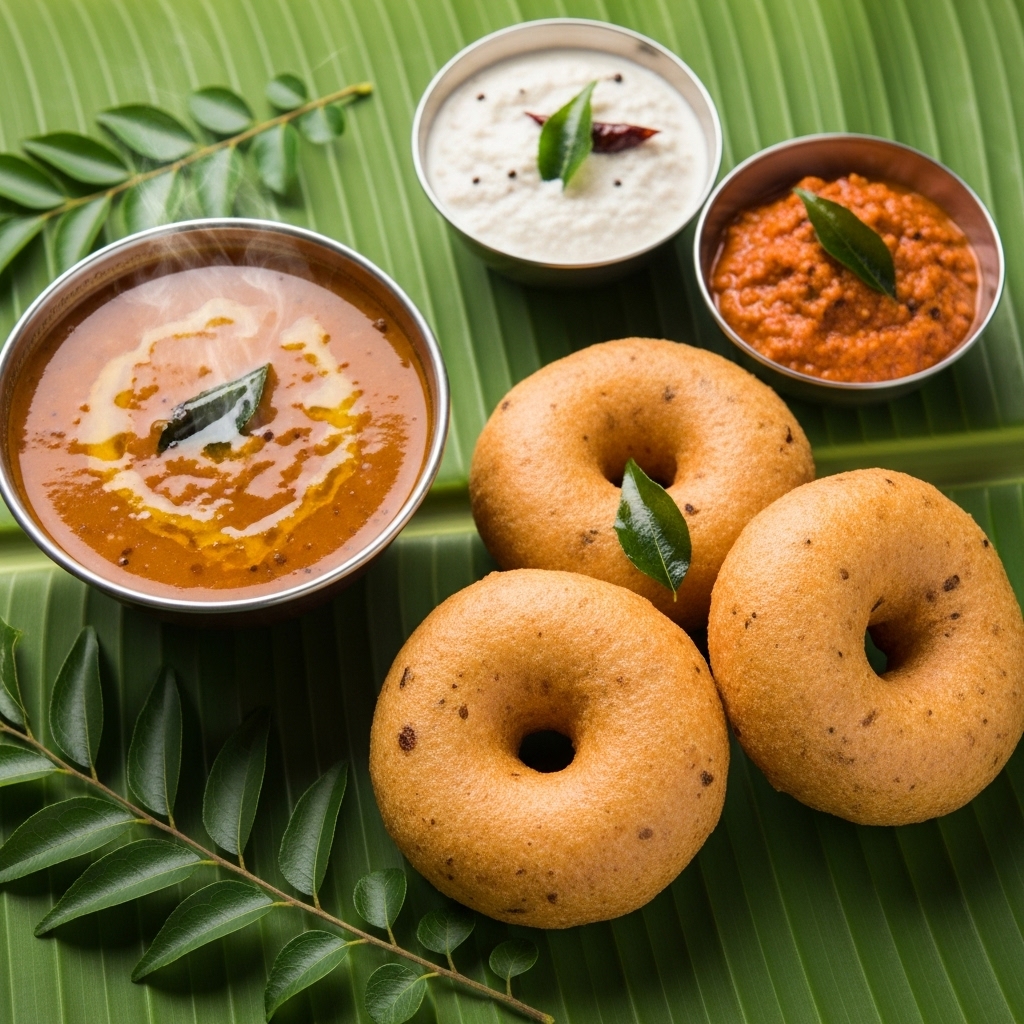
intro If you love crispy South Indian snacks, you must try this Medu Vada Recipe today. Consequently, you will never need to buy them from a restaurant again. Furthermore, these savory donuts are incredibly easy to prepare at home with simple ingredients. Therefore, gather your kitchen tools and get ready for a crunchy and healthy treat.story Medu Vada is a staple breakfast item in millions of Indian households. Additionally, people enjoy it during grand festivals or as a simple tea-time snack. This dish features a soft, spongy interior and a golden, crunchy exterior. Since the batter uses black gram lentils, it provides a high amount of protein to your diet. Therefore, it is both delicious and nutritious for people of all ages. Many families share these vadas during Sunday brunch to celebrate together.cast 1 cup Urad Dal (Black Gram), 2 Green Chilies (finely chopped), 1 inch Ginger (grated), 1 pinch Hing (Asafoetida), 1 sprig Fresh Curry Leaves, Salt to taste, Oil for deep frying, 1 tablespoon Rice Flour (optional for extra crunch).songs First, soak the urad dal in water for at least four hours. Second, drain the water completely and grind the dal into a thick, smooth paste. However, use only a tiny splash of water if necessary. Third, beat the batter vigorously for five minutes to incorporate air. Fourth, add the salt, chilies, ginger, and curry leaves to the mix. Fifth, wet your palms and take a small portion of the batter. Sixth, make a hole in the center with your thumb to create a donut shape. Finally, drop the vadas into hot oil and fry them until they turn golden brown on both sides.about This dish originates from the southern regions of India but has gained immense popularity worldwide. Moreover, it pairs perfectly with hot sambar and spicy coconut chutney. Therefore, it serves as a complete and satisfying meal for breakfast or lunch. Many people also refer to it as ‘Uzhunnu Vada’ in various regional languages. Furthermore, the light texture makes it a favorite for those who enjoy savory snacks.themes ### Tips for a Perfect Medu Vada Recipe To ensure total success, you must use very little water while grinding the dal. However, if the batter becomes too thin, you can add some rice flour to thicken it instantly. Furthermore, always whisk the batter until it feels light and airy like a cloud. Thus, your vadas will float in water when you test a small drop for lightness. Consequently, they will absorb much less oil during the frying process. Additionally, keeping your hands wet prevents the batter from sticking to your skin while shaping.whyTry You should try this recipe because it uses simple pantry staples that you likely already have. Furthermore, homemade vadas are much healthier and fresher than store-bought versions. Additionally, the crunch factor is unbeatable when you eat them hot. Finally, sharing these with your family creates wonderful memories around the dining table. Therefore, do not wait any longer and start cooking this classic dish today!

Read More »

Dosa

introPeople across the globe love the classic Indian crepe. This dosa recipe brings the authentic taste of South India right into your kitchen. Anyone can master this dish with just a few simple ingredients and techniques. Prepare yourself for a delicious, crispy meal that everyone in your family will enjoy. It also provides a healthy start to your busy day. story/description Origins The history of the dosa stretches back centuries to the southern states of India. People originally created this thin pancake using fermented batter made of rice and lentils. Evolution Today, many variations include different fillings and grains. The natural fermentation process makes it very light on the stomach. Global Popularity You can find dosa in street stalls and high-end restaurants alike. It has become a global favorite for food lovers everywhere. The combination of a crunchy exterior and soft interior makes it absolutely irresistible. cast/ingredientsTo begin, gather these items: 3 cups parboiled rice, 1 cup urad dal (black gram), 1/2 teaspoon fenugreek seeds, salt to taste, water for soaking and grinding, and oil or ghee for frying. songs/steps Preparation First, wash the rice and lentils separately until the water runs clear. Then soak them in water with fenugreek seeds for at least six hours. After soaking, grind the mixture into a very smooth, thick batter. Fermentation Let the batter ferment in a warm place for about eight to ten hours until it rises. Once the batter doubles in size, add salt and mix gently. Cooking Heat a non-stick pan or a flat tawa over medium heat. Pour a ladle of batter in the center and spread it outward in a circular motion to make a thin disc. Apply a little oil around the edges and cook until it turns golden brown and crispy. Finally, fold the crepe and serve it hot with fresh coconut chutney or spicy sambar. about Cultural Significance Dosa is much more than just a meal; it is a cultural staple of India. Most people eat it for breakfast, but it also works as a great dinner option. Health Benefits It is naturally gluten-free and vegan, which suits many different diets. Health enthusiasts often choose it because it provides a good balance of carbohydrates and proteins. Variations You can also find various versions like Masala Dosa or Mysore Dosa in many cities. themes/tips Heat Control To get a very crispy texture, keep your pan at the right temperature. If the pan gets too hot, the batter will not spread easily. If it stays too cold, the dosa will stick to the surface. Equipment and Texture Use a well-seasoned cast-iron skillet for the most authentic results. Add a pinch of sugar to the batter to achieve a beautiful golden color. Keep your heat consistent throughout the cooking process for the best outcome. whyWatch/whyTry Taste and Flexibility Try this recipe because it offers a unique combination of crunch and tanginess. It also lets you experiment with various fillings like spiced potatoes, cheese, or vegetables. Practical Benefits Making this dish at home saves money and ensures the use of high-quality ingredients. The satisfaction of flipping a perfect, thin crepe feels truly rewarding. It also gives you a fun way to introduce your family to international flavors.

Read More »

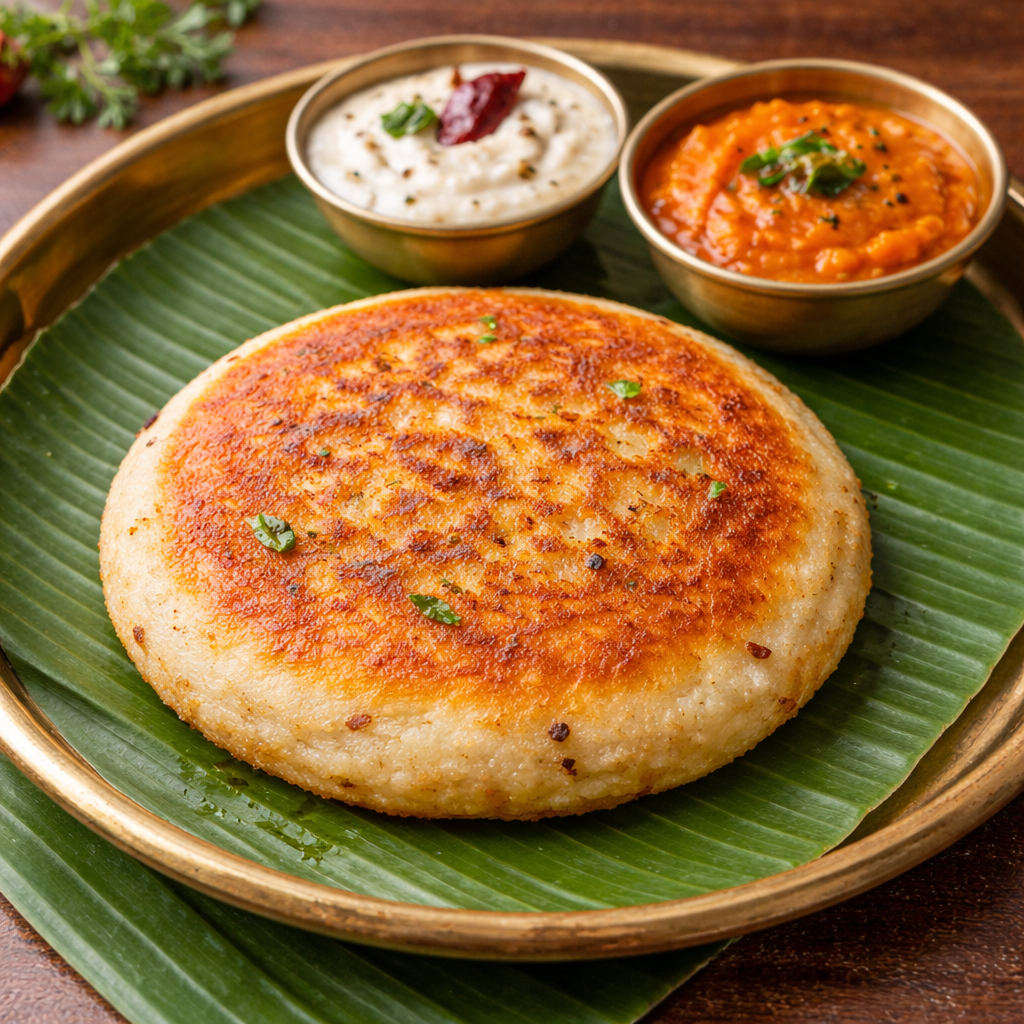
Idly

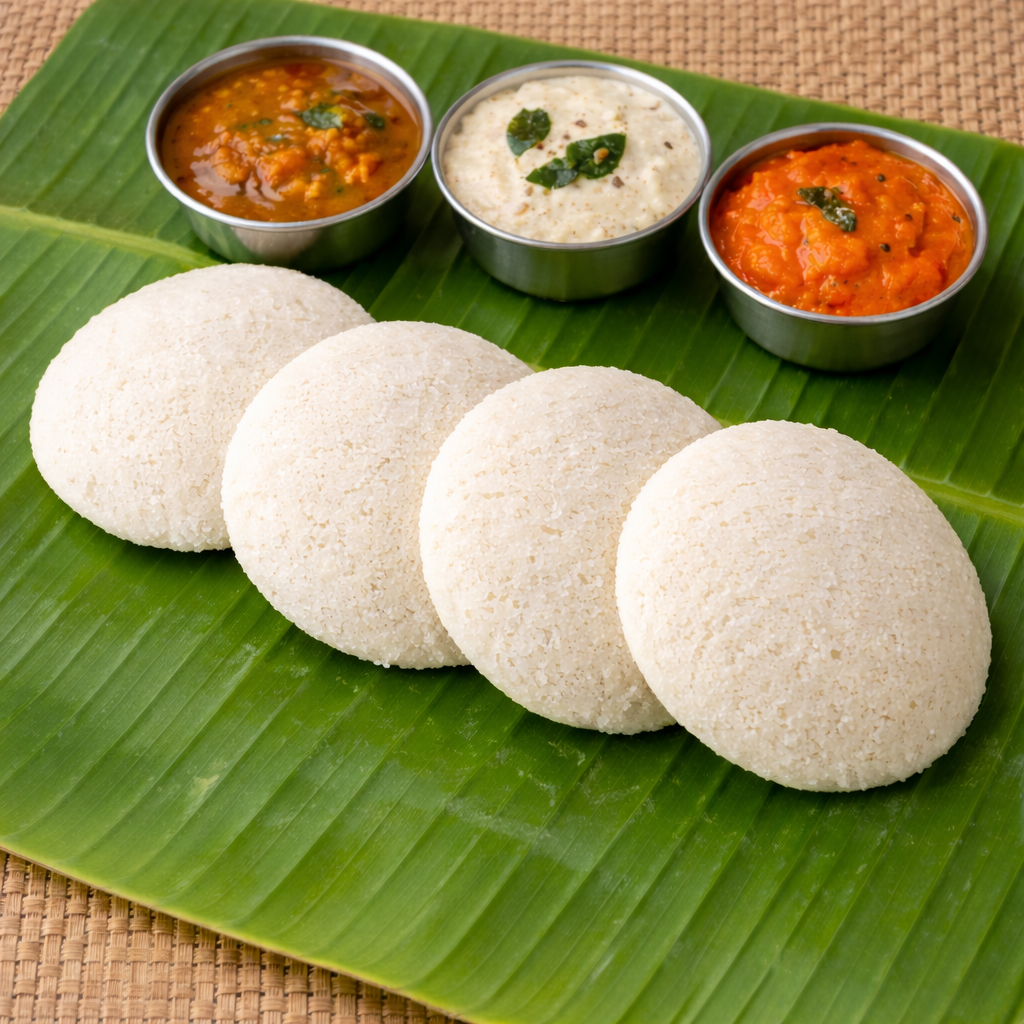
intro Start your day with a healthy and delicious Idly Recipe. This dish offers a light yet satisfying experience for your morning meal. Many households across the globe prepare it daily. Consequently, it has become a favorite for health-conscious foodies. If you want to achieve that perfect cloud-like texture, you must follow specific steps. Therefore, let us explore the secrets behind this classic dish together.story/description The idly represents centuries of culinary tradition. It traveled across continents from its origins in South India. People value it because it uses steam instead of oil. Furthermore, the natural fermentation process improves digestion significantly. Moreover, mothers often serve it to children as a first solid food. This choice proves how nutritious and gentle the meal remains for all ages. However, the true beauty lies in its simple nature. You only need a few basic ingredients to create this masterpiece. Additionally, the mild flavor pairs perfectly with spicy chutneys or savory sambar. Many people consider it the ultimate comfort food for any time of day.cast/ingredients To start your journey, gather 3 cups of high-quality idly rice. You also need 1 cup of whole white urad dal. Additionally, include 1 teaspoon of fenugreek seeds to help with the fermentation. Naturally, you will need clean water for soaking and grinding. Finally, add salt to the batter once it reaches the right consistency.songs/steps ### Step-by-Step Idly Recipe Guide First, wash the rice and dal separately in cold water. Soak them for at least six hours to ensure they soften. Furthermore, grind the urad dal into a very smooth and fluffy paste. Then, grind the rice into a slightly coarse texture. Consequently, mix both batters together in a large bowl and add salt. Place the mixture in a warm spot for eight to twelve hours to ferment. Once the batter rises, grease your idly plates with a little oil. Specifically, pour the batter into the molds carefully. Steam the idlies in a steamer for about twelve minutes. Eventually, you will see them puff up beautifully. Finally, remove them gently after a few minutes of cooling.about ### Mastering the Soft Idly Recipe This Idly Recipe creates a gluten-free and vegan-friendly meal for your family. It provides essential proteins and carbohydrates for lasting energy. Because the batter ferments naturally, it supports healthy gut bacteria. Therefore, it is a great choice for weight loss or general wellness. Moreover, it remains soft even if you pack it for lunch later.themes/tips Success depends mostly on the local climate. For instance, cold weather slows down the fermentation process. Therefore, keep the batter in an oven with the light on during winter. Additionally, do not over-grind the rice into a fine powder. A tiny bit of grit helps create the perfect texture. Furthermore, avoid over-steaming, or the idlies might become hard and dry. However, if you follow these specific proportions, you will succeed every time.whyWatch/whyTry You should try this recipe because it is incredibly versatile and cheap. It works for breakfast, lunch, or a light dinner. Additionally, it contains no preservatives or artificial chemicals. Furthermore, homemade versions beat store-bought options in both taste and health. Consequently, your family will enjoy a fresh and authentic experience. Start your healthy cooking journey with this timeless recipe today!

Read More »

Minapa Rotti

intro The Minapa Rotti Recipe brings the authentic taste of South India directly to your home kitchen. This thick, pancake-like dish offers a delightful crunch that many food lovers adore. Furthermore, it serves as a highly nutritious and healthy breakfast option for busy mornings. Many families love this dish because it is very filling and satisfying. Additionally, it requires simple ingredients that you can find in any standard pantry. Therefore, you can make it any time you crave a savory and traditional treat. story/description This traditional Andhra dish is often famously called Dibba Rotti. The name directly refers to its thick and dense nature, which sets it apart from thin crepes. However, the taste is surprisingly light and airy inside despite its appearance. Historically, farmers ate this for energy before heading to the fields because it provides sustained power. Since it uses urad dal as a base, it provides high protein content for your muscles. Consequently, health-conscious people find it very appealing for their daily diets. Moreover, the slow-cooking method ensures every single bite is packed with deep flavor. You will surely enjoy the sharp contrast between the hard crust and the soft center. cast/ingredients To prepare this dish, you will need 1 cup of husked Urad Dal and 2 cups of Rice Rava (Cream of rice). You also need salt to taste and 1 teaspoon of Cumin seeds for aroma. Additionally, prepare 1 inch of finely chopped ginger and 2-3 chopped green chilies for heat. You must have 4 tablespoons of Oil or Ghee for frying. Finally, keep some fresh water ready for soaking the grains. songs/steps First, you must soak the urad dal in water for at least four hours to soften it. Second, wash the rice rava and drain all excess water completely. Grind the soaked dal into a very smooth and thick paste. Furthermore, add very little water during the grinding process to keep the batter thick. Mix the rice rava thoroughly with the urad dal paste. Therefore, the batter achieves the perfect grainy texture required for this dish. Add your salt, cumin seeds, ginger, and green chilies to the mix and stir well. Similarly, heat a heavy-bottomed pan with a generous amount of oil. However, ensure the heat remains on a strictly low setting to avoid burning. Pour a thick layer of batter into the hot pan and cover it with a lid. Consequently, the trapped steam will cook the inside while the bottom gets golden and crispy. Flip the rotti carefully once the bottom turns a deep brown color. Finally, cook the other side until it reaches the same level of crispiness. about This Minapa Rotti Recipe creates a dish that is a true nutritional powerhouse. Urad dal provides essential minerals and high-quality vegetable proteins. Furthermore, the fermentation process significantly improves your gut health and digestion. Because it uses rice rava instead of fine flour, it feels much lighter on the stomach. Additionally, this homemade version contains no artificial preservatives or chemicals. Therefore, it remains a clean and wholesome meal choice for both children and adults alike.themes/tips For the best results with your Minapa Rotti Recipe, you should always use a cast-iron skillet. Moreover, do not ever rush the cooking process because slow heat is the secret to success. Low heat is essential because a high flame will quickly burn the outside while leaving the inside raw. If you want more flavor, you can add finely chopped curry leaves to the batter. Additionally, using ghee instead of oil greatly enhances the traditional aroma. Always serve it hot with a spicy ginger or tomato chutney to balance the earthy dal flavors perfectly.whyWatch/whyTry You should try this Minapa Rotti Recipe if you truly love textured foods with a big crunch. it offers a unique culinary experience that standard idlis or dosas simply cannot match. Furthermore, it is very easy to prepare with minimal active effort. Because it stays crispy for a long time, it works exceptionally well for office lunchboxes too. Try it today to bring a piece of authentic Andhra tradition to your family dining table.

Read More »

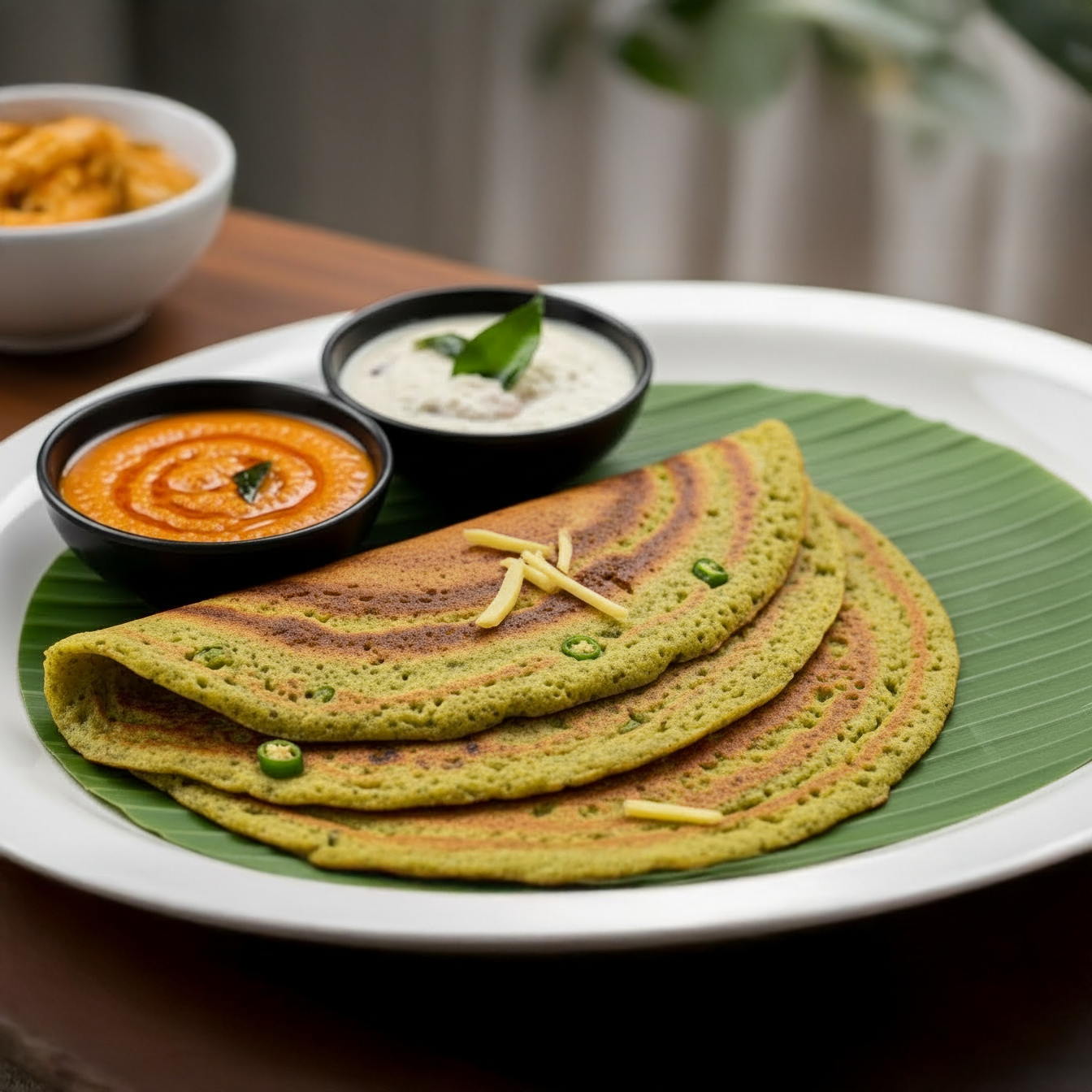
Green Gram Dosa

intro Are you looking for a healthy and delicious breakfast? You must try this Green Gram Dosa Recipe. It provides an excellent amount of protein for your body. Therefore, it keeps you full for a long time. Furthermore, it is very easy to prepare at home.story People in Andhra Pradesh call this traditional dish Pesarattu. This Green Gram Dosa Recipe has been popular for generations in many households. People traditionally eat it with spicy ginger chutney. Consequently, the flavors balance perfectly on your palate. However, you can enjoy it with any side dish of your choice. It serves as a staple because it is light on the stomach. Furthermore, it represents the simplicity of traditional Indian cooking.cast 1 cup whole green gram (moong dal), 2 tablespoons rice, 2 green chilies, 1-inch fresh ginger, 1 teaspoon cumin seeds, Salt to taste, Water as needed, Oil or ghee for cooking.songs 1. Soak the whole green gram and rice for at least six hours. 2. Drain the water completely and transfer the ingredients to a blender. 3. Add green chilies, ginger, and cumin seeds to the mix. 4. Grind the mixture into a very smooth batter. 5. Heat a flat tawa and spread a ladle of batter thinly. 6. Cook until the edges are crispy and serve immediately.about ### Nutritional Benefits of the Green Gram Dosa Recipe This dish provides a massive boost of plant-based protein. Additionally, it contains high amounts of dietary fiber. Therefore, it helps with muscle repair and improves your digestive health. Moreover, it is low in calories compared to regular rice-based dosas. The Green Gram Dosa Recipe is not just tasty but also scientifically beneficial for your diet. It has a low glycemic index. Consequently, it is suitable for people managing blood sugar levels. Furthermore, the antioxidants in moong dal protect your cells from damage.themes ### Expert Tips for a Perfect Green Gram Dosa Recipe You should use a non-stick pan to ensure you use less oil. Similarly, keep the heat on medium to ensure even cooking across the surface. Furthermore, you can add finely chopped onions on top for extra crunch. However, ensure the batter is not too watery before you start. Adding a pinch of asafoetida can significantly improve your digestion. Moreover, you can stuff the dosa with spiced mashed potatoes for a meal. Consequently, you turn a simple breakfast into a heavy lunch. However, always serve it hot for the best experience.whyWatch You should try this recipe because it is incredibly quick and nutritious. Additionally, it requires no fermentation time at all. Consequently, it is the perfect solution for busy weekday mornings. You will love the taste and the health benefits. Try it today!

Read More »

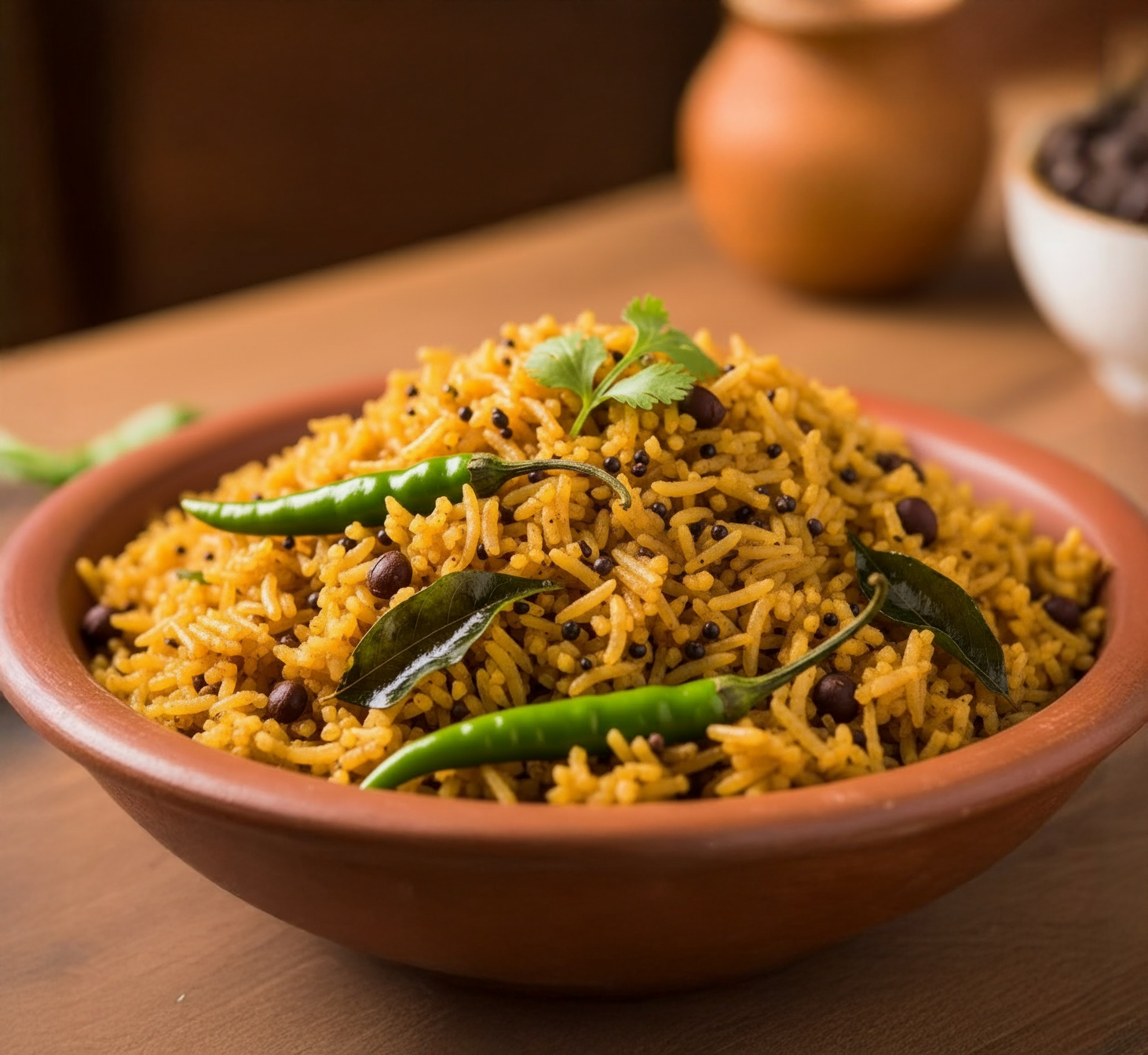
Tamarind Rice

intro Are you looking for a tangy and satisfying meal? Therefore, you must try this authentic Tamarind Rice Recipe. Furthermore, this dish brings traditional South Indian flavors directly to your dining table. However, many beginners feel intimidated by the spice balance. Additionally, we provide simple steps to ensure you succeed every single time.story People in South India call this dish Pulihora or Puliyogare. Historically, travelers preferred this meal because it stays fresh for a long time without refrigeration. Consequently, families often carry it during long train journeys. Moreover, temples frequently serve it as a sacred offering. The sourness of the tamarind represents one of the essential tastes in Indian philosophy. Therefore, eating it provides a balanced sensory experience. Additionally, the crunchy peanuts contrast perfectly with the soft rice, making every bite exciting for your palate. This combination of textures makes the meal unforgettable.cast You will need cooked rice, tamarind paste, and roasted peanuts. Additionally, gather mustard seeds, chana dal, and urad dal for the tempering. Furthermore, include dried red chilies, curry leaves, and turmeric powder. Finally, use sesame oil for the most authentic flavor. However, you can substitute it with vegetable oil if necessary. Consequently, these simple ingredients create a complex flavor profile.songs ### Secrets of the Tamarind Rice Recipe Firstly, cook the rice and spread it on a tray to cool. Furthermore, add a teaspoon of oil to prevent sticking. Secondly, heat oil in a large pan. Consequently, add mustard seeds and let them pop. Additionally, fry the dals until they turn golden brown. After that, toss in the peanuts and chilies. Furthermore, pour the tamarind extract into the pan and add turmeric. Simmer the mixture until it thickens into a paste. Finally, fold the tamarind paste into the cooled rice gently. Therefore, the rice absorbs the tangy flavors without breaking. Let it rest for an hour before serving for the best taste. Meanwhile, the flavors will deepen significantly.about ### How to Perfect the Tamarind Rice Recipe This dish represents the heart of South Indian comfort food. Moreover, it is naturally vegan and gluten-free. Therefore, it suits many dietary needs perfectly. Additionally, you can prepare the tamarind paste in bulk. Consequently, you can make a quick meal on busy weekdays. It remains a favorite for festivals and special family gatherings. Families often pass down their specific spice blends through generations.themes Always use aged tamarind for a deeper color. Furthermore, adjust the chili count to control the heat. Additionally, roasting the spices separately enhances the aroma significantly. Therefore, do not rush the tempering process. Finally, adding a pinch of jaggery balances the intense sourness beautifully. Similarly, using fresh curry leaves makes a huge difference in the final scent.whyWatch You should try this dish because it is incredibly flavorful and easy to store. Furthermore, it offers a unique blend of spice and tang. Consequently, your family will love this vibrant meal. Therefore, start cooking this amazing Tamarind Rice Recipe today and enjoy a taste of tradition!

Read More »
కావలసిన పదార్ధాలు
  • గోధుమ పిండి Whole Wheat Flour (Atta) 2 Cups
  • బొంబాయి రవ్వ Semolina (Bombay Rava) 1 tablespoon
  • ఉప్పు Salt 1/2 teaspoon
  • నూనె Oil (for the dough) 1 teaspoon
  • నీరు Water 3/4 cup
  • నూనె Oil (for deep frying) 2 cups
తయారి విధానం
  1. ఒక పెద్ద గిన్నెలో గోధుమ పిండి, బొంబాయి రవ్వ మరియు ఉప్పు తీసుకోండి.
    In a large mixing bowl, combine the whole wheat flour, semolina, and salt.
  2. అందులో ఒక టీస్పూన్ నూనె వేసి బాగా కలపండి.
    Add one teaspoon of oil and mix it well with the dry ingredients.
  3. కొద్దికొద్దిగా నీరు పోస్తూ పిండిని గట్టిగా మరియు మృదువుగా కలుపుకోవాలి.
    Gradually add water and knead it into a firm and smooth dough.
  4. పిండిని కనీసం 15 నిమిషాల పాటు మూత పెట్టి పక్కన ఉంచండి.
    Cover the dough and let it rest for at least 15 minutes.
  5. పిండిని చిన్న నిమ్మకాయ పరిమాణంలో ఉండలుగా చేసుకోండి.
    Divide the dough into small lemon-sized balls.
  6. చపాతీ పీటపై కొద్దిగా నూనె రాసి, ఉండలను చిన్న వృత్తాకారంలో ఒత్తుకోండి.
    Apply a little oil to the rolling board and roll each ball into a small, even circle.
  7. బాణలిలో నూనె పోసి బాగా వేడి చేయండి.
    Heat oil for deep frying in a pan over medium-high heat.
  8. నూనె వేడెక్కిన తర్వాత జాగ్రత్తగా పూరీని వేసి గరిటెతో మెల్లగా నొక్కండి.
    Once the oil is hot, carefully slide a poori in and gently press it with a slotted spoon until it puffs up.
  9. పూరీ ఉబ్బిన తర్వాత రెండో వైపుకు తిప్పి బంగారు రంగు వచ్చేవరకు వేయించండి.
    Flip the poori and fry the other side until it turns a light golden brown.
  10. వేడి వేడి పూరీలను అలు మసాలాతో వడ్డించండి.
    Drain the excess oil and serve hot with potato masala.
[real3dflipbook id='1']