Edit Template

Recipe Tag: Comfort Food

Mamidikaya Totakura Pappu

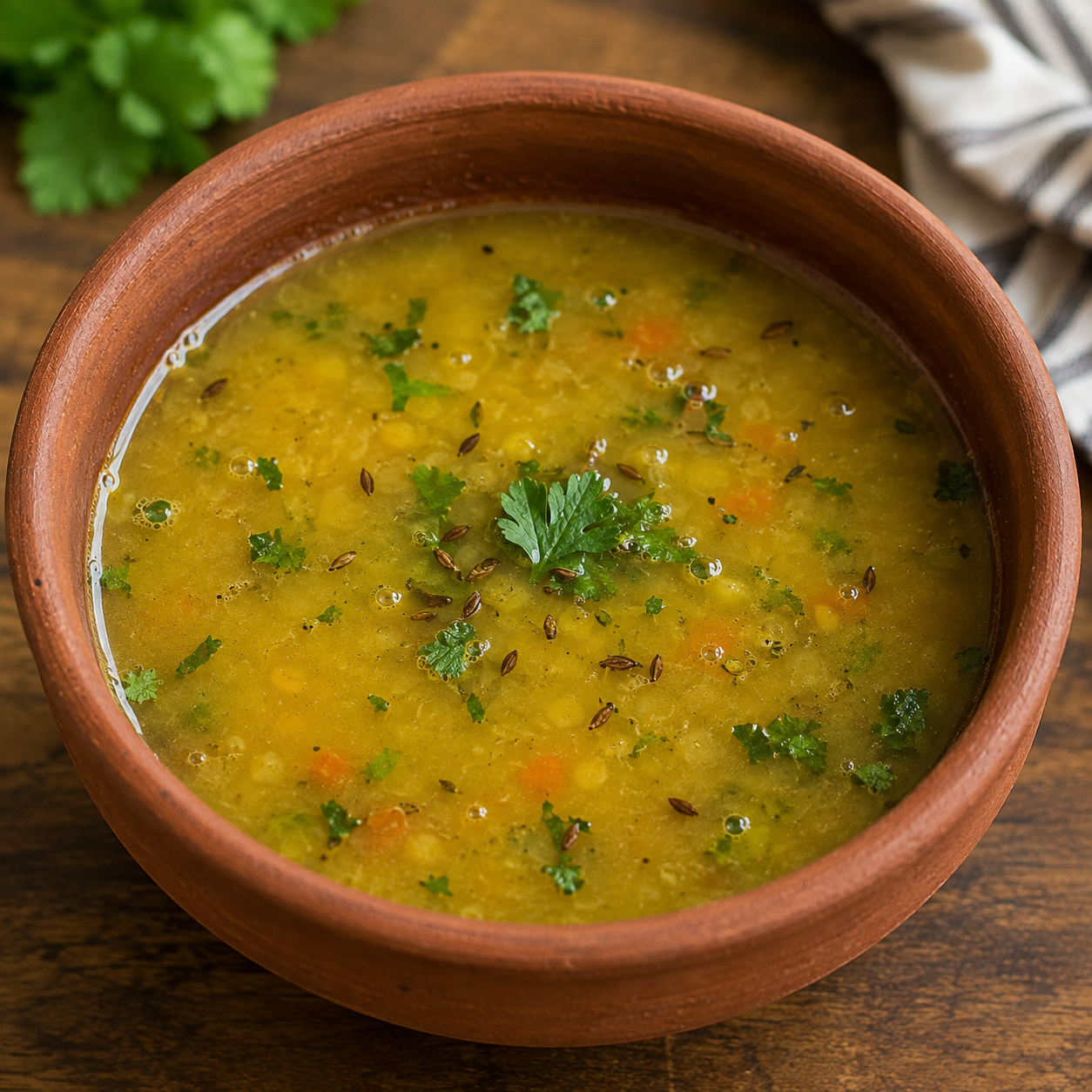
intro The Mamidikaya Totakura Pappu Recipe offers a perfect blend of sourness and high nutrition. This traditional Andhra dish combines fresh raw mango with vibrant amaranth leaves. Consequently, it creates a comforting meal that pairs beautifully with hot steamed rice. Therefore, many families prepare this during the peak of the mango season to enjoy its refreshing taste.story/description South Indian households often celebrate the arrival of mango season with diverse dal variations. However, the combination of raw mango and amaranth leaves stands out as a unique nutritional powerhouse. Specifically, the amaranth leaves provide a soft, buttery texture. Simultaneously, the raw mango adds a sharp, mouth-watering tang to the dish. Because of this balance, the recipe remains a staple during the hot summer months. Furthermore, every family has a secret way to temper this dal to enhance its earthy aroma. You will find that this dish captures the true spirit of Telugu comfort food. Moreover, it uses simple ingredients that you can find in any local market. Instead of using heavy spices, this recipe relies on the natural flavors of the greens and fruit. Consequently, it tastes fresh and light on the stomach.cast/ingredients 1 cup Toor dal (Pigeon peas), 2 cups fresh chopped Amaranth leaves (Totakura), 1 cup raw mango (peeled and diced), 3 green chilies (slit), 1/2 tsp turmeric powder, Salt to taste, 3 cups water. For tempering: 2 tbsp oil or ghee, 1 tsp mustard seeds, 1 tsp cumin seeds, 2 dried red chilies, 4 garlic cloves (crushed), 1 sprig curry leaves, A pinch of hing (asafoetida).songs/steps First, you must wash the toor dal and amaranth leaves thoroughly under running water. Second, place the cleaned dal, leaves, mango pieces, and green chilies into a pressure cooker. Third, add three cups of water and the turmeric powder to the mixture. Then, cook the ingredients for about three to four whistles until they become soft. Once the pressure releases, you should mash the dal gently with a wooden masher. However, do not over-process it as the texture should remain slightly chunky. Next, heat oil or ghee in a small pan for the tempering. Add the mustard seeds and let them splutter. Furthermore, throw in the cumin seeds, red chilies, garlic, and curry leaves. Finally, pour this aromatic tempering over the cooked dal and mix well. Simmer the Mamidikaya Totakura Pappu Recipe for another two minutes to blend the flavors. Serve it hot with a dollop of ghee.about This Mamidikaya Totakura Pappu Recipe represents the heart of authentic Telugu cuisine. It highlights seasonal produce effectively and ensures a balanced meal. Therefore, it nourishes the body while satisfying the palate with complex flavors. Additionally, the fiber from the greens makes it an excellent choice for digestive health.themes/tips You should always use firm and sour mangoes for the best results. If the mango is too sweet, the dish will lose its characteristic tang. Additionally, do not over-mash the leaves because you want to feel their texture. Instead of using a blender, always use a traditional masher for the right consistency. Furthermore, fresh garlic in the tempering adds a necessary punchy flavor. Moreover, you can add a little jaggery if the mango is excessively sour. Consequently, this creates a perfectly balanced sweet and sour profile. Finally, always serve this dal with a side of crispy papad or an omelet for a complete experience.whyWatch/whyTry You should try the Mamidikaya Totakura Pappu Recipe because it provides high protein and essential vitamins. Moreover, it is very easy to prepare for beginners who want to explore Indian cooking. Finally, it brings the authentic taste of South India directly to your dinner table with very little effort.

Read More »

Mamidikaya Pappu

intro Welcome to the world of vibrant South Indian flavors! The Mamidikaya Pappu Recipe is a staple in many traditional households. This dish brings immense comfort and joy to every lunch table. Therefore, you should learn how to make it perfectly for your family. Furthermore, it combines the sharp sourness of raw mango with the earthy creaminess of pigeon peas. It is truly a match made in culinary heaven.story Mamidikaya Pappu stands as the heart of Andhra cuisine. During the hot summer months, mango trees heavy with fruit line the streets. Families pick fresh, firm green mangoes to create this masterpiece. Additionally, the pungent smell of the tempering fills the air with nostalgia. People usually serve it with steaming hot rice and a dollop of pure ghee. Consequently, it creates a symphony of flavors on your tongue. Because the recipe is so simple, it highlights the natural beauty of seasonal ingredients. Specifically, the tanginess of the mango balances the heat from the green chilies perfectly.cast To prepare this Mamidikaya Pappu Recipe, you need 1 cup of Toor dal (pigeon peas). You also require 1 large raw mango, peeled and chopped into cubes. Additionally, gather 3 green chilies, 1/2 teaspoon of turmeric powder, and salt to taste. For the tempering, prepare 2 tablespoons of oil or ghee. Furthermore, you will need 1 teaspoon of mustard seeds, 1 teaspoon of cumin seeds, 2 dried red chilies, a handful of fresh curry leaves, and a pinch of hing (asafoetida).songs First, you must wash the toor dal thoroughly under running water. Then, place the cleaned dal and the chopped mango cubes into a pressure cooker. Add three cups of water along with turmeric and slit green chilies. Cook the mixture until the dal becomes soft and mushy. Afterward, mash the dal and mango gently with a spoon. For the tempering, heat oil in a small pan. Add mustard seeds, cumin, and red chilies. Once they splutter, add the curry leaves and hing. Finally, pour this aromatic tempering over the cooked dal and mix well.about Why You Will Love This Mamidikaya Pappu Recipe. This dish provides a high amount of protein and essential Vitamin C. Specifically, raw mangoes help your body stay cool and hydrated during extreme heat. Moreover, the lentils give you sustained energy for the whole day. Because it is incredibly simple to digest, it remains a perfect meal for children and adults alike. Furthermore, the combination of fiber and vitamins makes it a nutritional powerhouse.themes Tips for Perfecting Your Mamidikaya Pappu Recipe. You should always choose firm, green mangoes for the best results. If the mango is exceptionally sour, you should add a little more dal to balance the taste. However, if the mango is slightly sweet, you might need a tiny piece of tamarind. Additionally, always use fresh curry leaves for the most authentic aroma. Therefore, the freshness of your ingredients determines the final quality of the dish. Moreover, do not over-mash the mango if you like small chunks in your dal.whyWatch You should try this recipe because it is both quick and incredibly healthy. It saves you significant time on busy weekdays. Furthermore, the tangy taste refreshes your palate unlike any other lentil dish. Most people agree that the flavors meld together even better the next day. Consequently, you will find yourself making this Mamidikaya Pappu Recipe every single week! It is a true soul food that satisfies every craving.

Read More »

Tomato Pappu

intro Tomato Pappu Recipe is a beloved staple in many South Indian households. This comforting dish combines protein-packed lentils with juicy tomatoes to create a hearty meal. Therefore, it creates a perfect balance of earthy and tangy flavors for your dinner table. Additionally, it serves as a nutritious and filling meal for busy weeknights.story/description Every Indian home has its own unique version of lentil soup, yet this Andhra-style dal truly stands out. Many people call it the ultimate comfort food because of its simplicity and warmth. Moreover, the aroma of ghee and roasted garlic filling the kitchen is simply unforgettable. You will love how the tomatoes soften into the lentils during the cooking process. Furthermore, this recipe brings a piece of traditional Telugu culture directly to your dining table. However, you do not need any special skills to master this dish. Consequently, it has become a favorite choice for both beginners and experienced cooks alike. It reminds us that sometimes the simplest ingredients create the most profound memories.cast/ingredients 1 cup Toor Dal (Pigeon Peas), 3 large Ripe Tomatoes (chopped), 2 Green Chilies (slit), 1 teaspoon Turmeric Powder, 1 teaspoon Red Chili Powder, 1 teaspoon Salt, 2 tablespoons Ghee or Oil, 1 teaspoon Mustard Seeds, 1 teaspoon Cumin Seeds, 5 Garlic Cloves (crushed), 2 Dry Red Chilies, A handful of Curry Leaves, 1/4 teaspoon Asafoetida (Hing).songs/steps First, rinse the toor dal thoroughly under cold water to remove impurities. Place the dal, chopped tomatoes, green chilies, and turmeric in a pressure cooker. Add three cups of water and cook for four whistles until the dal becomes soft. Once the pressure releases naturally, mash the dal and tomatoes gently with a spoon. Add red chili powder and salt to the mixture while it is still warm. Heat the ghee in a small pan for the tempering process. Add mustard seeds and cumin seeds until they begin to pop. Throw in the crushed garlic, dry red chilies, curry leaves, and asafoetida once they sizzle. Pour this aromatic tempering immediately over the mashed dal. Finally, simmer the mixture for two minutes and serve it hot.about ## Why You Should Make This Tomato Pappu Recipe Today This dish uses basic pantry staples that you likely already have in your kitchen. Firstly, you must choose high-quality pigeon peas to ensure a creamy texture. Because these lentils provide a smooth base, they act as the perfect foundation for the tanginess. Secondly, the addition of fresh, ripe tomatoes introduces a refreshing acidity to the stew. Therefore, the flavor profile remains vibrant rather than flat or boring. Additionally, many people prefer adding a small touch of tamarind for extra zing. However, the tomatoes usually provide enough sourness on their own. Consequently, this Tomato Pappu Recipe remains one of the most popular ways to enjoy lentils in India.themes/tips ## Perfecting Your Homemade Tomato Pappu Always use ripe, red tomatoes to ensure the best flavor for your stew. Consequently, avoid using canned tomatoes as they lack the fresh tang required for this dish. Sautéing the garlic until it turns golden brown adds a wonderful smoky depth. Additionally, you can adjust the spice level by changing the number of green chilies you use. Therefore, this recipe is highly customizable for different palates and heat tolerances. Furthermore, adding a pinch of sugar or jaggery can balance the acidity if the tomatoes are too sour.whyWatch/whyTry You should try this recipe because it is both healthy and incredibly delicious. It offers a great source of plant-based protein for vegetarians. Furthermore, the cooking time is minimal, which makes it perfect for a fast dinner after work. However, the rich and complex taste will make it seem like you spent hours in the kitchen. Finally, it provides a warm, home-cooked feeling that store-bought meals simply cannot replicate. Serve it with hot rice and a dollop of ghee for the best experience.

Read More »

Majjiga Pulusu

intro The Majjiga Pulusu Recipe brings traditional South Indian comfort to your dining table effortlessly. Furthermore, this dish provides a refreshing relief during hot summer days because of its cooling properties. You can prepare this tangy buttermilk stew quickly for lunch or dinner. Therefore, it remains a favorite in many households across Andhra Pradesh and Telangana. Additionally, the dish uses simple pantry staples that you likely already have.story/description This dish originates from the heart of South India, where curd-based recipes are daily essentials. Consequently, every family has its own unique version passed down through generations. However, the core ingredients remain consistent across different regions. You use sour yogurt as the base to create a rich, tangy liquid. Additionally, you add vegetables like okra, bottle gourd, or drumsticks to enhance the texture. Because the dish is light on the stomach, it aids digestion perfectly after a heavy meal. Moreover, the tempering of mustard seeds and fresh curry leaves adds a wonderful aroma that fills the entire kitchen.cast/ingredients To recreate this Majjiga Pulusu Recipe, you will need 2 cups of thick sour curd (whisked) and 1 cup of water. Furthermore, gather 1/2 teaspoon of turmeric powder and salt to taste. For the vegetables, prepare 1 cup of chopped bottle gourd or okra. Additionally, prepare the tempering with 2 tablespoons of oil, 1 teaspoon of mustard seeds, 1/2 teaspoon of cumin seeds, 2 dried red chilies, a pinch of asafoetida, and a handful of fresh curry leaves. Finally, keep 2 chopped green chilies and 1 inch of grated ginger ready for extra spice.songs/steps 1. Firstly, whisk the sour curd and water in a large bowl until the mixture is completely smooth. 2. Secondly, add turmeric powder and salt to this mixture and set it aside. 3. Boil the chopped vegetables in a separate pot until they become tender but not mushy. 4. Once the vegetables are ready, pour the buttermilk mixture into the pot. 5. Heat the mixture on a very low flame while you stir it constantly to prevent curdling. 6. In a small pan, heat the oil and add mustard seeds, cumin, red chilies, and curry leaves. 7. Furthermore, add the ginger and green chilies to the tempering and sauté for thirty seconds. 8. Pour this hot tempering over the buttermilk stew and mix it gently. 9. Finally, turn off the heat immediately and serve the dish warm.about This Majjiga Pulusu Recipe is more than just a curry; it is a cultural staple in South Indian cuisine. Similarly to the North Indian Kadhi, this version focuses on lightness and tanginess rather than thickness. Many people enjoy it because it balances spicy side dishes perfectly. Furthermore, the probiotics in the curd offer significant health benefits. Therefore, it serves as a functional food that supports gut health while tasting delicious.themes/tips Follow these tips to perfect your Majjiga Pulusu Recipe every time. Firstly, always use whisked curd to avoid unsightly lumps in your stew. If you use fresh curd, the taste might feel too mild; therefore, many cooks prefer slightly sour yogurt for a better punch. Furthermore, do not boil the stew on high heat. If you overheat the liquid, the buttermilk will separate and spoil the texture. Instead, simmer it gently for the best results. Additionally, you can add a tablespoon of gram flour (besan) to the curd if you prefer a thicker consistency. Consequently, the flavor profile becomes more robust and creamy.whyWatch/whyTry You should try this dish because it is incredibly healthy and low in calories. Furthermore, the preparation takes less than twenty minutes, which is perfect for busy weeknights. Therefore, you do not need to spend hours in the kitchen to enjoy a gourmet meal. Additionally, the tangy flavor pairs beautifully with steamed rice and a side of crispy fryums or potato roast. Consequently, this Majjiga Pulusu Recipe will surely become a recurring star on your weekly menu.

Read More »

Upma

intro Upma is a classic South Indian breakfast dish that people love for its simplicity. This Upma Recipe offers a perfect balance of nutrition and taste for busy mornings. It uses roasted semolina and various fresh vegetables to create a hearty meal. Because it is light yet filling, many families enjoy it every single day.story South Indians love starting their day with this warm, comforting dish. Therefore, you will find it in almost every household from Chennai to Bangalore. People traditionally call it Rava Upma. However, many modern variations exist today. You can customize it with peas, carrots, or green beans. Additionally, the texture depends entirely on your water ratio. Consequently, a fluffy and non-sticky Upma makes everyone happy during breakfast time.cast To make this dish, you need 1 cup of semolina (rava). Additionally, gather 2.5 cups of water and 1 finely chopped onion. You also need 1 green chili, 1 teaspoon of mustard seeds, and 1 teaspoon of urad dal. For flavor, use fresh curry leaves, oil or ghee, and salt. Finally, keep some fresh coriander and lemon juice ready for the garnish.songs 1. First, roast the rava in a pan until it smells nutty and looks slightly golden. 2. Second, heat oil or ghee in a heavy-bottomed pan. 3. Add mustard seeds and urad dal until they crackle. 4. Add onions, green chilies, and curry leaves. Sauté them until the onions become soft. 5. Pour water into the pan and add salt. Bring the mixture to a rolling boil. 6. Gradually stir in the roasted rava. This prevents lumps from forming. 7. Cover the pan and cook on low heat for two minutes. 8. Finally, fluff it with a fork and serve hot.about Why this Upma Recipe Works: This Upma Recipe is famous because it is incredibly fast to prepare. For instance, you can cook the entire meal in under 20 minutes. Moreover, it provides sustained energy for your busy morning schedule. Because it uses simple pantry ingredients, you likely have everything you need already. Thus, it remains a top budget-friendly option for large families. Furthermore, the dish is easy to digest, making it suitable for children and seniors alike.themes First, always roast your semolina properly before cooking. If you skip this step, the Upma becomes sticky and thick. Second, use hot water instead of cold water for a better texture. Furthermore, adding a squeeze of fresh lemon juice adds a bright, zesty flavor. Additionally, you can add roasted cashews for a crunchy surprise. Finally, always garnish with fresh coriander to achieve a professional, restaurant-style look.whyWatch You should try this dish because it is extremely versatile. Whether you need a quick breakfast or a light dinner, it fits perfectly. Therefore, add this dish to your weekly meal plan immediately. You will certainly love the aromatic spices and the soft, melt-in-your-mouth texture. Additionally, it serves as a wonderful canvas for your favorite seasonal vegetables.

Read More »

Poori

intro Poori is a beloved fried bread that originated in the Indian subcontinent. Furthermore, this Poori Recipe helps you create light and airy rounds that melt in your mouth. Families often enjoy these golden treats during festive mornings or weekend breakfasts. Additionally, you can serve them with a variety of side dishes like spicy potato curry or sweet shrikhand. Therefore, learning this simple technique will surely impress your guests and satisfy your cravings. story For generations, Indian households have cherished the tradition of making fresh bread. Many children remember waking up to the sound of sizzling oil in the kitchen. Consequently, a hot plate of fried dough became the symbol of a happy Sunday. However, achieving that perfect, balloon-like puff requires a bit of skill. Additionally, every region has its own minor variations in flour or thickness. For instance, some cooks add a bit of semolina for extra crunch. Therefore, this bread remains a timeless staple that brings people together across different cultures. Ingredients 1. 2 cups Whole wheat flour (Atta) 2. 1 tablespoon Semolina (Suji) for a crispy texture 3. 1/2 teaspoon Salt 4. 1 teaspoon Vegetable oil for the dough 5. 3/4 cup Lukewarm water (adjust as needed) 6. Vegetable oil for deep frying. steps 1. First, combine the whole wheat flour, salt, and semolina in a large mixing bowl. 2. Add one teaspoon of oil and mix it into the flour with your fingertips. Furthermore, ensure the oil is evenly distributed. 3. Pour water gradually and begin kneading the mixture. Consequently, you will form a stiff and smooth dough. 4. However, do not add too much water at once, as the dough must remain firm. 5. Cover the dough with a damp cloth and let it rest for 15 minutes. 6. Next, divide the dough into small, lemon-sized balls. 7. Grease your rolling pin with a drop of oil to prevent sticking. Additionally, avoid using dry flour for dusting if possible. 8. Roll each ball into an even circle of medium thickness. 9. Heat the frying oil in a deep pan over medium-high heat. Therefore, check the heat by dropping a tiny piece of dough into it. 10. Carefully slide the rolled dough into the hot oil. Furthermore, gently press the top with a slotted spoon to help it puff. 11. Flip the poori once it expands and fry until it turns golden brown on both sides. about The Magic of a Perfect Poori Recipe depends entirely on the temperature of the oil and the consistency of the dough. This Poori Recipe focuses on achieving a balance between a soft interior and a slightly crisp exterior. Because it uses whole wheat flour, it provides a hearty flavor that pairs well with savory and sweet toppings. Additionally, the inclusion of semolina ensures that the bread stays puffy for a longer time after frying. Furthermore, the absence of leavening agents like yeast makes it a quick option for busy mornings.themes You should always ensure the oil is sufficiently hot before frying. If the oil is too cold, the bread will absorb excessive grease and fail to puff. Consequently, the texture will become heavy rather than light. Additionally, knead a stiff dough rather than a soft one. Furthermore, roll the dough with even pressure to avoid thin spots. However, do not rest the rolled circles for too long; instead, fry them immediately to get the best rise. Therefore, following these small details will result in professional-quality results every time.whyWatch You should try this Poori Recipe because it is incredibly rewarding and fast. Moreover, it uses simple pantry staples that you likely already have. Therefore, it is the ultimate comfort food for your family. Additionally, the process of watching the dough transform into a golden balloon is truly satisfying. Consequently, you will master a skill that brings authentic flavor to your dining table.

Read More »
కావలసిన పదార్ధాలు
  • కందిపప్పు Toor Dal (Pigeon Peas) 1 cup
  • తోటకూర Amaranth Leaves (chopped) 2 cups
  • పచ్చి మామిడికాయ ముక్కలు Raw Mango Pieces 0.5 cup
  • పచ్చి మిరపకాయలు Green Chillies (slit) 4
  • పసుపు Turmeric Powder 0.5 teaspoon
  • ఉప్పు Salt 1 teaspoon
  • నూనె Oil 2 tablespoons
  • ఆవాలు Mustard Seeds 1 teaspoon
  • జీలకర్ర Cumin Seeds 1 teaspoon
  • ఇంగువ Asafoetida (Hing) 0.5 teaspoon
  • ఎండు మిరపకాయలు Dried Red Chillies 2
  • రెమ్మ కరివేపాకు Curry Leaves 1
తయారి విధానం
  1. కందిపప్పును శుభ్రంగా కడిగి ప్రెజర్ కుక్కర్‌లో వేయండి. దానికి తరిగిన తోటకూర మరియు మామిడికాయ ముక్కలను కలపండి.
    Wash the toor dal thoroughly and add it to a pressure cooker along with chopped amaranth leaves and raw mango pieces.
  2. పచ్చిమిర్చి, పసుపు మరియు రెండున్నర కప్పుల నీళ్లు పోయండి.
    Add green chillies, turmeric powder, and 2.5 cups of water.
  3. మూత పెట్టి 3 నుండి 4 విజిల్స్ వచ్చే వరకు ఉడికించండి.
    Pressure cook for 3 to 4 whistles until the dal and greens are soft.
  4. ప్రెజర్ తగ్గాక, పప్పును మెత్తగా ఎనిపి, తగినంత ఉప్పు కలపండి. అవసరమైతే కొద్దిగా వేడి నీళ్లు పోయండి.
    Once the pressure releases, mash the dal gently and add salt. Adjust consistency with hot water if needed.
  5. పోపు కోసం ఒక చిన్న బాణలిలో నూనె వేడి చేయండి.
    For the tempering, heat oil in a small pan.
  6. ఆవాలు, జీలకర్ర, ఎండు మిరపకాయలు మరియు కరివేపాకు వేసి వేయించండి.
    Add mustard seeds, cumin seeds, dried red chillies, and curry leaves.
  7. పోపు వేగాక ఇంగువ వేసి, ఈ మిశ్రమాన్ని పప్పులో కలపండి.
    When the seeds splutter, add asafoetida and pour this tempering over the mashed dal.
  8. బాగా కలిపి వేడివేడి అన్నంతో వడ్డించండి.
    Mix well and serve hot.
[real3dflipbook id='1']