Edit Template

Recipe Tag: Andhra Cuisine

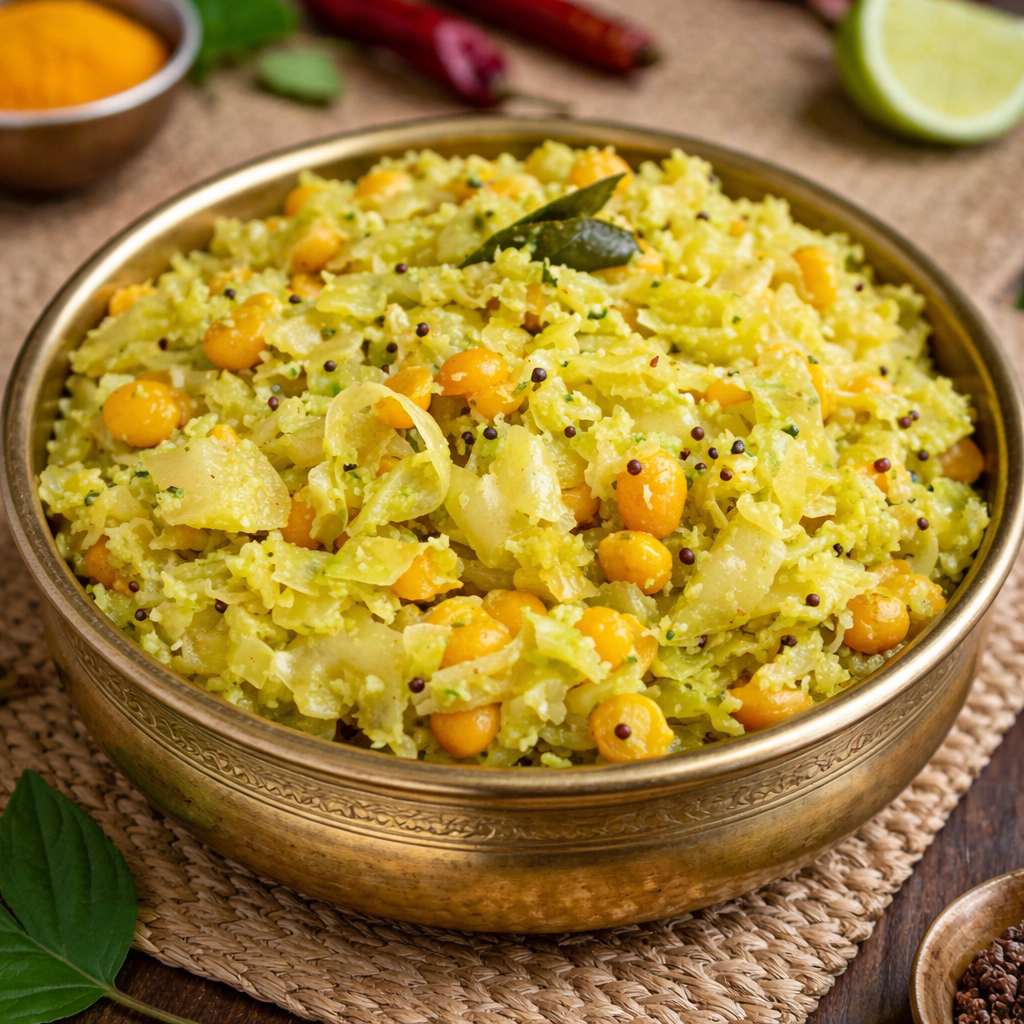
Cabbage Senagapappu Kura

intro Many people love traditional South Indian dishes because they provide great nutrition and fantastic flavors. Therefore, you should learn how to make the Cabbage Senagapappu Kura Recipe at home. This dish combines the mild sweetness of shredded cabbage with the nutty bite of chana dal. Furthermore, it serves as a perfect side dish for rice or rotis. Consequently, it has become a staple in many Telugu households. Since it requires minimal oil, health enthusiasts often choose this dish for their daily meals. Additionally, the aromatic tempering elevates the simple ingredients to a gourmet level. However, you must follow the correct steps to ensure the lentils remain firm yet cooked.story The Cabbage Senagapappu Kura Recipe originates from the vibrant culinary landscape of Andhra Pradesh. Specifically, it reflects the region’s love for dry curries that balance textures. Historically, families prepared this stir-fry during busy weekdays because it is quick and efficient. Additionally, mothers often packed this in lunch boxes since it does not spill and stays fresh for hours. While cabbage is often viewed as a humble vegetable, this preparation makes it a star. Furthermore, the addition of Bengal gram (senagapappu) adds a protein boost to the vegetarian diet. Consequently, the dish provides a complete nutritional profile for growing children. Therefore, it remains a beloved recipe passed down through generations. However, modern variations might include coconut, but the traditional version stays true to its earthy roots.cast 1. 2 cups finely shredded cabbage. 2. 1/2 cup chana dal (soaked for 30 minutes). 3. 2 tablespoons of vegetable oil. 4. 1 teaspoon of mustard seeds. 5. 1 teaspoon of cumin seeds. 6. 2 dried red chilies. 7. 1 sprig of fresh curry leaves. 8. 1/4 teaspoon of turmeric powder. 9. Salt to taste. 10. 2 green chilies, slit lengthwise. 11. A pinch of asafoetida (hing). 12. Fresh coriander for garnish.songs First, soak the chana dal in warm water for at least 30 minutes. Consequently, the lentils will cook faster while maintaining their shape. Second, heat the oil in a heavy-bottomed pan. Third, add the mustard seeds, cumin seeds, and dried red chilies. When the seeds splatter, add the curry leaves and asafoetida. Furthermore, add the soaked chana dal and sauté for three minutes on medium heat. Fourth, mix in the shredded cabbage and green chilies. Additionally, sprinkle the turmeric powder and salt over the mixture. Cover the pan with a lid and cook on low heat for ten minutes. Because cabbage releases its own moisture, you do not need to add extra water. However, you should stir the mixture occasionally to prevent sticking. Finally, remove the lid and fry for another two minutes. Consequently, any excess moisture will evaporate, leaving a perfect stir-fry. Garnish with coriander and serve hot.about This section explains why the Cabbage Senagapappu Kura Recipe is so special. Specifically, the dish highlights the ‘Vepudu’ style of cooking, which focuses on sautéing vegetables until they are tender yet crisp. Additionally, the use of turmeric provides a beautiful golden hue and anti-inflammatory benefits. Since the recipe uses whole spices in the tempering, the oil absorbs deep flavors. Furthermore, the cabbage retains its fiber content because we do not overcook it. Therefore, this dish helps in digestion and provides essential vitamins. Similarly, the lentils offer a satisfying crunch that contrasts with the soft cabbage. Consequently, even children who usually dislike cabbage will enjoy this version. Because it is naturally vegan and gluten-free, it caters to various dietary needs. However, you must ensure the dal is not mushy to maintain the authentic texture.themes 1. Always soak the chana dal because it ensures even cooking. 2. Shred the cabbage finely so it cooks at the same rate as the lentils. 3. Use a cast-iron skillet if possible; therefore, you will achieve a better sear on the vegetables. 4. Do not skip the asafoetida because it aids digestion of the pulses. 5. Add a squeeze of lemon juice at the end if you prefer a tangy twist. 6. Similarly, adding grated coconut can enhance the sweetness of the dish. 7. Keep the flame low while the lid is on; consequently, the cabbage will steam in its own juices. 8. Use fresh curry leaves for the best aroma.whyWatch You should try this Cabbage Senagapappu Kura Recipe because it is incredibly easy to master. Furthermore, it transforms basic ingredients into a nutritious masterpiece within twenty minutes. Since it pairs beautifully with steaming hot rice and ghee, it offers a comforting meal experience. Additionally, it is an excellent way to include more greens in your diet without sacrificing taste. Therefore, if you want a quick, healthy, and authentic Indian stir-fry, this recipe is your best choice. Try it today and enjoy the crunch!

Read More »

Mango Jelly

intro Making a delicious Mango Jelly Recipe feels like capturing summer in a bowl. Therefore, you should try this simple dessert today. Furthermore, the vibrant yellow color brightens any dinner table. However, many people think homemade jelly is difficult. Consequently, this guide proves that you can make it with just a few ingredients. You will love how the natural sweetness shines through every bite.story Imagine a warm afternoon where you crave something cool. Suddenly, you remember the fresh mangoes in your kitchen. Because you want a light snack, you decide to make jelly. This recipe comes from a long tradition of fruit preservation. However, it focuses on freshness rather than shelf life. Therefore, it tastes much better than store-bought options. You can taste the sunshine in this vibrant dish. Additionally, the smell of fresh mango will fill your kitchen as you prepare it.cast ## Ingredients for Your Mango Jelly Recipe You will need two large ripe mangoes, which you should peel and cube. Additionally, prepare half a cup of sugar to enhance the fruit’s sweetness. You also need one tablespoon of gelatin powder to ensure a firm set. Finally, gather one cup of water and one tablespoon of fresh lemon juice to balance the flavors. These simple items create a professional-grade dessert.songs ## Step-by-Step Cooking Guide First, blend the mango cubes until they become a smooth puree. Next, pour the water into a small bowl and sprinkle the gelatin over it. Then, let the gelatin sit for five minutes to bloom properly. Meanwhile, heat the mango puree and sugar in a saucepan over medium heat. Additionally, stir the mixture constantly so it does not burn. Once the sugar dissolves, add the bloomed gelatin to the warm mango. Subsequently, whisk everything until the gelatin disappears completely. Finally, pour the mixture into molds and refrigerate for four hours.about This Mango Jelly Recipe relies on the natural sweetness of ripe fruit. Additionally, you can adjust the sugar to your liking. Because the recipe uses real pulp, the flavor stays intense. Thus, every bite offers a tropical explosion. Moreover, the texture remains firm yet jiggly. Many people enjoy serving this after a spicy meal to cool the palate. Therefore, it is a versatile addition to your culinary repertoire.themes ## Tips for the Perfect Mango Jelly Recipe You should always choose the ripest mangoes for the best results. Furthermore, straining the puree through a sieve ensures a silky texture. If you prefer a vegan version, use agar-agar instead of gelatin. However, remember that agar-agar sets more firmly than traditional gelatin. Consequently, adjust the cooling time as needed. Additionally, garnish the final dish with fresh mint or whipped cream for a professional look.whyWatch You should try this recipe because it is healthy and refreshing. Additionally, it contains no artificial colors or preservatives. Therefore, it makes a perfect snack for children and adults alike. Moreover, you can prepare it in advance for parties or family gatherings. Consequently, you save time on the day of your event. Finally, the taste is simply unmatched by any commercial product you find in stores.

Read More »

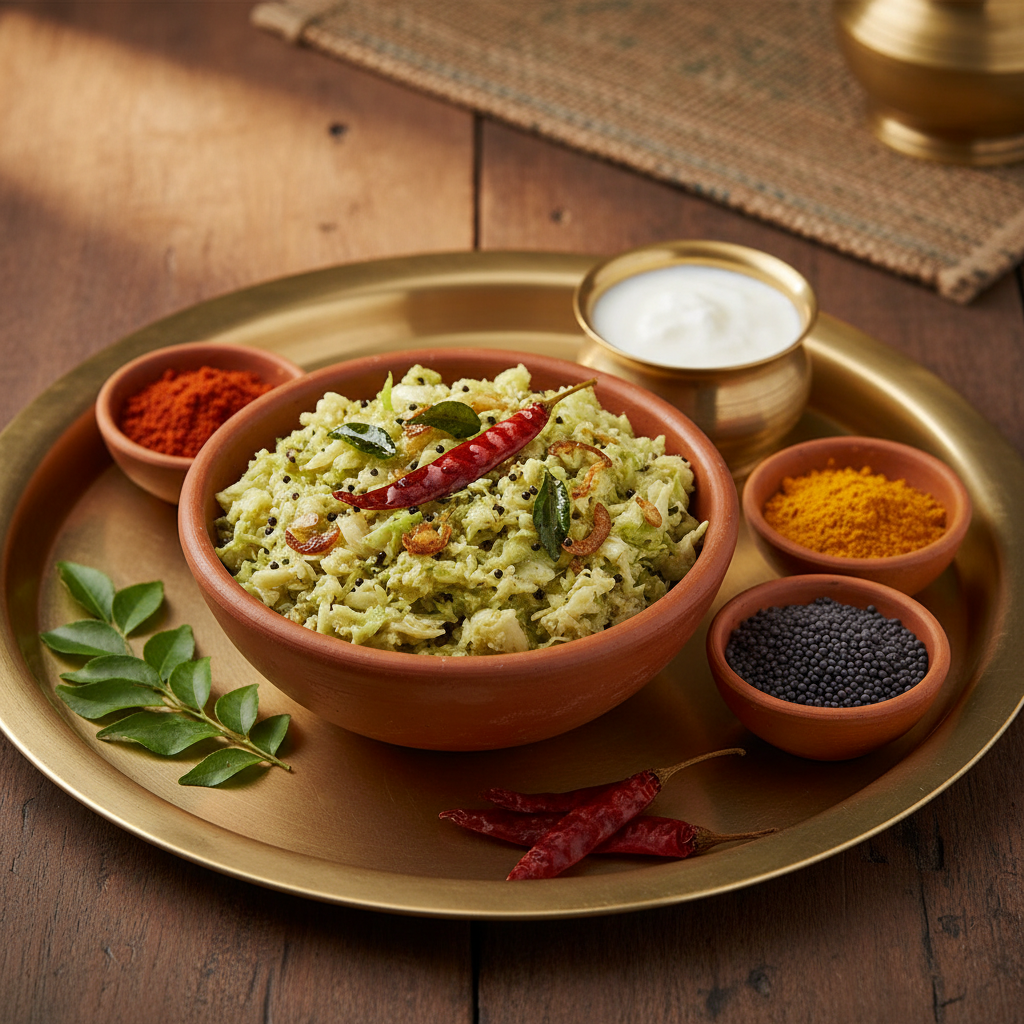
Cabbage Pachadi

intro Welcome to a world of vibrant flavors! The Cabbage Pachadi Recipe offers a unique twist on traditional Indian chutneys. Furthermore, it turns a simple, humble vegetable into a gourmet side dish. Therefore, you should try this recipe if you want to elevate your lunch. It balances spice, tang, and crunch perfectly. Additionally, it requires very little effort to prepare at home.story/description Many people find cabbage boring or bland in standard stir-fries. However, this recipe changes that perception entirely. In South Indian homes, families prepare this dish to add zing to their meals. Consequently, it brings warmth and excitement to every plate. The texture remains slightly crunchy while the spices add incredible depth. Thus, it satisfies even the pickiest eaters. Furthermore, the aroma of roasting lentils will fill your kitchen with joy. This dish is not just food; it is a celebration of simple ingredients.cast/ingredients To begin your Cabbage Pachadi Recipe, gather these items: – 2 cups finely chopped fresh cabbage – 2 tablespoons cooking oil – 3-4 dried red chilies for heat – 1 teaspoon mustard seeds – 1 teaspoon urad dal (split black gram) – A small piece of tamarind for tanginess – Salt to taste – Fresh curry leaves for aroma – A pinch of hing (asafoetida)songs/steps How to Master the Cabbage Pachadi Recipe Steps: First, heat one tablespoon of oil in a pan. Furthermore, add the dried red chilies and urad dal. Sauté these until the dal turns golden brown. Consequently, the nutty aroma will signal it is ready. Next, add the chopped cabbage to the pan. However, do not overcook the vegetable. Therefore, sauté it for only three to four minutes to keep it crunchy. Additionally, add the tamarind piece and salt now. Let the mixture cool down completely. Once cooled, grind it into a coarse paste. Finally, prepare a quick tempering. Heat the remaining oil and add mustard seeds, curry leaves, and hing. Pour this over your chutney. Therefore, your dish is now ready to serve!about This dish originates from the southern states of India, specifically Andhra Pradesh and Tamil Nadu. Moreover, it is a staple in traditional thali meals. It pairs perfectly with hot steamed rice and a dollop of ghee. Therefore, it serves as a comfort food for many. Furthermore, the combination of fermented flavors and fresh produce makes it a nutritional powerhouse. It proves that healthy food can also be delicious.themes/tips Use fresh, firm cabbage for the best results. Moreover, adjust the number of red chilies based on your spice tolerance. Additionally, you can add a small piece of jaggery to balance the tamarind. Consequently, the flavors will become more complex and rounded. Therefore, do not be afraid to experiment with the ratios. Furthermore, always use fresh curry leaves for the most authentic fragrance.whyWatch/whyTry You should try this Cabbage Pachadi Recipe because it is incredibly healthy. It is packed with fiber and essential vitamins. Furthermore, the entire process takes less than twenty minutes. Consequently, it is the perfect solution for busy weeknight dinners. Additionally, it introduces a variety of textures to your diet. Therefore, add this recipe to your weekly menu and impress your family with your culinary skills today!

Read More »

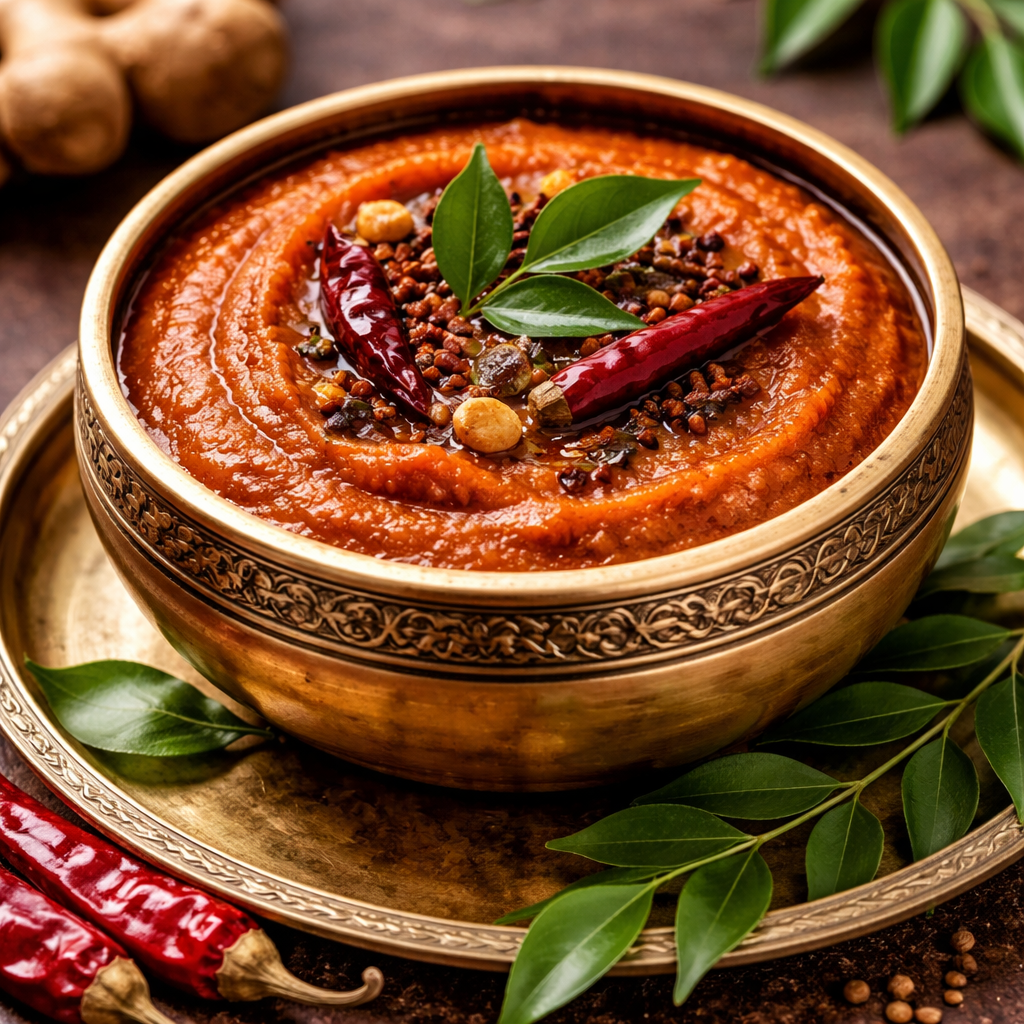
Allam Chutney

intro Are you looking for a zesty side dish to spice up your breakfast? This Allam Chutney Recipe brings a burst of bold flavor to your morning table. Furthermore, it combines heat and sweetness in every single bite. Therefore, you will find it irresistible once you try it.story The Allam Chutney Recipe holds a special place in South Indian cuisine. Originally, families prepared this chutney to help with digestion during heavy meals. Moreover, the recipe passed down through generations as a medicinal yet delicious treat. Additionally, it remains a favorite at local tiffin centers. Consequently, many people associate the smell of sautéed ginger with a traditional home-cooked breakfast. However, every household adds its own unique twist to the spice levels. Therefore, this dish represents the warmth and hospitality of regional cooking. Furthermore, the balance of jaggery and tamarind creates a flavor profile that is truly legendary.cast 100 grams of Fresh Ginger (peeled and chopped), 10-12 Dried Red Chilies, 1 small lime-sized ball of Tamarind, 3 tablespoons of Jaggery powder, 1 teaspoon of Mustard seeds, 1 teaspoon of Urad dal, 2 tablespoons of Oil, Salt to taste, a pinch of Asafoetida (Hing).songs 1. First, heat one tablespoon of oil in a pan and sauté the ginger pieces until they turn slightly golden. 2. Next, add the dry red chilies to the same pan and fry them for one minute. 3. Afterward, let these ingredients cool down completely to maintain the vibrant color. 4. Then, soak the tamarind in a little warm water to soften it for easier blending. 5. Furthermore, place the fried ginger, chilies, tamarind, jaggery, and salt into a blender jar. 6. Blend everything into a smooth, thick paste while adding very little water. 7. Consequently, prepare the tempering by heating the remaining oil and adding mustard seeds and urad dal. 8. Finally, pour the hot tempering over the ground paste and mix it well before serving.about This Allam Chutney Recipe creates a versatile condiment that lasts for several days. Furthermore, it features a thick consistency that pairs well with various crepes. Because of the ginger content, it acts as a natural palate cleanser. Moreover, the jaggery provides a subtle sweetness that mellows the sharp heat of the chilies. Therefore, it appeals to adults and children alike. Additionally, you can store it in an airtight container to keep it fresh. Consequently, it is a perfect meal-prep item for busy weekdays.themes Always use fresh, young ginger to avoid a woody texture in your Allam Chutney Recipe. Moreover, you should adjust the jaggery amount based on your preference for sweetness. If you want a smokier flavor, then roast the red chilies for a few extra seconds. Additionally, always use a dry spoon when serving the chutney to prevent spoilage. Therefore, your chutney will stay fresh for up to a week in the refrigerator. Furthermore, adding a pinch of hing during tempering enhances the overall aroma significantly.whyWatch You should try this Allam Chutney Recipe because it transforms a simple idli into a gourmet meal. Furthermore, ginger offers incredible anti-inflammatory properties for your body. Additionally, the preparation takes less than fifteen minutes of your time. Therefore, it is the most efficient way to add a healthy kick to your diet. Consequently, your family will surely ask for a second serving every time you make it. However, the best part remains the incredible balance of five distinct tastes in one bowl.

Read More »

Masala Dosa

intro The Masala Dosa Recipe brings the vibrant flavors of South India straight to your kitchen table. Furthermore, this dish combines a thin, crispy fermented crepe with a savory potato filling. Therefore, food enthusiasts worldwide cherish this meal for its unique texture and bold spices. Additionally, you can easily master this dish with the right techniques. Because it is highly nutritious, many families serve it for breakfast or dinner.story Masala Dosa originated in the historic streets of Karnataka many decades ago. Local chefs perfected the art of fermenting the batter over generations. Consequently, the dish became a staple in South Indian households. Initially, people ate plain dosas with simple chutneys. However, someone eventually added the spiced potato filling, creating the legendary Masala Dosa Recipe. Nowadays, you can find various versions of this recipe in every corner of the globe. It represents the rich heritage of Indian vegetarian cooking.cast 1. 2 cups of Sona Masuri rice. 2. 1/2 cup of Urad dal (black gram). 3. 1/4 teaspoon of Fenugreek seeds. 4. 4 large boiled potatoes. 5. 2 sliced onions. 6. 1 teaspoon of mustard seeds. 7. 2 green chilies. 8. A pinch of turmeric powder. 9. Salt to taste. 10. Ghee or oil for frying.songs ## Step-by-Step Masala Dosa Recipe Instructions First, soak the rice, dal, and fenugreek seeds for six hours. Subsequently, grind the mixture into a smooth batter and add salt. You must let the batter ferment overnight in a warm place. Next, mash the boiled potatoes for the filling. Sauté mustard seeds, onions, and chilies in a pan with some oil. Additionally, add turmeric and salt to the mashed potatoes and mix well. Heat a non-stick griddle and pour a ladle of batter. Spread the batter in a circular motion until it is very thin. Drizzle oil and cook until the bottom turns golden. Finally, place the potato filling in the center and fold the dosa carefully.about ## The Heritage of the Masala Dosa Recipe Moreover, the dish is more than just food; it is a cultural icon. Historically, the Tuluva community popularized this dish through their Udupi restaurants. Therefore, the recipe traveled across India and eventually reached international shores. Additionally, the fermentation process makes the dish very easy to digest. Consequently, health-conscious eaters often choose this recipe over other heavy breakfast options. Furthermore, the combination of carbohydrates and proteins provides a balanced start to your day. You will surely appreciate the depth of flavor that traditional methods provide.themes ## Pro Tips for Your Masala Dosa Recipe However, achieving the perfect crunch requires specific attention to detail. Initially, you should ensure your batter consistency is thin enough to pour. Furthermore, you must maintain a consistent heat on the griddle. If the pan becomes too hot, you should wipe it with a damp cloth immediately. Consequently, this lowers the temperature for the next crepe. Additionally, use a seasoned cast-iron skillet for the most authentic texture. Moreover, do not rush the fermentation process because time develops the flavor. Therefore, plan your preparation at least a day in advance for the best results.whyWatch You should try this recipe because it offers a restaurant-quality experience at home. Furthermore, the ingredients are simple and very affordable. Therefore, you can feed a large family without spending too much money. Additionally, the cooking process is incredibly rewarding and fun for beginners. You will love the satisfaction of peeling a perfectly crispy dosa off the pan!

Read More »

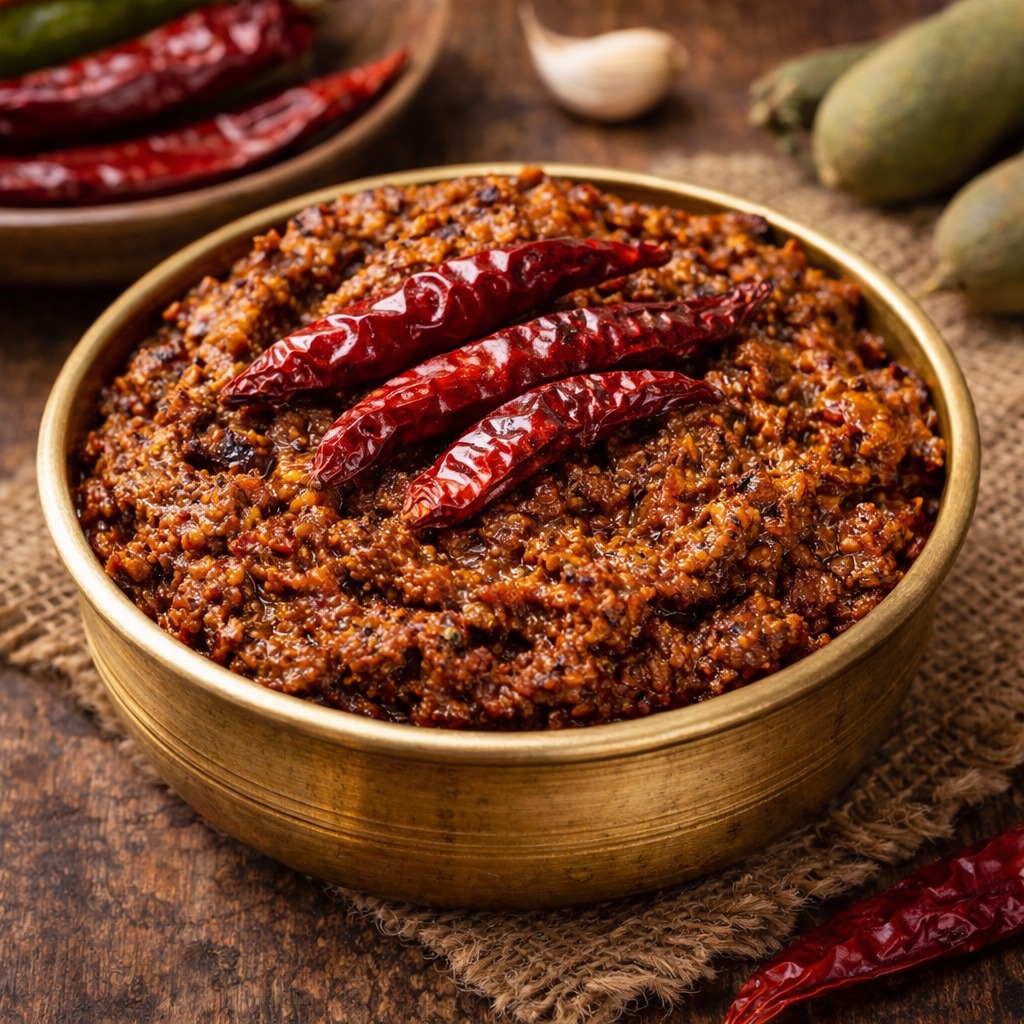
Chintakaya Pachadi

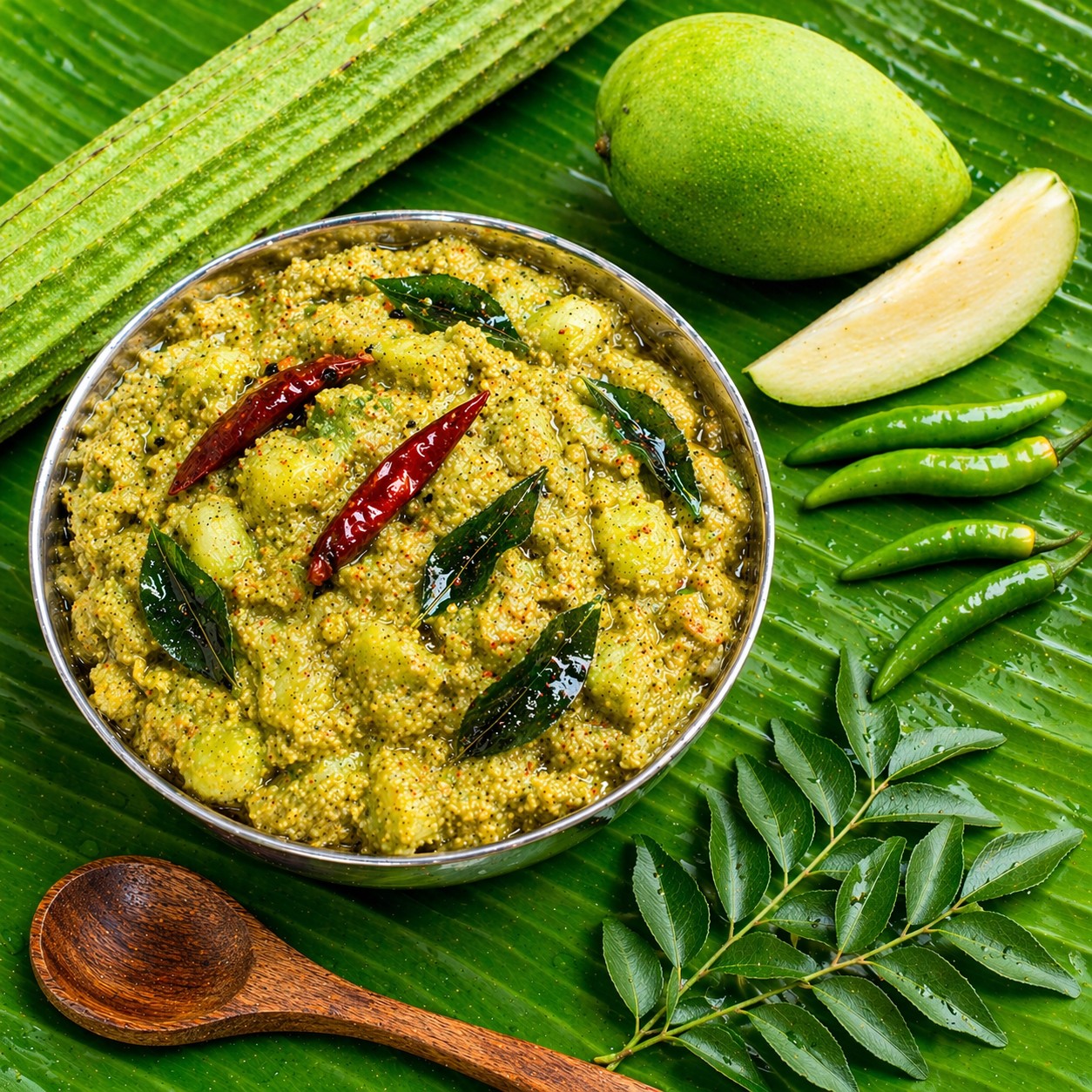
intro Welcome to the world of South Indian pickles. If you love tanginess, the Chintakaya Pachadi Recipe is perfect for you. This dish uses raw green tamarind as its main ingredient. Consequently, it delivers a sharp and refreshing taste. Furthermore, it pairs beautifully with hot rice and ghee. You will surely enjoy this traditional flavor in your kitchen. story/description This pickle comes from the heart of Andhra Pradesh. Therefore, it carries the soul of traditional village cooking. Grandmothers usually make this during the tamarind season. First, they pick raw green tamarind directly from the trees. Then, they crush it with sea salt and turmeric powder. Additionally, this process preserves the tamarind for many months. However, the fresh version always tastes even better. People love it because it evokes warm childhood memories. Moreover, the aroma of the hot tempering fills the whole house. Since it is homemade, it feels very special to everyone.cast/ingredients To make this dish, you will need the following items. Specifically, gather these ingredients: – 250g Raw Green Tamarind – 10-12 Green Chilies – 2 tsp Salt – 1/2 tsp Turmeric Powder – 2 tbsp Oil – 1 tsp Mustard Seeds – 1/4 tsp Fenugreek Seeds – 2 Dry Red Chilies – A pinch of Asafoetida – A few Curry Leavessongs/steps ### Preparation Steps for the Chintakaya Pachadi Recipe 1. Clean and dry the raw tamarind thoroughly before starting. 2. Then, crush the tamarind roughly and remove any large seeds. 3. Grind the green chilies with salt and turmeric in a blender. 4. Next, add the crushed tamarind to the grinder jar. 5. Grind everything until you get a coarse and thick paste. 6. Heat oil in a small pan for the tempering. 7. Additionally, add mustard seeds and fenugreek seeds to the hot oil. 8. Toss in the dry red chilies and fresh curry leaves. 9. Finally, pour this hot tempering over the tamarind paste. 10. Mix the contents well and serve it immediately with rice.about This Chintakaya Pachadi Recipe is a staple in Telugu households. Specifically, it represents the bold and spicy nature of authentic Andhra cuisine. While many people buy store-bought pickles, nothing beats the fresh homemade version. Furthermore, the natural acidity of green tamarind acts as a natural preservative. Consequently, this pickle stays fresh for a long time if you handle it properly. Instead of using vinegar, we rely on the natural juices. Thus, the flavor remains authentic and robust. Especially when served with mudda pappu, it tastes absolutely divine.themes/tips Always use fresh and firm green tamarind for the best results. Additionally, you should adjust the number of green chilies according to your spice preference. Furthermore, ensure you use a completely dry spoon to avoid spoilage. Therefore, the pickle will last much longer in storage. You can also store it in a glass jar. Moreover, adding a little extra oil helps in preservation.whyWatch/whyTry ### Why You Should Try This Chintakaya Pachadi Recipe You should try this recipe because it offers a massive burst of flavors. It is sour, spicy, and salty all at once. Moreover, it is very healthy due to the high vitamin C content in tamarind. Since it requires minimal ingredients, it is easy to prepare for any beginner. Thus, you can enjoy a piece of Indian tradition right in your own home. Additionally, it significantly improves your digestion after a heavy meal. Therefore, it is a great addition to your daily lunch. You will love how it changes a simple meal into a wonderful feast.

Read More »

Curry Leaf Powder

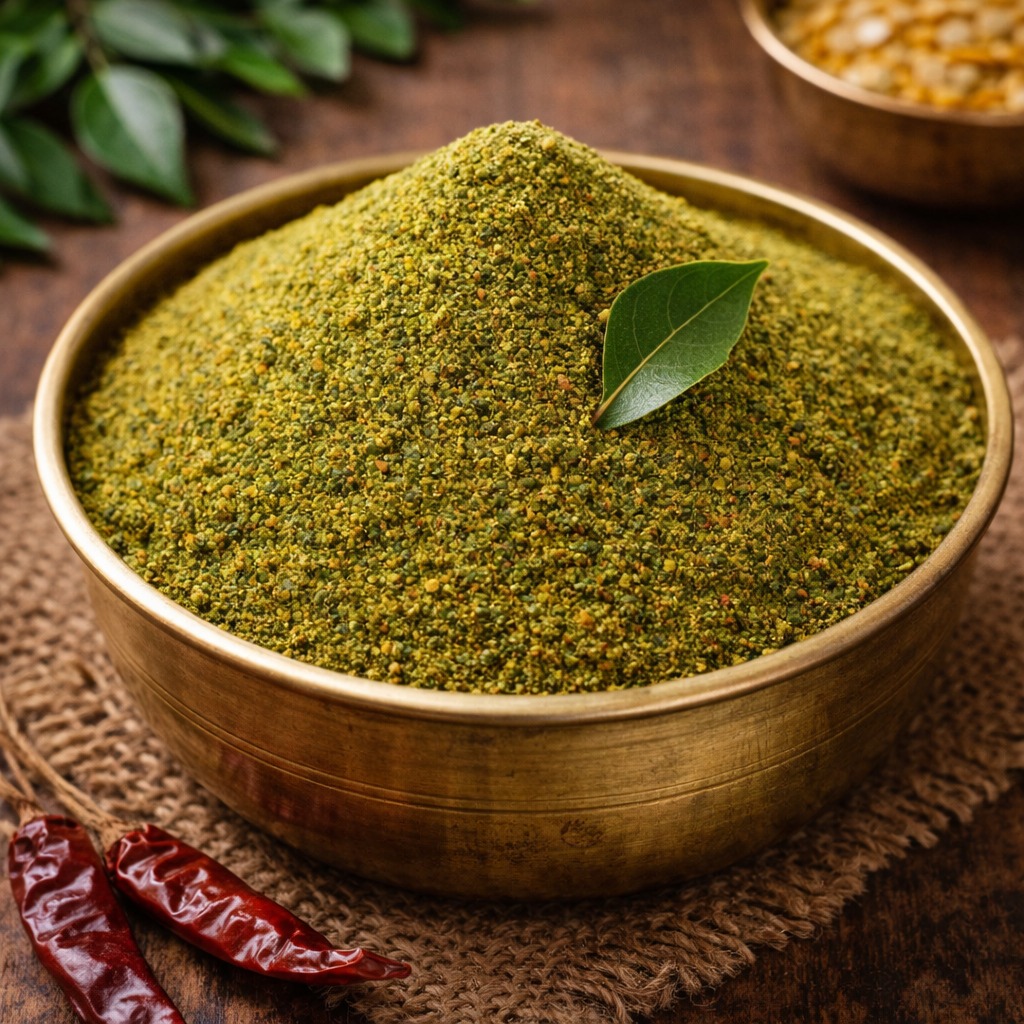
intro Curry Leaf Powder brings a burst of traditional flavor to your modern kitchen. Many home cooks prefer making it fresh because store-bought versions often lose their aroma. Consequently, this vibrant green powder adds significant health benefits to every meal. Therefore, you should learn this simple method to elevate your daily cooking.story/description South Indian cooking relies heavily on these aromatic green leaves for their unique scent. However, fresh leaves do not last long in the refrigerator. Therefore, turning them into a dry spice mix is a practical solution. Additionally, the roasted lentils in this recipe provide a wonderful nutty texture. This Curry Leaf Powder Recipe transforms simple meals into gourmet experiences within seconds. Furthermore, the powder pairs perfectly with hot ghee and steamed rice. Because it is homemade, you control the spice level and salt content perfectly.cast/ingredients To begin, gather two cups of fresh curry leaves. You will also need two tablespoons of urad dal and one tablespoon of chana dal for texture. Additionally, prepare six to eight dried red chilies and one teaspoon of cumin seeds. Finally, include a pinch of asafoetida and salt to taste to balance the flavors.songs/steps First, wash the curry leaves thoroughly and pat them completely dry. Then, roast the leaves in a heavy-bottomed pan on low heat until they turn crisp. Furthermore, remove them and set them aside to cool. Next, roast the urad dal, chana dal, and red chilies until they become fragrant and golden. Additionally, add cumin and asafoetida during the last minute of roasting. Finally, let all ingredients cool completely before placing them in a blender. Grind the mixture into a fine or slightly coarse powder. Consequently, your aromatic spice blend is ready for storage.about This Curry Leaf Powder Recipe focuses on preserving the natural nutrients of the leaves. Since curry leaves contain high amounts of antioxidants, they are great for digestion and hair health. Moreover, the addition of roasted lentils provides a plant-based protein boost. Consequently, this powder is both a tasty condiment and a functional superfood.themes/tips Always use low heat while roasting the ingredients. Otherwise, you might burn the delicate leaves and ruin the flavor profile. Additionally, store the finished powder in an airtight glass jar. This ensures the aroma stays fresh for several weeks. Furthermore, you can add a few cloves of garlic during roasting for an extra savory punch.whyWatch/whyTry You should try this Curry Leaf Powder Recipe because it is incredibly versatile. For instance, it works as a delicious seasoning for popcorn, roasted vegetables, or salads. Additionally, it saves time on busy weeknights when you need a quick flavor boost. Therefore, it is a must-have staple for any health-conscious pantry.

Read More »

Kandi Podi

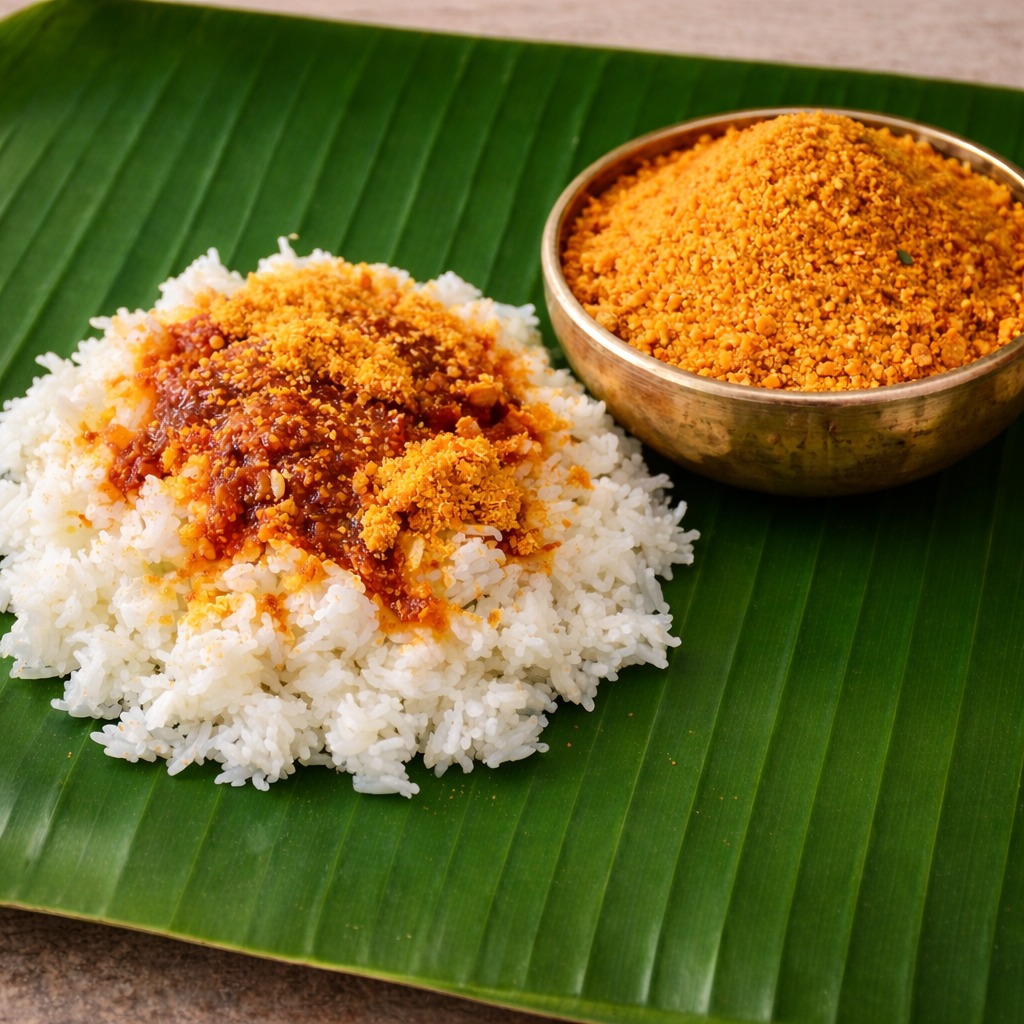
intro Are you looking for a comforting meal? The Kandi Podi Recipe offers a burst of flavor to your plate. Many people call it ‘Andhra Gunpowder’ because of its spicy nature. However, this version uses roasted lentils for a deep, nutty taste. Therefore, it is a must-have for every spice lover who wants an authentic Indian taste.story/description This spice blend comes from the heart of Andhra Pradesh. People love it because it tastes like a warm hug from home. Additionally, families often pass down these secrets through generations to keep the tradition alive. Consequently, every household has a slightly different version, but the soul of the recipe remains the same.cast/ingredients To start, you will need 1 cup of Toor Dal (Pigeon Peas) and 1/4 cup of Chana Dal (Bengal Gram). Additionally, gather 10-12 Dried Red Chilies to provide the heat. You also need 1 teaspoon of Cumin Seeds and 1/4 teaspoon of Hing (Asafoetida). Finally, include Salt to taste to balance all the earthy flavors.songs/steps Firstly, heat a heavy-bottomed pan over a low flame. Roast the toor dal until it turns golden brown and smells nutty. Similarly, roast the chana dal separately until it changes color. After that, add the red chilies and cumin seeds to the pan. Roast them for a minute until they become crisp. Consequently, let all the ingredients cool down completely on a plate. Finally, grind the mixture into a coarse powder along with salt and hing.about This powder represents the true simplicity of Indian cooking. However, the taste is quite complex and very rewarding. You can enjoy it with hot steamed rice and a dollop of ghee. In addition, it provides a good amount of plant-based protein from the lentils. Therefore, it is a healthy addition to your daily diet.themes/tips ### Success Tips for Kandi Podi Recipe Always roast the lentils on low heat to ensure even cooking. Otherwise, the dal might burn on the outside while staying raw inside. Moreover, keep the finished powder in an airtight glass jar for maximum freshness. If you use a wet spoon, the shelf life will decrease significantly. Therefore, stay very careful with moisture during the storage process.whyWatch/whyTry You should try this Kandi Podi Recipe for a quick and easy lunch solution. It saves a lot of time on busy weekdays when you cannot cook a full meal. Furthermore, it adds a spicy kick to otherwise bland dishes like idli or dosa. Similarly, it makes for a great travel companion as it does not spoil easily and provides instant flavor.

Read More »

Gongura Pachadi

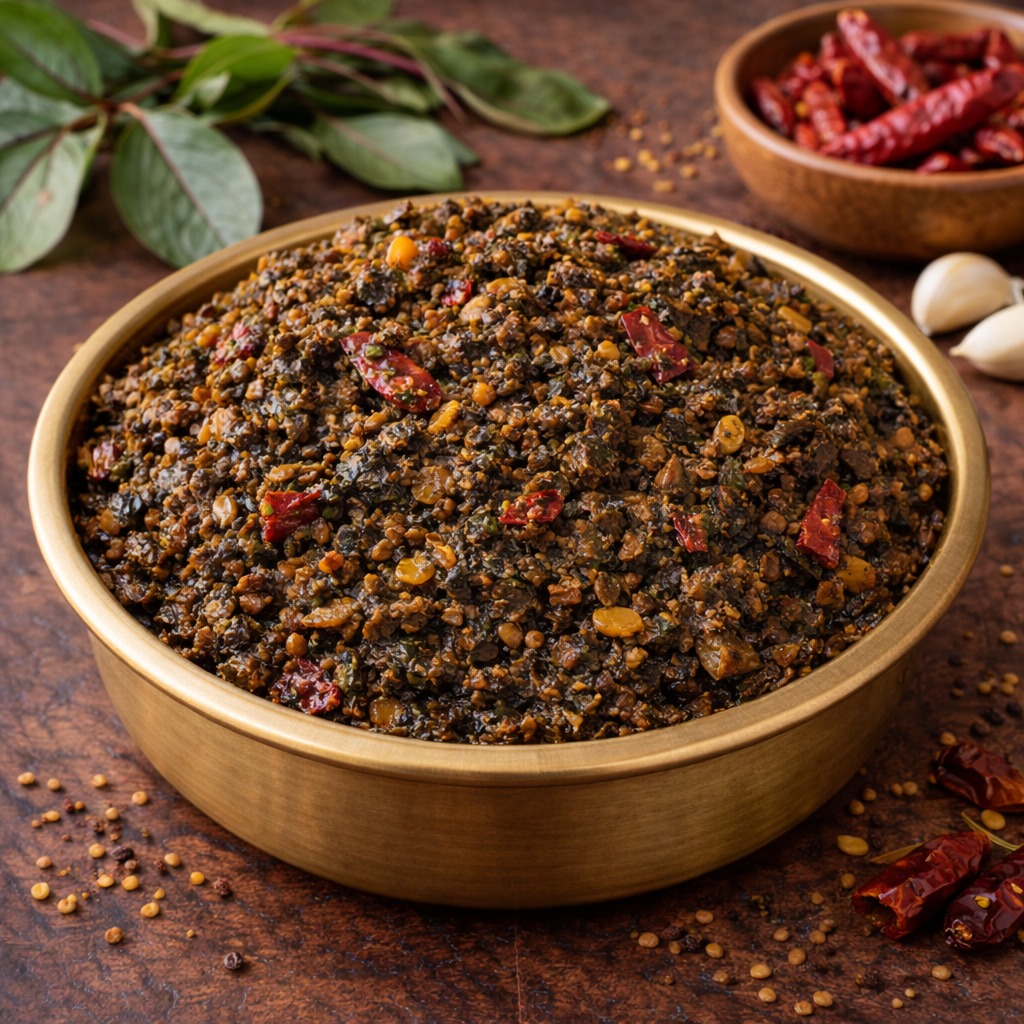
intro If you love bold and rustic flavors, you must try this Gongura Pachadi Recipe. This traditional dish highlights the unique sourness of sorrel leaves. Furthermore, the addition of dry red chilies brings a fiery kick to the palate. Therefore, many people in Andhra Pradesh consider it a staple food. Additionally, you can store this chutney for several days without any issues. However, you should use fresh leaves for the best possible taste. As a result, every bite will burst with authentic flavor.story/description Gongura, or sorrel leaves, defines the soul of Andhra cuisine. People often call it the ‘Andhra Matha’ because of its deep cultural importance. Consequently, every household has its own secret version of this chutney. This specific Gongura Pachadi Recipe balances the natural tartness of the leaves with earthy spices. Because the leaves are naturally very sour, the oil and chilies act as perfect balancing agents. As a result, you get a complex flavor profile that dances on your tongue. Moreover, the aroma of roasted garlic adds another layer of depth to this spicy condiment.cast/ingredients To prepare this dish, you need 2 bunches of fresh Gongura (Sorrel) leaves. Additionally, gather 10-12 dry red chilies and 1 tablespoon of coriander seeds. You will also need 1 teaspoon of cumin seeds and 5-6 garlic cloves. Salt is essential to taste. Furthermore, prepare 3 tablespoons of vegetable oil. For the final touch, keep 1 teaspoon of mustard seeds and a few curry leaves ready for tempering.songs/steps ## The Magic of Gongura Pachadi Recipe First, wash the leaves thoroughly and dry them completely on a cloth. Next, heat a little oil in a pan and roast the red chilies, coriander seeds, and cumin seeds until they become fragrant. After the spices cool down, grind them into a coarse powder. In the same pan, add more oil and sauté the leaves until they wilt and turn soft. Furthermore, add the wilted leaves and fresh garlic to the spice mix in the grinder. Grind everything together until you reach a smooth or slightly coarse texture. Finally, heat oil for tempering and add mustard seeds and curry leaves. Pour this hot tempering over the chutney to finish the Gongura Pachadi Recipe perfectly.about This dish represents the rustic and bold flavors of South India. Traditionally, families serve it with hot steamed rice and a dollop of ghee. Moreover, the high iron content in the leaves makes it a healthy choice. Because it uses simple ingredients, you can make it quickly on any busy weekday. Consequently, it remains a favorite for both home cooks and professional chefs. Therefore, it is a versatile addition to any dining table.themes/tips ## Tips for the Perfect Gongura Pachadi Recipe Always pick the red-stemmed gongura leaves for a sharper and more traditional tang. Furthermore, ensure the leaves are completely moisture-free before cooking to increase the shelf life. Additionally, do not over-grind the leaves; a slightly coarse texture usually tastes better with rice. If the chutney feels too sour, you can add a tiny piece of jaggery to balance the acidity. Therefore, use plenty of oil during the tempering stage to keep the chutney fresh for weeks. However, always store it in a dry glass jar for the best results.whyWatch/whyTry You should try this recipe because it offers an incredible explosion of flavors in every single bite. Moreover, it is a healthy way to include leafy greens in your daily diet. Additionally, it pairs perfectly with almost any South Indian meal, from idlis to full thalis. Thus, it adds a gourmet touch to your regular dining experience without requiring expensive ingredients. Finally, making it at home ensures you enjoy a preservative-free version of this classic delicacy.

Read More »

Tomato Pappu

intro Tomato Pappu Recipe is a beloved staple in many South Indian households. This comforting dish combines protein-packed lentils with juicy tomatoes to create a hearty meal. Therefore, it creates a perfect balance of earthy and tangy flavors for your dinner table. Additionally, it serves as a nutritious and filling meal for busy weeknights.story/description Every Indian home has its own unique version of lentil soup, yet this Andhra-style dal truly stands out. Many people call it the ultimate comfort food because of its simplicity and warmth. Moreover, the aroma of ghee and roasted garlic filling the kitchen is simply unforgettable. You will love how the tomatoes soften into the lentils during the cooking process. Furthermore, this recipe brings a piece of traditional Telugu culture directly to your dining table. However, you do not need any special skills to master this dish. Consequently, it has become a favorite choice for both beginners and experienced cooks alike. It reminds us that sometimes the simplest ingredients create the most profound memories.cast/ingredients 1 cup Toor Dal (Pigeon Peas), 3 large Ripe Tomatoes (chopped), 2 Green Chilies (slit), 1 teaspoon Turmeric Powder, 1 teaspoon Red Chili Powder, 1 teaspoon Salt, 2 tablespoons Ghee or Oil, 1 teaspoon Mustard Seeds, 1 teaspoon Cumin Seeds, 5 Garlic Cloves (crushed), 2 Dry Red Chilies, A handful of Curry Leaves, 1/4 teaspoon Asafoetida (Hing).songs/steps First, rinse the toor dal thoroughly under cold water to remove impurities. Place the dal, chopped tomatoes, green chilies, and turmeric in a pressure cooker. Add three cups of water and cook for four whistles until the dal becomes soft. Once the pressure releases naturally, mash the dal and tomatoes gently with a spoon. Add red chili powder and salt to the mixture while it is still warm. Heat the ghee in a small pan for the tempering process. Add mustard seeds and cumin seeds until they begin to pop. Throw in the crushed garlic, dry red chilies, curry leaves, and asafoetida once they sizzle. Pour this aromatic tempering immediately over the mashed dal. Finally, simmer the mixture for two minutes and serve it hot.about ## Why You Should Make This Tomato Pappu Recipe Today This dish uses basic pantry staples that you likely already have in your kitchen. Firstly, you must choose high-quality pigeon peas to ensure a creamy texture. Because these lentils provide a smooth base, they act as the perfect foundation for the tanginess. Secondly, the addition of fresh, ripe tomatoes introduces a refreshing acidity to the stew. Therefore, the flavor profile remains vibrant rather than flat or boring. Additionally, many people prefer adding a small touch of tamarind for extra zing. However, the tomatoes usually provide enough sourness on their own. Consequently, this Tomato Pappu Recipe remains one of the most popular ways to enjoy lentils in India.themes/tips ## Perfecting Your Homemade Tomato Pappu Always use ripe, red tomatoes to ensure the best flavor for your stew. Consequently, avoid using canned tomatoes as they lack the fresh tang required for this dish. Sautéing the garlic until it turns golden brown adds a wonderful smoky depth. Additionally, you can adjust the spice level by changing the number of green chilies you use. Therefore, this recipe is highly customizable for different palates and heat tolerances. Furthermore, adding a pinch of sugar or jaggery can balance the acidity if the tomatoes are too sour.whyWatch/whyTry You should try this recipe because it is both healthy and incredibly delicious. It offers a great source of plant-based protein for vegetarians. Furthermore, the cooking time is minimal, which makes it perfect for a fast dinner after work. However, the rich and complex taste will make it seem like you spent hours in the kitchen. Finally, it provides a warm, home-cooked feeling that store-bought meals simply cannot replicate. Serve it with hot rice and a dollop of ghee for the best experience.

Read More »
కావలసిన పదార్ధాలు
  • క్యాబేజీ Cabbage (finely chopped) 500 grams
  • శెనగపప్పు Chana Dal (soaked for 30 minutes) 1/2 cup
  • నూనె Oil 2 tablespoons
  • ఆవాలు Mustard Seeds 1 teaspoon
  • జీలకర్ర Cumin Seeds 1 teaspoon
  • పచ్చి మిరపకాయలు Green Chilies (slit) 2
  • కరివేపాకు Curry Leaves 1 sprig
  • పసుపు Turmeric Powder 1/2 teaspoon
  • కారం Red Chili Powder 1 teaspoon
  • ఉప్పు Salt (or to taste) 1 teaspoon
  • పచ్చి కొబ్బరి తురుము Fresh Grated Coconut 2 tablespoons
తయారి విధానం
  1. వంటకు 30 నిమిషాల ముందు శెనగపప్పును శుభ్రంగా కడిగి తగినంత నీటిలో నానబెట్టుకోవాలి.
    Start by washing and soaking the chana dal in water for at least 30 minutes before you begin cooking.
  2. నానబెట్టిన పప్పును కొద్దిగా నీటితో 70 శాతం వరకు ఉడికించాలి; పప్పు మెత్తగా ఉండాలి కానీ ఆకారం కోల్పోకూడదు.
    Boil or pressure cook the soaked dal with a small amount of water until it is 70 percent cooked; it should be tender but still hold its shape.
  3. ఒక బాణలిలో నూనె వేడి చేసి ఆవాలు, జీలకర్ర, పచ్చిమిర్చి ముక్కలు మరియు కరివేపాకు వేసి పోపు పెట్టుకోవాలి.
    Heat oil in a heavy-bottomed pan and add mustard seeds, cumin seeds, slit green chilies, and curry leaves for tempering.
  4. ఇప్పుడు సన్నగా తరిగిన క్యాబేజీ ముక్కలు మరియు పసుపు వేసి బాగా కలిపి మూత పెట్టాలి.
    Add the finely chopped cabbage and turmeric powder to the pan and stir everything together.
  5. క్యాబేజీ పూర్తిగా మెత్తబడే వరకు మధ్యస్థ మంట మీద ఉడికించుకోవాలి.
    Cover the pan and cook on medium flame until the cabbage becomes soft and tender.
  6. క్యాబేజీ ఉడికిన తర్వాత, ముందుగా ఉడికించి పెట్టుకున్న శెనగపప్పు మరియు రుచికి సరిపడా ఉప్పు వేయాలి.
    Once the cabbage is cooked, incorporate the parboiled chana dal and add salt according to your taste.
  7. అన్నీ కలిసేలా సుమారు 5 నిమిషాల పాటు వేయించాలి.
    Mix everything thoroughly and stir-fry for about 5 minutes to allow the flavors to blend.
  8. చివరగా కారం మరియు పచ్చి కొబ్బరి తురుము వేసి మరో 2 నిమిషాలు వేయించి స్టవ్ ఆపేయాలి.
    Finish the dish by adding red chili powder and fresh grated coconut, stir well, and cook for another 2 minutes before turning off the heat.
[real3dflipbook id='1']