Edit Template

Recipe Tag: Andhra

Mamidikaya Totakura Pappu

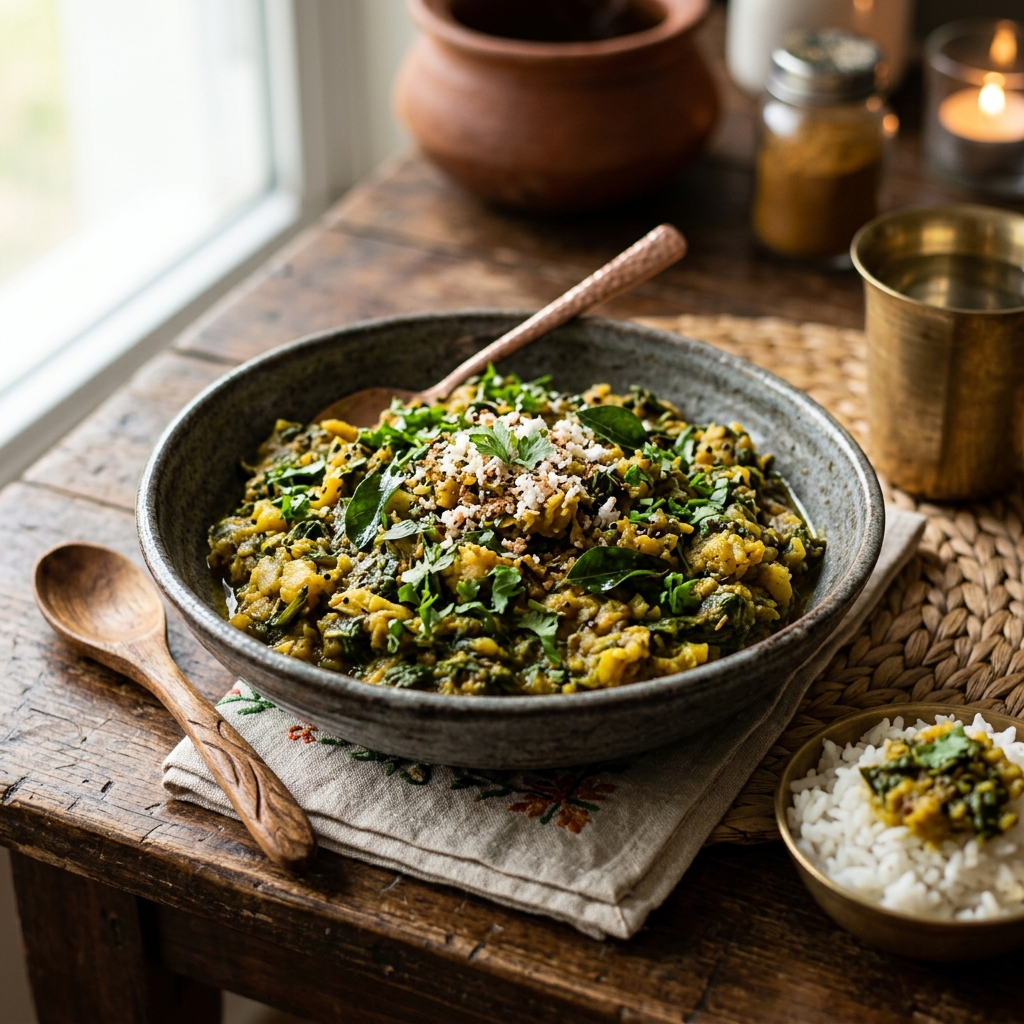
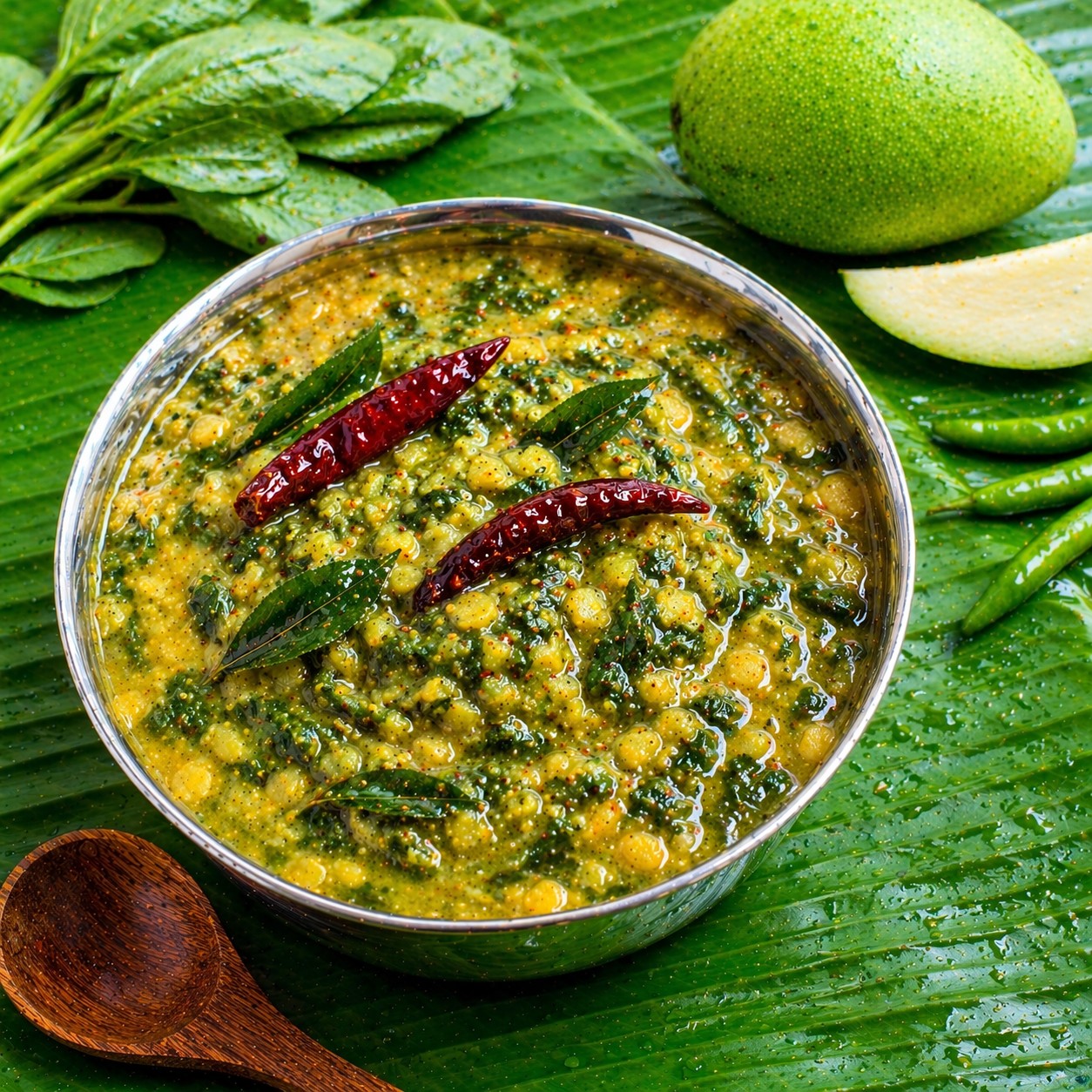
intro The Mamidikaya Totakura Pappu Recipe offers a perfect blend of sourness and high nutrition. This traditional Andhra dish combines fresh raw mango with vibrant amaranth leaves. Consequently, it creates a comforting meal that pairs beautifully with hot steamed rice. Therefore, many families prepare this during the peak of the mango season to enjoy its refreshing taste.story/description South Indian households often celebrate the arrival of mango season with diverse dal variations. However, the combination of raw mango and amaranth leaves stands out as a unique nutritional powerhouse. Specifically, the amaranth leaves provide a soft, buttery texture. Simultaneously, the raw mango adds a sharp, mouth-watering tang to the dish. Because of this balance, the recipe remains a staple during the hot summer months. Furthermore, every family has a secret way to temper this dal to enhance its earthy aroma. You will find that this dish captures the true spirit of Telugu comfort food. Moreover, it uses simple ingredients that you can find in any local market. Instead of using heavy spices, this recipe relies on the natural flavors of the greens and fruit. Consequently, it tastes fresh and light on the stomach.cast/ingredients 1 cup Toor dal (Pigeon peas), 2 cups fresh chopped Amaranth leaves (Totakura), 1 cup raw mango (peeled and diced), 3 green chilies (slit), 1/2 tsp turmeric powder, Salt to taste, 3 cups water. For tempering: 2 tbsp oil or ghee, 1 tsp mustard seeds, 1 tsp cumin seeds, 2 dried red chilies, 4 garlic cloves (crushed), 1 sprig curry leaves, A pinch of hing (asafoetida).songs/steps First, you must wash the toor dal and amaranth leaves thoroughly under running water. Second, place the cleaned dal, leaves, mango pieces, and green chilies into a pressure cooker. Third, add three cups of water and the turmeric powder to the mixture. Then, cook the ingredients for about three to four whistles until they become soft. Once the pressure releases, you should mash the dal gently with a wooden masher. However, do not over-process it as the texture should remain slightly chunky. Next, heat oil or ghee in a small pan for the tempering. Add the mustard seeds and let them splutter. Furthermore, throw in the cumin seeds, red chilies, garlic, and curry leaves. Finally, pour this aromatic tempering over the cooked dal and mix well. Simmer the Mamidikaya Totakura Pappu Recipe for another two minutes to blend the flavors. Serve it hot with a dollop of ghee.about This Mamidikaya Totakura Pappu Recipe represents the heart of authentic Telugu cuisine. It highlights seasonal produce effectively and ensures a balanced meal. Therefore, it nourishes the body while satisfying the palate with complex flavors. Additionally, the fiber from the greens makes it an excellent choice for digestive health.themes/tips You should always use firm and sour mangoes for the best results. If the mango is too sweet, the dish will lose its characteristic tang. Additionally, do not over-mash the leaves because you want to feel their texture. Instead of using a blender, always use a traditional masher for the right consistency. Furthermore, fresh garlic in the tempering adds a necessary punchy flavor. Moreover, you can add a little jaggery if the mango is excessively sour. Consequently, this creates a perfectly balanced sweet and sour profile. Finally, always serve this dal with a side of crispy papad or an omelet for a complete experience.whyWatch/whyTry You should try the Mamidikaya Totakura Pappu Recipe because it provides high protein and essential vitamins. Moreover, it is very easy to prepare for beginners who want to explore Indian cooking. Finally, it brings the authentic taste of South India directly to your dinner table with very little effort.
Read More »

Tangy Raw Mango Rasam

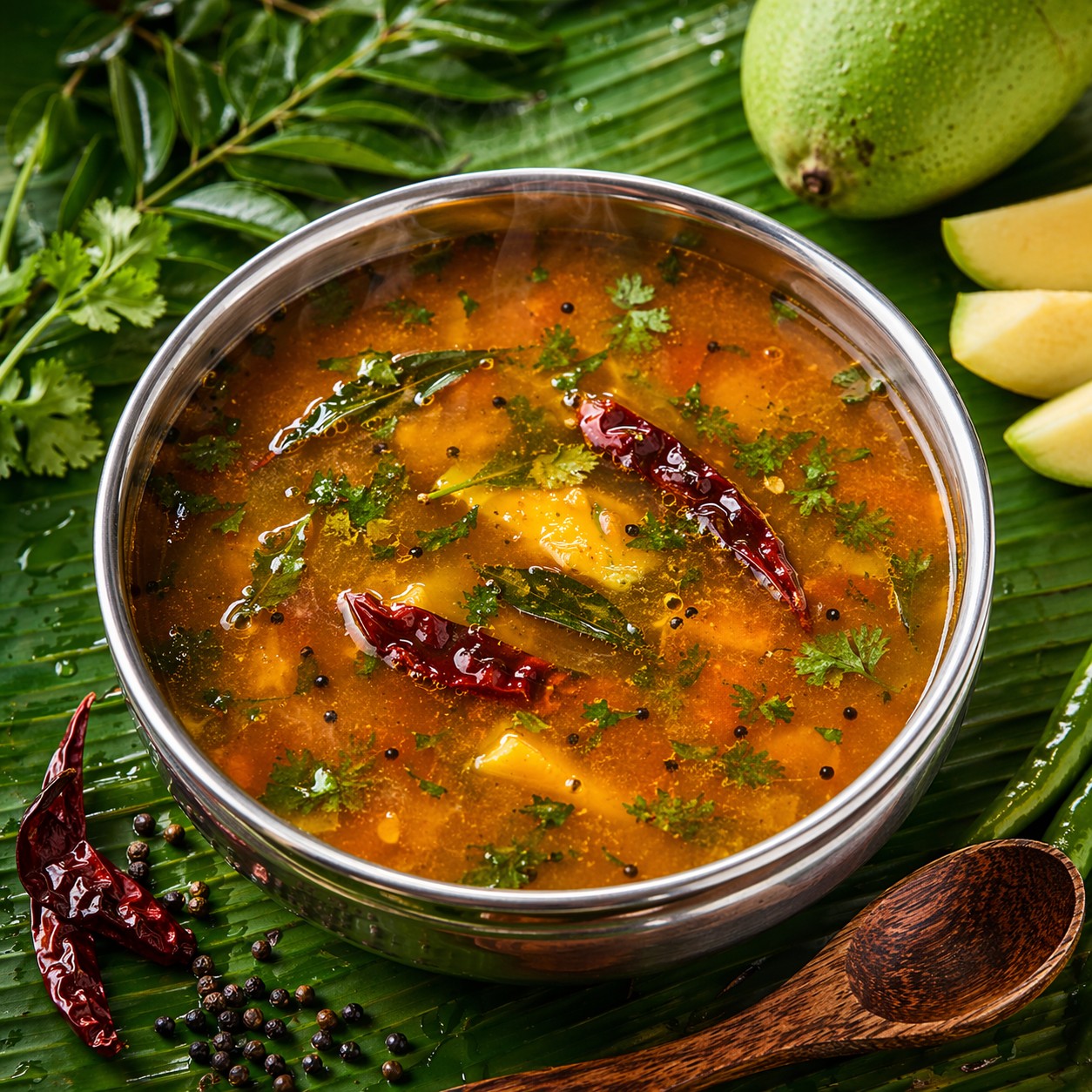
intro If you want a refreshing soup, look no further than the Tangy Raw Mango Rasam Recipe. This dish brings a burst of flavor to your dining table. Furthermore, it serves as the perfect remedy for a hot summer afternoon. Many people love this dish because it combines sour and spicy notes perfectly. However, you must select the right mangoes to get the best results. Receipe During the mango season, households across South India prepare various mango dishes. Specifically, the Tangy Raw Mango Rasam Recipe stands out as a staple favorite. People believe that green mangoes help cool the body during high heat. Therefore, moms often serve this soup with hot rice and ghee. Additionally, the recipe uses simple pantry staples like cumin and black pepper. Moreover, the aroma of tempering spices fills the air with pure nostalgia. Similarly, this dish carries memories of summer vacations and grandma’s traditional kitchen. You will find that every household has a slightly different version of this classic. Ingredients 1 large Raw Mango (peeled and chopped), 1/2 tsp Turmeric powder, 1 tsp Black pepper (crushed), 1 tsp Cumin seeds, 2 Dried red chilies, 1/4 tsp Asafoetida (Hing), 1 sprig Curry leaves, 1 tbsp Ghee or Oil, 1 tsp Mustard seeds, Fresh coriander leaves for garnish, Salt to taste, and 3 cups of Water. steps Cooking the Tangy Raw Mango Rasam Recipe First, peel one large raw mango and cut it into small chunks. Subsequently, boil the chunks in two cups of water until they become very soft. Once cooled, mash the mango thoroughly and extract the thick pulp. Furthermore, dilute this pulp with two more cups of water and discard any fibrous bits. Now, add turmeric, salt, and crushed black pepper to the liquid. Eventually, place the pot on a medium flame and let it simmer until it starts to froth. ### Perfecting the Tempering While the mixture simmers, prepare the tempering in a small separate pan. Heat the ghee and add mustard seeds, cumin, and dried red chilies. Additionally, throw in some fresh curry leaves for a better scent and a pinch of asafoetida. Pour this hot tempering into the boiling rasam immediately. Consequently, the flavors will meld together beautifully and create a deep aroma. Finally, garnish the dish with freshly chopped coriander leaves and serve it hot. about Rasam is a thin, spicy soup from Southern India that traditionally uses tamarind. However, this specific Tangy Raw Mango Rasam Recipe replaces tamarind with raw mango for a fruity and sharp tang. Therefore, it tastes much fresher and lighter than regular versions. Additionally, you can adjust the spice level by adding more green chilies or pepper. Specifically, this dish aids digestion after a heavy meal. Furthermore, it serves as an excellent light soup for those recovering from a common cold.themes/tips Always use firm, green mangoes for the best sourness. However, if the mango is too sour, you should add a small piece of jaggery to balance it. Additionally, do not boil the rasam for too long after adding the tempering spices. Consequently, you will preserve the fresh aroma of the curry leaves and the mustard seeds. Furthermore, roasting the peppercorns slightly before crushing them enhances the earthy flavor significantly. Similarly, using ghee instead of oil for tempering adds a rich, authentic depth to the final dish.whyWatch/whyTry You should try this recipe because it is incredibly easy to make with minimal ingredients. Moreover, it offers a refreshing change from your daily routine. Since it uses seasonal fruit, it provides a unique nutrition profile for your family. Therefore, you can impress your guests with this authentic South Indian flavor during your next gathering. Specifically, the Tangy Raw Mango Rasam Recipe will quickly become your go-to comfort food for every season.

Read More »

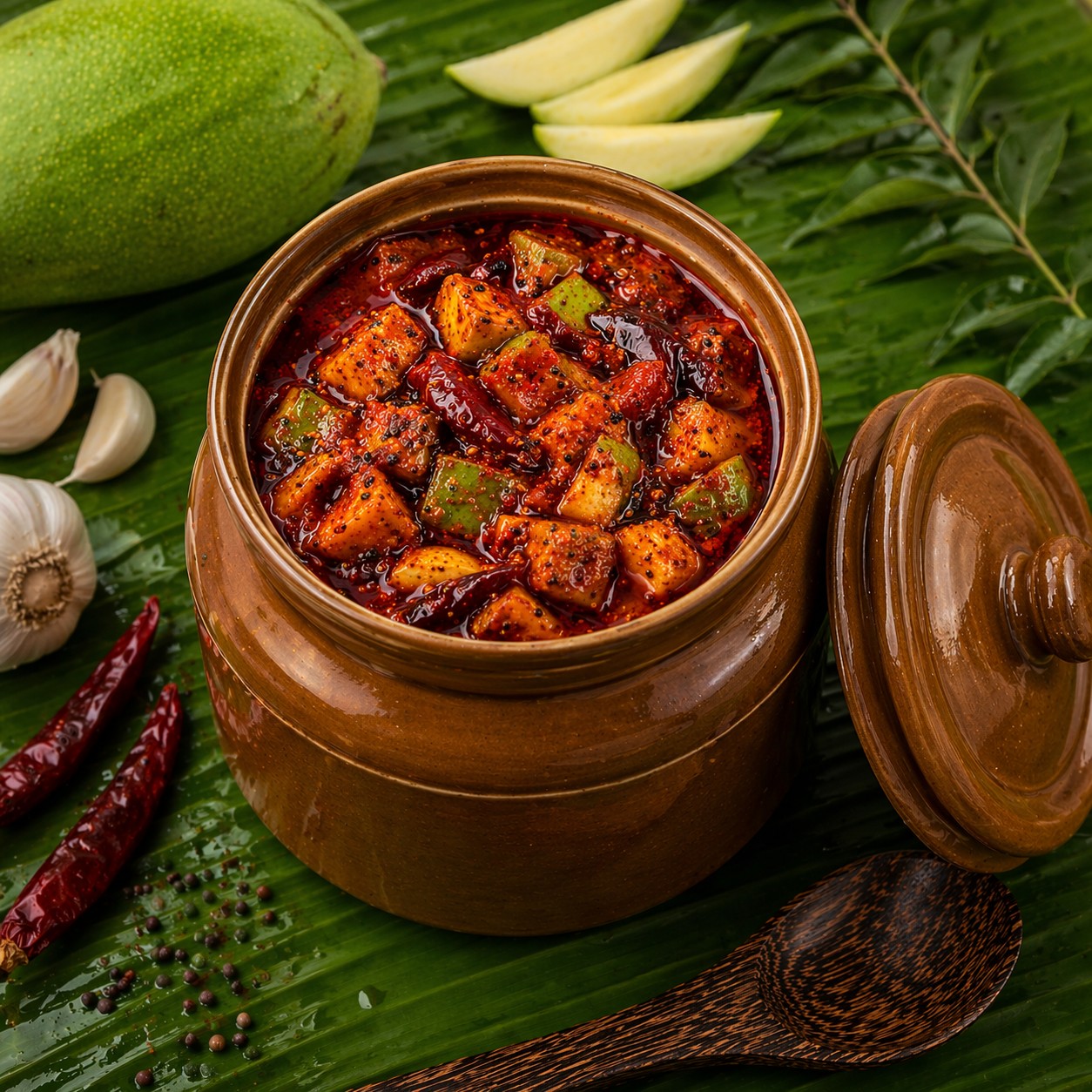
Garlic Mango Pickle

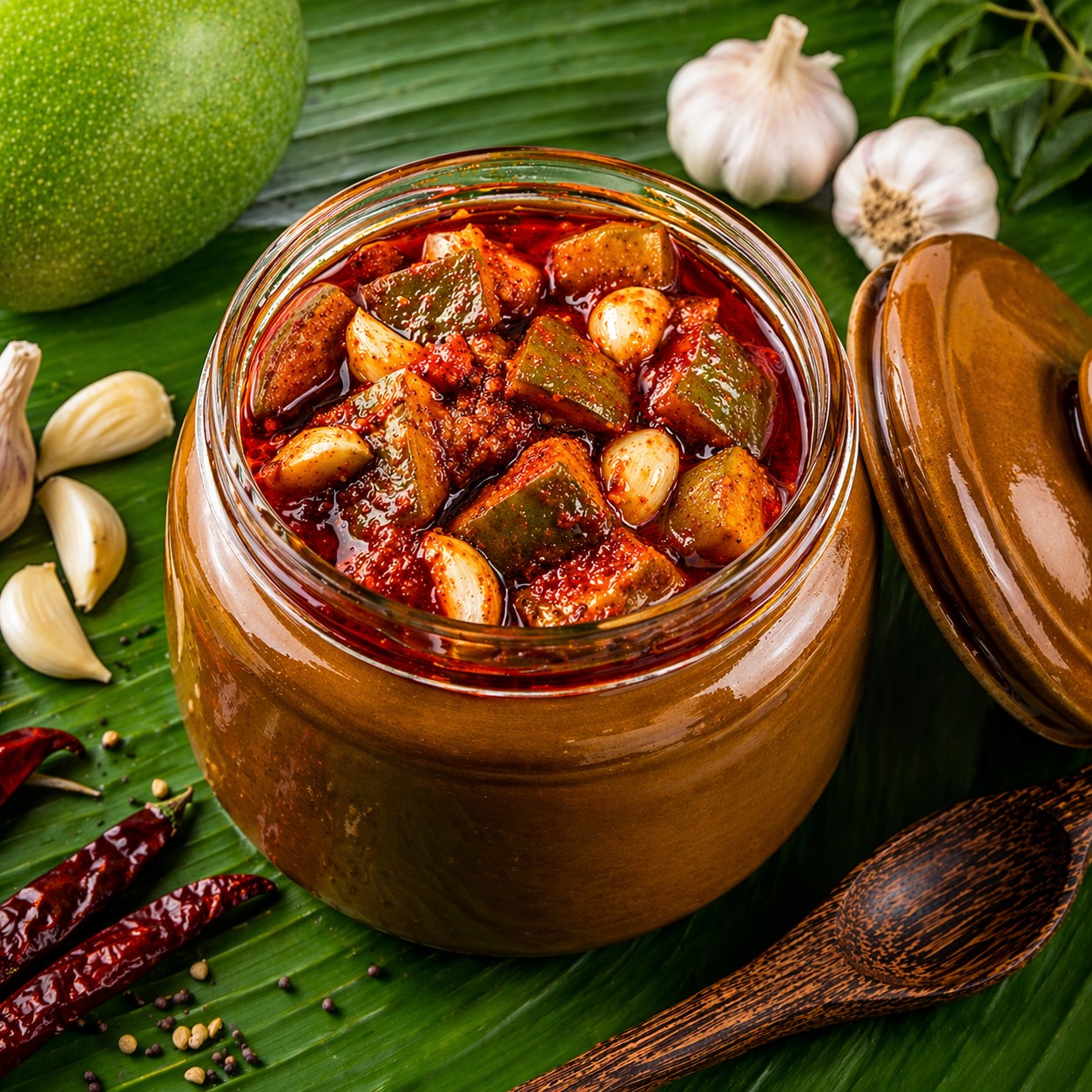
intro Everyone loves a good condiment that adds a punch to their lunch or dinner. Therefore, you must try this Garlic Mango Pickle Recipe. This traditional Indian-style pickle combines the sourness of raw mangoes with the sharp kick of fresh garlic. Additionally, it pairs perfectly with parathas, rice, or any simple meal. Because the ingredients are simple, anyone can master this dish at home.story/description Pickling is an ancient art that preserves the seasons. For instance, this specific pickle represents the heart of summer in many Asian households. Furthermore, the combination of garlic and mango creates a unique flavor profile that matures over time. You will notice that the garlic cloves soften and absorb all the spicy oils. Consequently, the texture becomes buttery while the mango remains slightly firm. Therefore, every bite offers a complex explosion of sour, spicy, and salty notes. This recipe uses mustard oil to ensure a long shelf life and a pungent aroma. However, you can adjust the spice levels to suit your personal preference. Additionally, the vibrant yellow and red colors make it a beautiful addition to your dining table.cast/ingredients To prepare this Garlic Mango Pickle Recipe, gather these ingredients: 2 cups of raw green mangoes (chopped), 1 cup of peeled garlic cloves, 1/2 cup of mustard oil, 2 tablespoons of red chili powder, 1 tablespoon of turmeric powder, 1 tablespoon of mustard seeds, 1 tablespoon of fenugreek seeds, salt to taste, and 1/4 teaspoon of asafoetida.songs/steps 1. First, wash the raw mangoes and dry them completely with a towel. 2. Next, cut the mangoes into small bite-sized cubes. 3. Then, heat the mustard oil in a small pan until it reaches the smoking point. 4. However, you must let the oil cool down slightly before adding the spices. 5. Additionally, toss the garlic cloves and mango pieces into a large glass bowl. 6. Now, sprinkle the turmeric, chili powder, and salt over the fruit and garlic mixture. 7. Furthermore, grind the mustard and fenugreek seeds into a coarse powder using a mortar. 8. Add this spice mix and the asafoetida to the mangoes. 9. Finally, pour the cooled mustard oil over the ingredients and stir well. 10. Store the pickle in a sterilized jar for 3 to 4 days to let the flavors develop fully.about Expert Tips for the Best Garlic Mango Pickle Recipe: This Garlic Mango Pickle Recipe is more than just a side dish. It is a labor of love that highlights the beauty of simple ingredients. Furthermore, the fermentation process allows the flavors to meld together perfectly. Because we use natural preservatives like salt and oil, the pickle lasts for months. Consequently, you can enjoy the taste of summer even during the colder months. Therefore, this recipe serves as a staple in many traditional kitchens. It provides an instant flavor boost to otherwise bland dishes. For instance, a small spoonful can transform a simple bowl of lentils and rice.themes/tips Always use a dry spoon to prevent spoilage. Moreover, ensure the mangoes are completely moisture-free before starting the process. If you want more heat, then add extra chili flakes or green chilies. Additionally, keeping the jar in sunlight for a few days speeds up the softening process. Therefore, patience is key to achieving the perfect taste. Furthermore, you should check the salt levels after two days as the mangoes absorb it.whyWatch/whyTry You should try this Garlic Mango Pickle Recipe because it is incredibly easy to make at home. Furthermore, homemade pickles are much healthier than store-bought versions. Consequently, you control the quality of oil and the amount of sodium. This recipe offers a nostalgic taste that brings family traditions to your modern table. Therefore, try it today and elevate your dining experience with this tangy, spicy treat!

Read More »

Mango Mukkala Pachadi

intro The Mango Mukkala Pachadi Recipe is the perfect addition to any meal during the summer season. If you want something tangy and spicy, this dish is definitely for you. Furthermore, you can make it in just ten minutes using basic pantry staples. Therefore, it is ideal for those who crave authentic pickles but lack the time for traditional aging processes. Additionally, the fresh aroma of raw mango will instantly boost your appetite and make your dinner special. story In the intense heat of summer, raw mangoes are abundant in local markets. Families in South India use these green fruits in many creative ways. However, the most popular and beloved method is making an instant pickle. This specific Mango Mukkala Pachadi Recipe captures the essence of fresh, raw ingredients. Consequently, it has become a cherished tradition in many households across the country. Moreover, children love the crunch of the small mango cubes. Because it does not require long sun-drying, you can enjoy it on the very same day you prepare it. ### The Story Behind the Mango Mukkala Pachadi Recipe To start, you must select the right mangoes for this dish. Specifically, look for firm and very sour green mangoes to get the best results. Firstly, wash the fruit thoroughly under cold water. Secondly, wipe it dry with a clean cloth. Moisture can spoil the pickle quickly; therefore, you must ensure everything is completely dry. Afterward, chop the mango into very small, uniform cubes. Similarly, keep your mixing bowl and spoons dry to maintain shelf life. Consequently, your pickle will stay fresh for several days when stored in the fridge. Ingredients The ingredients for this Mango Mukkala Pachadi Recipe are quite simple. You will need two medium-sized raw mangoes, three tablespoons of red chili powder, and two tablespoons of salt. Additionally, you need half a teaspoon of roasted mustard powder and a pinch of fenugreek powder. For the tempering, prepare two tablespoons of sesame oil, one teaspoon of mustard seeds, two dried red chilies, and a few fresh curry leaves. Furthermore, adding a hint of asafoetida (hing) provides a wonderful and authentic aroma.songs ### How to Perfect the Mango Mukkala Pachadi Recipe Firstly, place the fresh mango pieces in a large, dry glass bowl. Add the red chili powder, salt, mustard powder, and fenugreek powder to the fruit. Mix these ingredients well so the spices coat every single mango piece. Secondly, heat the oil in a small tempering pan over medium heat. Add the mustard seeds and let them splutter loudly. Add the dried red chilies and curry leaves next. Finally, pour this hot, tempered oil over the spiced mangoes. Stir it well and your delicious Mango Mukkala Pachadi Recipe is ready for consumption! about This dish is essentially a lighter version of the heavy oil-based pickles like Avakaya. However, it still packs a massive punch of flavor in every bite. It pairs excellently with curd rice, dal, or even simple parathas. Additionally, you can adjust the spice levels easily to suit your family’s personal taste. Because it is prepared fresh, it retains more vitamins and nutrients than traditional fermented versions. Many people prefer it because the mango remains crunchy rather than becoming soft.themes Always use a dry spoon to serve the pickle to prevent any spoilage. Furthermore, store the finished product in a clean glass jar for the best flavor preservation. If the mangoes are exceptionally sour, you can add a tiny bit of jaggery to balance the taste. Likewise, if you prefer a spicier kick, feel free to increase the red chili powder. Moreover, using cold-pressed sesame oil will provide the most authentic South Indian taste profile. Consequently, following these small tips will make your dish stand out.whyWatch/whyTry You should try this recipe because it is healthy, fast, and incredibly satisfying. Moreover, it brings a burst of energy and excitement to your daily palate. Ultimately, it is the simplest and most effective way to enjoy the king of fruits during its peak season. Therefore, grab some green mangoes today and start mixing!

Read More »

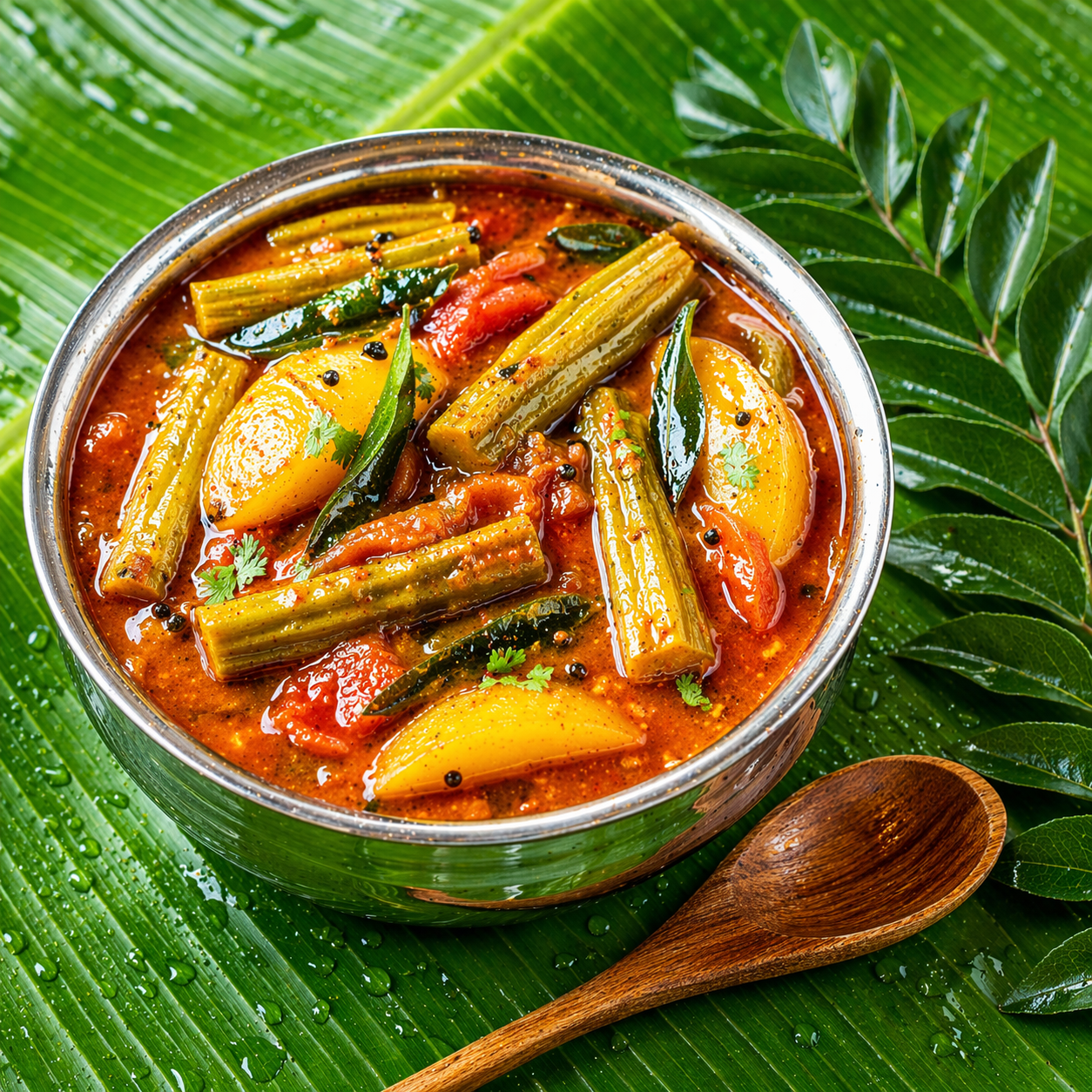
Mamidikaya Mullakkada Pulusu

intro Mamidikaya Mullakkada Pulusu Recipe brings the vibrant flavors of Andhra Pradesh straight to your dining table. This traditional stew uses seasonal raw mangoes and fresh drumsticks to create a symphony of sour and spicy notes. Furthermore, the dish is a staple in many South Indian households during the summer months. Therefore, learning this recipe allows you to enjoy a piece of authentic culinary heritage. Additionally, the preparation is simple and quick, making it perfect for busy weekdays.story The History of Mamidikaya Mullakkada Pulusu Recipe This recipe has deep roots in rural Andhra cooking. Farmers often picked fresh mangoes from orchards and combined them with backyard drumsticks. Consequently, this dish became a symbol of seasonal abundance and resourcefulness. Additionally, the recipe relies on basic pantry staples like tamarind and jaggery to balance the intense flavors. However, the true star remains the raw mango, which provides a refreshing sharpness. This stew connects generations through its timeless taste and simple preparation methods. Furthermore, it reminds people of the warmth of their grandmother’s kitchen. Therefore, many families cherish this dish as a soulful comfort food during the scorching heat.cast To prepare this dish, you will need: 1 large Raw Mango (cubed), 2 Drumsticks (cut into 2-inch pieces), 1 Onion (sliced), 2 Green Chilies (slit), 1 teaspoon Ginger-Garlic Paste, 1/2 teaspoon Turmeric Powder, 1 tablespoon Red Chili Powder, 1 teaspoon Mustard Seeds, 1 teaspoon Cumin Seeds, a pinch of Asafoetida (Hing), Fresh Curry Leaves, 2 tablespoons Oil, Salt to taste, and a small piece of Jaggery.songs First, heat oil in a heavy-bottomed pot and add mustard seeds. Once they splutter, add cumin, hing, and curry leaves. Next, add the onions and green chilies. Sauté them until the onions turn translucent. Furthermore, stir in the ginger-garlic paste and cook for a minute to remove the raw smell. Now, add the drumstick pieces and turmeric powder. Pour in two cups of water and bring it to a boil. Therefore, let the drumsticks cook until they are halfway done. At this point, add the raw mango cubes, chili powder, and salt. Cook on medium heat until the mangoes are soft but not mushy. Additionally, add the jaggery to balance the sourness. Finally, simmer for five minutes until the gravy thickens slightly and serve it hot.about Making the Best Mamidikaya Mullakkada Pulusu Recipe This stew highlights the beauty of vegetarian cooking because it uses no heavy creams or nuts. Instead, it relies on the natural juices and fibers of the vegetables. Furthermore, the combination of drumsticks and mango is nutritionally rich. While the mango provides Vitamin C, the drumsticks offer essential minerals. Consequently, this dish is as healthy as it is delicious. Moreover, the aroma of the tempering or ‘talimpu’ fills the house with a nostalgic fragrance. Therefore, it is more than just a meal; it is an experience.themes To enhance the flavor, use slightly sour mangoes rather than very sweet ones. Moreover, do not over-peel the mangoes, as the skin adds a nice texture to the gravy. Additionally, you can add a little rice flour slurry if you prefer a thicker consistency. However, the traditional version is usually thin and soupy. Therefore, adjust the water levels according to your preference. Always use fresh curry leaves for the best aroma. Furthermore, let the stew sit for thirty minutes before serving so the flavors meld together.whyWatch Why You Should Try This Mamidikaya Mullakkada Pulusu Recipe You should try this recipe because it offers a unique flavor profile that you won’t find in standard curries. Furthermore, it is very easy to prepare with minimal ingredients. If you enjoy tangy food, this stew will surely become your favorite. Additionally, it pairs perfectly with hot steamed rice and a dollop of ghee. Therefore, treat your family to this traditional delight today! Consequently, you will discover the true essence of South Indian home cooking.

Read More »

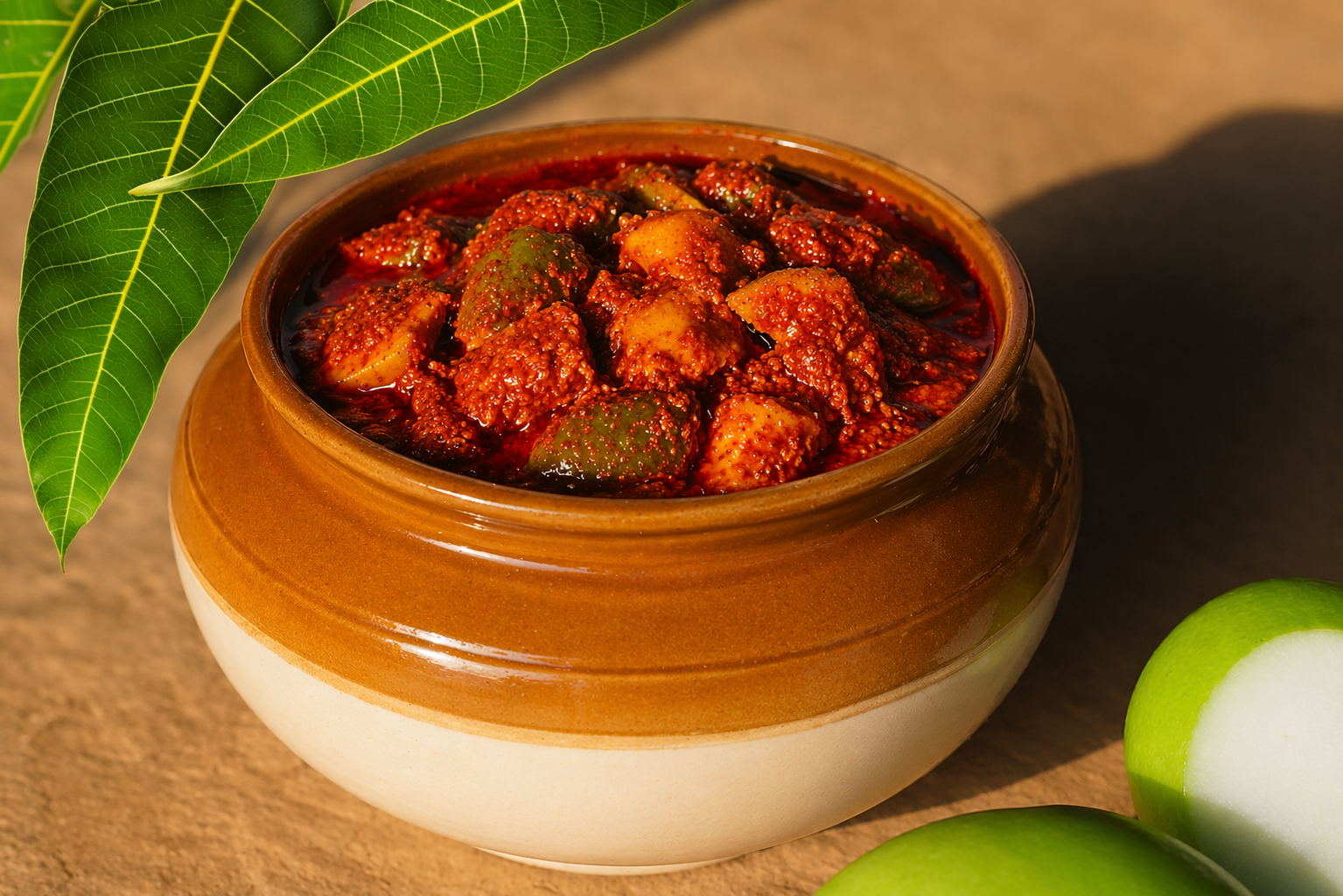
Andhra Avakaya

intro The Andhra Avakaya Recipe holds a special place in the hearts of every South Indian. This legendary pickle offers a perfect blend of spicy, tangy, and salty notes. However, making it requires precision and the right quality of ingredients. Therefore, we have simplified the process so you can enjoy this treat at home. Consequently, your meals will never be boring again when you have this jar on your table.story/description Every summer, households in Andhra Pradesh prepare for the mango season with great excitement. Furthermore, the ritual of making the Andhra Avakaya Recipe brings families together to chop, dry, and mix. Traditionally, elders choose specific sour mango varieties like ‘Suvarnarekha’ or ‘Collector’ for the best shelf life. Moreover, the aroma of freshly ground mustard seeds fills the air during this time. Similarly, the deep red color of the chili powder promises a heat that excites the palate. This pickle is not just food; it is a cultural identity that locals cherish deeply. Therefore, people often gift jars of this pickle to friends and relatives as a sign of love. Although it takes time to mature, the result is always worth the wait.cast/ingredients To start your Andhra Avakaya Recipe, gather 6 large raw, sour mangoes. Additionally, you will need 1 cup of mustard powder and 1 cup of spicy red chili powder. You must also prepare 1 cup of sea salt and 1/2 teaspoon of turmeric powder. Furthermore, take 2 cups of pure cold-pressed sesame oil for the authentic taste. Finally, include 1/4 cup of peeled garlic cloves and 1 teaspoon of fenugreek seeds for extra flavor.songs/steps Initially, wash the mangoes thoroughly and dry them with a clean cloth. Subsequently, cut the mangoes into medium-sized cubes while keeping the inner shell intact. Then, spread the pieces on a dry cloth for an hour to remove any remaining moisture. Afterward, mix the mustard powder, chili powder, salt, and turmeric in a large, dry bowl. Consequently, add the garlic cloves and fenugreek seeds to this dry mixture. Moreover, pour half of the sesame oil into the spices and stir well. Now, add the mango pieces and coat them evenly with the spice paste. Finally, transfer everything into a sterilized glass jar and pour the remaining oil on top. Therefore, you must let it rest for three days in a cool, dark place before stirring and eating.about The Andhra Avakaya Recipe represents the bold culinary heritage of the Telugu people. This pickle relies on mustard oil or sesame oil to preserve the fruit for over a year. Additionally, the high salt and spice content act as natural preservatives. Because the mangoes ferment slightly, the flavors deepen over time. Consequently, many people believe the pickle tastes better after a few months of aging.themes/tips To ensure your Andhra Avakaya Recipe stays fresh, always use a dry spoon. Furthermore, never allow moisture to enter the jar as it causes mold. If the oil level drops, you should add more heated and cooled sesame oil immediately. Moreover, choose sun-dried spices to enhance the overall aroma. In contrast, using store-bought powders might reduce the authentic pungency. Therefore, grinding your own mustard seeds is highly recommended for the best results.whyWatch/whyTry You should try this Andhra Avakaya Recipe because it transforms a simple bowl of curd rice into a feast. Additionally, it contains no artificial preservatives or chemicals. Consequently, it is a healthier alternative to commercial pickles. Moreover, the satisfaction of creating an heirloom recipe is truly unmatched. Therefore, start your pickling journey today and enjoy the spicy zing of Andhra in every bite!

Read More »

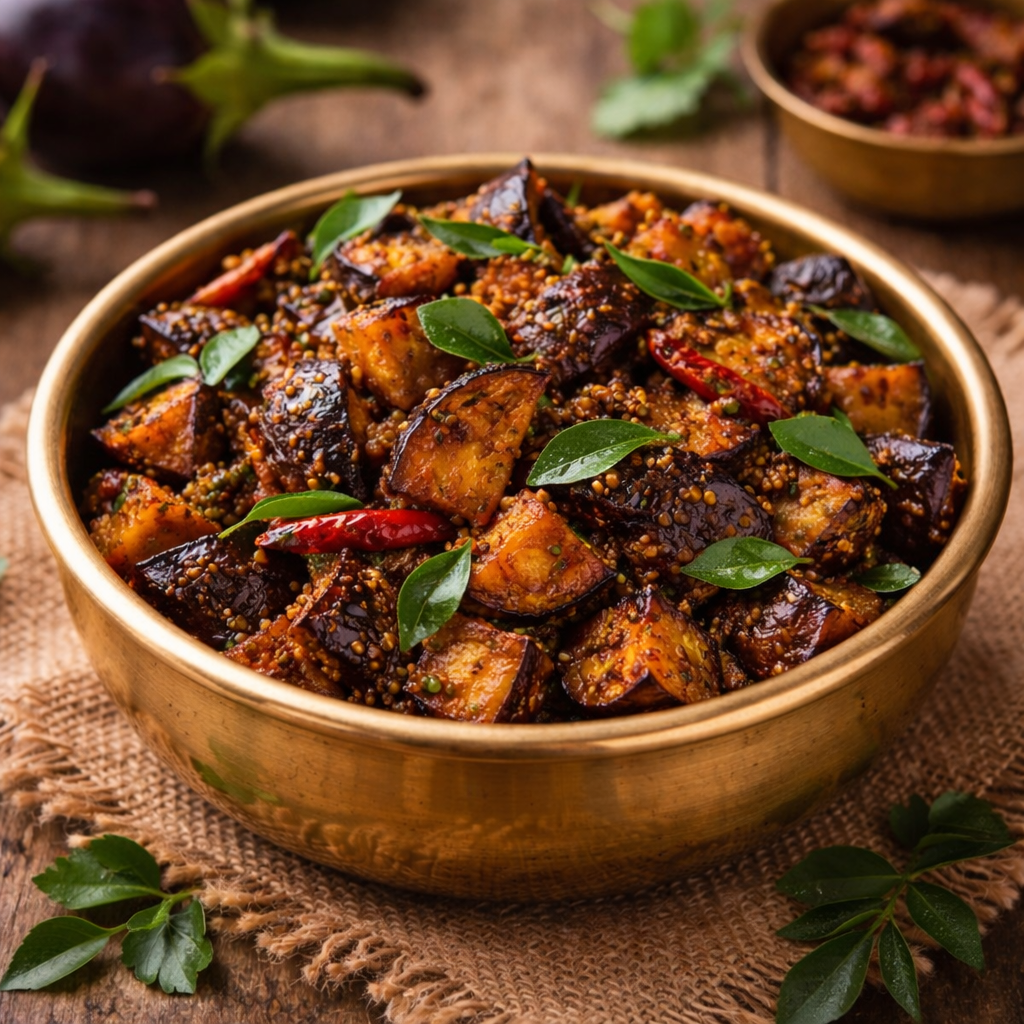
Vankaya Fry

intro Welcome to our kitchen! Today, we explore the authentic Vankaya Fry Recipe. This dish hails from South India and tastes amazing. People love it for its simple yet bold flavors. Furthermore, you can prepare it in just twenty minutes. Consequently, it is a perfect side dish for busy weekdays when you need something fast and tasty.story Brinjals, also known as eggplants, are the stars of this meal. This Vankaya Fry Recipe transforms humble vegetables into a crispy delight. Additionally, the spice mix adds a deep earthy aroma to every bite. Therefore, even people who usually dislike brinjals find this dish irresistible. Moreover, you can adjust the heat level easily to suit your own palate. It is a versatile dish that fits any meal plan.cast 250g small purple eggplants (Vankaya),2 tablespoons cooking oil,1 teaspoon mustard seeds,1 teaspoon cumin seeds,A pinch of turmeric powder,1 tablespoon red chili powder,Salt to taste,1 sprig fresh curry leaves,3 garlic cloves (crushed)songs First, wash and slice the brinjals into thin rounds or long strips.,Then, heat the oil in a wide pan over medium heat.,Next, add the mustard seeds and cumin seeds to the hot oil.,When they splutter, toss in the fresh curry leaves and crushed garlic.,Afterward, add the sliced brinjals to the pan carefully.,Sprinkle the turmeric and salt over the vegetables to enhance the color.,Stir everything well and cook on medium heat without a lid.,Once the brinjals soften, add the red chili powder for a spicy kick.,Finally, fry until they reach your desired level of crispiness.about ## Master the Vankaya Fry Recipe Today. This dish is a staple in many traditional Andhra households. It pairs beautifully with steamed rice and hot dal. However, it also works incredibly well with roti or paratha. Furthermore, it uses minimal ingredients that you already have in your pantry. Consequently, it remains a budget-friendly option for a nutritious family meal. It truly represents the comfort of home cooking.themes To get the best results, always choose tender, seedless eggplants for this dish. Use a cast-iron pan if you want extra crispiness. Additionally, do not cover the pan while frying. If you cover it, the brinjals will become mushy rather than crispy. Therefore, keep the heat consistent for even cooking across the pan. Moreover, you can add some peanut powder at the end for a nutty flavor profile.whyWatch You should try this recipe because it is incredibly fast and healthy. It provides essential nutrients like fiber and antioxidants. Moreover, the flavors are truly authentic and satisfying. Thus, it brings a genuine taste of Indian tradition to your dining table. Finally, the crispy texture and spicy aroma are absolutely addictive for kids and adults alike.

Read More »

Kanda Bachali Kura

Intro Are you looking for a traditional taste that reminds you of home? The Kanda Bachali Kura Recipe brings authentic Andhra flavors straight to your dining table. This dish combines earthy elephant foot yam with fresh Malabar spinach, creating a unique texture and flavor that food lovers truly enjoy. It is also a festive favorite, often served during weddings and special occasions for its rich and comforting taste. Let us explore how to make this classic together. Story / Description This dish holds a special place in Telugu households across South India. Traditionally, it is prepared during the auspicious Karthika Masam season, celebrating nature’s harvest. The combination of yam (Kanda) and spinach (Bachali) offers balanced nutrition, making it both wholesome and satisfying. The true highlight lies in the pungent mustard paste, which gives the curry its bold and aromatic kick. Tamarind adds a gentle tang that balances the natural bitterness of yam. Passed down through generations, this recipe represents heritage and tradition in every bite. Why Choose This Kanda Bachali Kura Recipe? You can prepare this dish easily using simple, wholesome ingredients. Properly cleaning the yam is important to avoid any itchy sensation. Fresh Malabar spinach enhances both color and nutritional value. Following traditional methods preserves the authentic taste, making the dish truly special. It pairs beautifully with hot rice and a spoon of ghee, often leaving guests asking for more. Cast / Ingredients For Tempering:2 tablespoons Oil, 1 teaspoon Mustard seeds, 1 teaspoon Urad dal, 2 Dried red chilies, Curry leaves Steps Step-by-Step Kanda Bachali Kura Recipe Guide Pressure cook the yam cubes with water and a pinch of turmeric until soft. Meanwhile, cook the chopped Malabar spinach separately until tender. Once done, drain the yam and mash it lightly. In a heavy-bottomed pan, combine the cooked spinach and mashed yam, then add tamarind pulp, salt, and jaggery. Let the mixture simmer on low heat for about five minutes so the flavors blend well. In the meantime, grind mustard seeds with green chilies to make a fresh paste. Turn off the heat and immediately mix in the mustard paste. Finally, prepare the tempering by heating oil and adding mustard seeds, urad dal, dried red chilies, and curry leaves until they splutter, then pour it over the curry and cover to lock in the aroma. About This dish is more than just a curry; it is a cultural icon of Andhra cuisine. Often called a “royal” preparation, it stands out for its layered flavors. The use of mustard paste, known as “Ava pettina kura,” is a signature Telugu cooking technique. It delivers a balanced experience of heat, tang, and mild sweetness while also being rich in fiber and nutrients. Tips Add the mustard paste only after turning off the stove to prevent bitterness. Use enough tamarind to neutralize the natural compounds in yam, ensuring a smooth eating experience. Jaggery helps balance the sharpness of mustard and enhances overall flavor. Serving it hot with steamed rice brings out its full traditional essence. Why Try This Recipe This recipe reflects the wisdom of traditional Indian cooking. The flavors are complex yet comforting, making it ideal for a family meal. It also offers a nutritious way to include greens in your diet. Preparing this dish is a great way to explore authentic regional cuisine while creating something truly satisfying.

Read More »

Ulli Karam Dosa

intro First, you will love the vibrant flavors of this Ulli Karam Dosa Recipe. It combines the crunch of a fermented crepe with a fiery onion-garlic paste. Additionally, this dish represents the heart of Andhra’s culinary heritage. Therefore, anyone who enjoys bold spices should try this at home. However, you can easily adjust the heat to suit your personal preference.story/description The term ‘Ulli’ means onion, and ‘Karam’ refers to spice or chili. This recipe originates from the coastal regions of Andhra Pradesh. People there love food that wakes up the senses. Consequently, this dosa became a local favorite in street stalls and homes alike. Furthermore, the magic lies in the red chutney spread inside the dosa. Because the onions caramelize slightly on the hot griddle, they create a sweet yet spicy profile. This Ulli Karam Dosa Recipe transforms a simple breakfast into an extraordinary feast. Moreover, the aroma of fried garlic will fill your kitchen instantly.cast/ingredients 1. Dosa batter (fermented rice and lentil mix) 2. 2 large onions (roughly chopped) 3. 6-8 dried red chilies 4. 4 cloves of garlic 5. 1 small piece of tamarind 6. Salt (to taste) 7. Oil or Ghee (for roasting) 8. 1 teaspoon of cumin seedssongs/steps 1. First, prepare the spicy paste by blending onions, red chilies, garlic, tamarind, cumin, and salt into a smooth texture. 2. Next, heat a non-stick tawa or cast-iron griddle on a medium flame. 3. Pour a ladleful of dosa batter in the center and spread it in a thin, circular motion. 4. Drizzle some oil or ghee around the edges to make it crispy. 5. Then, take a spoonful of the prepared onion-chili paste and spread it evenly over the top of the dosa. 6. Cook the dosa until the bottom turns golden brown and the edges lift easily. 7. Finally, fold the dosa and serve it hot without flipping.about ## The Secret to a Perfect Ulli Karam Dosa Recipe To achieve the best results, you must focus on the consistency of your batter. A thin batter ensures a crispy base. Additionally, the quality of the dried red chilies determines the color of the Karam paste. If you use Kashmiri chilies, you get a bright red color without too much heat. However, spicy Guntur chilies provide that authentic kick. Furthermore, you should always use fresh garlic for the best aroma. Therefore, avoid using store-bought pastes for this specific Ulli Karam Dosa Recipe.themes/tips ## Making Your Own Ulli Karam Dosa Recipe at Home Always grease your pan properly before starting. You can use a sliced onion to rub the pan for a natural non-stick surface. Additionally, do not over-blend the Karam paste into a watery liquid; it should remain thick. Because a thick paste stays on the dosa better, it prevents the crepe from becoming soggy. Furthermore, you should cook the dosa on a medium flame. If the heat is too high, the paste might burn before the dosa gets crispy. Therefore, patience is the key ingredient here.whyWatch/whyTry You should try this recipe because it offers a restaurant-quality experience in your own kitchen. Additionally, it provides a healthy dose of probiotics from the fermented batter. Since you control the ingredients, you can make it as spicy or mild as you like. Moreover, it pairs perfectly with peanut chutney or a simple bowl of sambar. Finally, this dish will certainly impress your family during weekend brunches.

Read More »

Poha Mixture

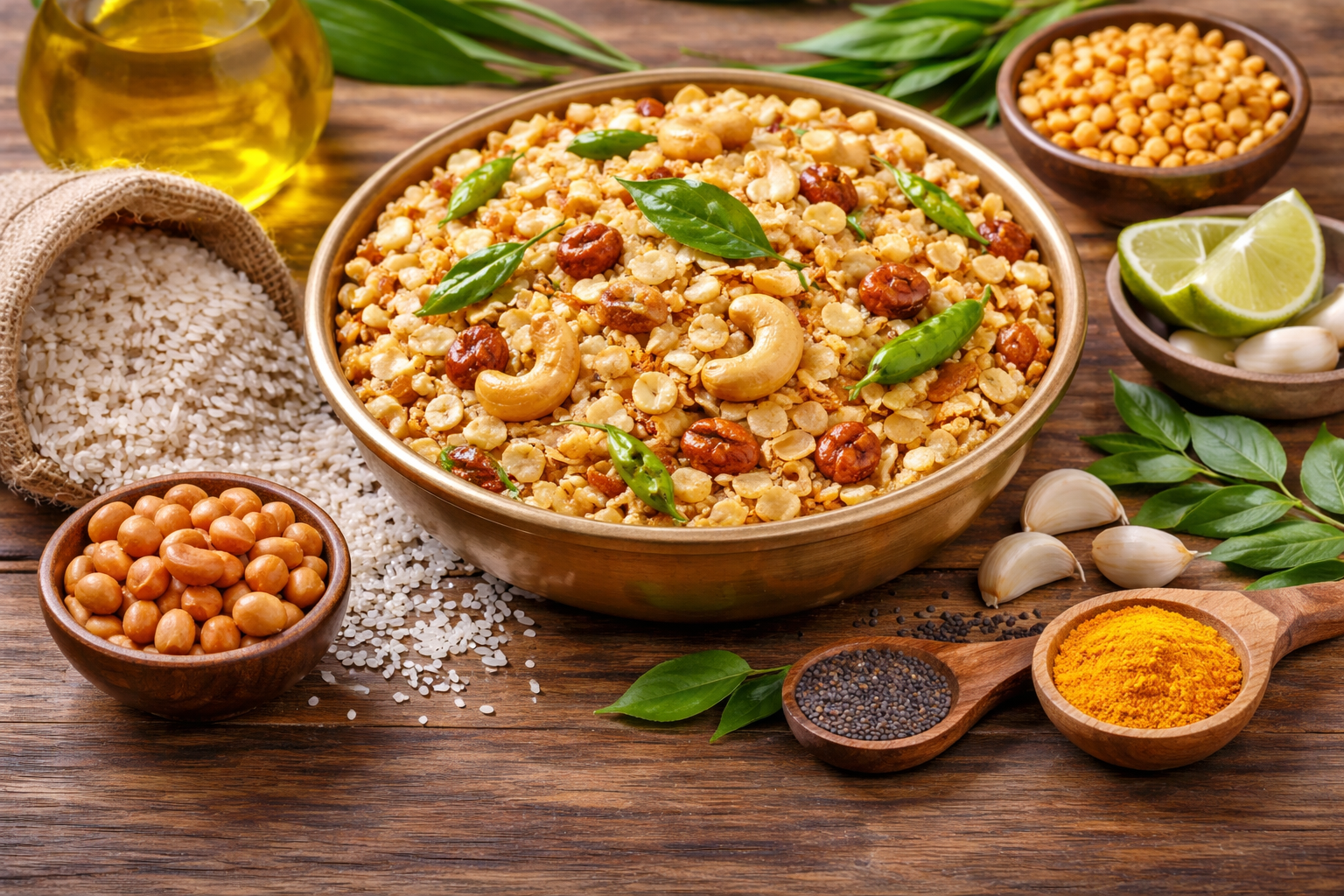
intro Searching for a quick bite? The Poha Mixture Recipe provides an amazing crunch for your tea time. Specifically, this recipe uses thin flattened rice and various nuts. Furthermore, you can prepare it in under twenty minutes. Therefore, it serves as the ultimate homemade snack for your family. Instead of buying packaged snacks, try this healthy version today. story People across India love this traditional snack deeply. Specifically, many regions call it ‘Chivda’. However, every household adds its own unique twist to the flavors. Some people prefer a sweet hint, while others like it extremely spicy. Consequently, the flavor profile varies significantly from kitchen to kitchen. Furthermore, the light texture makes it a much healthier alternative to greasy potato chips. Families often prepare large batches during festivals to share with neighbors. Moreover, the wonderful aroma of fried curry leaves brings everyone to the kitchen immediately. It represents the heart of Indian hospitality and homemade goodness.cast The Poha Mixture Recipe requires simple pantry staples. You will need thin poha (flattened rice), peanuts, and roasted gram. Additionally, gather some cashews, dry coconut slices, and fresh curry leaves for extra flavor. For the spices, prepare turmeric powder, red chili powder, and salt. Finally, ensure you have enough vegetable oil for deep frying the components to perfection.songs ## How to Master the Poha Mixture Recipe Initially, you must heat oil in a deep pan or kadai. Furthermore, fry the peanuts until they turn golden brown. Similarly, roast the roasted gram and cashews for a rich, nutty taste. Therefore, the mixture gains a delightful crunch in every single bite. After that, fry the thin poha in small batches using a metal strainer. This technique prevents the poha from burning quickly. Consequently, the poha remains light and perfectly crispy. Place the fried ingredients on a paper towel to absorb excess oil. Finally, transfer everything to a large mixing bowl. While the ingredients are still warm, add the spices. Mix them thoroughly so the turmeric and chili powder coat every flake. Your snack is now ready to serve.about ## Perfecting Your Poha Mixture Recipe This snack is essentially a savory granola. Specifically, it combines textures from nuts, seeds, and grains. Because it is homemade, you control the quality of the oil and spices. Furthermore, it is naturally gluten-free and vegan-friendly. Consequently, it suits almost every dietary preference. You can easily serve it to guests with a hot cup of masala chai or coffee. Additionally, the shelf life is quite long if you store it correctly in an airtight container.themes Always use thin poha instead of thick poha for a lighter crunch. However, you must fry it very quickly because it burns easily. Therefore, keep your strainer ready. Additionally, you can add a pinch of citric acid or lemon powder for a tangy kick. Moreover, if you enjoy a sweet and salty contrast, add a teaspoon of powdered sugar at the end. These small adjustments will elevate your snack to a professional level.whyWatch You should try this Poha Mixture Recipe because it is cost-effective and delicious. Instead of consuming preservatives, you will enjoy a fresh and crispy treat. Furthermore, the preparation process is incredibly satisfying and fast. Therefore, it is the perfect solution for sudden hunger pangs. Consequently, once you taste this homemade version, you will never go back to store-bought mixtures again. Give your family the best snack experience today!

Read More »
కావలసిన పదార్ధాలు
  • కందిపప్పు Toor Dal (Pigeon Peas) 1 cup
  • తోటకూర Amaranth Leaves (chopped) 2 cups
  • పచ్చి మామిడికాయ ముక్కలు Raw Mango Pieces 0.5 cup
  • పచ్చి మిరపకాయలు Green Chillies (slit) 4
  • పసుపు Turmeric Powder 0.5 teaspoon
  • ఉప్పు Salt 1 teaspoon
  • నూనె Oil 2 tablespoons
  • ఆవాలు Mustard Seeds 1 teaspoon
  • జీలకర్ర Cumin Seeds 1 teaspoon
  • ఇంగువ Asafoetida (Hing) 0.5 teaspoon
  • ఎండు మిరపకాయలు Dried Red Chillies 2
  • రెమ్మ కరివేపాకు Curry Leaves 1
తయారి విధానం
  1. కందిపప్పును శుభ్రంగా కడిగి ప్రెజర్ కుక్కర్‌లో వేయండి. దానికి తరిగిన తోటకూర మరియు మామిడికాయ ముక్కలను కలపండి.
    Wash the toor dal thoroughly and add it to a pressure cooker along with chopped amaranth leaves and raw mango pieces.
  2. పచ్చిమిర్చి, పసుపు మరియు రెండున్నర కప్పుల నీళ్లు పోయండి.
    Add green chillies, turmeric powder, and 2.5 cups of water.
  3. మూత పెట్టి 3 నుండి 4 విజిల్స్ వచ్చే వరకు ఉడికించండి.
    Pressure cook for 3 to 4 whistles until the dal and greens are soft.
  4. ప్రెజర్ తగ్గాక, పప్పును మెత్తగా ఎనిపి, తగినంత ఉప్పు కలపండి. అవసరమైతే కొద్దిగా వేడి నీళ్లు పోయండి.
    Once the pressure releases, mash the dal gently and add salt. Adjust consistency with hot water if needed.
  5. పోపు కోసం ఒక చిన్న బాణలిలో నూనె వేడి చేయండి.
    For the tempering, heat oil in a small pan.
  6. ఆవాలు, జీలకర్ర, ఎండు మిరపకాయలు మరియు కరివేపాకు వేసి వేయించండి.
    Add mustard seeds, cumin seeds, dried red chillies, and curry leaves.
  7. పోపు వేగాక ఇంగువ వేసి, ఈ మిశ్రమాన్ని పప్పులో కలపండి.
    When the seeds splutter, add asafoetida and pour this tempering over the mashed dal.
  8. బాగా కలిపి వేడివేడి అన్నంతో వడ్డించండి.
    Mix well and serve hot.
[real3dflipbook id='1']