Edit Template

Recipe Tag: Vegetarian

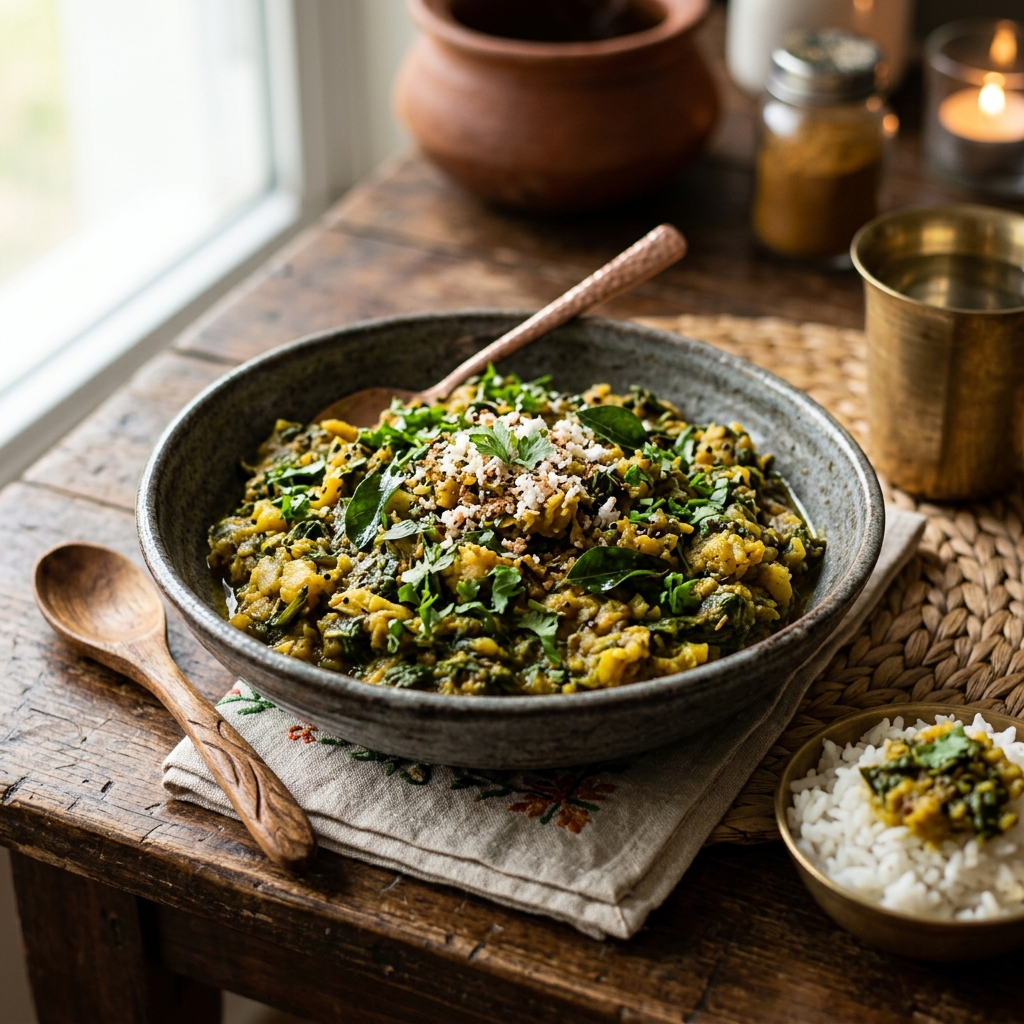
Tomato Pappu

intro Tomato Pappu Recipe is a beloved staple in many South Indian households. This comforting dish combines protein-packed lentils with juicy tomatoes to create a hearty meal. Therefore, it creates a perfect balance of earthy and tangy flavors for your dinner table. Additionally, it serves as a nutritious and filling meal for busy weeknights.story/description Every Indian home has its own unique version of lentil soup, yet this Andhra-style dal truly stands out. Many people call it the ultimate comfort food because of its simplicity and warmth. Moreover, the aroma of ghee and roasted garlic filling the kitchen is simply unforgettable. You will love how the tomatoes soften into the lentils during the cooking process. Furthermore, this recipe brings a piece of traditional Telugu culture directly to your dining table. However, you do not need any special skills to master this dish. Consequently, it has become a favorite choice for both beginners and experienced cooks alike. It reminds us that sometimes the simplest ingredients create the most profound memories.cast/ingredients 1 cup Toor Dal (Pigeon Peas), 3 large Ripe Tomatoes (chopped), 2 Green Chilies (slit), 1 teaspoon Turmeric Powder, 1 teaspoon Red Chili Powder, 1 teaspoon Salt, 2 tablespoons Ghee or Oil, 1 teaspoon Mustard Seeds, 1 teaspoon Cumin Seeds, 5 Garlic Cloves (crushed), 2 Dry Red Chilies, A handful of Curry Leaves, 1/4 teaspoon Asafoetida (Hing).songs/steps First, rinse the toor dal thoroughly under cold water to remove impurities. Place the dal, chopped tomatoes, green chilies, and turmeric in a pressure cooker. Add three cups of water and cook for four whistles until the dal becomes soft. Once the pressure releases naturally, mash the dal and tomatoes gently with a spoon. Add red chili powder and salt to the mixture while it is still warm. Heat the ghee in a small pan for the tempering process. Add mustard seeds and cumin seeds until they begin to pop. Throw in the crushed garlic, dry red chilies, curry leaves, and asafoetida once they sizzle. Pour this aromatic tempering immediately over the mashed dal. Finally, simmer the mixture for two minutes and serve it hot.about ## Why You Should Make This Tomato Pappu Recipe Today This dish uses basic pantry staples that you likely already have in your kitchen. Firstly, you must choose high-quality pigeon peas to ensure a creamy texture. Because these lentils provide a smooth base, they act as the perfect foundation for the tanginess. Secondly, the addition of fresh, ripe tomatoes introduces a refreshing acidity to the stew. Therefore, the flavor profile remains vibrant rather than flat or boring. Additionally, many people prefer adding a small touch of tamarind for extra zing. However, the tomatoes usually provide enough sourness on their own. Consequently, this Tomato Pappu Recipe remains one of the most popular ways to enjoy lentils in India.themes/tips ## Perfecting Your Homemade Tomato Pappu Always use ripe, red tomatoes to ensure the best flavor for your stew. Consequently, avoid using canned tomatoes as they lack the fresh tang required for this dish. Sautéing the garlic until it turns golden brown adds a wonderful smoky depth. Additionally, you can adjust the spice level by changing the number of green chilies you use. Therefore, this recipe is highly customizable for different palates and heat tolerances. Furthermore, adding a pinch of sugar or jaggery can balance the acidity if the tomatoes are too sour.whyWatch/whyTry You should try this recipe because it is both healthy and incredibly delicious. It offers a great source of plant-based protein for vegetarians. Furthermore, the cooking time is minimal, which makes it perfect for a fast dinner after work. However, the rich and complex taste will make it seem like you spent hours in the kitchen. Finally, it provides a warm, home-cooked feeling that store-bought meals simply cannot replicate. Serve it with hot rice and a dollop of ghee for the best experience.

Read More »

Majjiga Pulusu

intro The Majjiga Pulusu Recipe brings traditional South Indian comfort to your dining table effortlessly. Furthermore, this dish provides a refreshing relief during hot summer days because of its cooling properties. You can prepare this tangy buttermilk stew quickly for lunch or dinner. Therefore, it remains a favorite in many households across Andhra Pradesh and Telangana. Additionally, the dish uses simple pantry staples that you likely already have.story/description This dish originates from the heart of South India, where curd-based recipes are daily essentials. Consequently, every family has its own unique version passed down through generations. However, the core ingredients remain consistent across different regions. You use sour yogurt as the base to create a rich, tangy liquid. Additionally, you add vegetables like okra, bottle gourd, or drumsticks to enhance the texture. Because the dish is light on the stomach, it aids digestion perfectly after a heavy meal. Moreover, the tempering of mustard seeds and fresh curry leaves adds a wonderful aroma that fills the entire kitchen.cast/ingredients To recreate this Majjiga Pulusu Recipe, you will need 2 cups of thick sour curd (whisked) and 1 cup of water. Furthermore, gather 1/2 teaspoon of turmeric powder and salt to taste. For the vegetables, prepare 1 cup of chopped bottle gourd or okra. Additionally, prepare the tempering with 2 tablespoons of oil, 1 teaspoon of mustard seeds, 1/2 teaspoon of cumin seeds, 2 dried red chilies, a pinch of asafoetida, and a handful of fresh curry leaves. Finally, keep 2 chopped green chilies and 1 inch of grated ginger ready for extra spice.songs/steps 1. Firstly, whisk the sour curd and water in a large bowl until the mixture is completely smooth. 2. Secondly, add turmeric powder and salt to this mixture and set it aside. 3. Boil the chopped vegetables in a separate pot until they become tender but not mushy. 4. Once the vegetables are ready, pour the buttermilk mixture into the pot. 5. Heat the mixture on a very low flame while you stir it constantly to prevent curdling. 6. In a small pan, heat the oil and add mustard seeds, cumin, red chilies, and curry leaves. 7. Furthermore, add the ginger and green chilies to the tempering and sauté for thirty seconds. 8. Pour this hot tempering over the buttermilk stew and mix it gently. 9. Finally, turn off the heat immediately and serve the dish warm.about This Majjiga Pulusu Recipe is more than just a curry; it is a cultural staple in South Indian cuisine. Similarly to the North Indian Kadhi, this version focuses on lightness and tanginess rather than thickness. Many people enjoy it because it balances spicy side dishes perfectly. Furthermore, the probiotics in the curd offer significant health benefits. Therefore, it serves as a functional food that supports gut health while tasting delicious.themes/tips Follow these tips to perfect your Majjiga Pulusu Recipe every time. Firstly, always use whisked curd to avoid unsightly lumps in your stew. If you use fresh curd, the taste might feel too mild; therefore, many cooks prefer slightly sour yogurt for a better punch. Furthermore, do not boil the stew on high heat. If you overheat the liquid, the buttermilk will separate and spoil the texture. Instead, simmer it gently for the best results. Additionally, you can add a tablespoon of gram flour (besan) to the curd if you prefer a thicker consistency. Consequently, the flavor profile becomes more robust and creamy.whyWatch/whyTry You should try this dish because it is incredibly healthy and low in calories. Furthermore, the preparation takes less than twenty minutes, which is perfect for busy weeknights. Therefore, you do not need to spend hours in the kitchen to enjoy a gourmet meal. Additionally, the tangy flavor pairs beautifully with steamed rice and a side of crispy fryums or potato roast. Consequently, this Majjiga Pulusu Recipe will surely become a recurring star on your weekly menu.

Read More »

Mukkala Pulusu

intro Are you looking for a comforting meal that warms the soul? The Mukkala Pulusu Recipe provides a burst of authentic flavor in every single spoonful. Many families in Andhra Pradesh love this dish because it combines several fresh vegetables into one pot. Therefore, it is both healthy and incredibly delicious for people of all ages. Additionally, this tangy stew pairs perfectly with hot steamed rice and a dollop of ghee. You can prepare it quickly for a simple weekday lunch or a grand family gathering. Furthermore, the rich, tangy aroma will fill your kitchen instantly and make everyone hungry.story Historically, Mukkala Pulusu has been a beloved staple in many Telugu households for generations. People often serve it during festive occasions and traditional ceremonies to ensure a balanced meal. Specifically, it represents the classic ‘pulusu’ style of cooking, which highlights the importance of tamarind in South Indian cuisine. Consequently, the dish perfectly balances sharp sourness with a subtle hint of sweetness from jaggery. Moreover, home cooks traditionally use various seasonal vegetables to create this hearty and colorful meal. However, today it is a celebrated delicacy found in many authentic restaurants. Because of its great versatility, you can add any greens or root vegetables you have on hand. Thus, every bowl you cook feels unique, fresh, and deeply satisfying.cast/ingredients To begin this flavorful journey, gather these essential ingredients: 2 cups of mixed chopped vegetables (such as drumstick, pumpkin, sweet potato, and carrot), 1 large red onion, and 2 sliced green chilies. Additionally, you need a small ball of tamarind soaked in water, 2 tablespoons of jaggery, a pinch of turmeric, and salt to taste. For the tempering, prepare mustard seeds, cumin seeds, dried red chilies, fresh curry leaves, and a dash of asafoetida. Furthermore, use 2 tablespoons of high-quality oil or ghee for the best flavor profile.songs/steps First, extract the juice from the soaked tamarind and set it aside. Meanwhile, heat oil in a deep pot over medium flame. Add the tempering ingredients and wait until they splutter and release their aroma. Consequently, add the onions and green chilies to the pot. Sauté them until they turn golden and soft. Next, add all the chopped vegetables and stir them well for about two minutes. Afterward, pour in the tamarind extract along with two cups of water. Add the salt, turmeric, and jaggery to the mix. Therefore, let the mixture boil steadily on medium heat. Cook until the vegetables become tender but not mushy. Finally, garnish with fresh coriander leaves and serve it hot.about ### Why Choose the Mukkala Pulusu Recipe? This dish is much more than just a vegetable soup; it is a true nutritious powerhouse. Specifically, the wide variety of vegetables provides essential vitamins and minerals for your body. Furthermore, the tamarind acts as a natural digestive aid after a heavy meal. Moreover, the Mukkala Pulusu Recipe is very flexible and forgiving for beginner cooks. You can easily adjust the spice and tanginess levels according to your personal preference. However, the most authentic taste comes from the patient slow-simmering process of the vegetables. Thus, do not rush the boiling stage if you want the best results. Additionally, the sweetness of the jaggery perfectly cuts through the tamarind’s natural acidity, creating a harmonious taste.themes/tips To get the best possible flavor, always use fresh drumsticks as they add a distinct woody aroma to the stew. Furthermore, do not overcook the vegetables until they lose their shape and become mushy. Instead, keep them slightly firm so they retain a better texture in the mouth. Consequently, the dish will also look more appealing and vibrant on the dinner plate. Moreover, try adding a spoonful of fresh ghee right before you serve the dish. This simple addition enhances the richness of the pulusu significantly. Additionally, you can add a tiny bit of rice flour mixed with water at the end. This technique helps thicken the gravy if it looks a bit too thin for your liking.whyWatch/whyTry You should definitely try this dish because it is the ultimate comfort food for any season. It reminds many people of the warm, home-cooked meals prepared by their grandmothers. Therefore, it brings a beautiful sense of nostalgia to your dining table. Additionally, it is an excellent way to feed a variety of vegetables to children who might be picky eaters. Because the sauce has a pleasant sweet and sour taste, kids often enjoy it without any complaints. Furthermore, it is a completely vegan-friendly option that satisfies everyone at the table. Try the Mukkala Pulusu Recipe today and enjoy a genuine piece of South Indian culinary tradition.

Read More »

Chekkalu

intro Everyone loves a crunchy snack during tea time. This Chekkalu Recipe offers a perfect solution for snack enthusiasts. It brings the traditional flavors of Andhra Pradesh into your home. Therefore, you can enjoy these savory crackers whenever you desire. Furthermore, they are very easy to prepare with minimal ingredients. You can serve them to guests or pack them for long journeys.story Chekkalu, often called Pappu Chekkalu, are legendary in South Indian households. Families traditionally prepare these snacks during festive seasons like Sankranti or Diwali. Consequently, the kitchen fills with the delightful scent of curry leaves and fried dough. However, these crackers are also perfect for daily snacking. Many people love them because they offer a satisfying crunch. Additionally, the spice level is easy to adjust according to your preference. This snack connects generations through its timeless taste. Parents often pass down their unique versions of the recipe to their children.cast To begin, you will need two cups of high-quality rice flour. You also need two tablespoons of soaked chana dal and a fresh paste made from ginger and green chilies. Additionally, gather fresh curry leaves and a pinch of cumin seeds. You must include two tablespoons of butter for the right texture. Finally, keep some salt and plenty of oil ready for deep frying.songs First, take a large mixing bowl and add the rice flour. Then, incorporate the salt, cumin seeds, and butter. Rub the butter into the flour thoroughly with your fingers. Furthermore, add the soaked chana dal, chopped curry leaves, and the ginger-chili paste. Gradually pour hot water into the bowl. Therefore, you can form a smooth and firm dough that does not stick. Next, divide the dough into small, lemon-sized balls. Use a greased plastic sheet or a banana leaf to flatten each ball. Consequently, you should create thin, circular discs. Heat the oil in a deep pan. Carefully drop the discs into the hot oil. Fry them on medium heat until they become golden and crisp. Finally, drain the excess oil on paper towels and let them cool.about This Chekkalu Recipe produces a snack that is naturally gluten-free because it uses rice flour as the primary base. Moreover, it is a vegan-friendly option if you substitute butter with oil or a plant-based margarine. The snack serves as a great travel companion because it stays fresh for up to three weeks. It is popular across South India under various names, yet the core ingredients remain the same.themes Always use hot water when kneading the dough. This specific step ensures that the Chekkalu Recipe yields very crispy results every time. Additionally, ensure the oil is at the right temperature before you start frying. If the oil is too cold, the crackers will absorb too much fat and become greasy. Conversely, if the oil is too hot, the crackers will burn on the outside while remaining raw inside. Therefore, maintaining a steady medium heat is essential for the perfect texture. Moreover, pressing the discs very thin will result in a louder crunch.whyWatch You should try this recipe because it is much healthier than store-bought chips. Furthermore, it allows you to control the quality of the oil and the amount of salt used. Your family will definitely appreciate the homemade touch and the authentic taste. Therefore, grab your apron and start cooking this delicious, crunchy snack today! You will find it hard to stop at just one bite.

Read More »

Sweet Jaggery Shells

intro Experience the joy of creating a classic treat with this Sweet Jaggery Shells Recipe. This snack offers a perfect crunch that everyone loves. Moreover, it satisfies your sweet cravings instantly. Therefore, let us dive into the kitchen to make this magic happen. Additionally, the simple ingredients make it a very accessible dessert for beginners. story This snack, also known as ‘Gavvalu’, originated in the heart of South Indian homes. Traditionally, families gathered during festivals to shape these little shells by hand. Furthermore, the golden color of the fried dough signals a perfect cook. However, the real magic happens when you toss them in the warm syrup. Consequently, each bite releases a burst of deep, earthy sweetness. Additionally, you can store these treats for several weeks in an airtight jar, making them the perfect make-ahead snack for busy holidays. Ingredients 1. 2 cups All-purpose flour or Wheat flour. 2. 1/2 cup Jaggery powder. 3. 2 tablespoons Ghee. 4. A pinch of Salt. 5. Oil for deep frying. 6. 1/2 teaspoon Cardamom powder. 7. Water as needed. Process Step 1: Mix the flour, salt, and ghee in a large bowl. Step 2: Add water gradually to form a stiff dough. Step 3: Pinch small balls of dough and roll them over a shell-shaping board or a fork. Step 4: Heat oil in a pan and fry the shells until they turn golden brown. Step 5: In a separate pot, melt the jaggery with a little water to make a thick syrup. Step 6: Add cardamom powder to the syrup for extra flavor. Step 7: Toss the fried shells into the syrup and coat them thoroughly. about ### The Tradition Behind the Sweet Jaggery Shells Recipe This dish represents more than just food; it represents tradition and family love. Specifically, mothers often prepare these for their children during the holiday season. Thus, the recipe remains a cherished favorite across generations. Furthermore, the use of jaggery makes it a slightly better alternative to snacks made with refined white sugar. Additionally, the unique shell shape is not just for looks. The ridges allow the sweet syrup to sit inside perfectly. Consequently, you get a consistent flavor in every single bite. Moreover, the texture stays crispy even after the syrup dries, which is a hallmark of a well-made batch.themes Tips for Perfecting the Sweet Jaggery Shells Recipe To achieve the best results, you must use a fork or a dedicated shell board carefully. Consequently, the ridges will look professional and hold the syrup well. Moreover, always maintain a medium flame while frying the dough shells. If the oil is too hot, the inside remains raw while the outside burns. Therefore, patience is your best friend in the kitchen. Additionally, ensure the jaggery syrup reaches a ‘one-string’ consistency. Otherwise, the shells will turn soggy instead of staying crisp. If you follow these steps, you will create a snack that rivals any professional bakery. Furthermore, adding a touch of dry ginger powder to the syrup can provide a lovely warm undertone to the flavor profile. whyWatch You should try this Sweet Jaggery Shells Recipe because it uses natural sweeteners that provide a rich taste. Furthermore, it is a fun activity for the whole family to participate in. Thus, you create memories and delicious snacks simultaneously. Additionally, the ingredients are likely already sitting in your pantry. Therefore, you do not need to go on a special shopping trip to start cooking. Finally, the satisfying crunch of these shells is truly addictive!

Read More »

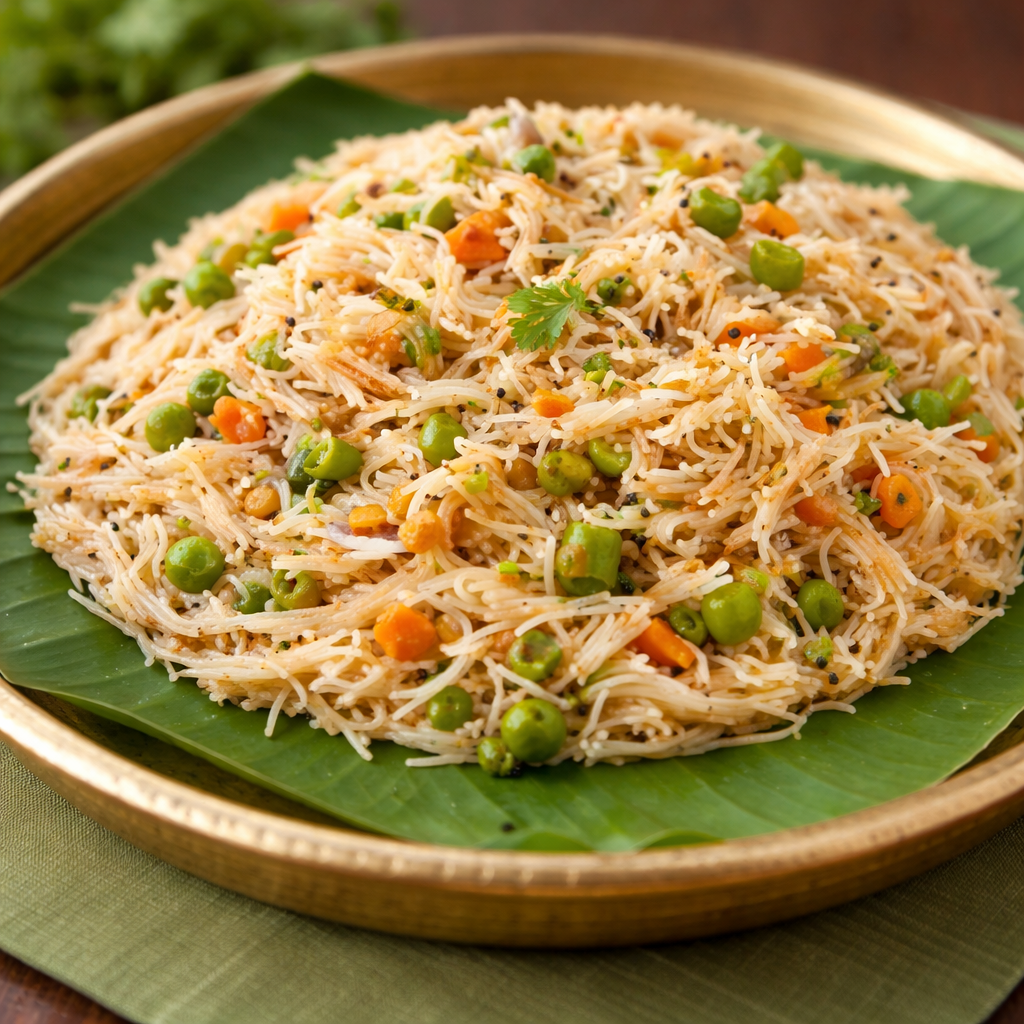
Upma

intro Upma is a classic South Indian breakfast dish that people love for its simplicity. This Upma Recipe offers a perfect balance of nutrition and taste for busy mornings. It uses roasted semolina and various fresh vegetables to create a hearty meal. Because it is light yet filling, many families enjoy it every single day.story South Indians love starting their day with this warm, comforting dish. Therefore, you will find it in almost every household from Chennai to Bangalore. People traditionally call it Rava Upma. However, many modern variations exist today. You can customize it with peas, carrots, or green beans. Additionally, the texture depends entirely on your water ratio. Consequently, a fluffy and non-sticky Upma makes everyone happy during breakfast time.cast To make this dish, you need 1 cup of semolina (rava). Additionally, gather 2.5 cups of water and 1 finely chopped onion. You also need 1 green chili, 1 teaspoon of mustard seeds, and 1 teaspoon of urad dal. For flavor, use fresh curry leaves, oil or ghee, and salt. Finally, keep some fresh coriander and lemon juice ready for the garnish.songs 1. First, roast the rava in a pan until it smells nutty and looks slightly golden. 2. Second, heat oil or ghee in a heavy-bottomed pan. 3. Add mustard seeds and urad dal until they crackle. 4. Add onions, green chilies, and curry leaves. Sauté them until the onions become soft. 5. Pour water into the pan and add salt. Bring the mixture to a rolling boil. 6. Gradually stir in the roasted rava. This prevents lumps from forming. 7. Cover the pan and cook on low heat for two minutes. 8. Finally, fluff it with a fork and serve hot.about Why this Upma Recipe Works: This Upma Recipe is famous because it is incredibly fast to prepare. For instance, you can cook the entire meal in under 20 minutes. Moreover, it provides sustained energy for your busy morning schedule. Because it uses simple pantry ingredients, you likely have everything you need already. Thus, it remains a top budget-friendly option for large families. Furthermore, the dish is easy to digest, making it suitable for children and seniors alike.themes First, always roast your semolina properly before cooking. If you skip this step, the Upma becomes sticky and thick. Second, use hot water instead of cold water for a better texture. Furthermore, adding a squeeze of fresh lemon juice adds a bright, zesty flavor. Additionally, you can add roasted cashews for a crunchy surprise. Finally, always garnish with fresh coriander to achieve a professional, restaurant-style look.whyWatch You should try this dish because it is extremely versatile. Whether you need a quick breakfast or a light dinner, it fits perfectly. Therefore, add this dish to your weekly meal plan immediately. You will certainly love the aromatic spices and the soft, melt-in-your-mouth texture. Additionally, it serves as a wonderful canvas for your favorite seasonal vegetables.

Read More »

Poori

intro Poori is a beloved fried bread that originated in the Indian subcontinent. Furthermore, this Poori Recipe helps you create light and airy rounds that melt in your mouth. Families often enjoy these golden treats during festive mornings or weekend breakfasts. Additionally, you can serve them with a variety of side dishes like spicy potato curry or sweet shrikhand. Therefore, learning this simple technique will surely impress your guests and satisfy your cravings. story For generations, Indian households have cherished the tradition of making fresh bread. Many children remember waking up to the sound of sizzling oil in the kitchen. Consequently, a hot plate of fried dough became the symbol of a happy Sunday. However, achieving that perfect, balloon-like puff requires a bit of skill. Additionally, every region has its own minor variations in flour or thickness. For instance, some cooks add a bit of semolina for extra crunch. Therefore, this bread remains a timeless staple that brings people together across different cultures. Ingredients 1. 2 cups Whole wheat flour (Atta) 2. 1 tablespoon Semolina (Suji) for a crispy texture 3. 1/2 teaspoon Salt 4. 1 teaspoon Vegetable oil for the dough 5. 3/4 cup Lukewarm water (adjust as needed) 6. Vegetable oil for deep frying. steps 1. First, combine the whole wheat flour, salt, and semolina in a large mixing bowl. 2. Add one teaspoon of oil and mix it into the flour with your fingertips. Furthermore, ensure the oil is evenly distributed. 3. Pour water gradually and begin kneading the mixture. Consequently, you will form a stiff and smooth dough. 4. However, do not add too much water at once, as the dough must remain firm. 5. Cover the dough with a damp cloth and let it rest for 15 minutes. 6. Next, divide the dough into small, lemon-sized balls. 7. Grease your rolling pin with a drop of oil to prevent sticking. Additionally, avoid using dry flour for dusting if possible. 8. Roll each ball into an even circle of medium thickness. 9. Heat the frying oil in a deep pan over medium-high heat. Therefore, check the heat by dropping a tiny piece of dough into it. 10. Carefully slide the rolled dough into the hot oil. Furthermore, gently press the top with a slotted spoon to help it puff. 11. Flip the poori once it expands and fry until it turns golden brown on both sides. about The Magic of a Perfect Poori Recipe depends entirely on the temperature of the oil and the consistency of the dough. This Poori Recipe focuses on achieving a balance between a soft interior and a slightly crisp exterior. Because it uses whole wheat flour, it provides a hearty flavor that pairs well with savory and sweet toppings. Additionally, the inclusion of semolina ensures that the bread stays puffy for a longer time after frying. Furthermore, the absence of leavening agents like yeast makes it a quick option for busy mornings.themes You should always ensure the oil is sufficiently hot before frying. If the oil is too cold, the bread will absorb excessive grease and fail to puff. Consequently, the texture will become heavy rather than light. Additionally, knead a stiff dough rather than a soft one. Furthermore, roll the dough with even pressure to avoid thin spots. However, do not rest the rolled circles for too long; instead, fry them immediately to get the best rise. Therefore, following these small details will result in professional-quality results every time.whyWatch You should try this Poori Recipe because it is incredibly rewarding and fast. Moreover, it uses simple pantry staples that you likely already have. Therefore, it is the ultimate comfort food for your family. Additionally, the process of watching the dough transform into a golden balloon is truly satisfying. Consequently, you will master a skill that brings authentic flavor to your dining table.

Read More »

Uthappam

intro Are you looking for a healthy and filling breakfast? This Uthappam Recipe offers a delicious start to your morning. Furthermore, it combines fermented batter with colorful, fresh vegetables. Consequently, you get a meal that is both nutritious and incredibly tasty for your whole family. Therefore, let us dive into this classic culinary delight.story/description Uthappam originates from the southern regions of India. Many people often describe it as the Indian version of a savory pizza. However, instead of dough, it uses a fermented lentil and rice base. Additionally, the thick pancake supports a variety of toppings like crunchy onions, juicy tomatoes, and spicy green chilies. Therefore, every single bite provides a burst of authentic flavor. Moreover, the fermentation process makes the batter very light on the stomach. Because you pan-fry it with minimal oil, it remains a top choice for health-conscious food lovers. Furthermore, the combination of a soft center and crispy edges creates a wonderful texture.cast/ingredients To prepare this dish, you will need 2 cups of fermented Idli or Dosa batter. Additionally, gather 1 large finely chopped onion and 1 medium chopped tomato. Furthermore, prepare 2 minced green chilies and 1/2 cup of fresh coriander leaves. You will also need salt to taste and oil or ghee for cooking on the griddle.songs/steps ### Mastering the Perfect Uthappam Recipe First, you must prepare your batter by whisking it gently in a bowl. Next, heat a non-stick pan or a cast-iron griddle over medium heat. Therefore, pour a large ladle of batter onto the center of the pan. However, you should not spread it too thin like a traditional dosa. Furthermore, immediately sprinkle the chopped onions, tomatoes, and chilies on top. Press the vegetable toppings lightly with a spatula so they stick to the batter. Then, drizzle a small amount of oil around the edges of the pancake. Consequently, flip the pancake over when the bottom turns a beautiful golden brown. Finally, cook the other side for one minute until the vegetables soften and caramelize slightly.about ### Benefits of this Traditional Meal Uthappam is a staple in millions of Indian households. Furthermore, it is an incredibly versatile dish for any time of the day. You can serve it for breakfast, a light lunch, or even a quick dinner. Because the batter undergoes fermentation, it contains natural probiotics. Therefore, it supports better digestion and gut health. Additionally, it provides a fantastic gluten-free option for those with specific dietary restrictions. Consequently, many people prefer it over heavy, wheat-based breads or sugary cereals. Your Uthappam Recipe will always stay exciting if you experiment with different vegetable combinations.themes/tips Always use a slightly sour batter to achieve the best flavor profile. Furthermore, ensure your griddle is hot before you pour the batter. However, you must lower the heat once the batter hits the pan to avoid burning. Additionally, you can add grated carrots or even a sprinkle of cheese for a modern twist. Therefore, you can customize this meal to satisfy everyone at the table. Consequently, consistent practice will help you get those perfectly crispy edges every single time.whyWatch/whyTry You should try this recipe because it is very quick to assemble once the batter is ready. Furthermore, it utilizes simple ingredients that you likely already have in your pantry. Therefore, you can create a restaurant-quality meal in your own kitchen. Additionally, children love the colorful appearance and the soft texture of the pancakes. Consequently, it serves as a great way to include more vegetables in a kid-friendly meal without any fuss.

Read More »

Medu Vada

intro If you love crispy South Indian snacks, you must try this Medu Vada Recipe today. Consequently, you will never need to buy them from a restaurant again. Furthermore, these savory donuts are incredibly easy to prepare at home with simple ingredients. Therefore, gather your kitchen tools and get ready for a crunchy and healthy treat.story Medu Vada is a staple breakfast item in millions of Indian households. Additionally, people enjoy it during grand festivals or as a simple tea-time snack. This dish features a soft, spongy interior and a golden, crunchy exterior. Since the batter uses black gram lentils, it provides a high amount of protein to your diet. Therefore, it is both delicious and nutritious for people of all ages. Many families share these vadas during Sunday brunch to celebrate together.cast 1 cup Urad Dal (Black Gram), 2 Green Chilies (finely chopped), 1 inch Ginger (grated), 1 pinch Hing (Asafoetida), 1 sprig Fresh Curry Leaves, Salt to taste, Oil for deep frying, 1 tablespoon Rice Flour (optional for extra crunch).songs First, soak the urad dal in water for at least four hours. Second, drain the water completely and grind the dal into a thick, smooth paste. However, use only a tiny splash of water if necessary. Third, beat the batter vigorously for five minutes to incorporate air. Fourth, add the salt, chilies, ginger, and curry leaves to the mix. Fifth, wet your palms and take a small portion of the batter. Sixth, make a hole in the center with your thumb to create a donut shape. Finally, drop the vadas into hot oil and fry them until they turn golden brown on both sides.about This dish originates from the southern regions of India but has gained immense popularity worldwide. Moreover, it pairs perfectly with hot sambar and spicy coconut chutney. Therefore, it serves as a complete and satisfying meal for breakfast or lunch. Many people also refer to it as ‘Uzhunnu Vada’ in various regional languages. Furthermore, the light texture makes it a favorite for those who enjoy savory snacks.themes ### Tips for a Perfect Medu Vada Recipe To ensure total success, you must use very little water while grinding the dal. However, if the batter becomes too thin, you can add some rice flour to thicken it instantly. Furthermore, always whisk the batter until it feels light and airy like a cloud. Thus, your vadas will float in water when you test a small drop for lightness. Consequently, they will absorb much less oil during the frying process. Additionally, keeping your hands wet prevents the batter from sticking to your skin while shaping.whyTry You should try this recipe because it uses simple pantry staples that you likely already have. Furthermore, homemade vadas are much healthier and fresher than store-bought versions. Additionally, the crunch factor is unbeatable when you eat them hot. Finally, sharing these with your family creates wonderful memories around the dining table. Therefore, do not wait any longer and start cooking this classic dish today!

Read More »

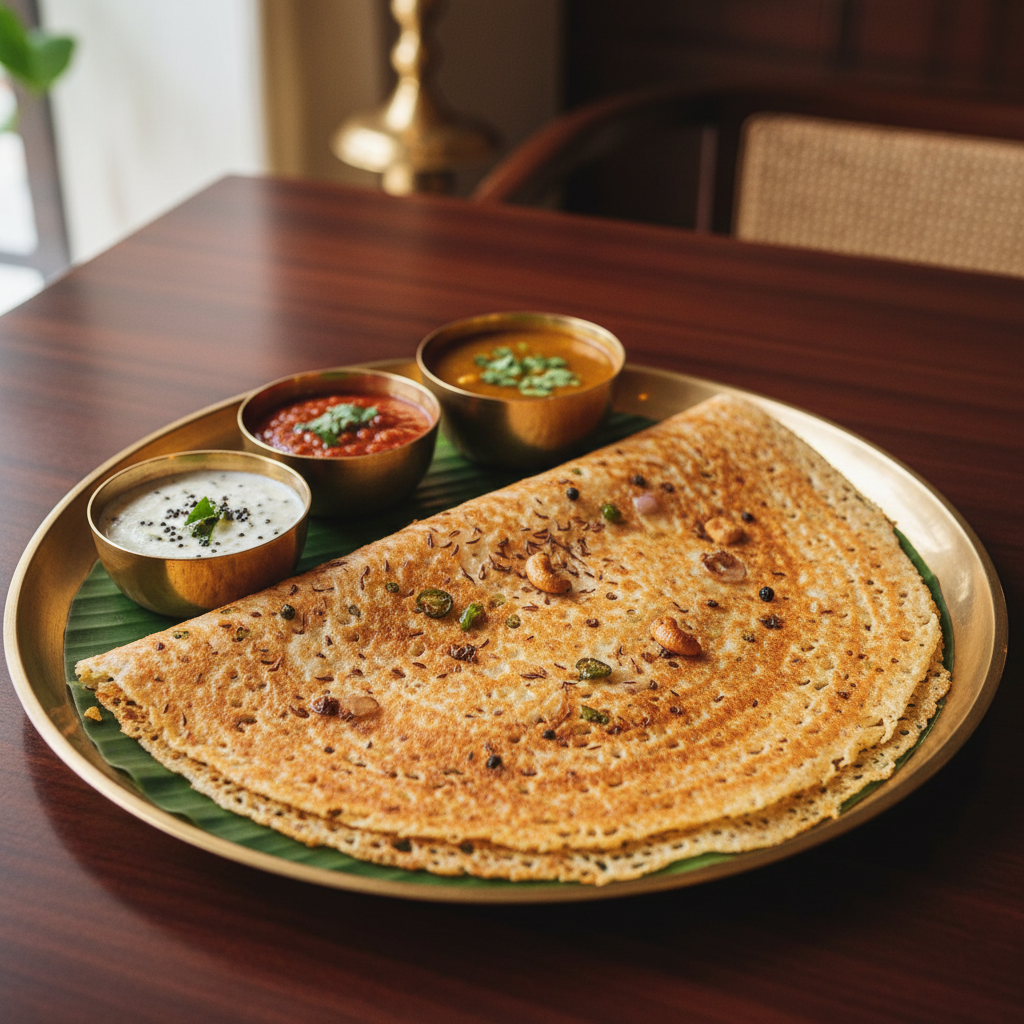
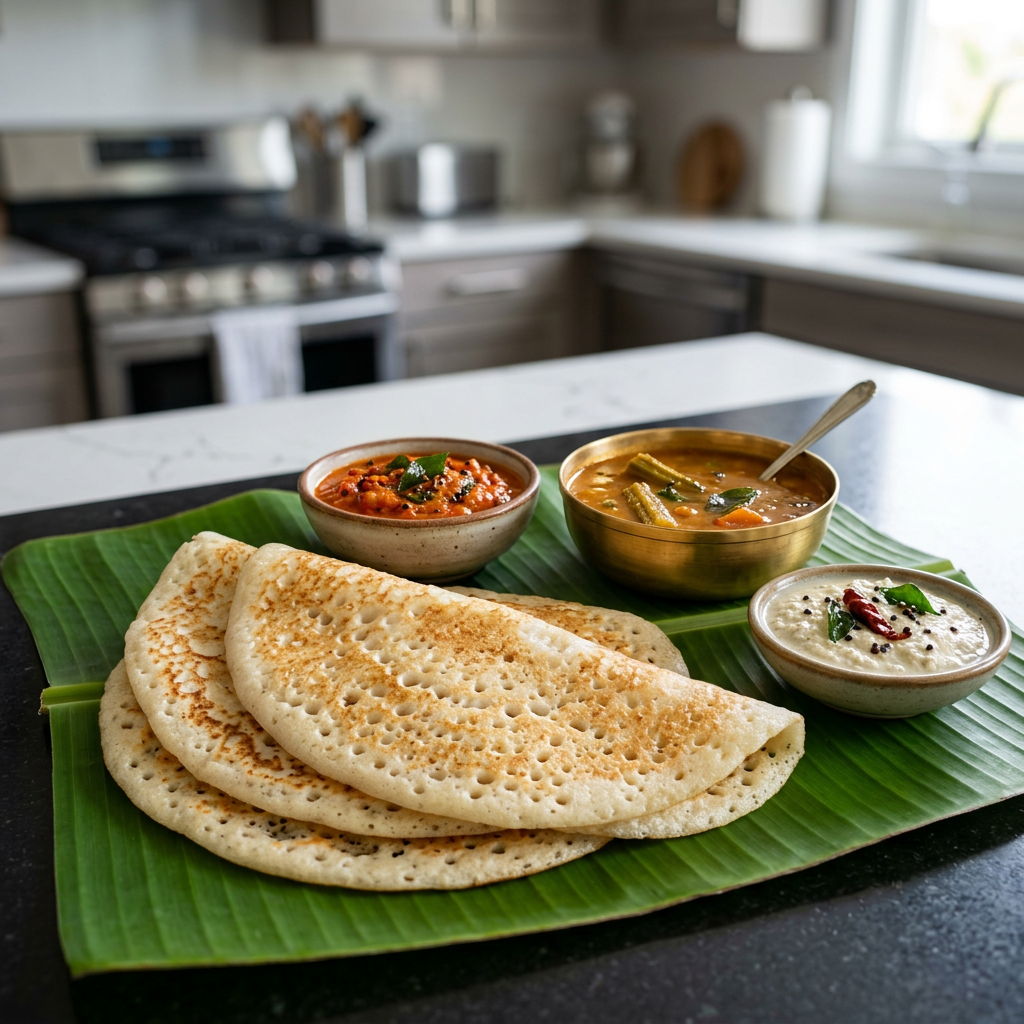
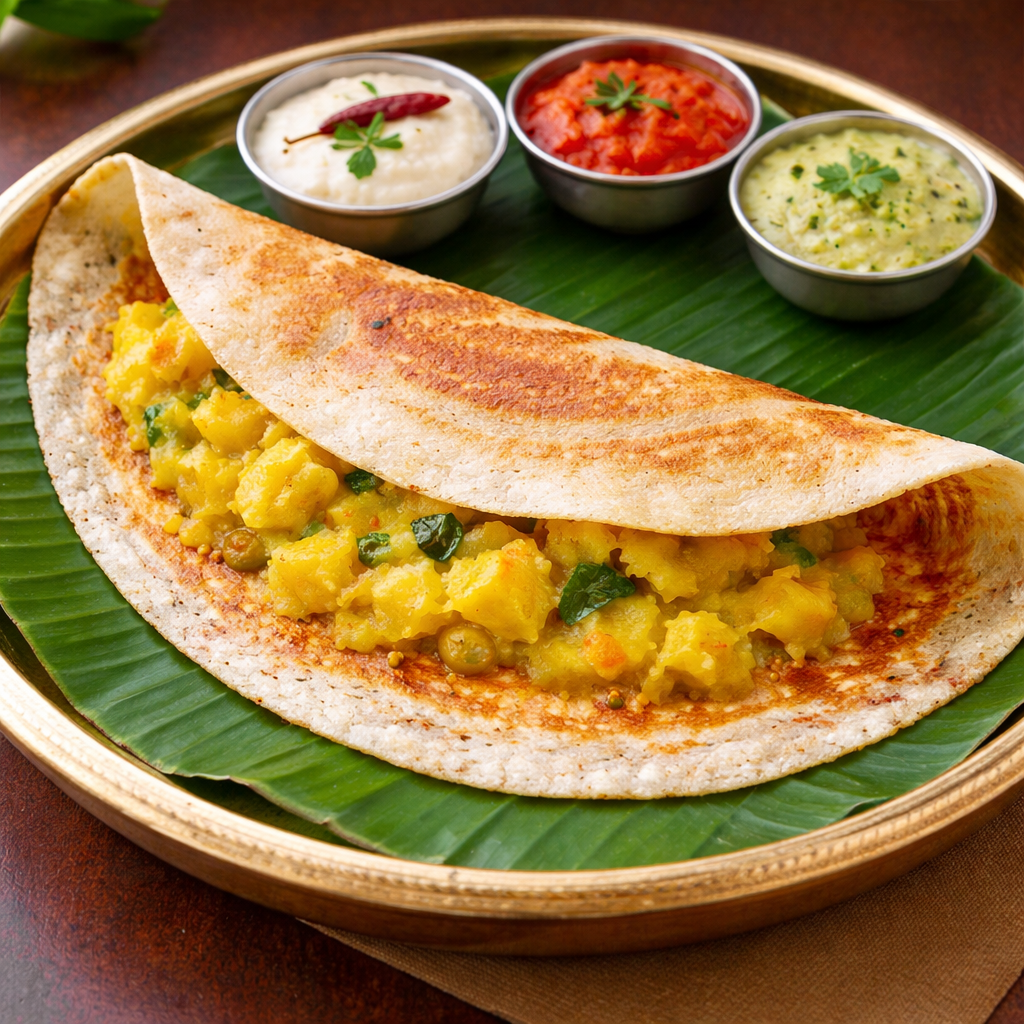
Dosa

introPeople across the globe love the classic Indian crepe. This dosa recipe brings the authentic taste of South India right into your kitchen. Anyone can master this dish with just a few simple ingredients and techniques. Prepare yourself for a delicious, crispy meal that everyone in your family will enjoy. It also provides a healthy start to your busy day. story/description Origins The history of the dosa stretches back centuries to the southern states of India. People originally created this thin pancake using fermented batter made of rice and lentils. Evolution Today, many variations include different fillings and grains. The natural fermentation process makes it very light on the stomach. Global Popularity You can find dosa in street stalls and high-end restaurants alike. It has become a global favorite for food lovers everywhere. The combination of a crunchy exterior and soft interior makes it absolutely irresistible. cast/ingredientsTo begin, gather these items: 3 cups parboiled rice, 1 cup urad dal (black gram), 1/2 teaspoon fenugreek seeds, salt to taste, water for soaking and grinding, and oil or ghee for frying. songs/steps Preparation First, wash the rice and lentils separately until the water runs clear. Then soak them in water with fenugreek seeds for at least six hours. After soaking, grind the mixture into a very smooth, thick batter. Fermentation Let the batter ferment in a warm place for about eight to ten hours until it rises. Once the batter doubles in size, add salt and mix gently. Cooking Heat a non-stick pan or a flat tawa over medium heat. Pour a ladle of batter in the center and spread it outward in a circular motion to make a thin disc. Apply a little oil around the edges and cook until it turns golden brown and crispy. Finally, fold the crepe and serve it hot with fresh coconut chutney or spicy sambar. about Cultural Significance Dosa is much more than just a meal; it is a cultural staple of India. Most people eat it for breakfast, but it also works as a great dinner option. Health Benefits It is naturally gluten-free and vegan, which suits many different diets. Health enthusiasts often choose it because it provides a good balance of carbohydrates and proteins. Variations You can also find various versions like Masala Dosa or Mysore Dosa in many cities. themes/tips Heat Control To get a very crispy texture, keep your pan at the right temperature. If the pan gets too hot, the batter will not spread easily. If it stays too cold, the dosa will stick to the surface. Equipment and Texture Use a well-seasoned cast-iron skillet for the most authentic results. Add a pinch of sugar to the batter to achieve a beautiful golden color. Keep your heat consistent throughout the cooking process for the best outcome. whyWatch/whyTry Taste and Flexibility Try this recipe because it offers a unique combination of crunch and tanginess. It also lets you experiment with various fillings like spiced potatoes, cheese, or vegetables. Practical Benefits Making this dish at home saves money and ensures the use of high-quality ingredients. The satisfaction of flipping a perfect, thin crepe feels truly rewarding. It also gives you a fun way to introduce your family to international flavors.

Read More »
కావలసిన పదార్ధాలు
  • కందిపప్పు Toor Dal (Pigeon Peas) 1 cup
  • టొమాటోలు Tomatoes (Chopped) 3 large
  • 4 పచ్చిమిర్చి Green Chillies (Slit)
  • 1/2 teaspoon పసుపు Turmeric Powder
  • 1 teaspoon కారం Red Chilli Powder
  • 1 small marble sized చింతపండు Tamarind
  • To taste ఉప్పు Salt
  • 2.5 cups నీళ్లు Water
  • 2 teaspoons నూనె Oil
  • 1 teaspoon నెయ్యి Ghee
  • 1/2 teaspoon ఆవాలు Mustard Seeds
  • 1/2 teaspoon జీలకర్ర Cumin Seeds
  • 5 వెల్లుల్లి రెబ్బలు Garlic Cloves (Crushed)
  • 2 ఎండుమిర్చి Dried Red Chillies
  • 1 sprig కరివేపాకు Curry Leaves
  • 1/4 teaspoon ఇంగువ Asafoetida
తయారి విధానం
  1. కందిపప్పును శుభ్రంగా కడిగి ప్రెజర్ కుక్కర్‌లో వేయండి. అందులో తరిగిన టొమాటో ముక్కలు, ఉల్లిపాయ ముక్కలు, పచ్చిమిర్చి, పసుపు మరియు నీళ్లు పోయండి.
    Wash the toor dal thoroughly under running water and add it to a pressure cooker.
  2. కుక్కర్ మూత పెట్టి మూడు నుండి నాలుగు విజిల్స్ వచ్చే వరకు ఉడికించాలి.
    Pressure cook for 3 to 4 whistles until the dal and vegetables are soft and mushy.
  3. ప్రెజర్ తగ్గాక మూత తీసి, అందులో ఉప్పు, కారం మరియు చింతపండు వేసి పప్పు గుత్తితో మెత్తగా ఎనపాలి.
    Once the pressure is naturally released, open the lid and add salt, red chilli powder, and the small piece of tamarind.
  4. పోపు కోసం ఒక చిన్న పాన్‌లో నూనె మరియు నెయ్యి వేసి వేడి చేయండి. ఆవాలు, జీలకర్ర వేసి చిటపటలాడనివ్వండి. తర్వాత దంచిన వెల్లుల్లి, ఎండుమిర్చి, కరివేపాకు మరియు ఇంగువ వేసి వేయించాలి.
    Mash the dal mixture gently using a wooden masher (Pappu Gutti) or a heavy spoon. For the tempering, heat oil and ghee in a small pan over medium heat. Add mustard seeds and let them splutter, then add the cumin seeds.
  5. ఈ పోపును సిద్ధం చేసుకున్న పప్పులో కలిపి ఒక నిమిషం పాటు ఉడికించి దించేయండి. Add crushed garlic cloves, dried red chillies, and curry leaves; sauté until the garlic turns golden brown.
    Add crushed garlic cloves, dried red chillies, and curry leaves; sauté until the garlic turns golden brown.
[real3dflipbook id='1']