Edit Template

Recipe Tag: Vegetarian

Cabbage Senagapappu Kura

intro Many people love traditional South Indian dishes because they provide great nutrition and fantastic flavors. Therefore, you should learn how to make the Cabbage Senagapappu Kura Recipe at home. This dish combines the mild sweetness of shredded cabbage with the nutty bite of chana dal. Furthermore, it serves as a perfect side dish for rice or rotis. Consequently, it has become a staple in many Telugu households. Since it requires minimal oil, health enthusiasts often choose this dish for their daily meals. Additionally, the aromatic tempering elevates the simple ingredients to a gourmet level. However, you must follow the correct steps to ensure the lentils remain firm yet cooked.story The Cabbage Senagapappu Kura Recipe originates from the vibrant culinary landscape of Andhra Pradesh. Specifically, it reflects the region’s love for dry curries that balance textures. Historically, families prepared this stir-fry during busy weekdays because it is quick and efficient. Additionally, mothers often packed this in lunch boxes since it does not spill and stays fresh for hours. While cabbage is often viewed as a humble vegetable, this preparation makes it a star. Furthermore, the addition of Bengal gram (senagapappu) adds a protein boost to the vegetarian diet. Consequently, the dish provides a complete nutritional profile for growing children. Therefore, it remains a beloved recipe passed down through generations. However, modern variations might include coconut, but the traditional version stays true to its earthy roots.cast 1. 2 cups finely shredded cabbage. 2. 1/2 cup chana dal (soaked for 30 minutes). 3. 2 tablespoons of vegetable oil. 4. 1 teaspoon of mustard seeds. 5. 1 teaspoon of cumin seeds. 6. 2 dried red chilies. 7. 1 sprig of fresh curry leaves. 8. 1/4 teaspoon of turmeric powder. 9. Salt to taste. 10. 2 green chilies, slit lengthwise. 11. A pinch of asafoetida (hing). 12. Fresh coriander for garnish.songs First, soak the chana dal in warm water for at least 30 minutes. Consequently, the lentils will cook faster while maintaining their shape. Second, heat the oil in a heavy-bottomed pan. Third, add the mustard seeds, cumin seeds, and dried red chilies. When the seeds splatter, add the curry leaves and asafoetida. Furthermore, add the soaked chana dal and sauté for three minutes on medium heat. Fourth, mix in the shredded cabbage and green chilies. Additionally, sprinkle the turmeric powder and salt over the mixture. Cover the pan with a lid and cook on low heat for ten minutes. Because cabbage releases its own moisture, you do not need to add extra water. However, you should stir the mixture occasionally to prevent sticking. Finally, remove the lid and fry for another two minutes. Consequently, any excess moisture will evaporate, leaving a perfect stir-fry. Garnish with coriander and serve hot.about This section explains why the Cabbage Senagapappu Kura Recipe is so special. Specifically, the dish highlights the ‘Vepudu’ style of cooking, which focuses on sautéing vegetables until they are tender yet crisp. Additionally, the use of turmeric provides a beautiful golden hue and anti-inflammatory benefits. Since the recipe uses whole spices in the tempering, the oil absorbs deep flavors. Furthermore, the cabbage retains its fiber content because we do not overcook it. Therefore, this dish helps in digestion and provides essential vitamins. Similarly, the lentils offer a satisfying crunch that contrasts with the soft cabbage. Consequently, even children who usually dislike cabbage will enjoy this version. Because it is naturally vegan and gluten-free, it caters to various dietary needs. However, you must ensure the dal is not mushy to maintain the authentic texture.themes 1. Always soak the chana dal because it ensures even cooking. 2. Shred the cabbage finely so it cooks at the same rate as the lentils. 3. Use a cast-iron skillet if possible; therefore, you will achieve a better sear on the vegetables. 4. Do not skip the asafoetida because it aids digestion of the pulses. 5. Add a squeeze of lemon juice at the end if you prefer a tangy twist. 6. Similarly, adding grated coconut can enhance the sweetness of the dish. 7. Keep the flame low while the lid is on; consequently, the cabbage will steam in its own juices. 8. Use fresh curry leaves for the best aroma.whyWatch You should try this Cabbage Senagapappu Kura Recipe because it is incredibly easy to master. Furthermore, it transforms basic ingredients into a nutritious masterpiece within twenty minutes. Since it pairs beautifully with steaming hot rice and ghee, it offers a comforting meal experience. Additionally, it is an excellent way to include more greens in your diet without sacrificing taste. Therefore, if you want a quick, healthy, and authentic Indian stir-fry, this recipe is your best choice. Try it today and enjoy the crunch!

Read More »

Creamy Mango Pudding

intro If you want a refreshing treat, this Creamy Mango Pudding Recipe is your best choice. It offers the perfect balance of sweetness and smooth texture. Furthermore, it is very simple to make at home with basic tools. Consequently, you will love serving this to your family on hot summer days. Therefore, gather your ingredients and prepare for a tropical delight.story Mangoes are widely known as the king of fruits. However, finding the right way to serve them can sometimes be tricky. Therefore, we created this guide to help you master the art of fruit desserts. This pudding captures the essence of summer in every bite. Additionally, it uses minimal ingredients to keep the flavor pure. Because of this simplicity, it remains a favorite for many home cooks around the world. Similarly, children adore the vibrant orange color and the velvet-like mouthfeel. Moreover, you can prepare this ahead of time for any party.cast 2 large ripe mangoes (peeled and cubed),1 cup whole milk,1/2 cup heavy cream,1/4 cup granulated sugar,1 tablespoon gelatin powder or agar-agar,3 tablespoons warm water,Fresh mint leaves for garnishsongs First, blend the mango cubes into a smooth puree using a high-speed blender. Additionally, strain the pulp to remove any fibers.,Second, mix the gelatin with warm water in a small bowl. Therefore, it will bloom and dissolve properly.,Third, combine the milk, heavy cream, and sugar in a saucepan over medium heat. However, do not let the mixture boil.,Next, stir the bloomed gelatin into the warm milk mixture until it disappears completely. Furthermore, ensure no lumps remain.,Then, whisk the mango puree into the cream mixture slowly. Consequently, the color will turn into a beautiful bright yellow.,Finally, pour the liquid into individual glass bowls. Place them in the refrigerator for at least four hours. Moreover, you should let them set overnight for the best results.about Making a Masterpiece with the Creamy Mango Pudding Recipe. This section explains why the texture is so important for a good dessert. First, always choose the ripest mangoes you can find. Consequently, the natural sugars will reduce the need for extra sweeteners. Furthermore, the fat content in the heavy cream provides that signature silkiness. However, you can substitute coconut milk for a vegan twist. Therefore, this recipe is quite versatile for different dietary needs. Additionally, the chilling process allows the flavors to meld together perfectly. Thus, patience is the most important ingredient in this process.themes Always use room temperature mangoes for easier blending. Therefore, the puree remains smooth.,If the pudding is too soft, add a bit more gelatin next time. However, do not add too much or it becomes rubbery.,Furthermore, you can add diced mango pieces at the bottom of the bowl for a surprise texture.,Store the pudding in an airtight container. Consequently, it will stay fresh for up to three days.,Garnish with mint or berries right before serving. Similarly, a splash of lime juice can enhance the tropical notes.whyWatch You should try this Creamy Mango Pudding Recipe because it is incredibly cooling and delicious. Furthermore, it requires no baking and minimal effort. Therefore, it is the ideal solution for busy weeknights. Additionally, the vibrant look makes it look like a gourmet dish. Consequently, your guests will be very impressed by your culinary skills. Finally, it uses fresh fruit which provides a boost of vitamins. Because it is so easy, you can even make it with your kids for a fun afternoon activity.

Read More »

Cabbage Pachadi

intro Welcome to a world of vibrant flavors! The Cabbage Pachadi Recipe offers a unique twist on traditional Indian chutneys. Furthermore, it turns a simple, humble vegetable into a gourmet side dish. Therefore, you should try this recipe if you want to elevate your lunch. It balances spice, tang, and crunch perfectly. Additionally, it requires very little effort to prepare at home.story/description Many people find cabbage boring or bland in standard stir-fries. However, this recipe changes that perception entirely. In South Indian homes, families prepare this dish to add zing to their meals. Consequently, it brings warmth and excitement to every plate. The texture remains slightly crunchy while the spices add incredible depth. Thus, it satisfies even the pickiest eaters. Furthermore, the aroma of roasting lentils will fill your kitchen with joy. This dish is not just food; it is a celebration of simple ingredients.cast/ingredients To begin your Cabbage Pachadi Recipe, gather these items: – 2 cups finely chopped fresh cabbage – 2 tablespoons cooking oil – 3-4 dried red chilies for heat – 1 teaspoon mustard seeds – 1 teaspoon urad dal (split black gram) – A small piece of tamarind for tanginess – Salt to taste – Fresh curry leaves for aroma – A pinch of hing (asafoetida)songs/steps How to Master the Cabbage Pachadi Recipe Steps: First, heat one tablespoon of oil in a pan. Furthermore, add the dried red chilies and urad dal. Sauté these until the dal turns golden brown. Consequently, the nutty aroma will signal it is ready. Next, add the chopped cabbage to the pan. However, do not overcook the vegetable. Therefore, sauté it for only three to four minutes to keep it crunchy. Additionally, add the tamarind piece and salt now. Let the mixture cool down completely. Once cooled, grind it into a coarse paste. Finally, prepare a quick tempering. Heat the remaining oil and add mustard seeds, curry leaves, and hing. Pour this over your chutney. Therefore, your dish is now ready to serve!about This dish originates from the southern states of India, specifically Andhra Pradesh and Tamil Nadu. Moreover, it is a staple in traditional thali meals. It pairs perfectly with hot steamed rice and a dollop of ghee. Therefore, it serves as a comfort food for many. Furthermore, the combination of fermented flavors and fresh produce makes it a nutritional powerhouse. It proves that healthy food can also be delicious.themes/tips Use fresh, firm cabbage for the best results. Moreover, adjust the number of red chilies based on your spice tolerance. Additionally, you can add a small piece of jaggery to balance the tamarind. Consequently, the flavors will become more complex and rounded. Therefore, do not be afraid to experiment with the ratios. Furthermore, always use fresh curry leaves for the most authentic fragrance.whyWatch/whyTry You should try this Cabbage Pachadi Recipe because it is incredibly healthy. It is packed with fiber and essential vitamins. Furthermore, the entire process takes less than twenty minutes. Consequently, it is the perfect solution for busy weeknight dinners. Additionally, it introduces a variety of textures to your diet. Therefore, add this recipe to your weekly menu and impress your family with your culinary skills today!

Read More »

Palak Rice

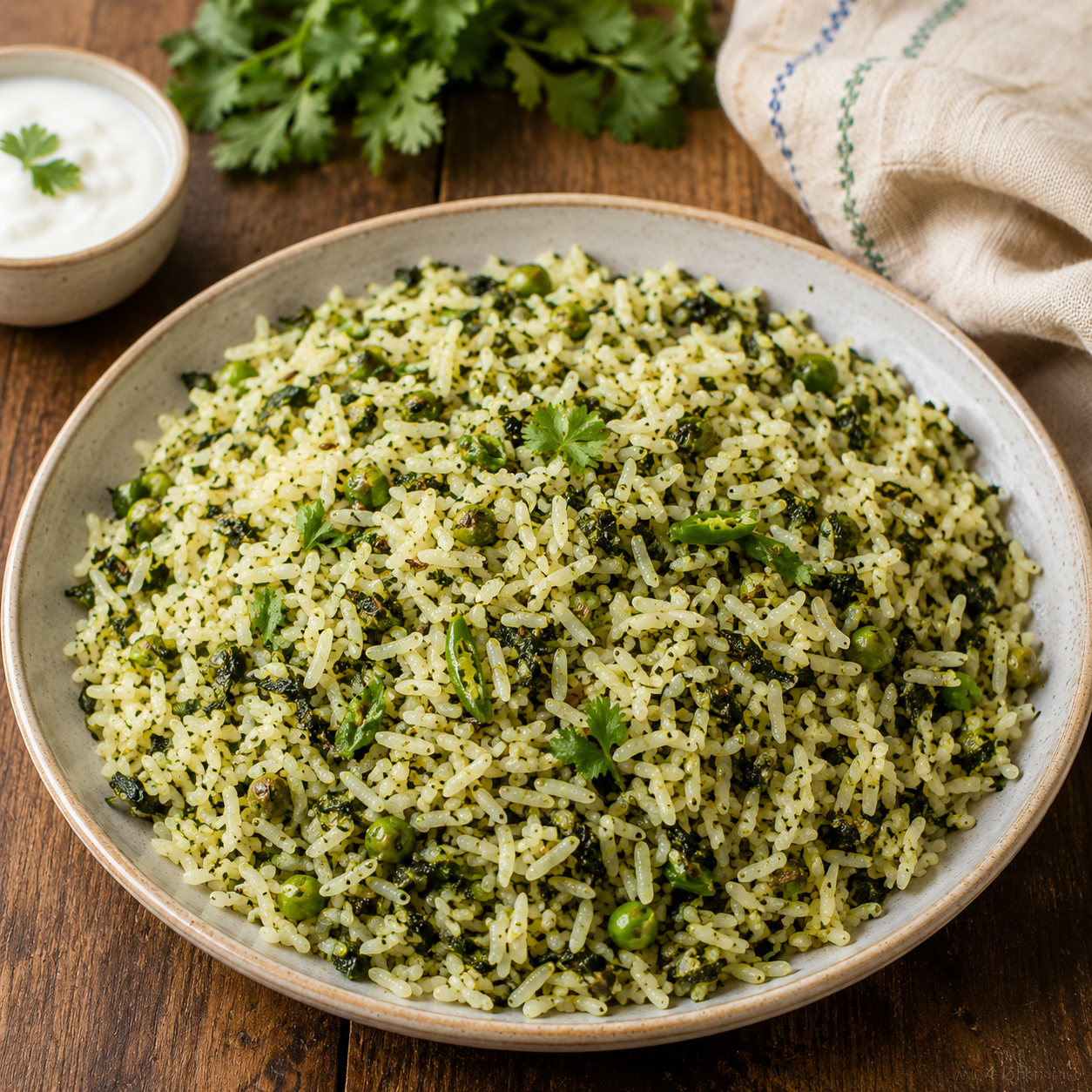
intro Are you looking for a vibrant meal that packs a punch? This Palak Rice Recipe offers a perfect blend of health and taste. Furthermore, you can prepare it in under thirty minutes. Many people struggle with healthy eating daily. However, this dish makes nutrition simple and delicious. Therefore, you should definitely add it to your weekly rotation. story This Palak Rice Recipe celebrates the heart of Indian home cooking. It brings the freshness of the garden directly to your dinner table. Specifically, the recipe uses vibrant spinach leaves to create a nutritious base. Because spinach contains high levels of iron, this meal provides a natural energy boost. Additionally, the aromatic spices elevate the flavor to a professional level. ### Why Choose This Palak Rice Recipe? You will love how the earthy spinach pairs with fluffy basmati rice. Moreover, the bright green color appeals to children who might usually avoid greens. Consequently, you can serve a healthy meal without any complaints. Although some people find spinach bitter, the addition of garlic and onions balances the taste perfectly. Therefore, every spoonful offers a harmonious blend of savory and spicy notes. Furthermore, this dish remains highly versatile. You can serve it as a main course or a side dish for a larger feast. Similarly, it works wonders as a quick lunch box option. Because it tastes great even when cold, busy professionals often choose it for work meals. Consequently, this recipe has become a staple in many households across the globe. Ingredients 2 cups fresh spinach leaves, 1 cup basmati rice, 1 large onion (sliced), 2 cloves of garlic (minced), 1 inch ginger (grated), 2 green chilies, 1 teaspoon cumin seeds, 2 cloves, 1 small cinnamon stick, 2 tablespoons oil or ghee, salt to taste.songs First, wash the basmati rice and soak it for twenty minutes. Meanwhile, blanch the spinach in boiling water for two minutes. Next, blend the blanched spinach with green chilies to make a smooth puree. Then, heat oil in a large pan and add the cumin, cloves, and cinnamon. Consequently, the spices will release a wonderful aroma. Add the onions, ginger, and garlic to the pan and sauté until golden brown. ### Mastering the Best Palak Rice Recipe Next, pour the spinach puree into the pan. Stir it well and cook for three minutes. Additionally, add the soaked rice and mix gently to coat every grain. Then, add two cups of water and salt. Cover the pan and simmer on low heat until the rice absorbs all the water. Consequently, the rice will become fluffy and fragrant. Finally, turn off the heat and let it rest for five minutes before serving. Similarly, you can fluff the rice with a fork to maintain its texture. about Palak rice, also known as spinach rice, is a classic one-pot meal. It is a favorite in many Indian states because it is both light and filling. Therefore, it suits a variety of dietary needs. Moreover, it is naturally gluten-free and can be made vegan by using oil instead of ghee. Consequently, it is a safe and healthy choice for almost everyone at your table. Use fresh spinach for the best color. Additionally, do not overcook the rice, or it will become mushy. You can also add sweet corn or paneer cubes to enhance the texture. Furthermore, always wash the rice thoroughly to remove excess starch. Consequently, your grains will stay separate and beautiful. Finally, a squeeze of lemon juice right before serving adds a refreshing zing.whyWatch/whyTry You should try this recipe because it simplifies healthy eating. Furthermore, it saves time on busy weeknights. Because it requires minimal cleanup, you can enjoy your evening more. Consequently, this dish proves that fast food can be healthy and homemade. Therefore, grab your apron and start cooking this delicious meal today!

Read More »

Vankaya Fry

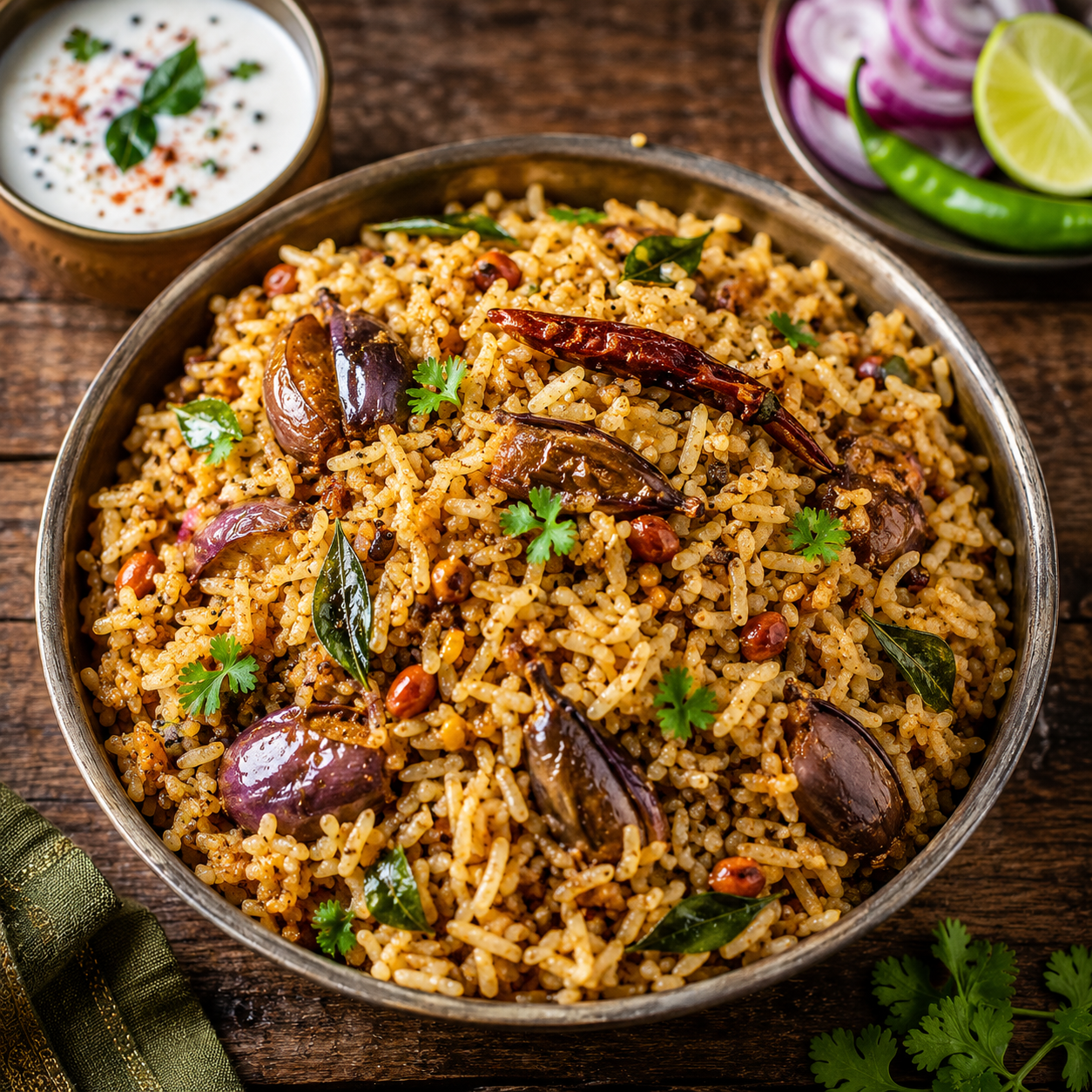
intro Welcome to our kitchen! Today, we explore the authentic Vankaya Fry Recipe. This dish hails from South India and tastes amazing. People love it for its simple yet bold flavors. Furthermore, you can prepare it in just twenty minutes. Consequently, it is a perfect side dish for busy weekdays when you need something fast and tasty.story Brinjals, also known as eggplants, are the stars of this meal. This Vankaya Fry Recipe transforms humble vegetables into a crispy delight. Additionally, the spice mix adds a deep earthy aroma to every bite. Therefore, even people who usually dislike brinjals find this dish irresistible. Moreover, you can adjust the heat level easily to suit your own palate. It is a versatile dish that fits any meal plan.cast 250g small purple eggplants (Vankaya),2 tablespoons cooking oil,1 teaspoon mustard seeds,1 teaspoon cumin seeds,A pinch of turmeric powder,1 tablespoon red chili powder,Salt to taste,1 sprig fresh curry leaves,3 garlic cloves (crushed)songs First, wash and slice the brinjals into thin rounds or long strips.,Then, heat the oil in a wide pan over medium heat.,Next, add the mustard seeds and cumin seeds to the hot oil.,When they splutter, toss in the fresh curry leaves and crushed garlic.,Afterward, add the sliced brinjals to the pan carefully.,Sprinkle the turmeric and salt over the vegetables to enhance the color.,Stir everything well and cook on medium heat without a lid.,Once the brinjals soften, add the red chili powder for a spicy kick.,Finally, fry until they reach your desired level of crispiness.about ## Master the Vankaya Fry Recipe Today. This dish is a staple in many traditional Andhra households. It pairs beautifully with steamed rice and hot dal. However, it also works incredibly well with roti or paratha. Furthermore, it uses minimal ingredients that you already have in your pantry. Consequently, it remains a budget-friendly option for a nutritious family meal. It truly represents the comfort of home cooking.themes To get the best results, always choose tender, seedless eggplants for this dish. Use a cast-iron pan if you want extra crispiness. Additionally, do not cover the pan while frying. If you cover it, the brinjals will become mushy rather than crispy. Therefore, keep the heat consistent for even cooking across the pan. Moreover, you can add some peanut powder at the end for a nutty flavor profile.whyWatch You should try this recipe because it is incredibly fast and healthy. It provides essential nutrients like fiber and antioxidants. Moreover, the flavors are truly authentic and satisfying. Thus, it brings a genuine taste of Indian tradition to your dining table. Finally, the crispy texture and spicy aroma are absolutely addictive for kids and adults alike.

Read More »

Dosakaya Kura

intro Have you ever tasted the tangy goodness of a traditional Andhra meal? If not, you must try this Dosakaya Kura Recipe. This dish features the yellow cucumber, which adds a unique crunch to your plate. Additionally, it provides a cooling effect during hot summer days. Therefore, many families in South India prepare it regularly. You will find that this simple curry pairs beautifully with steamed rice and a dollop of ghee.story/description Dosakaya Kura is a staple in many Telugu households. The yellow cucumber, or ‘Dosakaya’, has a distinct sourness that sets it apart from regular cucumbers. People often make it as a quick lunch because it requires minimal preparation. Historically, farmers grew these cucumbers in their backyards. Consequently, they developed many variations of this recipe. Some people add lentils, while others prefer this simple stir-fry version. Furthermore, the dish represents the simplicity of rural Indian cooking. It focuses on fresh produce and basic spices. Because it is light on the stomach, it serves as a perfect comfort food.cast/ingredients 1 medium Yellow Cucumber (Dosakaya), 2 tablespoons Oil, 1/2 teaspoon Mustard seeds, 1/2 teaspoon Cumin seeds, 2 Green chilies (slit), 1 sprig Curry leaves, 1/4 teaspoon Turmeric powder, 1 teaspoon Red chili powder, Salt to taste, Fresh coriander for garnish.songs/steps First, peel the cucumber and remove the seeds carefully. Second, chop the cucumber into small, even cubes. Third, heat oil in a pan over a medium flame. Fourth, add mustard seeds and let them splutter. Fifth, stir in the cumin seeds, green chilies, and fresh curry leaves. Sixth, add the cucumber cubes and turmeric powder to the pan. Seventh, sauté the mixture for about five minutes until the pieces are slightly tender. Eighth, sprinkle the red chili powder and salt over the pieces. Ninth, mix everything well and cook for another three minutes. Finally, turn off the heat and garnish the dish with fresh coriander.about This Dosakaya Kura Recipe offers a nutritious way to enjoy seasonal vegetables. The yellow cucumber is rich in fiber and water content. Therefore, it helps with hydration and digestion. Additionally, the spices used in the tempering have medicinal properties. For example, turmeric acts as an anti-inflammatory agent. Similarly, cumin seeds aid in better digestion. Because this recipe uses very little oil, it is a heart-healthy choice for everyone. You can enjoy it with roti or rice without any guilt. Furthermore, the tangy flavor helps to stimulate the appetite.themes/tips Always taste the raw cucumber before you start the Dosakaya Kura Recipe. Occasionally, these cucumbers can be bitter. If you find a bitter one, discard it immediately. Additionally, do not overcook the cucumber. The crunch is the best part of this dish. Therefore, keep the flame on medium to maintain the texture. You can also add a teaspoon of tamarind paste if you want extra sourness. However, the natural tang is usually enough. Furthermore, using peanut oil for tempering adds an extra layer of nutty aroma to the final dish.whyWatch/whyTry You should try this dish because it is incredibly fast to prepare. Most people finish the entire process in less than twenty minutes. Additionally, it introduces you to the authentic flavors of Andhra cuisine. The combination of sour, spicy, and salty notes is truly addictive. Furthermore, it is a budget-friendly meal that uses common pantry items. If you want a healthy, vegan, and gluten-free option, this recipe is perfect for you. Therefore, grab a yellow cucumber today and start cooking!

Read More »

Kanda Bachali Kura

Intro Are you looking for a traditional taste that reminds you of home? The Kanda Bachali Kura Recipe brings authentic Andhra flavors straight to your dining table. This dish combines earthy elephant foot yam with fresh Malabar spinach, creating a unique texture and flavor that food lovers truly enjoy. It is also a festive favorite, often served during weddings and special occasions for its rich and comforting taste. Let us explore how to make this classic together. Story / Description This dish holds a special place in Telugu households across South India. Traditionally, it is prepared during the auspicious Karthika Masam season, celebrating nature’s harvest. The combination of yam (Kanda) and spinach (Bachali) offers balanced nutrition, making it both wholesome and satisfying. The true highlight lies in the pungent mustard paste, which gives the curry its bold and aromatic kick. Tamarind adds a gentle tang that balances the natural bitterness of yam. Passed down through generations, this recipe represents heritage and tradition in every bite. Why Choose This Kanda Bachali Kura Recipe? You can prepare this dish easily using simple, wholesome ingredients. Properly cleaning the yam is important to avoid any itchy sensation. Fresh Malabar spinach enhances both color and nutritional value. Following traditional methods preserves the authentic taste, making the dish truly special. It pairs beautifully with hot rice and a spoon of ghee, often leaving guests asking for more. Cast / Ingredients For Tempering:2 tablespoons Oil, 1 teaspoon Mustard seeds, 1 teaspoon Urad dal, 2 Dried red chilies, Curry leaves Steps Step-by-Step Kanda Bachali Kura Recipe Guide Pressure cook the yam cubes with water and a pinch of turmeric until soft. Meanwhile, cook the chopped Malabar spinach separately until tender. Once done, drain the yam and mash it lightly. In a heavy-bottomed pan, combine the cooked spinach and mashed yam, then add tamarind pulp, salt, and jaggery. Let the mixture simmer on low heat for about five minutes so the flavors blend well. In the meantime, grind mustard seeds with green chilies to make a fresh paste. Turn off the heat and immediately mix in the mustard paste. Finally, prepare the tempering by heating oil and adding mustard seeds, urad dal, dried red chilies, and curry leaves until they splutter, then pour it over the curry and cover to lock in the aroma. About This dish is more than just a curry; it is a cultural icon of Andhra cuisine. Often called a “royal” preparation, it stands out for its layered flavors. The use of mustard paste, known as “Ava pettina kura,” is a signature Telugu cooking technique. It delivers a balanced experience of heat, tang, and mild sweetness while also being rich in fiber and nutrients. Tips Add the mustard paste only after turning off the stove to prevent bitterness. Use enough tamarind to neutralize the natural compounds in yam, ensuring a smooth eating experience. Jaggery helps balance the sharpness of mustard and enhances overall flavor. Serving it hot with steamed rice brings out its full traditional essence. Why Try This Recipe This recipe reflects the wisdom of traditional Indian cooking. The flavors are complex yet comforting, making it ideal for a family meal. It also offers a nutritious way to include greens in your diet. Preparing this dish is a great way to explore authentic regional cuisine while creating something truly satisfying.

Read More »

Rava Dosa

intro Welcome to the ultimate guide for a perfect South Indian breakfast. This Rava Dosa Recipe helps you make thin, lacy, and extremely crispy dosas in just a few minutes. Unlike traditional dosa, there is no need to ferment the batter overnight. It works perfectly for busy mornings or sudden hunger cravings. The texture of this crepe is unique and deeply satisfying for anyone who enjoys a good crunch. story Everyone loves a good crunch at the start of the day. Rava Dosa is a beloved staple in many Indian households because of its simplicity. It uses semolina (rava) and rice flour to create that signature net-like appearance. Historically, this version was developed to skip the long fermentation process of rice and lentils. Over time, it became a popular street food across India. Many families enjoy it with spicy coconut chutney or savory potato masala. The real secret lies in the batter consistency and pan temperature. When these are just right, the dosa turns perfectly crisp with beautiful lace-like holes. Ingredients Fine semolina (rava), rice flour, and all-purpose flour form the base of this recipe. Water is added to achieve a thin, flowing consistency. Cumin seeds, finely chopped ginger, green chilies, and torn curry leaves bring in aroma and flavor, while salt balances the taste. Oil or ghee is used for frying to get that crisp texture. Finely chopped onions can also be added optionally for extra flavor. preparation Start by mixing semolina, rice flour, and all-purpose flour in a bowl. Add cumin seeds, ginger, green chilies, curry leaves, and salt. Gradually pour in water while whisking to avoid lumps, keeping the batter thin like buttermilk. Let it rest for about 20 to 25 minutes, then adjust the consistency if needed. Heat a pan until very hot, stir the batter, and pour it from the edges toward the center without spreading. Drizzle oil or ghee, cook until golden and crisp, then lift and serve hot. about Mastering the Rava Dosa Recipe:This dish is a quick variation of the classic Indian crepe. Unlike traditional dosa, it uses simple pantry ingredients without soaking or grinding. The most important factor is the water-to-flour ratio. A thin batter creates the iconic holes and crispy texture, while a thick batter results in a soft dosa. Using a heavy pan ensures even heat distribution and prevents burning. Many prefer a cast-iron skillet for consistent results and better flavor. themes Pro Tips for the Perfect Crunch :Always ensure the pan is very hot before pouring the batter. A cold pan will cause sticking and ruin the texture. Stir the batter before each dosa since the flour settles at the bottom. You can sprinkle finely chopped onions on the pan for added flavor. Adding a little sour curd gives a mild tang, while ghee enhances aroma and richness. For extra spice, increase green chilies or add crushed black pepper. Why try You should try this Rava Dosa Recipe because it saves time without compromising on authentic taste. The crisp texture makes it a favorite for both kids and adults. It is light, easy to digest, and perfect for any time of the day. Start cooking and enjoy this crunchy delight with your family.

Read More »

Button Idly

intro The Button Idly Recipe is a delightful way to enjoy traditional South Indian cuisine in a bite-sized format. Furthermore, these tiny steamed rice cakes provide a healthy alternative to oily snacks for your family. Consequently, parents often prefer them for school lunch boxes because they are easy to pack. Because they are small, kids find them exciting and manageable to eat. Additionally, you can garnish them with various toppings like ghee or podi to add extra flavor. Therefore, this dish serves as a versatile option for any time of the day. story/description This dish originates from the heart of Southern India, where breakfast is a celebrated ritual. Traditionally, people use a fermented rice and lentil batter to create these soft gems. However, the unique appeal lies specifically in the special mini idly plates. Therefore, you need a specific mold to achieve that perfect, tiny button shape. Similarly, these idlies have gained massive popularity in modern urban cafes as ‘Ghee Podi Mini Idlies.’ Moreover, they represent a perfect blend of ancient tradition and modern convenience for busy mornings. ### Why You Will Love This Button Idly Recipe Besides being visually appealing, this recipe is incredibly light on the stomach. Specifically, the steaming process ensures that the nutrients remain intact without adding unnecessary fats. However, you must ensure your batter is well-fermented to get the best texture. Consequently, the air bubbles in the batter create that signature fluffiness we all love. Indeed, this dish remains a top choice for those who value health and taste equally. cast/ingredients To begin, you will need two cups of idly rice and half a cup of urad dal. Additionally, prepare a teaspoon of fenugreek seeds to aid fermentation. Furthermore, you will need salt to taste and water for grinding. Finally, keep some ghee and malgapodi (gunpowder) ready for the final seasoning.songs/steps 1. First, soak the rice and dal separately for at least five hours. 2. Second, grind them into a smooth batter and add salt. 3. Subsequently, allow the batter to ferment in a warm place for eight hours. 4. Therefore, ensure the batter rises well before you start cooking. 5. Next, grease your mini idly plates with a small amount of oil. 6. Consequently, pour one spoonful of batter into each tiny mold. 7. Finally, steam the plates for exactly five to seven minutes until they are firm yet soft. about The Button Idly Recipe is not just a meal; it is a nutritional powerhouse. Because the batter is fermented, it contains beneficial probiotics that support gut health. Furthermore, these idlies are gluten-free and low in calories, making them perfect for weight management. Specifically, the combination of rice and lentils provides a complete amino acid profile for vegetarians. Consequently, doctors often recommend idlies as a safe and healthy food for toddlers and elderly people. Mastering the Button Idly Recipe at Home Actually, the secret to the best idly lies in the consistency of the batter. If the batter is too thin, the idlies will become flat. However, if it is too thick, they might turn out hard. Therefore, you should aim for a dropping consistency that holds its shape. Moreover, always use a sharp spoon dipped in water to remove the idlies from the mold. Thus, you will keep the button shape perfectly intact and prevent any sticking. themes/tips Always use fresh batter for the best results. Moreover, adding a pinch of salt after fermentation helps preserve the taste. Similarly, you can add grated carrots or beetroot to the batter for a colorful twist. Consequently, this makes the meal even more nutritious for picky eaters. Finally, always serve them hot to enjoy the softest texture possible.whyWatch/whyTry You should try this recipe because it is fast, healthy, and incredibly fun to serve. Additionally, it offers a great way to introduce traditional flavors to your children. Furthermore, it is a mess-free snack that works perfectly for parties. Therefore, grab your mini idly stand and start cooking this delightful treat today!

Read More »

Set Dosa

intro This set Dosa Recipe provides a wonderful way to enjoy a light, airy, and delicious South Indian breakfast at home. Many food lovers prefer these soft pancakes over the thin, crispy versions because they are incredibly tender. Therefore, learning how to master this batter will change your morning routine forever. Additionally, these dosas are perfect for children who enjoy a soft and mild meal. story/description The set Dosa Recipe originates from the state of Karnataka, where it is a popular staple in local tiffin centers. Usually, people serve these in a set of three or four, which is how the dish earned its unique name. Unlike the thin masala dosa, this version is thick and full of tiny pores. Consequently, it acts like a sponge, soaking up the flavors of coconut chutney or vegetable sagu. Furthermore, the inclusion of flattened rice or ‘poha’ in the batter is the secret to its signature fluffiness. Because of this, the dosas remain soft even after they cool down. Therefore, they are an excellent choice for packing in lunch boxes or taking on long trips. cast/ingredients To make this recipe, you will need 2 cups of raw rice and 1/2 cup of urad dal. Additionally, gather 1 cup of thick poha (flattened rice) and 1/4 teaspoon of fenugreek seeds. You also need salt to taste and oil or ghee for cooking the dosas on the griddle. songs/steps First, you must wash the rice, urad dal, and fenugreek seeds thoroughly under running water. Subsequently, soak these ingredients in a large bowl of water for at least five hours. Meanwhile, soak the poha separately for about thirty minutes before you start grinding. Then, drain the water and grind everything together into a very smooth, thick batter. Furthermore, add a little water as needed, but keep the consistency thick. Once finished, transfer the batter to a container and add salt. Now, you must allow the batter to ferment in a warm place for eight to ten hours. After the batter rises, heat a non-stick pan or griddle over medium heat. Pour a ladle of batter into the center, but do not spread it like a regular dosa. Consequently, the dosa should remain thick and small. Cover the pan with a lid and cook on one side only. Finally, remove the dosa once the top is cooked by steam and the bottom is golden brown. about Understanding the set Dosa Recipe requires knowing the importance of fermentation. This process creates the characteristic air bubbles that make the dosa light. Moreover, the natural fermentation process makes this meal very easy to digest. Traditionally, people enjoy this dish with a side of spicy potato sagu or a tangy tomato chutney. However, you can pair it with any curry of your choice.themes/tips For a successful Step-by-Step set Dosa Recipe Guide, always ensure your batter is well-fermented. If the weather is cold, place the batter inside a pre-heated oven that is turned off. Additionally, avoid over-mixing the batter after fermentation so you do not deflate the air bubbles. However, if the batter is too thick, you can add a tablespoon of water gently. Likewise, using a cast iron pan will give the dosas a better texture and more even browning. Furthermore, make sure the pan is not too hot, or the bottom will burn before the top cooks through.whyWatch/whyTry You should try this recipe because it offers a healthy, oil-free alternative to traditional pancakes. Furthermore, it is a versatile dish that suits both breakfast and dinner. Therefore, grab your ingredients and start soaking them today for a delicious meal tomorrow!

Read More »
కావలసిన పదార్ధాలు
  • క్యాబేజీ Cabbage (finely chopped) 500 grams
  • శెనగపప్పు Chana Dal (soaked for 30 minutes) 1/2 cup
  • నూనె Oil 2 tablespoons
  • ఆవాలు Mustard Seeds 1 teaspoon
  • జీలకర్ర Cumin Seeds 1 teaspoon
  • పచ్చి మిరపకాయలు Green Chilies (slit) 2
  • కరివేపాకు Curry Leaves 1 sprig
  • పసుపు Turmeric Powder 1/2 teaspoon
  • కారం Red Chili Powder 1 teaspoon
  • ఉప్పు Salt (or to taste) 1 teaspoon
  • పచ్చి కొబ్బరి తురుము Fresh Grated Coconut 2 tablespoons
తయారి విధానం
  1. వంటకు 30 నిమిషాల ముందు శెనగపప్పును శుభ్రంగా కడిగి తగినంత నీటిలో నానబెట్టుకోవాలి.
    Start by washing and soaking the chana dal in water for at least 30 minutes before you begin cooking.
  2. నానబెట్టిన పప్పును కొద్దిగా నీటితో 70 శాతం వరకు ఉడికించాలి; పప్పు మెత్తగా ఉండాలి కానీ ఆకారం కోల్పోకూడదు.
    Boil or pressure cook the soaked dal with a small amount of water until it is 70 percent cooked; it should be tender but still hold its shape.
  3. ఒక బాణలిలో నూనె వేడి చేసి ఆవాలు, జీలకర్ర, పచ్చిమిర్చి ముక్కలు మరియు కరివేపాకు వేసి పోపు పెట్టుకోవాలి.
    Heat oil in a heavy-bottomed pan and add mustard seeds, cumin seeds, slit green chilies, and curry leaves for tempering.
  4. ఇప్పుడు సన్నగా తరిగిన క్యాబేజీ ముక్కలు మరియు పసుపు వేసి బాగా కలిపి మూత పెట్టాలి.
    Add the finely chopped cabbage and turmeric powder to the pan and stir everything together.
  5. క్యాబేజీ పూర్తిగా మెత్తబడే వరకు మధ్యస్థ మంట మీద ఉడికించుకోవాలి.
    Cover the pan and cook on medium flame until the cabbage becomes soft and tender.
  6. క్యాబేజీ ఉడికిన తర్వాత, ముందుగా ఉడికించి పెట్టుకున్న శెనగపప్పు మరియు రుచికి సరిపడా ఉప్పు వేయాలి.
    Once the cabbage is cooked, incorporate the parboiled chana dal and add salt according to your taste.
  7. అన్నీ కలిసేలా సుమారు 5 నిమిషాల పాటు వేయించాలి.
    Mix everything thoroughly and stir-fry for about 5 minutes to allow the flavors to blend.
  8. చివరగా కారం మరియు పచ్చి కొబ్బరి తురుము వేసి మరో 2 నిమిషాలు వేయించి స్టవ్ ఆపేయాలి.
    Finish the dish by adding red chili powder and fresh grated coconut, stir well, and cook for another 2 minutes before turning off the heat.
[real3dflipbook id='1']