
Library
గ్రంధాలయం
Stories, poems, songs and memories – curated by our family for yours.
Choose a book by Mood, Age, or Instinct.
The Right Story will find You.

మా పుస్తకాల అర
Browse By Category
- Action Drama
- Adaptations
- Allegory
- Analytical
- Autobiography
- Character Study
- Children’s Literature
- Cinema Industry
- Classic
- Classic Fiction
- Classical Epic Poetry
- Coming-of-Age Fiction
- Compilation
- Cultural Epic
- Detective
- Detective
- Detective Comedy
- Detective Fiction
- Detective Mystery
- Drama
- Epic Fragment Poetry
- Epic Poetry
- Existential Fiction
- Existential Novel
- existentialism
- Family Saga
- Fantasy
- Feminist Fiction
- Feminist Literature
- FICTION
- Historical Fiction
- Historical Fiction
- Homour
- Human Psychology
- Human Rights
- Humorous Fiction
- Humour
- identity-crisis
- introspective
- Jnanpith Award Winner
- Legal Drama
- Life Philosophy
- Literary Fiction
- literary-masterpiece
- Lyrical Poetry
- Mahakavya
- Memoirs
- Messenger Poetry
- Modern Classics
- Modernist Literature
- Modernist Poetry
- Mystery
- Mystery Thriller
- Occult Thriller
- PERFORMANCE LITERATURE
- philosophical
- Philosophical Fiction
- Philosophical Novel
- Play
- POETRY
- Political Allegory
- Political Anthology
- Political Drama
- Political Novel
- Prabandha (Epic Poetry)
- Progressive Literature
- Psychological Drama
- Psychological Fiction
- Psychological Fiction
- Psychological Fiction
- Psychological Horror
- Psychological Realism
- Psychological Thriller
- psychological-classic
- Regional Literature
- Revolutionary Fiction
- Revolutionary Poetry
- Romantic Drama
- Romanticism
- Sandesa Kavya
- Satire
- Science Fiction
- Short Stories
- Social Drama
- Social Fiction
- Social Mystery
- Social Play
- Social Realism
- Social Realistic Epic
- Social Realistic Fiction
- Social Reform
- Social Satire
- Social Thriller
- Social-Philosophical Fiction
- Socialist Realism
- soulful
- Spy Thriller
- Stage Play
- Supernatural Thriller
- Suspense
- Suspense Thriller
- Telugu Literature Gold
- telugu-literary-giant
- THRILLER
- Tragedy
- Travelogue
- Visakhapatnam
- అతీంద్రియ థ్రిల్లర్
- అస్తిత్వవాద నవల
- ఆత్మకథ
- ఆధునిక కవిత్వం
- ఆధునిక క్లాసిక్స్
- కథా సంకలనం
- కథానికలు
- కల్పిత కావ్యం
- కవిత్వం
- కుటుంబ గాథ
- క్లాసిక్ ఫిక్షన్
- ఖండకావ్యం
- గేయ కావ్యం
- చారిత్రక నవల
- జానపద శైలి కవిత్వం
- జీవన తత్వం
- జీవన ప్రయాణం
- జ్ఞాపకాలు
- డిటెక్టివ్ నవల
- డిటెక్టివ్ ఫిక్షన్
- తాత్విక నవల
- తాత్వికత
- థ్రిల్లర్
- న్యాయపరమైన నాటకం
- ప్రణయ కావ్యం
- ప్రబంధం
- ప్రబంధ కావ్యం
- ప్రేమకథ
- ఫాంటసీ
- భావకవిత్వం
- భావుకత
- మనస్తత్వ విశ్లేషణాత్మక
- మనోవైజ్ఞానిక నవల
- మనోవైజ్ఞానిక నాటకం
- మనోవైజ్ఞానిక సామాజిక నవల
- మహాకావ్యం
- మిస్టరీ
- మిస్టరీ థ్రిల్లర్
- మేధోపరమైన శృంగార
- యాత్రా చరిత్ర
- రహస్య పరిశోధన
- రాజకీయ నవల
- రాజకీయాంశాలు
- విమర్శనాత్మక విశ్లేషణ
- సందేశ కావ్యం
- సంప్రదాయ మహాకావ్యం
- సస్పెన్స్
- సాంఘిక ఇతిహాస నవల
- సాంఘిక నవల
- సాంఘిక వాస్తవికత
- సాంఘిక వ్యంగ్యం
- సాంఘిక సంస్కరణ
- సామాజిక థ్రిల్లర్
- సామాజిక నవల
- సామాజిక వాస్తవిక
- సామాజిక వాస్తవికత
- సామాజిక వ్యంగ్యం
- సామాజిక సస్పెన్స్
- సామాజిక స్పృహ
- సామాజిక-తాత్విక
- సాహిత్య కల్పన
- సైకలాజికల్ థ్రిల్లర్
- సైకలాజికల్ హారర్
- స్త్రీవాద నవల
- స్త్రీవాద సాహిత్యం
- స్పై థ్రిల్లర్
- హాస్యం
- హాస్య నవల
- హాస్య పరిశోధక
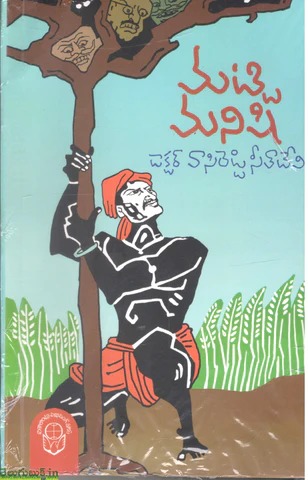
డిజిటల్ ప్రపంచంలో, కాంక్రీట్ అడవుల్లో బ్రతుకుతున్న మనకు, మన మూలాలు ఎక్కడున్నాయో ఈ పుస్తకం గుర్తు చేస్తుంది. తిండి పెట్టే నేలని మర్చిపోవడం అంటే మన అస్తిత్వాన్ని కోల్పోవడమే అని ఇది మృదువుగా హెచ్చరిస్తుంది.
In an era of digital clouds and concrete horizons, we are rapidly losing our ‘grounding.’ Matti Manishi serves as a vital anchor, reminding us of the physical reality of sustenance and the spiritual cost of abandoning our roots for a fleeting urban dream. It challenges our definition of progress.
మట్టి అంటే కేవలం మట్టి కాదు, అది ఒక ప్రాణం. వాసిరెడ్డి సీతాదేవి గారు ఈ నవలలో అక్షరాలను పేర్చలేదు, మట్టి వాసనను అద్దిపెట్టారు. ఒక రైతు తన పొలాన్ని చూసుకునేటప్పుడు ఉండే ఆ తృప్తిని, అది చేజారిపోతున్నప్పుడు ఉండే ఆ వేదనను మనం ఇందులో స్పష్టంగా చూడొచ్చు. ఈ రోజుల్లో మనం అభివృద్ధి అని దేన్నైతే పిలుస్తున్నామో, అది మనల్ని నేల నుండి ఎంత దూరం చేస్తుందో ఈ పుస్తకం ఆలోచింపజేస్తుంది. మన ఇంట్లో ఉండాల్సిన పుస్తకం ఇది, ఎందుకంటే ఇది మన మూలాల కథ. అభివృద్ధి పరుగులో మనం కోల్పోతున్న మనసత్వాన్ని ఇది మళ్ళీ వెలిగిస్తుంది.
There is a weight to the soil that we often forget in our air-conditioned lives. Vasireddy Sitadevi doesn’t just write about agriculture; she writes about the umbilical cord between a human and their land. When you read these pages, you can almost feel the fine dust on your skin and the ache in your back after a long day’s toil. It is a quiet meditation on what it means to truly belong somewhere. In our rush to move forward, we have become untethered. This book invites you to stand still, barefoot on the earth, and listen to the stories the land has been trying to tell us for generations. It is the heart of our heritage—resilient, humble, and eternal.
పట్టణాల్లో స్థిరపడిన వారు
The Disconnected City Dweller
సామాజిక మార్పును గమనించే వారు
The Student of Social Change
నిజాయితీ గల సాహిత్యాన్ని ఇష్టపడే వారు
The Soulful Realist
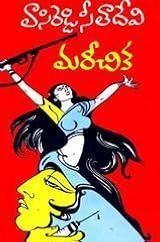
డిజిటల్ మాయాజాలంలో చిక్కుకున్న నేటి కాలంలో, మరీచిక మనల్ని వాస్తవంలోకి మేల్కొల్పుతుంది. మనం వెంటాడే ‘ఎండమావులు’ మనల్ని ఎక్కడికి చేరుస్తాయో ఇది గుర్తు చేస్తుంది. ఆదర్శాల వెనుక ఉన్న ఆవేశమే కాదు, నిశ్శబ్దమైన జీవితాల్లోని మానవత్వాన్ని వెతుక్కోవాలని ఈ నవల మనకు నేర్పిస్తుంది.
In an era of curated identities and digital echo chambers, Marichika acts as a grounding force. It speaks to the modern soul that feels lost in a maze of shifting truths and ‘mirages.’ It teaches us that while the fire of conviction is beautiful, one must also look for the humanity that exists in the quiet, unglamorous spaces of life, away from the noise of grand promises.
సాయంకాలం లైబ్రరీలో పాత పుస్తకాల వాసన మధ్య ఈ పుస్తకాన్ని చేతుల్లోకి తీసుకున్నట్లు ఊహించుకోండి. మరీచిక కేవలం ఒక కథ కాదు; అది రగిలే ఆత్మకు అద్దం. సీతాదేవి గారు ఇక్కడ సులభమైన సమాధానాలు ఇవ్వలేదు. ఆమె తన కలంతో చెమటను, రక్తాన్ని, కన్నీటిని కాగితం మీద పరిచారు. ఇది చదువుతుంటే మీరు ఒక రాజకీయ ఉద్యమం గురించి తెలుసుకోవడం లేదు, ఒక మనిషి హృదయ స్పందనను వింటున్నారు. సత్యం వైపు వెళ్లే దారి ఒక్కోసారి మనం తప్పించుకోవాలనుకునే భ్రమల గుండానే సాగుతుందని ఈ పుస్తకం మనకు గుర్తు చేస్తుంది.
Imagine the library at dusk, the golden light catching the dust motes as you pull this heavy volume from the shelf. Marichika isn’t just a story; it’s a mirror held up to a burning soul. Vasireddy Seethadevi doesn’t offer easy answers. She writes with a pen dipped in the realities of sweat, blood, and tears. As you turn these pages, you aren’t just reading about a political movement; you are feeling the heartbeat of a person who dared to dream too much. It is a reminder that the path to truth is often paved with the very illusions we seek to escape. Let the weight of this book remind you that some questions are more important than their answers.
ఆదర్శవాదులు
The Idealist
చరిత్ర ప్రేమికులు
The History Buff
సత్యాన్వేషకులు
The Seeker of Truth
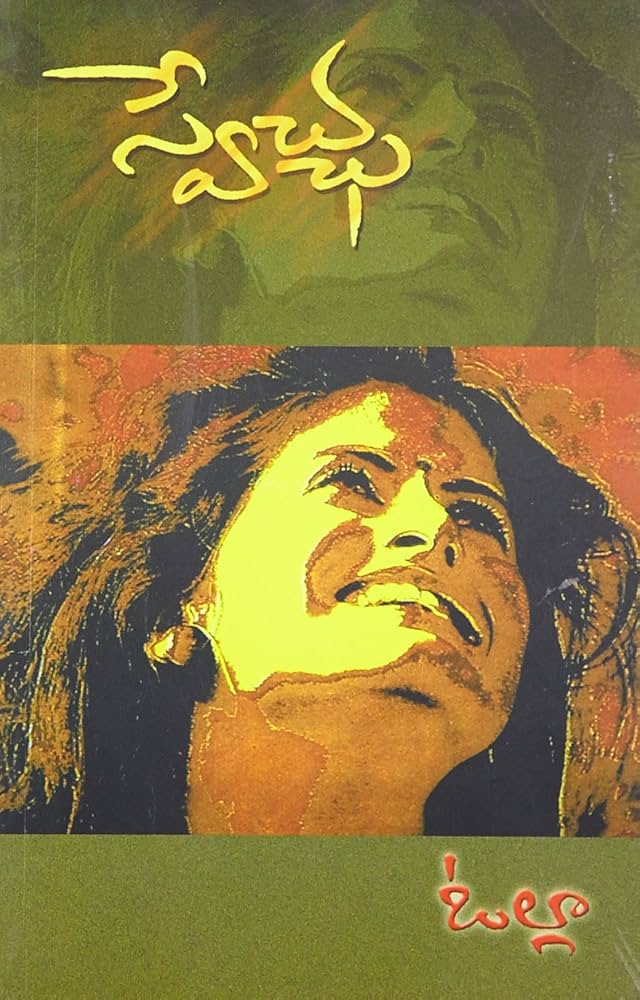
డిజిటల్ ప్రపంచంలో అందరూ చూపే ముసుగుల మధ్య బతుకుతున్న నేటి కాలంలో, నిజమైన స్వేచ్ఛ అనేది మన అంతరంగంలో జరగాల్సిన పని అని ఈ పుస్తకం గుర్తు చేస్తుంది. సమాజం మనపై రుద్దే ‘ఆదర్శ’ రూపాల నుండి బయటపడి, మన నిజాయితీని కాపాడుకోవడానికి ఇది ఒక మార్గదర్శిగా నిలుస్తుంది.
In an era of performative digital identities and constant external noise, Swecha reminds us that true liberation is an internal labor. It speaks to the modern struggle of balancing heritage with individual truth, offering a roadmap for anyone feeling suffocated by the ‘ideal’ versions of themselves projected by society.
మన ఇంటి లైబ్రరీలో ఈ పుస్తకం ఒక నిశ్శబ్ద దీపంలా వెలుగుతుంటుంది. ఇది గట్టిగా అరవదు, కానీ మనం చీకట్లో వదిలేసిన మనసులోని మూలలను తన వెలుగుతో తాకుతుంది. ఓల్గా గారు కేవలం ఒక కథను చెప్పలేదు, తెలుగు స్త్రీల అంతర్మథనాన్ని ఒక మ్యాప్లా మన ముందుంచారు. ఇది చదువుతుంటే అద్దం ముందు నిలబడి మనతో మనమే నిజాయితీగా మాట్లాడుకుంటున్నట్లు ఉంటుంది. మనకు ఇష్టమైన దారిలో నడవడానికి కావలసిన ధైర్యం గురించి ఇది చర్చిస్తుంది. మన ఇంట్లోని స్త్రీల పట్ల మన దృక్పథాన్ని మార్చగలిగే శక్తి ఈ పుస్తకానికి ఉంది.
This book sits on our shelf like a steady lamp in a drafty room. It doesn’t shout, yet its light reaches the corners we often prefer to leave in shadow. Volga didn’t just write a novel; she mapped the interior landscape of the Telugu woman’s struggle for agency. Reading it feels like a long, honest conversation with a mirror—the kind that shows you not just who you are, but the person you have been afraid to become. It honors the immense courage it takes to say ‘no’ to the comfortable and ‘yes’ to the unknown. It deserves to live in our home because it transforms the way we look at the women in our lives and the freedom we often take for granted.
ఆత్మనిశ్చయం కోసం వెతికేవారు
The Seeker of Self
సాహిత్య ప్రేమికులు
The Student of Change
నిశ్శబ్ద పోరాట యోధులు
The Quiet Rebel
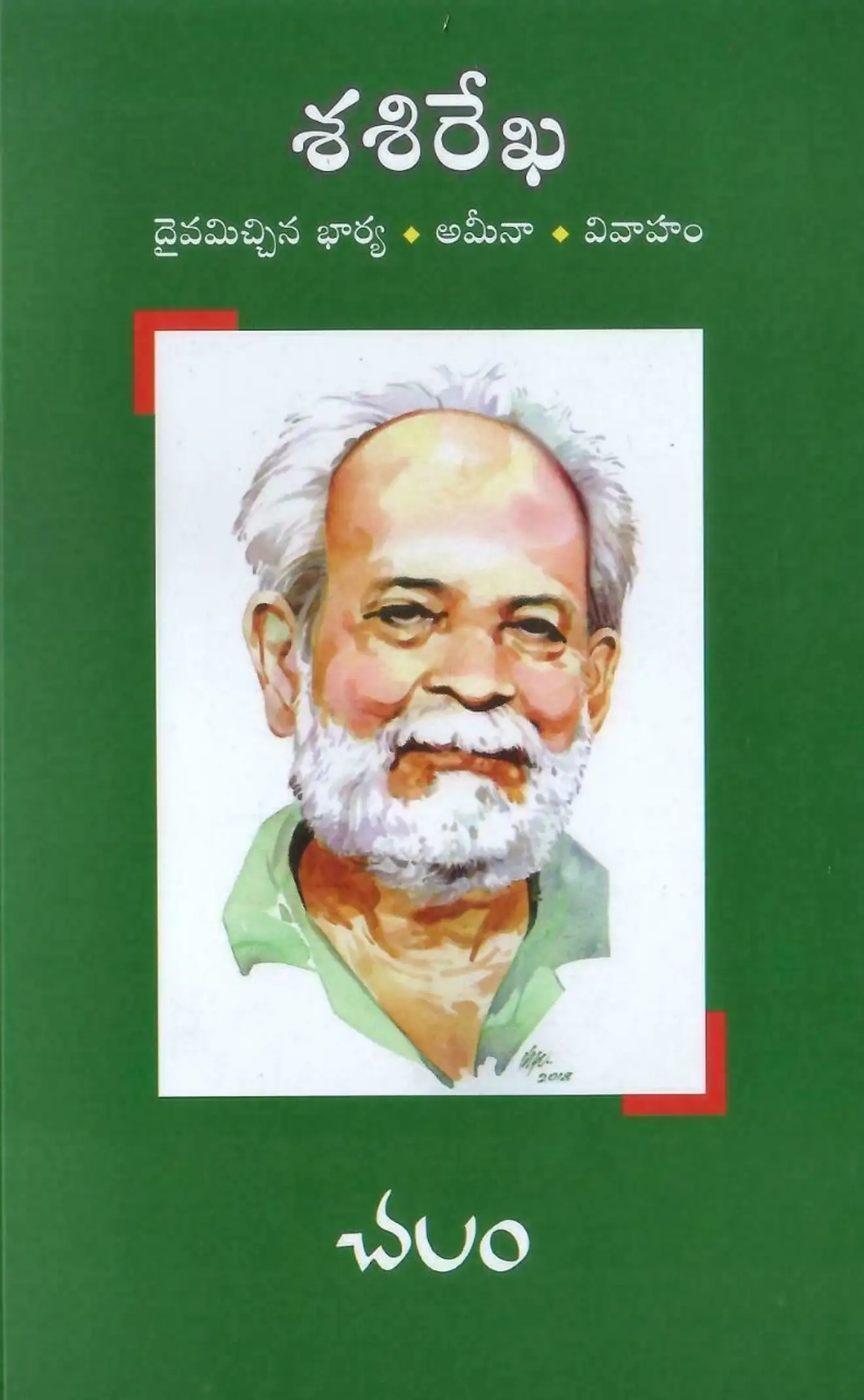
నేటి కృత్రిమ జీవనశైలిలో, ముసుగులు లేని నిజాన్ని చూడాలనుకునే వారికి ఈ పుస్తకం ఒక దిక్సూచి. మన మూలాలను, మనం గుడ్డిగా అనుసరించే నమ్మకాలను ప్రశ్నించే ధైర్యాన్ని ఇది ఇస్తుంది. వ్యక్తిగత స్వేచ్ఛకు, నిజాయితీకి ఉన్న విలువను గుర్తుచేస్తుంది.
In today’s world of digital masks and curated identities, Chalam’s ‘Brahmaneekam’ acts as a mirror that refuses to lie. It speaks to our modern struggle for authenticity and the courage it takes to question inherited beliefs. For anyone feeling the burnout of performative living, this book reminds us that true freedom begins with the honesty to see our cages for what they are.
తరతరాలుగా మూసి ఉన్న ఒక పాత ఇంటి తలుపులు తెరుచుకుంటున్న చప్పుడును ఊహించుకోండి. చలం మాటలు మిమ్మల్ని ఊరడించవు, అవి మిమ్మల్ని మేల్కొలుపుతాయి. చీకటి గదిలోకి తెచ్చిన దీపం లాంటిది ఈ రచన—ఆ వెలుతురు మొదట కళ్ళకు కష్టంగా అనిపించినా, బయటపడే మార్గం అదే చూపిస్తుంది. అర్ధరాత్రి వేళ మీతో మీరు మాట్లాడుకునే ఏకాంతంలో చదవాల్సిన పుస్తకం ఇది.
Imagine the sound of a heavy wooden door creaking open in a house that has been locked for generations. There is no background music, only the rhythmic sound of a spinning wheel and the distant chant of prayers. Chalam’s voice doesn’t soothe; it awakens. It is like a lamp brought into a dark cellar—the light might sting your eyes at first, but it is the only way to see the path out. This book is for the quiet moments after midnight when you are ready to face the truths you usually hide even from yourself.