Library

గ్రంధాలయం

Stories, poems, songs and memories – curated by our family for yours.

Choose a book by Mood, Age, or Instinct.
The Right Story will find You.

మా పుస్తకాల అర

Gabbilam
Gabbilam
రచయిత
గుర్రం జాషువా
Gurram Jashuva
కాలం
1941 (నవ్యాంధ్ర సాహిత్య యుగం)
1941 (Modern Era / Nationalist Period)
వర్గం
సందేశ కావ్యం / సామాజిక స్పృహ
Messenger Poetry / Social Realism
శైలి
సరళ గ్రాంధికం (పద్య కావ్యం)
Classical Telugu (Kavyam) with accessible metaphors
ఈ పుస్తకాన్ని చదివితే, మీరు ఒక అణగారిన హృదయం యొక్క వేదనను, ఆత్మగౌరవం కోసం ఒక మనిషి చేసే నిశ్శబ్ద పోరాటాన్ని, గబ్బిలం రెక్కల మీద సాగే ఒక భావోద్వేగ ప్రయాణాన్ని అనుభవిస్తారు.

If you read this book, you will experience the silent, aching heart of a human soul seeking dignity, carried on the wings of a bat through a landscape of social hierarchy and divine indifference.

లోకం వెలివేసిన ఒక పేదవాడు, తన గోడును కాశీ విశ్వేశ్వరుడికి విన్నవించుకోవడానికి ఒక గబ్బిలాన్ని దూతగా పంపుతాడు. హంసలు, మేఘాలు రాయబారం వెళ్ళే కావ్య లోకంలో, తనలాగే చీకటిని నమ్ముకున్న గబ్బిలాన్ని అతను తోడుగా ఎంచుకుంటాడు. ఆ గబ్బిలం ప్రయాణించే దారిలో తెలుగు నేల సౌందర్యం ఎంత కనిపిస్తుందో, సామాజిక వివక్షత అంతకంటే ఎక్కువగా కనిపిస్తుంది. ఇది కేవలం ఒక పక్షి ప్రయాణం కాదు, ఒక సామాజిక సత్యం యొక్క ఆవిష్కరణ.

Imagine a lonely hut under a vast, uncaring sky where a man, marginalized by the world, finds a kindred spirit in a bat—a creature as misunderstood as he is. He doesn't send a cloud or a swan with his message; he sends this 'dark messenger' to Lord Shiva in Kashi. Through the bat's flight, we witness the beauty of the Telugu land contrasted sharply with the ugliness of social exclusion. It is a journey of maps and metaphors, where every wingbeat is a question to the heavens.

స్వాతంత్ర్యానికి పూర్వపు ఆంధ్రదేశంలో, కుల వివక్ష రాజ్యమేలుతున్న కాలంలో వచ్చిన విప్లవాత్మక కావ్యం ఇది. కాళిదాసు మేఘదూత వంటి సంప్రదాయ కావ్య రీతిని సామాజిక నిరసనకు ఆయుధంగా మలచుకున్న వైనం అద్భుతం.

Written during the pre-independence era, this work challenged the elite 'Sandesa Kavyam' tradition by replacing the romantic hero with a marginalized protagonist, marking a revolutionary shift in Telugu literary history.

డిజిటల్ ప్రపంచంలో మనం బాహ్య గుర్తింపు కోసం ఆరాటపడుతున్న నేటి కాలంలో, అసలైన అస్తిత్వం అంటే ఏమిటో ఈ కావ్యం గుర్తు చేస్తుంది. మనుషుల మధ్య గోడలు కట్టే సమాజంలో, మానవత్వం ఒక్కటే అసలైన వారధి అని జాషువా గారి కలం మనకు బోధిస్తుంది. మన మూలాలను, మన సామాజిక బాధ్యతను గుర్తు చేసుకోవడానికి ఈ కావ్యం ఒక దిక్సూచి.

In an era where ‘belonging’ is often measured by digital validation, Jashuva’s Gabillam reminds us of the raw, painful reality of being an outsider. It speaks to anyone who has ever felt invisible. It is a call to look beyond the surface and recognize the shared humanity that binds us, especially when modern life feels increasingly fragmented and transactional.

ఇది కేవలం పద్యాల కూర్పు కాదు, శతాబ్దాల అణచివేత నుండి ఉద్భవించిన ఒక నిట్టూర్పు. అక్షరాలకు పదును పెట్టి, గుండెలోని మంటను కావ్యంగా మార్చిన మహాకవి జాషువా సృజన ఇది. గుడి తలుపులు మూసుకున్నా, గుండె తలుపులు తెరిచి విశ్వమంతా తన గోడును వినిపించిన వైనం ఇందులో కనిపిస్తుంది. ఈ పుస్తకం మన ఇంట్లో ఉండటం అంటే, అణగారిన వర్గాల గొంతుకను గౌరవించుకోవడమే. చీకటిలో నివసించే గబ్బిలంలో కూడా పవిత్రతను చూడగలిగే హృదయం మనకు కావాలని ఈ కావ్యం గుర్తు చేస్తుంది. ఇది రాతి విగ్రహాలతో కాదు, కన్నీళ్లతోను, ఆశలతోను నిర్మించిన ఒక అక్షర దేవాలయం.

This is more than just poetry; it is a sigh that took the shape of verses. Jashuva didn’t just write words; he carved his lived reality into the Telugu language, reclaiming a space that was long denied to him. When you read Gabillam, you feel the cool night air and the heavy silence of a temple door that won’t open. But within that silence, there is a thunderous dignity. It teaches us that the most ‘unclean’ creature in society’s eyes can be the most sacred messenger of the heart. It sits in our library as a reminder that true greatness is found in the courage to speak one’s truth against the weight of centuries. It is the sound of a bell ringing in a temple built not of stone, but of tears and hope.

అరిష్టంగా భావించే గబ్బిలం, ఇక్కడ ఒక ఆత్మీయ మిత్రునిగా, దూతగా ఎలా మారిందో గమనించండి.

Notice how the bat—traditionally a symbol of ill omen—is transformed into a symbol of empathy and companionship.

తెలుగు దేశంలోని ప్రకృతి వర్ణనలను, జాషువా గారి అద్భుతమైన పద చిత్రాలను ఆస్వాదించండి.

Pay attention to the vivid, almost cinematic descriptions of the Telugu landscape from the Godavari to the temples of the south.

రాతి దేవుళ్లకు, రక్తమాంసాలున్న మనుషుల కష్టాలకు మధ్య ఉన్న వైరుధ్యాన్ని, అందులోని వ్యంగ్యాన్ని గమనించండి.

Listen for the underlying irony when the poet addresses the 'stone gods' who remain silent while the living suffer.

హృదయ సున్నితత్వం ఉన్నవారు

The Empath
మనిషి వేదనను, ఆత్మగౌరవ పోరాటాన్ని లోతుగా అర్థం చేసుకోవాలనుకునే వారికి.
For those who seek to understand the depths of human resilience and the spiritual weight of social exclusion.

పద్య ప్రియులు

The Poetry Connoisseur
తెలుగు భాషా మాధుర్యాన్ని, ఛందస్సులోని గొప్పతనాన్ని ఆస్వాదించే వారికి.
To witness the mastery of classical Telugu meter being used as an instrument for modern revolutionary thought.

సామాజిక చైతన్యం కోరుకునే వారు

The Social Reformer
తెలుగు నేలపై సామాజిక సంస్కరణల మూలాలను తెలుసుకోవాలనుకునే వారికి.
To ground your modern activism in the historical struggle for dignity and identity in the Telugu land.

పిరదౌసి (గుర్రం జాషువా)
Firadausi by Gurram Jashuva
కన్యాశుల్కం (గురజాడ అప్పారావు)
Kanyasulkam by Gurazada Apparao
అమృతం కురిసిన రాత్రి (బాలగంగాధర తిలక్)
Amrutham Kurisina Rathri by Balagangadhara Tilak
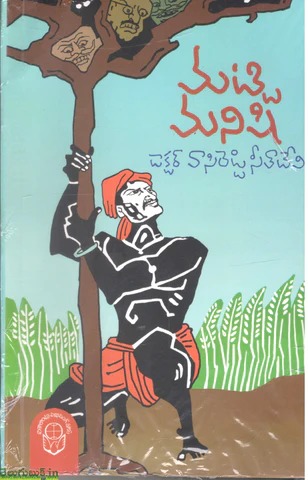
Matti Manishi
Matti Manishi
రచయిత
వాసిరెడ్డి సీతాదేవి
Vasireddy Sitadevi
కాలం
1960 - 70ల కాలం
1960s - 1970s
వర్గం
సాంఘిక వాస్తవికత / సామాజిక నవల
Social Realism / Literary Fiction
శైలి
మట్టి వాసన నిండిన, సహజమైన పల్లెటూరి శైలి
Grounded, evocative, and deeply rooted in rural dialect
ఈ పుస్తకాన్ని చదివితే, మట్టిలో కలిసిన రైతు పాదాల స్పర్శను, భూమికీ మనిషికీ మధ్య ఉన్న విడదీయరాని ఆత్మీయ అనుబంధాన్ని మీరు అనుభూతి చెందుతారు.

If you read this book, you will experience the raw, pulse-like rhythm of the earth beneath a farmer's feet and the heartbreaking shift of a soul torn between ancestral soil and the cold lure of the city.
వాన చినుకు కోసం ఎదురుచూసే కళ్లు, నాగలి చాలల్లో దాగివున్న ఆశలు.. ఇదీ ఒక పల్లెటూరి కథ. భూమినే నమ్ముకున్న ఒక కుటుంబం, మారుతున్న కాలంతో పాటు పట్నం వైపు మళ్ళుతున్న మనసుల మధ్య పడే సంఘర్షణను సీతాదేవి గారు కళ్లకు కట్టినట్లు చూపించారు. నాగలి పట్టిన చేతులు, ఆ చెమట చుక్కల వెనుక ఉన్న నిశ్శబ్ద పోరాటం మనల్ని కదిలిస్తుంది.

Imagine a village where the scent of rain hitting parched earth is the most sacred prayer. Here, life is measured not by clocks, but by the seasons of the crop. We follow a family whose identity is deeply furrowed into their ancestral land. As the winds of modernization and greed begin to blow from the nearby towns, the 'man of the soil' finds his roots being tugged by forces he barely understands. It is a story of sweat, quiet dignity, and the profound silence of the fields.

స్వాతంత్రం వచ్చిన తర్వాత ఆంధ్రప్రదేశ్ గ్రామీణ ప్రాంతాల్లో వచ్చిన సామాజిక మార్పులు, సాంప్రదాయ వ్యవసాయం నుండి ఆధునిక వాణిజ్య ధోరణుల వైపు మారుతున్న కాలం నాటి నేపథ్యం.

Set in post-independence rural Andhra Pradesh during a time when traditional farming was colliding with new commercial interests and the migration of the youth toward cities.

డిజిటల్ ప్రపంచంలో, కాంక్రీట్ అడవుల్లో బ్రతుకుతున్న మనకు, మన మూలాలు ఎక్కడున్నాయో ఈ పుస్తకం గుర్తు చేస్తుంది. తిండి పెట్టే నేలని మర్చిపోవడం అంటే మన అస్తిత్వాన్ని కోల్పోవడమే అని ఇది మృదువుగా హెచ్చరిస్తుంది.

In an era of digital clouds and concrete horizons, we are rapidly losing our ‘grounding.’ Matti Manishi serves as a vital anchor, reminding us of the physical reality of sustenance and the spiritual cost of abandoning our roots for a fleeting urban dream. It challenges our definition of progress.

మట్టి అంటే కేవలం మట్టి కాదు, అది ఒక ప్రాణం. వాసిరెడ్డి సీతాదేవి గారు ఈ నవలలో అక్షరాలను పేర్చలేదు, మట్టి వాసనను అద్దిపెట్టారు. ఒక రైతు తన పొలాన్ని చూసుకునేటప్పుడు ఉండే ఆ తృప్తిని, అది చేజారిపోతున్నప్పుడు ఉండే ఆ వేదనను మనం ఇందులో స్పష్టంగా చూడొచ్చు. ఈ రోజుల్లో మనం అభివృద్ధి అని దేన్నైతే పిలుస్తున్నామో, అది మనల్ని నేల నుండి ఎంత దూరం చేస్తుందో ఈ పుస్తకం ఆలోచింపజేస్తుంది. మన ఇంట్లో ఉండాల్సిన పుస్తకం ఇది, ఎందుకంటే ఇది మన మూలాల కథ. అభివృద్ధి పరుగులో మనం కోల్పోతున్న మనసత్వాన్ని ఇది మళ్ళీ వెలిగిస్తుంది.

There is a weight to the soil that we often forget in our air-conditioned lives. Vasireddy Sitadevi doesn’t just write about agriculture; she writes about the umbilical cord between a human and their land. When you read these pages, you can almost feel the fine dust on your skin and the ache in your back after a long day’s toil. It is a quiet meditation on what it means to truly belong somewhere. In our rush to move forward, we have become untethered. This book invites you to stand still, barefoot on the earth, and listen to the stories the land has been trying to tell us for generations. It is the heart of our heritage—resilient, humble, and eternal.

రైతుకీ తన పశువులకీ మధ్య ఉండే ఆ మూగ భాషను గమనించండి.

The silent, intuitive conversations between the farmer and his bullocks.

పల్లెటూరి వాతావరణం నుండి పట్టణ వాతావరణానికి మారుతున్న కొద్దీ పాత్రల మాటతీరులో వచ్చే మార్పులు.

How the vocabulary subtly shifts as characters move from the fields to the urban marketplace.

నేలని కేవలం ఆస్తిగా కాకుండా ఒక అమ్మలా భావించే సంస్కృతి.

The description of the land not as property, but as a living, breathing member of the family.

పట్టణాల్లో స్థిరపడిన వారు

The Disconnected City Dweller
తమ గ్రామీణ మూలాలను, నేల మీద ఉన్న మమకారాన్ని మళ్ళీ గుర్తు తెచ్చుకోవడానికి.
To remember the texture of the earth and the origin of the food on their table.

సామాజిక మార్పును గమనించే వారు

The Student of Social Change
ఆధునీకరణ వల్ల గ్రామీణ వ్యవస్థలో వచ్చిన మార్పులను లోతుగా అర్థం చేసుకోవడానికి.
To understand the emotional landscape of rural India's transition into the modern age.

నిజాయితీ గల సాహిత్యాన్ని ఇష్టపడే వారు

The Soulful Realist
జీవితాన్ని ఉన్నదున్నట్లుగా చూపే వాస్తవిక రచనల పట్ల ఆసక్తి ఉన్నవారి కోసం.
For those who appreciate literature that finds beauty in labor and dignity in the struggle.

చివరకు మిగిలేది (పి.వి. రాజమన్నార్)
Chivaraku Migiledi by P.V. Rajamannar
అల్పజీవి (రావిశాస్త్రి)
Alpajeevi by Raavi Sastry
మాలపల్లి (ఉన్నవ లక్ష్మీనారాయణ)
Maalapalli by Unnava Lakshminarayana
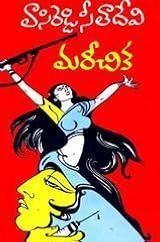
Marichika
Marichika
రచయిత
వాసిరెడ్డి సీతాదేవి
Vasireddy Seethadevi
కాలం
Vasireddy Seethadevi కాలం (Period) 1970వ దశకం (స్వాతంత్ర్యానంతర సామాజిక మార్పులు)
Late 1970s (Post-Independence Disillusionment)
వర్గం
సామాజిక వాస్తవికత / రాజకీయ నవల
Social Realism / Psychological Drama
శైలి
సూటిగా, ఆలోచింపజేసే విధంగా, భావోద్వేగాల మేళవింపు
Provocative, sharp, and deeply introspective
మీరు ఈ పుస్తకాన్ని చదివితే, విచ్ఛిన్నమైన ఆదర్శాల సెగను మరియు పరిపూర్ణమైన ప్రపంచం కోసం చేసే అన్వేషణ ఒక ఎండమావిలా ఎలా మారుతుందో అనుభవిస్తారు.

If you read this book, you will experience the scorching heat of shattered idealism and the haunting silence that remains when the pursuit of a perfect world reveals itself as a shimmering mirage.

మరీచికలోని గాలిలో ఎండుటాకుల వాసన, విప్లవపు నిప్పుకణికలు కనిపిస్తాయి. 1970ల నాటి కల్లోల పరిస్థితుల్లో, సంప్రదాయ కుటుంబ విలువలకు మరియు తీవ్రవాద భావజాలానికి మధ్య నలిగిపోయిన ఒక తరం యువత ఆవేదనను ఈ పుస్తకం మన కళ్లకు కడుతుంది. పల్లెటూరి మట్టి దారుల నుండి నగరాల మేధోమథనం వరకు, పాత్రలు తమకు దొరకని ఏదో ఒక సత్యం కోసం ఎండమావుల వెనుక పరుగెత్తుతూ కనిపిస్తాయి.

The air in Marichika is heavy with the scent of dry earth and the electricity of revolution. It opens a window into the turbulent 1970s, where a generation of youth is caught in the tug-of-war between old-world family values and the fiery call of radical ideologies. Amidst the dusty landscapes of rural Andhra and the intellectual ferment of urban spaces, the characters move like shadows chasing a light they cannot quite reach, questioning everything they were taught to hold sacred.

ఆంధ్రప్రదేశ్‌లో నక్సలైట్ ఉద్యమం ఉధృతంగా ఉన్న కాలంలో రాసిన ఈ నవల, అప్పటి సామాజిక అసమానతలను మరియు తెలుగు యువతలో నెలకొన్న మేధోపరమైన ఘర్షణను ప్రతిబింబిస్తుంది.

Written during the height of the Naxalite movement in Andhra Pradesh, the book reflects the socio-economic disparities and the intense intellectual and emotional upheaval of the Telugu youth during the 1960s and 70s.

డిజిటల్ మాయాజాలంలో చిక్కుకున్న నేటి కాలంలో, మరీచిక మనల్ని వాస్తవంలోకి మేల్కొల్పుతుంది. మనం వెంటాడే ‘ఎండమావులు’ మనల్ని ఎక్కడికి చేరుస్తాయో ఇది గుర్తు చేస్తుంది. ఆదర్శాల వెనుక ఉన్న ఆవేశమే కాదు, నిశ్శబ్దమైన జీవితాల్లోని మానవత్వాన్ని వెతుక్కోవాలని ఈ నవల మనకు నేర్పిస్తుంది.

In an era of curated identities and digital echo chambers, Marichika acts as a grounding force. It speaks to the modern soul that feels lost in a maze of shifting truths and ‘mirages.’ It teaches us that while the fire of conviction is beautiful, one must also look for the humanity that exists in the quiet, unglamorous spaces of life, away from the noise of grand promises.

సాయంకాలం లైబ్రరీలో పాత పుస్తకాల వాసన మధ్య ఈ పుస్తకాన్ని చేతుల్లోకి తీసుకున్నట్లు ఊహించుకోండి. మరీచిక కేవలం ఒక కథ కాదు; అది రగిలే ఆత్మకు అద్దం. సీతాదేవి గారు ఇక్కడ సులభమైన సమాధానాలు ఇవ్వలేదు. ఆమె తన కలంతో చెమటను, రక్తాన్ని, కన్నీటిని కాగితం మీద పరిచారు. ఇది చదువుతుంటే మీరు ఒక రాజకీయ ఉద్యమం గురించి తెలుసుకోవడం లేదు, ఒక మనిషి హృదయ స్పందనను వింటున్నారు. సత్యం వైపు వెళ్లే దారి ఒక్కోసారి మనం తప్పించుకోవాలనుకునే భ్రమల గుండానే సాగుతుందని ఈ పుస్తకం మనకు గుర్తు చేస్తుంది.

Imagine the library at dusk, the golden light catching the dust motes as you pull this heavy volume from the shelf. Marichika isn’t just a story; it’s a mirror held up to a burning soul. Vasireddy Seethadevi doesn’t offer easy answers. She writes with a pen dipped in the realities of sweat, blood, and tears. As you turn these pages, you aren’t just reading about a political movement; you are feeling the heartbeat of a person who dared to dream too much. It is a reminder that the path to truth is often paved with the very illusions we seek to escape. Let the weight of this book remind you that some questions are more important than their answers.

మరీచిక (ఎండమావి) అనే రూపకం కథలో వివిధ దశల్లో ఎలా మారిందో గమనించండి.

Notice the recurring motif of the 'Mirage' and how it shifts from a political ideal to a personal longing.

స్త్రీ పాత్రల చిత్రీకరణను చూడండి - వారు కేవలం బాధితులుగా కాకుండా, సొంత ఆలోచనలున్న వ్యక్తులుగా కనిపిస్తారు.

Observe the nuanced portrayal of women—not just as victims or heroes, but as complex thinkers with their own agency.

ప్రకృతి వర్ణనలు పాత్రల మానసిక స్థితిని ఎలా ప్రతిబింబిస్తాయో గమనించండి.

Pay attention to the landscape descriptions; the physical dryness often mirrors the spiritual exhaustion of the characters.

ఆదర్శవాదులు

The Idealist
ప్రపంచాన్ని మార్చాలనే తపన ఉండి, లోతైన జీవిత సత్యాలను తెలుసుకోవాలనుకునే వారి కోసం.
For anyone who has ever felt the burn of wanting to change the world but found the path more complicated than expected.

చరిత్ర ప్రేమికులు

The History Buff
అప్పటి ఆంధ్ర సామాజిక పరిస్థితులను, జనజీవనాన్ని అధ్యయనం చేయాలనుకునే వారి కోసం.
To understand the raw, unpolished social history of Andhra through the lens of lived experience.

సత్యాన్వేషకులు

The Seeker of Truth
సులభమైన ముగింపులు కాకుండా, ఆలోచనలను రేకెత్తించే సాహిత్యాన్ని ఇష్టపడే వారి కోసం.
For those who appreciate literature that challenges the status quo and avoids sentimental resolutions.

చివరకు మిగిలేది (బుచ్చిబాబు)
Chivaraku Migiledi by Buchi Babu
అమృతం కురిసిన రాత్రి (తిలక్)
Amrutham Kurisina Rathri by Tilak
అల్పజీవి (రావిశాస్త్రి)
Alpajeevi by Viswanatha Sastry
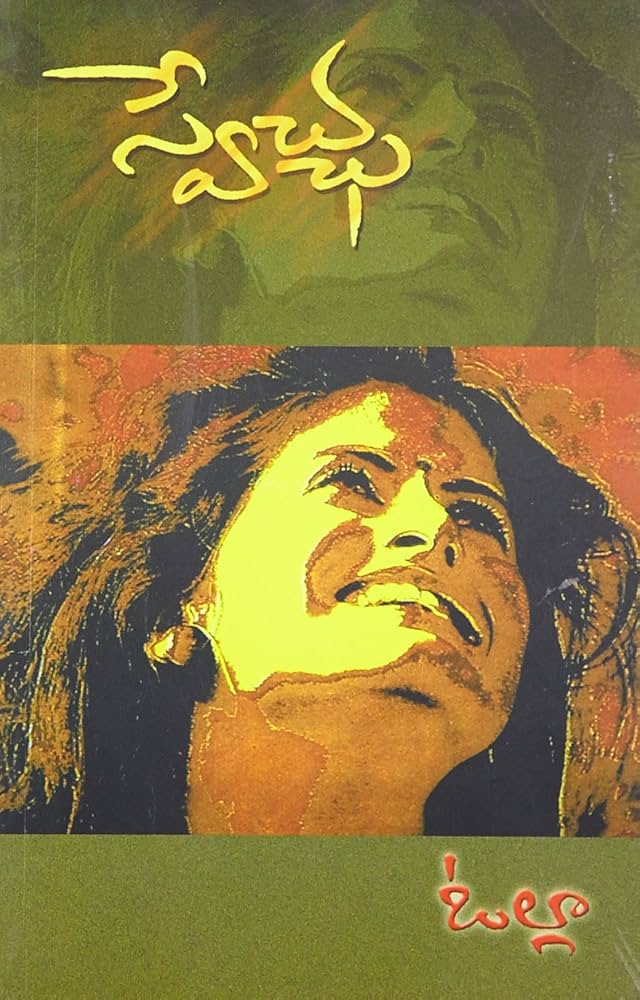
Swecha
Swecha
రచయిత
ఓల్గా
Volga
కాలం
1980ల చివరి కాలం
Late 1980s
వర్గం
స్త్రీవాద సాహిత్యం / సామాజిక వాస్తవికత
Feminist Literature / Social Realism
శైలి
సూటిగా, విశ్లేషణాత్మకంగా ఉండే ఆధునిక వచనం
Direct, Analytical, and Evocative Modern Prose
ఈ పుస్తకాన్ని చదివితే, ఒక స్త్రీ ఆత్మ తన సంకెళ్లను తెంచుకునే క్రమంలో కలిగే కంపనాన్ని, సామాజిక కట్టుబాట్ల బరువును, మరియు తనను తాను ఎంచుకోవడంలో ఉండే విముక్తిని మీరు అనుభవిస్తారు.

If you read this book, you will experience the quiet tremor of a woman’s soul breaking its chains, the heavy weight of societal expectations, and the liberating clarity that comes from finally choosing oneself.

కుమార్తెగా, భార్యగా, తల్లిగా... కేవలం ఇతరుల కోణంలోనే తనను తాను చూసుకునే అరుణ, తన చుట్టూ ఉన్న అదృశ్య గోడలను గుర్తించడం ఈ కథా వస్తువు. సంప్రదాయ మధ్యతరగతి తెలుగు కుటుంబ నేపథ్యంలో సాగే ఈ ప్రయాణం, అలవాటైన జీవితం నుండి తనకంటూ ఒక సొంత అస్తిత్వం వెతుక్కునే దిశగా సాగుతుంది. ప్రేమ పేరుతో, అలవాట్ల పేరుతో మన చుట్టూ అల్లుకున్న పంజరాల నుండి బయటపడటం ఎంత కష్టమో ఈ పుస్తకం చూపిస్తుంది.

In a world where a woman’s identity is often just a reflection of her roles—daughter, wife, mother—Aruna begins to notice the invisible glass walls surrounding her life. Set against the backdrop of a traditional middle-class Telugu household, the story follows her journey from a comfortable, predetermined existence toward the uncharted territory of self-ownership. It is a world of soft-spoken rebellions and the sharp realization that the most difficult cages to escape are the ones built with love and habit.

ఇరవయ్యవ శతాబ్దపు చివరలో తెలుగు మధ్యతరగతి సామాజిక నేపథ్యం, అప్పుడప్పుడే మొదలవుతున్న స్త్రీవాద చైతన్యం, మరియు పితృస్వామ్య వ్యవస్థలో కుటుంబ విలువల మధ్య జరిగే ఘర్షణను ఈ నవల ప్రతిబింబిస్తుంది.

Set against the backdrop of the late 20th-century Telugu middle class, the book captures the rising tide of feminist consciousness in Andhra Pradesh, challenging the deep-rooted patriarchal structures of the traditional family unit.

డిజిటల్ ప్రపంచంలో అందరూ చూపే ముసుగుల మధ్య బతుకుతున్న నేటి కాలంలో, నిజమైన స్వేచ్ఛ అనేది మన అంతరంగంలో జరగాల్సిన పని అని ఈ పుస్తకం గుర్తు చేస్తుంది. సమాజం మనపై రుద్దే ‘ఆదర్శ’ రూపాల నుండి బయటపడి, మన నిజాయితీని కాపాడుకోవడానికి ఇది ఒక మార్గదర్శిగా నిలుస్తుంది.

In an era of performative digital identities and constant external noise, Swecha reminds us that true liberation is an internal labor. It speaks to the modern struggle of balancing heritage with individual truth, offering a roadmap for anyone feeling suffocated by the ‘ideal’ versions of themselves projected by society.

మన ఇంటి లైబ్రరీలో ఈ పుస్తకం ఒక నిశ్శబ్ద దీపంలా వెలుగుతుంటుంది. ఇది గట్టిగా అరవదు, కానీ మనం చీకట్లో వదిలేసిన మనసులోని మూలలను తన వెలుగుతో తాకుతుంది. ఓల్గా గారు కేవలం ఒక కథను చెప్పలేదు, తెలుగు స్త్రీల అంతర్మథనాన్ని ఒక మ్యాప్‌లా మన ముందుంచారు. ఇది చదువుతుంటే అద్దం ముందు నిలబడి మనతో మనమే నిజాయితీగా మాట్లాడుకుంటున్నట్లు ఉంటుంది. మనకు ఇష్టమైన దారిలో నడవడానికి కావలసిన ధైర్యం గురించి ఇది చర్చిస్తుంది. మన ఇంట్లోని స్త్రీల పట్ల మన దృక్పథాన్ని మార్చగలిగే శక్తి ఈ పుస్తకానికి ఉంది.

This book sits on our shelf like a steady lamp in a drafty room. It doesn’t shout, yet its light reaches the corners we often prefer to leave in shadow. Volga didn’t just write a novel; she mapped the interior landscape of the Telugu woman’s struggle for agency. Reading it feels like a long, honest conversation with a mirror—the kind that shows you not just who you are, but the person you have been afraid to become. It honors the immense courage it takes to say ‘no’ to the comfortable and ‘yes’ to the unknown. It deserves to live in our home because it transforms the way we look at the women in our lives and the freedom we often take for granted.

అరుణ అంతర్మథనంలో 'మనం' అన్న పదం నుండి 'నేను' అన్న స్పష్టతకు వచ్చే మార్పును గమనించండి.

Observe the subtle shift in Aruna’s internal monologue from 'we' and 'them' to the definitive 'I'.

ఇంటి గదులు - వంటగది, పడకగది - కేవలం నివాస స్థలాలు కాక, ఆమె ఆత్మవిమర్శకు వేదికలుగా ఎలా మారాయో చూడండి.

Notice how the physical spaces of the house—the kitchen, the bedroom—transform from places of comfort to sites of silent negotiation.

వెలుగు, నీడల రూపకాలను గమనించండి, ఇవి అరుణ తన కోరికలపై పొందే స్పష్టతకు సంకేతాలుగా కనిపిస్తాయి.

Pay attention to the recurring metaphor of light and shadows, reflecting the clarity Aruna gains over her own desires.

ఆత్మనిశ్చయం కోసం వెతికేవారు

The Seeker of Self
ఇతరుల కోసం బతుకుతూ తనను తాను కోల్పోతున్నామని భావించే వారికి ఇది ఒక కరదీపిక.
For those who feel their personal identity is being swallowed by the roles they play for others.

సాహిత్య ప్రేమికులు

The Student of Change
తెలుగు సాహిత్యంలో స్త్రీవాద ఉద్యమ మూలాలను, భావోద్వేగాలను అర్థం చేసుకోవాలనుకునే వారికి.
For anyone wishing to understand the historical and emotional roots of the women's movement in Telugu literature.

నిశ్శబ్ద పోరాట యోధులు

The Quiet Rebel
స్వేచ్ఛ కోసం పడే తపనను, దాని వెనుక ఉండే సాహసాన్ని గుర్తించాలనుకునే ప్రతి ఒక్కరికీ.
For the soul that knows the cost of freedom but needs the validation to take the first step.

అమ్మకు ఆదివారం లేదా? (ఓల్గా)
Ammaku Adivaram Leda? by Volga
చివరకు మిగిలేది (బుచ్చిబాబు)
Chivaraku Migiledi by Buchibabu
అతడు-ఆమె (ఉప్పల లక్ష్మణరావు)
Athadu-Ame by Uppala Lakshmanarao
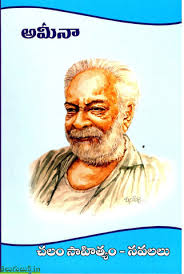
Ameena
Ameena
రచయిత
చలం (గుడిపాటి వెంకట చలం)
Chalam (Gudipati Venkata Chalam)
కాలం
20వ శతాబ్దం ఆరంభం (1920-1930 ప్రాంతం)
Early 20th Century (1920s-1930s)
వర్గం
సాంఘిక నవల / స్త్రీవాద సాహిత్యం
Social Realism / Feminist Fiction
శైలి
సూటిగా, గుండెలకు హత్తుకునేలా ఉండే విప్లవాత్మక వచనం
Provocative, direct, and deeply emotional
ఈ పుస్తకాన్ని చదివితే, సంప్రదాయాల గోడల మధ్య నలిగిపోతున్న ఒక స్త్రీ ఆత్మ తన స్వేచ్ఛ కోసం పడే తపనను, ఆమె అంతరంగాన్ని మీరు స్పర్శిస్తారు.
If you read this book, you will experience the raw, unvarnished pulse of a woman's soul seeking freedom against the stone-cold walls of tradition; it is a journey into the heart of autonomy.

అప్పట్లో ఇంటి గడప దాటడమే ఒక పెద్ద సాహసం. ఆ గడప లోపల ఉక్కిరిబిక్కిరి అవుతున్న ఒక స్త్రీ మనసులోని నిశ్శబ్ద విప్లవం ఈ కథ. చలం కలం నుండి జాలువారిన అక్షరాలు మల్లెపూల పరిమళంలా మెత్తగా ఉంటూనే, నిప్పుకణికల్లా ఆలోచింపజేస్తాయి. ఒక గది నాలుగు గోడల మధ్య సృష్టించబడిన ఒక విశాలమైన ప్రపంచం ఇది. ఇందులో ప్రతి నిట్టూర్పు ఒక నిరసన, ప్రతి కల ఒక సరికొత్త ప్రయాణం.

Imagine a time when the threshold of a house was the boundary of a woman's universe. 'Ame' opens a window into the inner life of a protagonist who dares to see herself not as a shadow of a man, but as a complete human being. Through Chalam's piercing prose, the fragrance of jasmine meets the sharp scent of rebellion, capturing the quiet storm brewing within a domestic cage. It is a world where every sigh is a protest and every dream is a step toward the unknown.

అప్పటి ఆంధ్రదేశంలో సామాజిక సంస్కరణలు ఊపందుకుంటున్న సమయం. స్త్రీల హక్కుల గురించి, వారి వ్యక్తిత్వం గురించి చలం చేసిన ఆలోచనలు అప్పట్లో ఒక సంచలనం మరియు తెలుగు సమాజంలో ఒక కొత్త చర్చకు దారితీశాయి.

Written during a period of intense social awakening in Andhra Pradesh, the book reflects the early 20th-century struggle against patriarchal constraints and the burgeoning movement for women's individual rights.

నేటి డిజిటల్ యుగంలో మన అసలైన అస్తిత్వాన్ని కోల్పోతున్న వేళ, చలం రాసిన ‘ఆమె’ మనల్ని మనకు పరిచయం చేస్తుంది. సమాజం కోసం కాకుండా, మన ఆత్మతృప్తి కోసం బ్రతకడం ఎంత ముఖ్యమో ఈ పుస్తకం గుర్తుచేస్తుంది. బాహ్య ప్రపంచపు ఒత్తిడిలో తమ గొంతును కోల్పోతున్న ఎవరికైనా ఈ పుస్తకం ఒక ధైర్యాన్నిస్తుంది.

In today’s world of curated identities and digital noise, Chalam’s ‘Ame’ remains startlingly relevant. It speaks to the modern struggle of finding one’s authentic voice amidst the pressure to conform. For those feeling the weight of societal expectations or the burnout of performing for others, this classic offers a timeless mirror to the courage required to simply be oneself.

చలం అక్షరాల్లో ఒక వింతైన సమ్మోహనం ఉంటుంది. ఆయన కేవలం కథ చెప్పడు, మనసు పొరలను విప్పి చూపిస్తాడు. ఈ ‘ఆమె’ ఒక పుస్తకం మాత్రమే కాదు, తెలుగు సాహిత్యంలో ఒక చైతన్య కిరణం. మన ఇంట్లోని ఈ లైబ్రరీలో ఈ పుస్తకం ఉండటం అంటే, ఒక సత్యాన్ని, ఒక ధైర్యాన్ని భద్రపరుచుకోవడమే. పాత కాగితాల వాసనతో పాటు, అణిచివేతను ఎదిరించే ఒక ఆత్మ గౌరవం ఇందులో మనకు వినిపిస్తుంది. చీకటిని చీల్చుకుంటూ వచ్చే వెలుతురులా ఈ పుస్తకం మనల్ని పలకరిస్తుంది.

There is a certain weight to the silence between Chalam’s sentences. He doesn’t just write; he unmasks. ‘Ame’ is not just a story about a woman; it is a mirror held up to a society that preferred its mirrors broken. To have this book in our library is to keep a flame alive—a flame that questions, that feels, and that refuses to be extinguished by convenience. It carries the scent of old ink and the warmth of a lamp lit against the darkness of ignorance. It reminds us that the most sacred space is not a temple, but the clarity of one’s own heart.

చాలా సాదాసీదా సంభాషణల వెనుక ఉన్న లోతైన మానసిక వేదనను గమనించండి.

The way Chalam uses simple, everyday dialogue to reveal deep psychological scars.

విశాలమైన ఆకాశానికి, ఇంటి నాలుగు గోడలకు మధ్య చలం చూపించిన వ్యత్యాసాన్ని పరిశీలించండి.

The recurring contrast between the vast, open sky and the suffocating boundaries of the inner courtyard.

పాత్రల ఆలోచనా విధానంలో వచ్చే మార్పులను, వారి ఆత్మవిశ్వాసం పెరిగే తీరును అనుభూతి చెందండి.

The subtle shift in the protagonist's internal monologue as she transitions from doubt to self-assertion.

అస్తిత్వం కోసం వెతికేవారు

The Seeker
స్వేచ్ఛ యొక్క విలువను, దాని కోసం చెల్లించాల్సిన మూల్యాన్ని అర్థం చేసుకోవడానికి.
For those trying to understand the historical roots of independence and the personal cost of freedom.

సాహితీ పిపాసులు

The Traditionalist
తెలుగు వచనంలో చలం సృష్టించిన కొత్త ఒరవడిని ఆస్వాదించడానికి.
To view the complexities of domestic life through a lens of profound empathy for the marginalized.

ఆధునిక ఆలోచనాపరులు

The Modern Individual
వ్యక్తిగత విలువల పట్ల స్పష్టత కోసం, కాలాతీతమైన ఈ రచనను చదవాలి.
To find a literary ancestor who championed self-worth long before it became a modern buzzword.

చలం రాసిన 'మైదానం'
Maidanam by Chalam
వోల్గా రాసిన 'స్వేచ్ఛ'
Svecha by Volga
బుచ్చిబాబు రాసిన 'చివరకు మిగిలేది'
Chivaraku Migiledi by Buchibabu
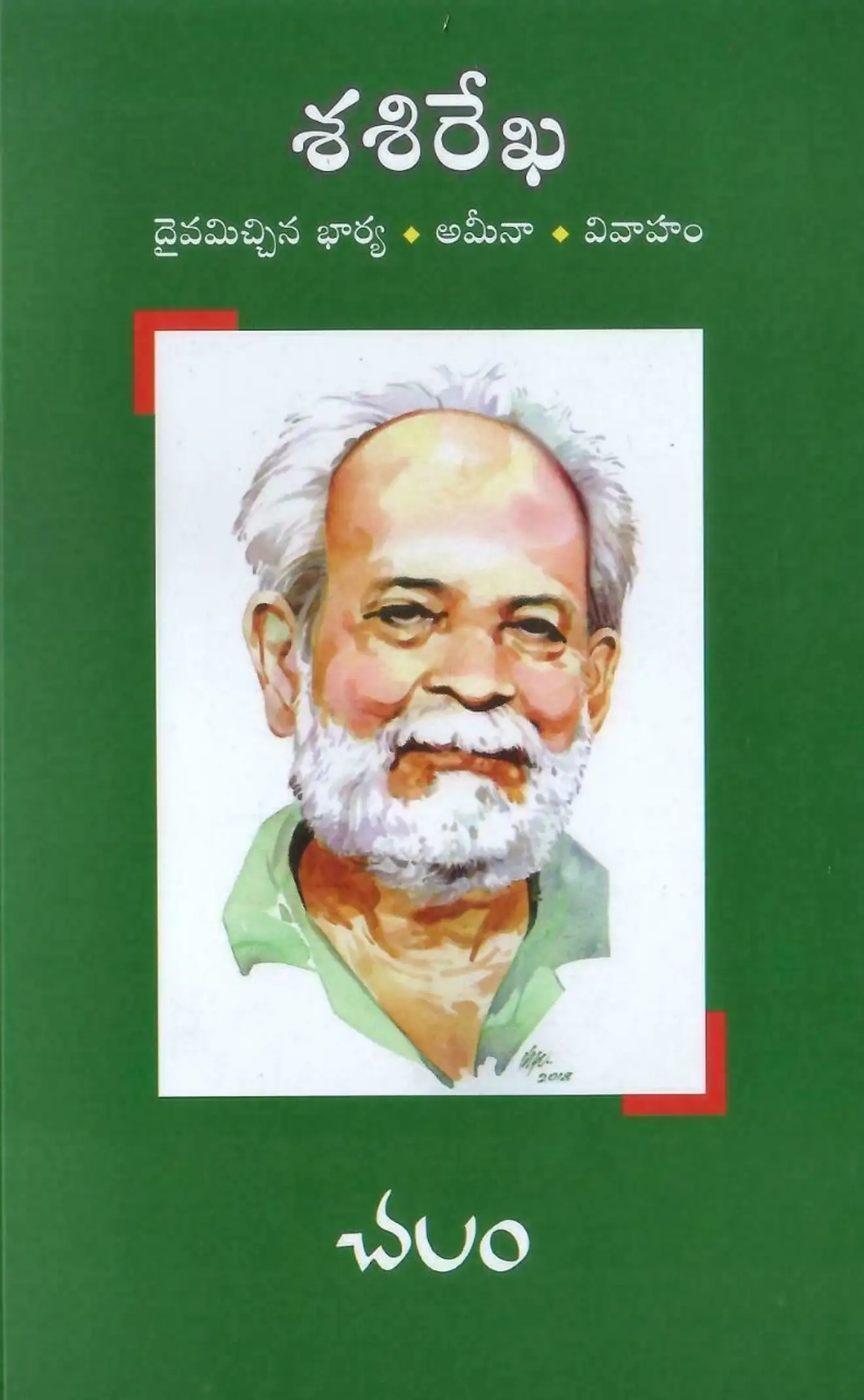
Sasirekha
Sasirekha
రచయిత
గుడిపాటి వెంకట చలం
Gudipati Venkata Chalam
కాలం
1930వ దశకం / 20వ శతాబ్దపు ప్రారంభం
1930s / Early 20th Century
వర్గం
సామాజిక వాస్తవికత / తాత్విక నవల
Social Realism / Philosophical Fiction
శైలి
సూటిగా, నిశితంగా, భావోద్వేగపూరితంగా ఉండే ఆధునిక తెలుగు
Direct, Provocative, and Emotionally Raw Modern Telugu
ఈ పుస్తకం చదివితే, సమాజం నిర్మించిన భ్రమలు పటాపంచలవ్వడాన్ని, సంప్రదాయాల ముసుగులో దాగున్న కపటత్వాన్ని మరియు తనదైన వెలుగు కోసం తపించే ఒక ఆత్మ ఆవేదనను మీరు అనుభవిస్తారు.

If you read this book, you will experience the shattering of societal illusions, the uncomfortable weight of hypocrisy, and the fierce, flickering flame of an individual soul seeking its own light amidst the shadows of tradition.

అగ్రహారాల నిశ్శబ్దంలో, ధూపదీపాల వెనుక దాగున్న అణిచివేతను ఈ నవల మన కళ్ళకు కడుతుంది. ఆచారాల పేరిట స్త్రీల వ్యక్తిత్వాన్ని ఎలా బలి ఇచ్చారో చలం ఇక్కడ నిశితంగా చర్చించారు. ఇది కేవలం ఒక కథ కాదు; పవిత్రతకు, క్రూరత్వానికి మధ్య ఉన్న సన్నని గీతను విశ్లేషించే ఒక సామాజిక శస్త్రచికిత్స. పాత్రల మనోభావాల ద్వారా ఒక తరాన్ని శాసించిన కట్టుబాట్ల అసలు స్వరూపాన్ని మనం చూడవచ్చు.

In the quiet, incense-heavy atmosphere of a traditional household, the walls hold secrets that no ritual can cleanse. 'Brahmaneekam' pulls back the curtain on the lives of those trapped within the rigid structures of early 20th-century orthodoxy. It isn't just a story; it is a dissection of the human condition, specifically the plight of women whose desires and identities were often sacrificed at the altar of 'social purity'. Through the protagonist's eyes, we see a world where the boundary between holiness and cruelty is paper-thin.

భారతదేశంలో సామాజిక సంస్కరణలు వెల్లువెత్తుతున్న సమయంలో రాసిన ఈ నవల, ప్రాచీన జీవన విధానానికి మరియు ఆధునిక ఆలోచనా దృక్పథానికి మధ్య జరిగిన సంఘర్షణను ప్రతిబింబిస్తుంది.

Written during a time of intense social reform in India, the book captures the friction between ancient Vedic lifestyles and the rising tide of individualistic thought. It reflects the early feminist stirrings in Telugu literature, challenging the patriarchal core of the 'Agrahara' life.

నేటి కృత్రిమ జీవనశైలిలో, ముసుగులు లేని నిజాన్ని చూడాలనుకునే వారికి ఈ పుస్తకం ఒక దిక్సూచి. మన మూలాలను, మనం గుడ్డిగా అనుసరించే నమ్మకాలను ప్రశ్నించే ధైర్యాన్ని ఇది ఇస్తుంది. వ్యక్తిగత స్వేచ్ఛకు, నిజాయితీకి ఉన్న విలువను గుర్తుచేస్తుంది.

In today’s world of digital masks and curated identities, Chalam’s ‘Brahmaneekam’ acts as a mirror that refuses to lie. It speaks to our modern struggle for authenticity and the courage it takes to question inherited beliefs. For anyone feeling the burnout of performative living, this book reminds us that true freedom begins with the honesty to see our cages for what they are.

తరతరాలుగా మూసి ఉన్న ఒక పాత ఇంటి తలుపులు తెరుచుకుంటున్న చప్పుడును ఊహించుకోండి. చలం మాటలు మిమ్మల్ని ఊరడించవు, అవి మిమ్మల్ని మేల్కొలుపుతాయి. చీకటి గదిలోకి తెచ్చిన దీపం లాంటిది ఈ రచన—ఆ వెలుతురు మొదట కళ్ళకు కష్టంగా అనిపించినా, బయటపడే మార్గం అదే చూపిస్తుంది. అర్ధరాత్రి వేళ మీతో మీరు మాట్లాడుకునే ఏకాంతంలో చదవాల్సిన పుస్తకం ఇది.

Imagine the sound of a heavy wooden door creaking open in a house that has been locked for generations. There is no background music, only the rhythmic sound of a spinning wheel and the distant chant of prayers. Chalam’s voice doesn’t soothe; it awakens. It is like a lamp brought into a dark cellar—the light might sting your eyes at first, but it is the only way to see the path out. This book is for the quiet moments after midnight when you are ready to face the truths you usually hide even from yourself.

పాత్రల మధ్య ఉండే మౌనాన్ని గమనించండి—మాటల కంటే ఆ నిశ్శబ్దమే ఎక్కువ అర్థాన్ని ఇస్తుంది.

Notice the way Chalam uses silence—the things left unsaid between characters often carry more weight than the dialogue.

పవిత్రత, అపవిత్రత అనే పదాలకు చలం ఇచ్చిన కొత్త నిర్వచనాలను పరిశీలించండి.

Pay attention to the recurring motifs of 'purity' and 'impurity' and how the author flips their conventional meanings.

కథానాయిక తనను తాను తెలుసుకునే క్రమంలో ఆమెలో కలిగే మానసిక పరిణామాలను గమనించండి.

Observe the psychological shifts in the protagonist as she moves from quiet compliance to internal rebellion.

సత్య అన్వేషకులు

The Truth-Seeker
సమాజం విధించిన కట్టుబాట్ల వెనుక ఉన్న నిజాన్ని తెలుసుకోవాలనుకునే వారికి ఇది ఒక గొప్ప సాధనం.
If you find yourself questioning why things are the way they are, Chalam provides a blueprint for intellectual bravery.

మానవ స్వభావ విశ్లేషకులు

The Student of Human Nature
సామాజిక నిర్మాణాలు మనిషి మనస్తత్వాన్ని ఎలా ప్రభావితం చేస్తాయో తెలుసుకోవడానికి ఇది ఒక పాఠ్యపుస్తకం లాంటిది.
For those interested in how social structures shape or crush the human psyche, this is a masterclass in psychological realism.

అంతర్మథనం చెందే వారు

The Quiet Rebel
లోకరీతికి, మనసులోని భావాలకు మధ్య నలిగిపోయే వారికి ఈ పుస్తకం ఒక ఆత్మీయ నేస్తంలా అనిపిస్తుంది.
If you feel a disconnect between your inner self and your social role, this book will feel like a conversation with a long-lost friend.

మైదానం (చలం)
Maidanam by Chalam
చివరకు మిగిలేది (బుచ్చిబాబు)
Chivaraku Migiledi by Buchi Babu
అల్పజీవి (రావిశాస్త్రి)
Alpajeevi by Raavi Sastry
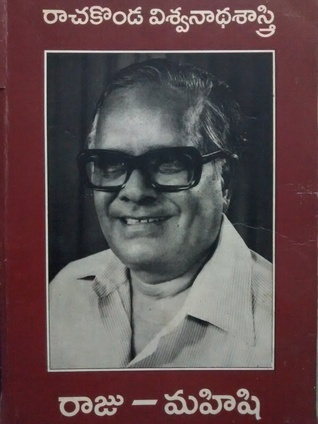
Aaru Sara Kathalu
Aaru Sara Kathalu
రచయిత
రావిశాస్త్రి (రాచకొండ విశ్వనాథ శాస్త్రి)
Raavi Sastry (Rachakonda Viswanatha Sastry)
కాలం
1960వ దశకం (స్వాతంత్ర్యానంతర వాస్తవికత)
1960s (Post-Independence Realism)
వర్గం
సామాజిక వాస్తవికత / కథా సంకలనం
Social Realism / Short Story Collection
శైలి
విశాఖపట్నం మాండలికం, లయాత్మకం, పదునైన శైలి
Visakhapatnam Dialect (Uttarandhra), Rhythmic, and Incisive
ఈ పుస్తకం చదివితే, సామాన్యుడి ఆకలి మంటలు, అణగారిన వర్గాల ఆక్రందనలు మరియు బ్రతుకు పోరాటంలోని అసలైన రుచిని మీరు అనుభవిస్తారు.
If you read this book, you will experience the raw, unvarnished pulse of the street, where the struggle for dignity is told through the scent of local arrack and the sharp rhythm of a marginalized community's survival.
ఈ కథల్లోని గాలి విశాఖపట్నం సందుల్లోని దుమ్ముతో, కోర్టు వరండాల నిశ్శబ్దంతో నిండి ఉంటుంది. న్యాయం కోసం వెతికే నిరుపేదలు, సారా కొట్టు దగ్గర బ్రతుకు చిత్రం విప్పే మనుషులు ఇక్కడ కనిపిస్తారు. చట్టం అనే చక్రబంధంలో చిక్కుకున్న సామాన్యుడికి తన గొంతుక తప్ప మరేదీ తోడుండదు. ఇది ఒక కఠినమైన, కానీ కల్మషం లేని మానవత్వపు ప్రపంచం.
The air in these stories is thick with the dust of Visakhapatnam's narrow lanes and the heavy silence of the local courts. We walk beside characters who live on the fringes—the laborers, the petty thieves, and the forgotten souls—whose lives are often treated as mere footnotes in the ledger of justice. Through the haze of a 'sara' (arrack) shop, the world looks different: more honest, more brutal, and deeply human. It is a world where the law is a labyrinth and the common man's voice is the only lantern available to navigate the darkness.
20వ శతాబ్దపు మధ్యకాలంలో కోస్తా ఆంధ్ర సామాజిక స్థితిగతులు, అప్పటి న్యాయ వ్యవస్థలోని లోపాలు మరియు పేద ప్రజల జీవనశైలిని ఇది ప్రతిబింబిస్తుంది.
Set in the mid-20th century coastal Andhra, it reflects a time when the legal system inherited from the British was often at odds with the lived realities and oral traditions of the local working class.

డిజిటల్ మెరుగుల వెనుక అసలు సిసలు మనిషి కనుమరుగవుతున్న ఈ కాలంలో, రావిశాస్త్రి కథలు మనల్ని నేల మీదకి తెస్తాయి. హోదా కంటే మానవత్వమే గొప్పదని, కష్టాల్లో ఉన్నవారి కళ్ళలో ఉండే సత్యం ఎంతో విలువైనదని ఇవి గుర్తు చేస్తాయి

In an era of polished digital filters and carefully curated identities, these stories offer a grounding shock of reality. They remind us that human value is not found in status, but in the resilience of those who endure. As we grapple with modern isolation, Sastry’s work reconnects us to the collective heartbeat of our society’s unseen corners.

రావిశాస్త్రి గారి కలానికి ఒక ప్రత్యేకమైన నడక ఉంది. అది ఉత్తరాంధ్ర యాసలోని తీపిని, ఘాటుని ఒకేసారి మనకు రుచి చూపిస్తుంది. ఆయన పాత్రలను దూరం నుండి చూడలేదు, వాటితో కలిసి జీవించారు. ఈ పుస్తకాన్ని తాకడం అంటే, సమాజం మర్చిపోయిన గొంతుకలను వినడమే. కోర్టు భాషకీ, సామాన్యుడి భాషకీ మధ్య ఉన్న అగాధాన్ని ఆయన ఎంతో నేర్పుగా చూపిస్తారు. మన ఇంట్లోని గ్రంథాలయంలో ఈ పుస్తకం ఉండటం అంటే, మన సామాజిక స్పృహను పదిలంగా ఉంచుకోవడమే. ఇది కేవలం పుస్తకం కాదు, నేల వాసనలు తెలిసిన ఒక సత్యం.

There is a specific music in the way Raavi Sastry writes—it is the sound of the Visakhapatnam coast, sharp as a sea breeze and heavy as a monsoon cloud. He does not look at his characters from a distance; he breathes their air. When you hold this book, you are holding the voices of those who were never meant to be heard. His use of the Uttarandhra dialect isn’t just a linguistic choice; it’s an act of rebellion, bringing the vernacular of the veranda into the sacred halls of literature. It deserves to stay in our home because it serves as our social conscience, reminding us that every face we pass on the street carries a story as complex as our own. It is a book that smells of the earth and tastes of truth.

పాత్రల మాటల్లోని లయ, ఆ మాటల వెనుక ఉన్న ఆవేదన.
The rhythmic repetition of words that mimics the natural cadence of a frustrated soul.

న్యాయ పరిభాష సామాన్యుడి జీవితాన్ని ఎలా ఉక్కిరిబిక్కిరి చేస్తుందో గమనించండి.

The way legal terminology is juxtaposed against the simple, desperate logic of the poor.

వ్యంగ్యం ఒక్కసారిగా కరుణగా మారే అద్భుత క్షణాలు.

The subtle shifts in tone where biting satire suddenly gives way to profound empathy.

యాసలోని సహజత్వం కథకు తెచ్చే నిండుదనం.

The use of 'silence' between dialogues to convey the weight of social oppression.

సత్యన్వేషి

The Truth Seeker
జీవితాన్ని ఉన్నదున్నట్లుగా, ఎటువంటి అలంకారాలు లేకుండా చూడాలనుకునే వారి కోసం.
For those tired of romanticized narratives who crave the salt and grit of real human experience.

భాషాభిమాని

The Language Lover
తెలుగు మాండలికంలోని శక్తిని, పదునుని ఆస్వాదించాలనుకునే పాఠకుల కోసం.
Anyone wishing to experience the power of the Telugu dialect as a sharp tool for social commentary.

సమాజ ప్రేమికుడు

The Compassionate Observer
అణగారిన వర్గాల అంతరంగాన్ని, వారి కష్టసుఖాలను అర్థం చేసుకోవాలనుకునే వారి కోసం.
Readers looking to understand the systemic layers that shape the lives of the underprivileged.
అల్పజీవి (రావిశాస్త్రి)
Alpajeevi by Raavi Sastry
కన్యాశుల్కం (గురజాడ అప్పారావు)
Kanyasulkam by Gurajada Apparao
మాలపల్లి (ఉన్నవ లక్ష్మీనారాయణ)
Maalapalli by Unnava Lakshminarayana
Raju Mahishi
Raju Mahishi
రచయిత
రాచకొండ విశ్వనాథశాస్త్రి (రావిశాస్త్రి)
Rachakonda Viswanatha Sastry (Ra. Vi. Sastry)
కాలం
1960-70ల కాలం
1960s-1970s
వర్గం
సామాజిక నవల / రూపక కథనం
Social Realist Fiction / Allegory
శైలి
విలక్షణమైన విశాఖ మాండలికం
Stylized Visakhapatnam Dialect
ఈ పుస్తకం చదివితే, అధికార యంత్రాంగం ముందు సామాన్యుడి నిస్సహాయతను, ఆ నిస్సహాయతలోంచి పుట్టే ఒక అపురూపమైన ఆత్మగౌరవాన్ని మీరు అనుభవిస్తారు.
If you read this book, you will experience the raw, rhythmic pulse of the streets and the quiet, defiant dignity of a soul caught in the grinding wheels of power.
కోర్టు హాల్లో వినిపించని ఆర్తనాదాలు, వీధి చివర చిమ్మే చీకట్లు, మనుషుల మధ్య నలిగిపోయే మనస్సాక్షి... ఇదీ ఈ పుస్తకం పరిచయం చేసే ప్రపంచం. ఒక గేదె సాక్షిగా సాగే ఈ జీవన సమరంలో, రావిశాస్త్రి గారు అక్షరాలను ముత్యాల్లా పేర్చలేదు, పదునైన కత్తుల్లా విసిరారు. ఇక్కడ భాష కేవలం భావ వ్యక్తీకరణ కాదు; అది ఒక ఆయుధం, ఒక అనుభూతి. ప్రతి పేజీలోనూ ఒక సామాన్యుడి గుండె చప్పుడు, వ్యవస్థలోని డొల్లతనం కళ్ళకు కట్టినట్టు కనిపిస్తాయి.

Imagine the dusty corridors of a colonial-style courthouse and the crowded, narrow lanes of a coastal city where the law speaks a language the heart cannot understand. Here, a humble buffalo becomes a symbol of a man’s survival, and the 'King' is not a crown-wearer but the invisible force of authority that moves the strings of fate. The prose does not merely describe the world; it dances with a nervous, electric energy that mimics the very breath of its characters, pulling you into a landscape of vibrant shadows and stark truths.
స్వాతంత్రం అనంతరం భారతదేశంలో ఉత్తరాంధ్ర సామాజిక పరిస్థితులు, సామాన్యుడికి మరియు న్యాయ వ్యవస్థకు మధ్య ఉన్న దూరాన్ని ఈ కథ ప్రతిబింబిస్తుంది.

The setting reflects the post-independence era in North Coastal Andhra, where traditional agrarian lives collided with a complex, often corrupt, modern legal bureaucracy.

నేటి యాంత్రిక జీవితంలో, మనం మనుషుల వెనుక ఉన్న మనుషులను చూడటం మర్చిపోతున్నాం. డిజిటల్ ప్రపంచంలో వాస్తవాలు కనుమరుగవుతున్న వేళ, ఈ కథ మనల్ని నేల మీదకు తెస్తుంది. సామాన్యుడి పక్షాన నిలబడాల్సిన బాధ్యతను మనకు గుర్తు చేస్తుంది.

In an age of digital noise and polished facades, we need the jagged, honest truth of the soil. This book reminds us that the struggle for justice is timeless, and that the beauty of our language lies in its most unvarnished, local accents. It grounds us when we feel adrift in globalized anonymity.

రావిశాస్త్రి గారి రచన అంటే విశాఖ తీరం మీద నడుస్తున్నట్టు ఉంటుంది. ఆయన వాక్యాలు మనల్ని ఉక్కిరిబిక్కిరి చేస్తాయి, మళ్ళీ మనకే తెలియని ఒక ఊరటనిస్తాయి. సమాజంలో అట్టడుగున పడి ఉన్న బతుకుల గురించి ఇంత సున్నితంగా, ఇంత నిర్మొహమాటంగా చెప్పడం ఆయనకే చెల్లింది. ఈ పుస్తకం మన ఇంట్లోని పాత అల్మారాలో ఉండాల్సిన ఒక విలువైన పత్రం లాంటిది. అది మన అస్తిత్వాన్ని, మన చుట్టూ ఉన్న వాస్తవాల్ని నిగ్గుతేల్చి చెబుతుంది. మనిషికి మనిషి తోడవ్వడమే గొప్ప సంస్కారం అని ఈ కావ్యం మన అంతరాత్మకు బోధిస్తుంది. ఆ శైలిలో ఉన్న వేగం, ఆ భావంలోని గాఢత చదువుతుంటే మనల్ని మనం కొత్తగా ఆవిష్కరించుకున్నట్టు ఉంటుంది.

Ra. Vi. Sastry’s words are like the Visakhapatnam waves—sometimes gentle, sometimes crashing with a fierce saltiness that stings the eyes. He captures the architecture of human suffering not with pity, but with a sharp-eyed clarity that demands respect. To read this is to realize that every ‘small’ person has a story as vast as an empire. It is a reminder that literature doesn’t just reside in palaces or ivory towers; it lives in the tea stalls and the rainy alleys where the real ‘Raju’ and ‘Mahishi’ walk. This book deserves a place in our home because it preserves the voice of the voiceless, teaching us to listen to the silence between the words. It is a mirror held up to our conscience, reflecting the enduring spirit of the Telugu commoner.

వాక్య నిర్మాణంలో ఉన్న ఒక విలక్షణమైన వేగం మరియు రిథమ్.
The staccato rhythm of the sentences that creates a sense of urgency and life.
విశాఖ మాండలికంలోని సహజమైన తీపి మరియు కారం.
How the Visakhapatnam dialect is used not just for flavor, but as a vehicle for profound philosophical depth.

చట్టం మరియు న్యాయం మధ్య ఉన్న సన్నని గీతను రచయిత విశ్లేషించిన తీరు.

The recurring motifs of the buffalo and the law, representing nature vs. artificial systems.

పాత్రల మౌనంలో దాగి ఉన్న అర్థాలు.

The way shadows and light are described, almost like a noir film in text.

భాషా ప్రేమికులు

The Language Enthusiast
తెలుగు వచనం ఎంత శక్తివంతంగా ఉంటుందో తెలుసుకోవడానికి.
To witness the heights of experimental Telugu prose and the power of dialect.

సామాజిక స్పృహ ఉన్నవారు

The Social Reformer
వ్యవస్థలో సామాన్యుడి పోరాటాన్ని లోతుగా అర్థం చేసుకోవడానికి.
To understand the systemic hurdles faced by the marginalized with deep empathy.

సాహిత్య విద్యార్థులు

The Modern Urbanite
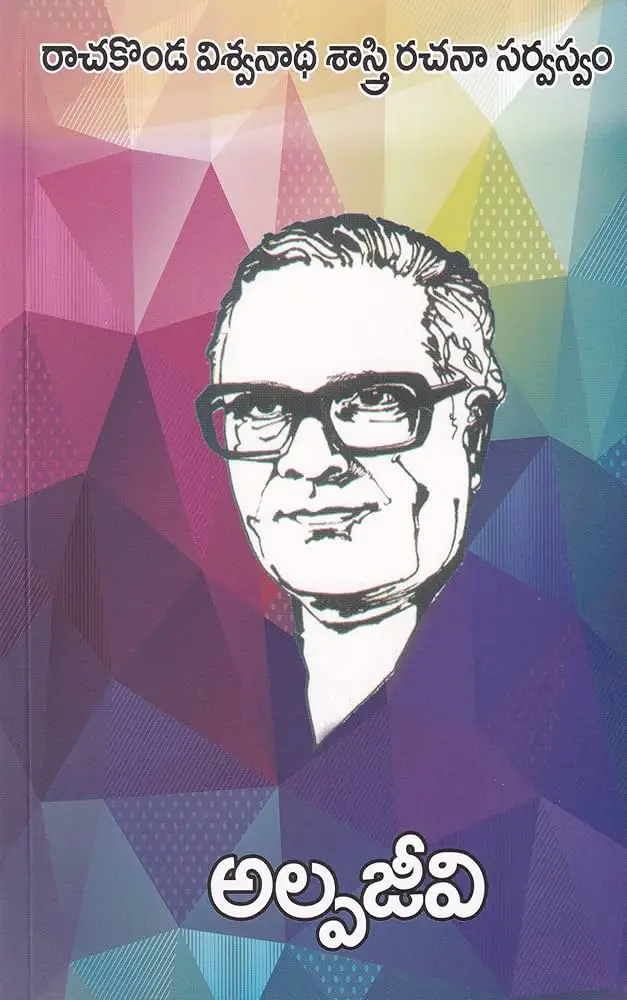
రావిశాస్త్రి గారి విలక్షణ శైలిని అధ్యయనం చేయడానికి.
To reconnect with the raw, unpolished roots of Telugu social reality.
అల్పజీవి (రావిశాస్త్రి)
Alpajeevi by Rachakonda Viswanatha Sastry
కన్యాశుల్కం (గురజాడ అప్పారావు)
Kanyasulkam by Gurazada Apparao
మహాప్రస్థానం (శ్రీశ్రీ)
Mahaprasthanam by Sri Sri
Alpajeevi
Alpajeevi
రచయిత
రాచకొండ విశ్వనాథ శాస్త్రి (రావిశాస్త్రి)
Rachakonda Viswanatha Sastry (Raavi Sastry)
కాలం
1950ల కాలం (స్వాతంత్ర్యానంతర యుగం)
1950s (Post-Independence Era)
వర్గం
మనోవైజ్ఞానిక వాస్తవికత
Psychological Realism / Stream of Consciousness
శైలి
విశాఖపట్నం మాండలికం / ఆంతరంగిక కథనం
Visakhapatnam Dialect / Introspective Prose
ప్రచురణ
1950
ఈ పుస్తకాన్ని చదివితే, ఒక సామాన్యుడి మనసులో దాగున్న భయాల అలజడిని, అణిచివేత నీడలో నలిగిపోయే ఆత్మ వేదనని, తన ఉనికి కోసం పరితపించే ఒక చిన్న జీవితపు వెలుగుని మీరు అనుభవిస్తారు.
If you read this book, you will experience the quiet storm of a common man's insecurities, the weight of a submissive soul's shadows, and the flickering light of an ordinary life trying to find its own voice.
కోస్తా తీరపు ఒక చిన్న పట్టణంలో, గోడల చాటున నక్కుతూ నడిచే సుబ్బయ్య మనకు పరిచయమవుతాడు. గాలి పీల్చుకోవడానికి కూడా అనుమతి అడగాలన్నంత భయం అతనిలో ఉంటుంది. ఇది యుద్ధాల కథ కాదు, తన లోపలి పిరికితనంతో ఒక సామాన్యుడు చేసే పోరాటం. ప్రభుత్వ కార్యాలయాల ఇరుకు గదుల్లో, మధ్యతరగతి ఇంటి లోగిళ్లలో అధికారం ఎలా ఒక మనిషిని అల్పజీవిగా మారుస్తుందో ఈ పుస్తకం మన కళ్లకు కడుతుంది. సుబ్బయ్య ఆలోచనల సుడిగుండంలో మనం కూడా ఒక భాగమైపోతాము.

In the dusty sunlight of a small coastal town, we encounter Subbaiah—a man so timid he seems to walk close to the walls to avoid taking up space. He is the archetypal 'small man,' caught in the gears of a bureaucratic office and the suffocating expectations of a middle-class existence. The story doesn't unfold through grand actions, but through the labyrinth of Subbaiah’s mind, where fear and hope dance a fragile duet. It is a world of ink-stained fingers, unspoken anxieties, and the terrifying beauty of a soul beginning to stir against its own constraints.

స్వాతంత్ర్యానంతర తెలుగు సమాజంలో మధ్యతరగతి జీవితాల స్థితిగతులు, బ్యూరోక్రసీ ప్రభావం, మరియు అధికారం ముందు సామాన్యుడు పడే ఆవేదనను ఇది ప్రతిబింబిస్తుంది.

Set in post-independence Andhra, the book reflects the rigid social hierarchies and the burgeoning bureaucratic culture where a man's worth was often tied to his designation and his ability to submissively follow orders.

నేటి వేగవంతమైన ప్రపంచంలో అందరూ తమను తాము గొప్పగా ప్రదర్శించుకోవాలనే తపనలో ఉన్నారు. అటువంటి సమయంలో అల్పజీవి మనలో ఉండే బలహీనతలను అంగీకరించమని చెబుతుంది. సమాజం నిర్ణయించిన గొప్పతనానికి ఇచ్చే ప్రాముఖ్యత కంటే, ఆత్మగౌరవంతో బతకడం ఎంత ముఖ్యమో ఇది నేర్పుతుంది.

In an era of relentless self-promotion and digital noise, Alpajeevi serves as a sanctuary for the introverted spirit. It speaks to the modern struggle of identity—how we often shrink ourselves to fit societal molds and the burnout that follows. It reminds us that the greatest revolution is often the one that happens silently within a person who finally decides they are worthy of their own life.

అల్పజీవి అంటే కేవలం చిన్నవాడని కాదు, మనందరిలోనూ ఎక్కడో ఒకచోట దాగి ఉన్న ఒక అసహాయ స్వరం. రావిశాస్త్రి గారు సుబ్బయ్య పాత్ర ద్వారా కేవలం ఒక వ్యక్తిని చిత్రీకరించలేదు, ఒక తరం నాటి సామాన్యుడి నాడిని పట్టుకున్నారు. మన గ్రంథాలయంలో ఈ పుస్తకం ఉండటం అంటే, మనలోని మౌనాన్ని మనం గౌరవించుకోవడమే. వాన కురిసినప్పుడు మట్టి నుంచి వచ్చే ఆ వాసన లాగా, ఈ కథలో ఒక సహజత్వం ఉంటుంది. ఇస్త్రీ చేసిన చొక్కాల వెనుక మనం దాచుకునే భయాలను ఈ పుస్తకం పలకరిస్తుంది. ఇది చదువుతున్నప్పుడు మనం మనలోని సంకెళ్ళను గుర్తించి, వాటిని విడిపించుకునే ధైర్యం తెచ్చుకుంటాం. ఒక చిన్న ప్రాణం కూడా తన గళాన్ని విప్పితే అది ఎంతటి సంచలనాన్ని సృష్టిస్తుందో ఈ పుస్తకం నిరూపిస్తుంది.

There is a peculiar, aching beauty in the mundane that only the ‘alpajeevi’—the insignificant one—can truly see. Rachakonda Viswanatha Sastry did not just write a novel; he mapped the nervous system of an entire generation caught between fading traditions and a cold, modern bureaucracy. This book lives in our home library because it honors the vulnerability we usually hide behind ironed shirts and polite smiles. It feels like the scent of old paper and the dampness of a rainy evening in Visakhapatnam—visceral, real, and deeply human. To read it is to stop running from your own shadows and finally offer them a seat at the table. It is a testament to the fact that even the most fragile life holds a resonance that can shake the world if it dares to speak.

విశాఖపట్నం యాసలోని మాధుర్యాన్ని, అది పాత్రల భావోద్వేగాలను ఎలా పలికిస్తుందో గమనించండి.

The rhythmic flow of the Visakhapatnam dialect, which gives the internal monologue a musical, haunting quality.

నిశ్శబ్దంలో వినిపించే మాటల వెనుక ఉన్న నిగూఢ అర్థాలను అర్థం చేసుకోవడానికి ప్రయత్నించండి.

The way 'fear' is treated not just as an emotion, but as a physical presence that inhabits the rooms and streets.

సుబ్బయ్య మనసులో జరిగే సంఘర్షణ సమాజపు పోకడలను ఎలా ప్రతిబింబిస్తుందో చూడండి.

The subtle shifts between Subbaiah's external reality and the vivid, often chaotic landscape of his inner thoughts.

నిశ్శబ్ద ప్రేమికులు

The Quiet Observer
లోకం చాలా వేగంగా, గట్టిగా అరుస్తున్నట్లు అనిపించేవారికి ఈ పుస్తకం ఒక ఓదార్పు.
For those who find the world too loud and seek a story that validates the intensity of the inner life.

మనస్తత్వ శాస్త్ర జిజ్ఞాసువులు

The Language Enthusiast
మనిషి ఆలోచనా సరళిని, భయాలను లోతుగా అర్థం చేసుకోవాలనుకునే వారికి.
To experience how regional dialects can be elevated into a profound literary art form.

భాషాభిమానులు

The Modern Professional
తెలుగు భాషలోని మాండలిక సౌందర్యాన్ని, రావిశాస్త్రి గారి శైలిని ఆస్వాదించేవారికి.
For anyone feeling lost in the machinery of modern work life, seeking a reflection on self-worth.

బుచ్చిబాబు గారి 'చివరకు మిగిలేది'
Chivaraku Migiledi by Buchi Babu
చలం గారి 'మైదానం'
Maidanam by Gudipati Venkata Chalam
త్రిపురనేని గోపీచంద్ గారి 'అసమర్థుని జీవయాత్ర'
Asamardhuni Jeevayatra by Tripuraneni Gopichand
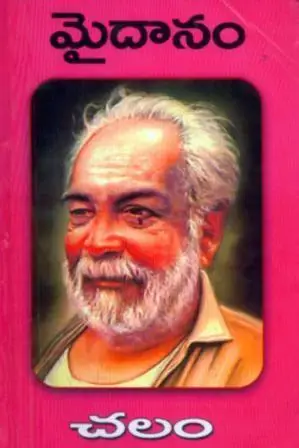
Maidanam
Maidanam
రచయిత
గుడిపాటి వెంకట చలం
Gudipati Venkata Chalam
కాలం
1920వ దశకం (ఆధునిక యుగం)
1920s (Modernist Era)
వర్గం
నవల / స్త్రీవాద మరియు తాత్విక సాహిత్యం
Philosophical Novel / Feminist Literature
శైలి
సూటిగా, కవితాత్మకంగా, నిజాన్ని నిర్భయంగా చెప్పే శైలి
Raw, deeply poetic, and fiercely unapologetic
ప్రచురణ
1927
మీరు ఈ పుస్తకాన్ని చదివితే, స్వేచ్ఛ కోసం ఒక ప్రాణం చేసే ప్రయాణంలోని తీవ్రతను, తన ఉనికిని తాను వెతుక్కునే ఒక భావోద్వేగపు తుఫానును లోతుగా అనుభూతి చెందుతారు.
If you read this book, you will experience the fierce, unyielding winds of freedom and the profound, often painful journey of a spirit claiming its own untamed essence.
ప్రేమలేని వివాహపు నాలుగు గోడల మధ్య ఊపిరాడక, ఆ ఇరుకు గదుల నుండి విశాలమైన స్వేచ్ఛా ప్రపంచంలోకి అడుగుపెట్టిన అమీర్బీ ప్రయాణం ఇది. ఈ కథ ఆచారాల ముసుగులో ఉన్న సమాజానికి, హద్దులు లేని విశాల మైదానానికి మధ్య ఉన్న వ్యత్యాసాన్ని కళ్లకు కడుతుంది. ఆమె అన్వేషణ కేవలం ఒక గడప దాటడం కాదు, ఆత్మను బంధించిన సంకెళ్లను తెంచుకోవడం. తనకంటూ ఒక గుర్తింపును, తన ఇష్టాలను స్వేచ్ఛగా ప్రకటించుకునే ఒక అగ్ని పరీక్ష ఇది. సంప్రదాయపు గడప దాటిన ప్రతి అడుగూ ఇక్కడ ఒక తిరుగుబాటు, ఒక విజయం.

The narrative unfolds against the stifling confines of orthodox societal norms, contrasting sharply with the vast, boundless plains that symbolize absolute freedom. It follows Ameerbi, a woman who steps out of the suffocating walls of a loveless marriage and into the uncharted unknown. Her journey is not merely physical, but a profound internal rebellion. She seeks a love that does not bind, a life that does not cage, and an identity carved strictly by her own fierce desires. In this world, every step outside the traditional threshold is both a scandalous transgression and a monumental victory of the self.

1920ల కాలంలో, తెలుగు సమాజం కఠినమైన పితృస్వామ్య ఆచారాల్లో కూరుకుపోయిన సమయంలో ఈ నవల ఒక పెద్ద సంచలనం. సంప్రదాయ కుటుంబ వ్యవస్థ పునాదులను, స్త్రీల పట్ల ఉన్న అణిచివేతను ఇది నిర్మొహమాటంగా ప్రశ్నించింది.

Written in the late 1920s, a time when Telugu society was deeply entrenched in patriarchal orthodoxy, this novel was revolutionary, scandalous, and fiercely debated. It boldly challenged the very foundation of the traditional family structure and the expected subservience of women.

నేటి ఆధునిక ప్రపంచంలో స్వేచ్ఛ అంటే కేవలం బాహ్యమైనదిగా మారిపోయిన తరుణంలో, ఆత్మగౌరవం కోసం చెల్లించాల్సిన మూల్యాన్ని ఈ అక్షరాలు గుర్తుచేస్తాయి. సామాజిక అంచనాల ఒత్తిడిలో తమ అస్తిత్వాన్ని కోల్పోతున్న వారికి, తమలోని నిజాన్ని ధైర్యంగా ఎలా ఎదుర్కోవాలో ఈ పుస్తకం నేర్పుతుంది. నిజంగా జీవించడానికి దేన్ని పణంగా పెట్టాలో ఇది మౌనంగానే ప్రశ్నిస్తుంది.

In an era where modern liberation often feels superficial, these deeply rooted words serve as a reminder of the raw, terrifying, and beautiful cost of true authenticity. This book speaks directly to the quiet feeling of being caged by expectations, offering a timeless reflection on the pursuit of selfhood amidst the deafening noise of traditional compliance. It gently but firmly asks what must be risked to truly live.

ఈ పుస్తకంలోని పేజీల్లో దాగున్న వేడి వందేళ్లు గడుస్తున్నా ఏమాత్రం చల్లారలేదు. ఈ అక్షరాలు మొదటిసారి కాగితంపై పడినప్పుడు, అవి ఒక నిశ్శబ్దపు సాంప్రదాయక ముంగిట్లో పడిన పిడుగుల్లాంటివి. ఈ రోజు మనం దీన్ని చేతుల్లో పట్టుకోవడమంటే, ఇంకా ఊపిరి పీల్చుకుంటున్న ఒక సజీవ చరిత్రను పట్టుకున్నట్లే. ప్రేమ, యాజమాన్యం, మనుషుల మీద సమాజం వేసే అదృశ్య సంకెళ్ల గురించి ఈ పుస్తకం సూటిగా ప్రశ్నిస్తుంది. కలం నుండి జాలువారిన ప్రతి అక్షరం, జీవితాల్లోని అదృశ్యపు గోడలను కూల్చి, విశాలమైన మైదానంలో స్వేచ్ఛగా నడవమని పిలుస్తుంది. ఇది కేవలం లాలించే కథ కాదు, అంతరంగాన్ని మేల్కొలిపే అగ్ని.

There is a certain fire in the pages of this book that has not dimmed in nearly a century. When these words first fell onto paper, they were a sudden crack of thunder in a quiet, orthodox courtyard. To hold this book today is to hold a piece of history that still bleeds and breathes. It asks uncomfortable questions about love, ownership, and the invisible chains placed on the human spirit. The ink feels as though it was poured from a restless heart, challenging the reader to look at the vast, open fields of life and ask where the invisible walls still lie. It is not a tale meant to soothe; it is meant to awaken.

ఇంటి లోపలి ఉక్కబోతకు, ఆరుబయట ప్రకృతిలోని స్వేచ్ఛకు మధ్య ఉన్న సున్నితమైన, బలమైన వ్యత్యాసం.

The striking, sensory contrast between indoor spaces representing cages and the outdoor natural world representing boundless freedom.

అమీర్బీ ఆలోచనా విధానంలో వచ్చే మార్పులు, ఆమె గొంతులో క్రమంగా పెరిగే ధిక్కార స్వరం.

The evolution of the protagonist's internal voice, moving from hesitant whispers to fierce, independent declarations.

మానవ సహజమైన కోరికలను ఒక సామాజిక నేరంగా కాకుండా, ఒక పవిత్రమైన హక్కుగా మార్చిన కవితాత్మక శైలి.

The poetic prose that elevates human desire from a societal taboo to a sacred, undeniable right.

స్వేచ్ఛా పిపాసులు

The Seeker of Authenticity
సామాజిక కట్టుబాట్లలో ఇరుక్కుపోయి, తమ నిజమైన ఉనికిని వెతుక్కునే వారి కోసం.
For those feeling trapped by societal expectations and yearning for unapologetic, unvarnished truths.

సాహిత్య అన్వేషకులు

The Literary Historian
ఆధునిక తెలుగు సాహిత్యంలో అత్యంత సంచలనాత్మకమైన, ఆలోచింపజేసే రచనను అనుభవించడానికి.
To experience one of the most pivotal, earth-shattering works that redefined modern Telugu literature.

అంతర్మధనం చెందే వారు

The Restless Soul
ప్రేమ, బాధ్యత, స్వేచ్ఛల మధ్య ఉన్న సున్నితమైన సంఘర్షణను అర్థం చేసుకోవాలనుకునే వారికి.
For anyone navigating the complex, often painful intersection of duty, love, and personal freedom.

త్రిపురనేని గోపీచంద్ రాసిన 'అసమర్థుని జీవయాత్ర'
Asamardhuni Jeevayatra by T. Gopichand
బుచ్చిబాబు రాసిన 'చివరకు మిగిలేది'
Chivaraku Migiledi by Buchi Babu
కావలసిన పదార్ధాలు
తయారి విధానం
[real3dflipbook id='1']