Library

గ్రంధాలయం

Stories, poems, songs and memories – curated by our family for yours.

Choose a book by Mood, Age, or Instinct.
The Right Story will find You.

మా పుస్తకాల అర

Ramayana Vishavruksham
రచయిత
రంగనాయకమ్మ
Ranganayakamma
కాలం
1974-1976
1974-1976
వర్గం
విమర్శనాత్మక విశ్లేషణ / స్త్రీవాద సాహిత్యం
Critical Analysis / Feminist Literature
శైలి
తార్కిక, విశ్లేషణాత్మక మరియు సూటిగా ఉండే శైలి
Analytical, Rationalist, and Provocative
ఈ పుస్తకాన్ని చదివితే, మీరు తరతరాలుగా వస్తున్న పురాణ గాథల వెనుక ఉన్న సామాజిక చట్రాలను తర్కంతో, సామాజిక న్యాయంతో ప్రశ్నించే ఒక కొత్త చూపును పొందుతారు.
If you read this book, you will experience the startling weight of a mirror held up to an ancient epic, challenging every tradition you were told to never question with the cold, sharp light of logic and social justice.
మన గ్రంథాలయంలోని మిగిలిన పుస్తకాలు ఒక ఎత్తు, ఈ పుస్తకం ఒక ఎత్తు. ఇది రామకథను ఒక దైవిక కావ్యంగా కాకుండా, ఒక సామాజిక వ్యవస్థగా విశ్లేషిస్తుంది. పవిత్రమైనదిగా భావించే ప్రతి విషయాన్ని తర్కంతో గీటురాయిపై పెట్టి చూస్తుంది. వాల్మీకి రామాయణంలోని ప్రతి శ్లోకాన్ని సామాజిక కోణంలో విడమర్చి చెబుతూ, పాత్రల మధ్య ఉండే అధికార సంబంధాలను, లింగ వివక్షను ఎత్తి చూపుతుంది. ఇది కేవలం పఠనం కాదు, ఒక లోతైన ఆలోచనా మథనం.

The library is usually a place of quiet reverence, but this volume hums with a different energy—the energy of a storm. It does not tell the story of Rama as a divine play, but as a human social structure carved in stone and patriarchy. Walking through these pages is like walking through a familiar temple but looking at the cracks in the foundation rather than the gold on the idol. It dismantles the Valmiki Ramayana verse by verse, stripping away the supernatural to reveal the human power dynamics beneath.

1970లలో ఆంధ్రప్రదేశ్‌లో ఊపందుకున్న హేతువాద, విప్లవ ఉద్యమాల నేపథ్యంలో వచ్చిన ఈ రచన, తెలుగు సమాజంలో మతపరమైన గ్రంథాలను చూసే దృక్పథాన్ని మార్చివేసింది.

Written during the height of the rationalist and revolutionary movements in Andhra Pradesh (1970s), this work sparked intense public debate and redefined how Telugu society approached religious texts.

గుడ్డిగా అనుసరించడం కన్నా, ప్రశ్నించడం గొప్ప సంస్కారం అని ఈ పుస్తకం మనకు గుర్తు చేస్తుంది. నేటి డిజిటల్ యుగంలో సమాచారాన్ని విశ్లేషించే శక్తి తగ్గిపోతున్న తరుణంలో, ఈ గ్రంథం మనకు విమర్శనాత్మక ఆలోచనా ధోరణిని నేర్పుతుంది. మన మూలాలను గౌరవిస్తూనే, వాటిలోని లోటుపాట్లను గుర్తించగల ధైర్యాన్ని ఇది ఇస్తుంది.

In an age where information is swallowed whole and nuance is often lost to noise, this book stands as a pillar of critical thinking. It reminds us that our heritage is not just to be worshipped, but to be understood and, when necessary, questioned. It speaks to the modern soul that feels the friction between ancient customs and modern values of equality.

ఈ పుస్తకాన్ని చేతిలోకి తీసుకున్నప్పుడు మనసులో ఒక నిశ్శబ్దం ఆవరిస్తుంది. అది దశాబ్దాలుగా పేరుకుపోయిన సంప్రదాయ మౌనాన్ని ఛేదించే నిశ్శబ్దం. రంగనాయకమ్మ గారు కేవలం విమర్శ చేయలేదు; ఒక మేధోపరమైన విప్లవాన్ని సృష్టించారు. ఒక ఇంటి విజ్ఞాన భాండాగారంలో భిన్నమైన గొంతులకు చోటు ఉండాలి. అప్పుడే ఆ ఇల్లు చైతన్యవంతంగా ఉంటుంది. రామాయణ విషవృక్షం మన గ్రంథాలయంలో ఉండటం అంటే, మన ఇంట్లో ఒక నిరంతర చర్చకు, ప్రశ్నకు తావు ఇవ్వడమే. ఇది చదివినప్పుడు కలిగే అసహనం మనల్ని మరింత లోతుగా ఆలోచించేలా చేస్తుంది.

There is a peculiar stillness in the air when one picks up this book. It is the sound of a long-standing silence being broken. Ranganayakamma didn’t just write a critique; she built a bridge between the logic of the modern mind and the stories of our ancestors. To read this is to participate in a grand, difficult conversation that has shaped Telugu intellectual thought for decades. It is uncomfortable, yes, but so is the process of waking up. It deserves its place on our shelf because a home that cannot house a dissenting voice is a home that has stopped growing.

వాల్మీకి శ్లోకాలనే ప్రాతిపదికగా తీసుకుని రచయిత్రి చేసిన తార్కిక విశ్లేషణ.

The relentless application of Marxist and feminist lenses to characters we usually see as infallible.

స్త్రీవాద కోణంలో సీత వంటి పాత్రల స్థితిగతులపై చేసిన లోతైన చర్చ.

The way the author uses the original Valmiki verses to build her counter-arguments.

సామాజిక వర్గ విభజన రామాయణ పాత్రల ప్రవర్తనను ఎలా ప్రభావితం చేసిందో వివరించిన తీరు.

The recurring theme of social hierarchy and how it influences the 'morality' of the characters.

ప్రశ్నించే మనస్తత్వం ఉన్నవారు

The Skeptic
సంప్రదాయ వాదనలకు అతీతంగా లోతైన తార్కిక విశ్లేషణ కోరుకునే వారి కోసం.
For those who have always felt uneasy with traditional narratives and seek a logical framework to understand their doubts.

సాహిత్య విద్యార్థులు

The Student of Literature
ఒక కావ్యాన్ని విమర్శనాత్మక కోణంలో ఎలా అధ్యయనం చేయాలో తెలుసుకోవడానికి.
To witness how a critique can be as powerful and enduring as the work it analyzes.

సామాజిక కార్యకర్తలు

The Social Reformer
భారతీయ సంస్కృతిలో పితృస్వామ్య మూలాలు ఎక్కడ ఉన్నాయో స్త్రీవాద దృక్పథంతో అర్థం చేసుకోవడానికి.
To understand the roots of patriarchal structures in Indian cultural history through a feminist perspective.

చలం 'మైదానం'
Maidanam by Chalam
ఓల్గా 'విముక్త'
Vimukta by Volga
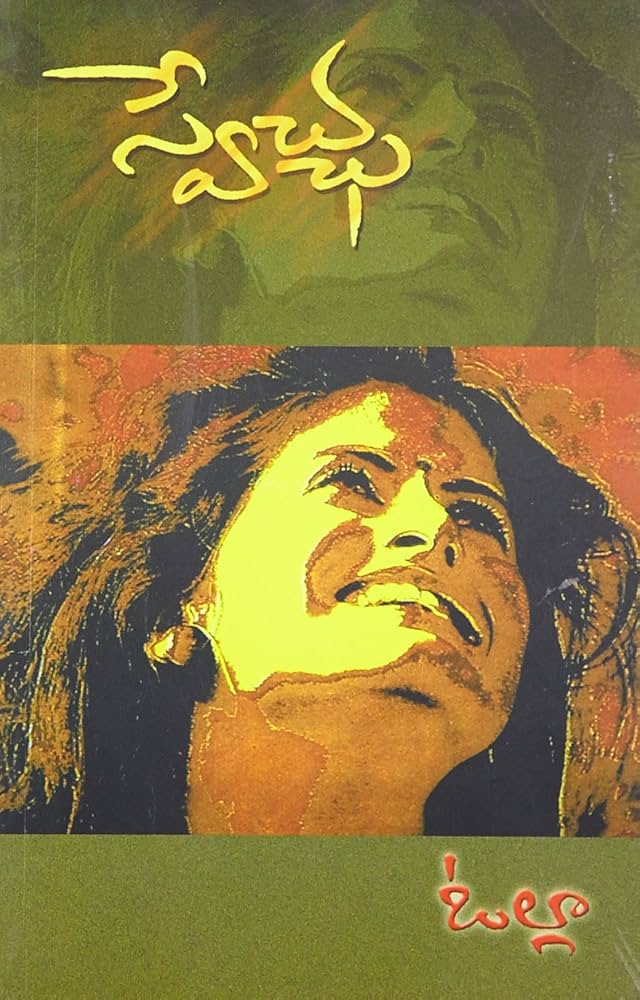
Swecha
Swecha
రచయిత
ఓల్గా
Volga
కాలం
1980ల చివరి కాలం
Late 1980s
వర్గం
స్త్రీవాద సాహిత్యం / సామాజిక వాస్తవికత
Feminist Literature / Social Realism
శైలి
సూటిగా, విశ్లేషణాత్మకంగా ఉండే ఆధునిక వచనం
Direct, Analytical, and Evocative Modern Prose
ఈ పుస్తకాన్ని చదివితే, ఒక స్త్రీ ఆత్మ తన సంకెళ్లను తెంచుకునే క్రమంలో కలిగే కంపనాన్ని, సామాజిక కట్టుబాట్ల బరువును, మరియు తనను తాను ఎంచుకోవడంలో ఉండే విముక్తిని మీరు అనుభవిస్తారు.

If you read this book, you will experience the quiet tremor of a woman’s soul breaking its chains, the heavy weight of societal expectations, and the liberating clarity that comes from finally choosing oneself.

కుమార్తెగా, భార్యగా, తల్లిగా... కేవలం ఇతరుల కోణంలోనే తనను తాను చూసుకునే అరుణ, తన చుట్టూ ఉన్న అదృశ్య గోడలను గుర్తించడం ఈ కథా వస్తువు. సంప్రదాయ మధ్యతరగతి తెలుగు కుటుంబ నేపథ్యంలో సాగే ఈ ప్రయాణం, అలవాటైన జీవితం నుండి తనకంటూ ఒక సొంత అస్తిత్వం వెతుక్కునే దిశగా సాగుతుంది. ప్రేమ పేరుతో, అలవాట్ల పేరుతో మన చుట్టూ అల్లుకున్న పంజరాల నుండి బయటపడటం ఎంత కష్టమో ఈ పుస్తకం చూపిస్తుంది.

In a world where a woman’s identity is often just a reflection of her roles—daughter, wife, mother—Aruna begins to notice the invisible glass walls surrounding her life. Set against the backdrop of a traditional middle-class Telugu household, the story follows her journey from a comfortable, predetermined existence toward the uncharted territory of self-ownership. It is a world of soft-spoken rebellions and the sharp realization that the most difficult cages to escape are the ones built with love and habit.

ఇరవయ్యవ శతాబ్దపు చివరలో తెలుగు మధ్యతరగతి సామాజిక నేపథ్యం, అప్పుడప్పుడే మొదలవుతున్న స్త్రీవాద చైతన్యం, మరియు పితృస్వామ్య వ్యవస్థలో కుటుంబ విలువల మధ్య జరిగే ఘర్షణను ఈ నవల ప్రతిబింబిస్తుంది.

Set against the backdrop of the late 20th-century Telugu middle class, the book captures the rising tide of feminist consciousness in Andhra Pradesh, challenging the deep-rooted patriarchal structures of the traditional family unit.

డిజిటల్ ప్రపంచంలో అందరూ చూపే ముసుగుల మధ్య బతుకుతున్న నేటి కాలంలో, నిజమైన స్వేచ్ఛ అనేది మన అంతరంగంలో జరగాల్సిన పని అని ఈ పుస్తకం గుర్తు చేస్తుంది. సమాజం మనపై రుద్దే ‘ఆదర్శ’ రూపాల నుండి బయటపడి, మన నిజాయితీని కాపాడుకోవడానికి ఇది ఒక మార్గదర్శిగా నిలుస్తుంది.

In an era of performative digital identities and constant external noise, Swecha reminds us that true liberation is an internal labor. It speaks to the modern struggle of balancing heritage with individual truth, offering a roadmap for anyone feeling suffocated by the ‘ideal’ versions of themselves projected by society.

మన ఇంటి లైబ్రరీలో ఈ పుస్తకం ఒక నిశ్శబ్ద దీపంలా వెలుగుతుంటుంది. ఇది గట్టిగా అరవదు, కానీ మనం చీకట్లో వదిలేసిన మనసులోని మూలలను తన వెలుగుతో తాకుతుంది. ఓల్గా గారు కేవలం ఒక కథను చెప్పలేదు, తెలుగు స్త్రీల అంతర్మథనాన్ని ఒక మ్యాప్‌లా మన ముందుంచారు. ఇది చదువుతుంటే అద్దం ముందు నిలబడి మనతో మనమే నిజాయితీగా మాట్లాడుకుంటున్నట్లు ఉంటుంది. మనకు ఇష్టమైన దారిలో నడవడానికి కావలసిన ధైర్యం గురించి ఇది చర్చిస్తుంది. మన ఇంట్లోని స్త్రీల పట్ల మన దృక్పథాన్ని మార్చగలిగే శక్తి ఈ పుస్తకానికి ఉంది.

This book sits on our shelf like a steady lamp in a drafty room. It doesn’t shout, yet its light reaches the corners we often prefer to leave in shadow. Volga didn’t just write a novel; she mapped the interior landscape of the Telugu woman’s struggle for agency. Reading it feels like a long, honest conversation with a mirror—the kind that shows you not just who you are, but the person you have been afraid to become. It honors the immense courage it takes to say ‘no’ to the comfortable and ‘yes’ to the unknown. It deserves to live in our home because it transforms the way we look at the women in our lives and the freedom we often take for granted.

అరుణ అంతర్మథనంలో 'మనం' అన్న పదం నుండి 'నేను' అన్న స్పష్టతకు వచ్చే మార్పును గమనించండి.

Observe the subtle shift in Aruna’s internal monologue from 'we' and 'them' to the definitive 'I'.

ఇంటి గదులు - వంటగది, పడకగది - కేవలం నివాస స్థలాలు కాక, ఆమె ఆత్మవిమర్శకు వేదికలుగా ఎలా మారాయో చూడండి.

Notice how the physical spaces of the house—the kitchen, the bedroom—transform from places of comfort to sites of silent negotiation.

వెలుగు, నీడల రూపకాలను గమనించండి, ఇవి అరుణ తన కోరికలపై పొందే స్పష్టతకు సంకేతాలుగా కనిపిస్తాయి.

Pay attention to the recurring metaphor of light and shadows, reflecting the clarity Aruna gains over her own desires.

ఆత్మనిశ్చయం కోసం వెతికేవారు

The Seeker of Self
ఇతరుల కోసం బతుకుతూ తనను తాను కోల్పోతున్నామని భావించే వారికి ఇది ఒక కరదీపిక.
For those who feel their personal identity is being swallowed by the roles they play for others.

సాహిత్య ప్రేమికులు

The Student of Change
తెలుగు సాహిత్యంలో స్త్రీవాద ఉద్యమ మూలాలను, భావోద్వేగాలను అర్థం చేసుకోవాలనుకునే వారికి.
For anyone wishing to understand the historical and emotional roots of the women's movement in Telugu literature.

నిశ్శబ్ద పోరాట యోధులు

The Quiet Rebel
స్వేచ్ఛ కోసం పడే తపనను, దాని వెనుక ఉండే సాహసాన్ని గుర్తించాలనుకునే ప్రతి ఒక్కరికీ.
For the soul that knows the cost of freedom but needs the validation to take the first step.

అమ్మకు ఆదివారం లేదా? (ఓల్గా)
Ammaku Adivaram Leda? by Volga
చివరకు మిగిలేది (బుచ్చిబాబు)
Chivaraku Migiledi by Buchibabu
అతడు-ఆమె (ఉప్పల లక్ష్మణరావు)
Athadu-Ame by Uppala Lakshmanarao
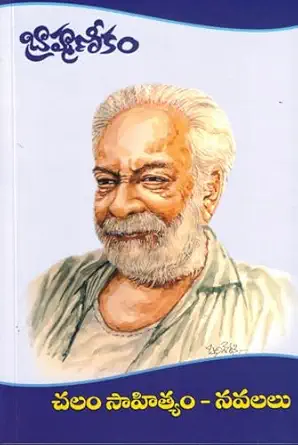
Brahmaneekam
Brahmaneekam
రచయిత
గుడిపాటి వెంకట చలం
Gudipati Venkata Chalam
కాలం
20వ శతాబ్దం ఆరంభం (1920-30లు)
Early 20th Century (1920s-1930s)
వర్గం
సామాజిక వాస్తవిక నవల
Social Realistic Fiction / Classic
శైలి
సూటిగా, గుండెలకు హత్తుకునేలా ఉండే విప్లవాత్మక వచనం
Raw, provocative, and rhythmic modern Telugu prose
ఈ పుస్తకాన్ని చదివితే, కట్టుబాట్ల కంచుకోటల మధ్య నలిగిపోయే ఒక స్త్రీ ఆత్మవేదనను, ఆ బంధాలను తెంచుకుని సత్యం వైపు ఆమె వేసే అడుగులను మీరు అనుభూతి చెందుతారు.

If you read this book, you will experience the raw, unfiltered struggle of a woman's spirit against the rigid walls of tradition, finding a painful yet necessary liberation through truth.

అగ్రహారపు వీధులు, పాతకాలపు ఇళ్లు, మంత్రోచ్ఛారణల మధ్య వినిపించని ఒక రోదన ఈ కథ. సంప్రదాయం పేరిట స్త్రీల భావాలను, వారి ఉనికిని ఎలా అణచివేసేవారో చలం ఈ నవలలో కళ్లకు కట్టినట్లు చూపిస్తారు. పవిత్రత అనే ముసుగులో దాగున్న అపవిత్ర ఆలోచనలను, ఒక స్త్రీ తన ఆత్మగౌరవం కోసం పడే తపనను ఈ పుస్తకం మన ముందుంచుతుంది. ఇది ఒక నిశ్శబ్ద పోరాటం.

In the quiet, incense-scented lanes of a traditional Agraharm, a storm is brewing behind heavy wooden doors. The story reveals the hidden lives of women bound by centuries of unquestioned rules, navigating a world that prizes ritual purity over human empathy. It is a world of flickering oil lamps and shadowed courtyards where the search for personal identity feels like a dangerous rebellion against the gods themselves.

స్వాతంత్ర్యానికి పూర్వపు ఆంధ్రదేశంలో, ముఖ్యంగా అగ్రహారాలలో నెలకొన్న కఠినమైన సామాజిక కట్టుబాట్లు, స్త్రీల పట్ల వివక్ష మరియు ఆచారాల పేరిట సాగిన అణచివేత నేపథ్యంలో ఈ కథ సాగుతుంది.

Set in pre-independence Andhra, the book reflects the peak of the Telugu social reform movement, specifically targeting the hypocrisy within the orthodox Brahmin community and the lack of agency afforded to women.

బాహ్య వేషధారణలకు, సోషల్ మీడియా ముసుగులకు ప్రాముఖ్యత పెరిగిన నేటి కాలంలో, మనసులోని నిజాన్ని ధైర్యంగా ఒప్పుకోవాలని ఈ పుస్తకం నేర్పుతుంది. మన అస్తిత్వాన్ని మనం వెతుక్కోవడంలో ఉండే సవాలును, సంప్రదాయాల వెనుక ఉన్న మనుషుల నిజస్వరూపాన్ని అర్థం చేసుకోవడానికి ఇది ఒక దిక్సూచి.

In an era of curated digital identities and performative holiness, Chalam’s ‘Brahmaneekam’ acts as a mirror that strips away masks. It challenges us to look at the structures we inherit and ask if they nourish the soul or merely imprison it, making it essential for anyone feeling the weight of societal expectations.

చలం రచన అంటే కేవలం అక్షరాలు కావు, అవి మండుతున్న నిప్పుకణికలు. ‘బ్రాహ్మణీకం’ చదువుతుంటే మన సమాజం పట్ల, మన నైతికత పట్ల మనకే కొత్త ప్రశ్నలు పుడతాయి. ఆచారాల కన్నా మనిషి విలువే గొప్పదని చాటిన గొంతు ఇది. గుండె లోతుల్లో దాచుకున్న బాధను, బయటకు చెప్పలేని సత్యాన్ని చలం తన కలం ద్వారా పలికించారు. ఈ పుస్తకం ఒక అనుభవం, ఒక మేల్కొలుపు.

Imagine a voice that doesn’t just speak but vibrates with the intensity of a river in flood. Chalam doesn’t hide behind flowery metaphors; he reaches into the chest and pulls out the beating heart of his characters. In ‘Brahmaneekam’, he asks us: what is more sacred—a ritual performed with a cold heart, or a truth spoken through tears? Listen closely to the silences between his sentences; that is where the real revolution lives.

కథలో వచ్చే కృష్ణా నది ప్రవాహం - అది స్వేచ్ఛకు మరియు మార్పుకు సంకేతంగా ఎలా కనిపిస్తుందో గమనించండి.

The recurring motif of flowing water, representing both purity and the desire for escape.

స్త్రీల అంతర్మథనాన్ని చలం చిత్రించిన తీరు, వారి మౌనంలోని మాటలను వినడానికి ప్రయత్నించండి.

The stark, almost breathless rhythm of the dialogue that mirrors the protagonist's inner turmoil.

ఆనాటి అగ్రహారపు జీవనశైలిలోని సున్నితమైన అంశాలను, ఆచారాల వెనుక ఉన్న వైరుధ్యాలను గుర్తించండి.

The contrast between the outward 'purity' of the setting and the internal moral decay of the oppressors.

సత్యాన్వేషులు

The Truth-Seeker
సమాజం విధించిన కృత్రిమ నియమాలను దాటి, మనిషి యొక్క సహజ స్వభావాన్ని దర్శించాలనుకునే వారికి.
If you are tired of societal pretenses and crave literature that is unflinchingly honest about the human condition.

సాహిత్య ప్రేమికులు

The History Enthusiast
తెలుగు వచన కవిత్వంలో ఒక విప్లవాన్ని సృష్టించిన చలం గారి శైలిని రుచి చూడాలనుకునే వారికి.
To understand the radical shifts in Telugu social thought and the origins of modern Telugu feminist discourse.

ఆలోచనాపరులు

The Soulful Rebel
పాత సంప్రదాయాలను కొత్త వెలుగులో విశ్లేషించి, మన సంస్కృతిలోని లోటుపాట్లను అర్థం చేసుకోవాలనుకునే వారికి.
For those who feel that the traditions they were born into do not quite fit the shape of their internal truth.

మైదానం (చలం)
Maidanam by Chalam
కన్యాశుల్కం (గురజాడ అప్పారావు)
Kanyasulkam by Gurazada Apparao
చివరకు మిగిలేది (బుచ్చిబాబు)
Chivaraku Migiledi by Buchi Babu
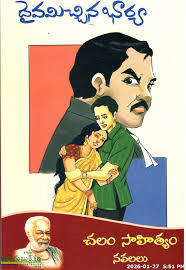
Daivamidchina Bharya
రచయిత
గుడిపాటి వెంకట చలం
Gudipati Venkata Chalam
కాలం
20వ శతాబ్దం ఆరంభం (1920-1930)
Early 20th Century (1920s-1930s)
వర్గం
సామాజిక మరియు తాత్విక నవల
Social & Philosophical Fiction
శైలి
విప్లవాత్మకమైన, సూటియైన మరియు భావోద్వేగపూరితమైన వచనం
Revolutionary, direct, and emotionally raw prose
ఈ పుస్తకం చదివితే, మీరు సమాజం వేసుకున్న ముసుగులు తొలగిపోయి, బంధాలలోని సత్యాన్వేషణ మరియు వ్యక్తిగత స్వేచ్ఛ యొక్క అసలైన రూపాన్ని దర్శిస్తారు.

If you read this book, you will experience the startling collapse of societal masks and the emergence of a raw, unvarnished search for truth and individual freedom in relationships.

సాంప్రదాయ గృహాల గోడల మధ్య, మనుషుల గుండెల్లో దాగివున్న భయానకమైన మరియు విశాలమైన భావాల మధ్య ఈ కథ సాగుతుంది. 'దైవం నిర్ణయించిన' వివాహ బంధంలో చిక్కుకున్న వ్యక్తులు, అసలైన దైవత్వం ఆచారాలలో కాదు, నిజాయితీలో ఉంటుందని ఎలా తెలుసుకున్నారో ఇది వివరిస్తుంది. అగరుబత్తుల వాసన, చెప్పలేని మాటల బరువు కలిసిన వాతావరణంలో, సామాజిక గౌరవం అనే పంజరం నుండి బయటపడాలని తపించే ఆత్మల సంఘర్షణ ఇది.

The story breathes within the suffocating walls of traditional households and the expansive, often frightening landscape of the human heart. It navigates the life of characters bound by the concept of a 'divinely ordained' marriage, only to find that divinity might lie in honesty rather than in ritual. The air is thick with the scent of incense and the weight of unsaid words, set against a backdrop where the individual's soul struggles to break free from the cage of social respectability.

ఆంధ్రదేశంలో సామాజిక మార్పులు మొదలవుతున్న కాలంలో, స్త్రీ స్వేచ్ఛ మరియు పాతకాలపు పితృస్వామ్య వ్యవస్థల మీద వచ్చిన విమర్శలకు ఈ నవల ఒక ప్రతిబింబం.

Written during a time of intense social churning in Andhra, this work reflects the early movements toward women's liberation and the critique of the decaying feudal and patriarchal structures of British India.

నేటి కృత్రిమ వేషధారణల కాలంలో, చలం గొంతు ఒక అవసరమైన హెచ్చరిక. మన కుటుంబాలలో మనం పోషించే ‘పాత్రల’ను పక్కన పెట్టి, మనల్ని మనం నిజంగా చూసుకోగలుగుతున్నామా అని ఈ పుస్తకం ప్రశ్నిస్తుంది. పైపైన ఉండే బంధాల మధ్య అల్లాడుతున్న ఆధునిక మానవుడికి ఇది ఒక దిక్సూచి.

In an era of curated identities and digital performativity, Chalam’s voice remains a necessary shock to the system. This book challenges us to look past the ‘roles’ we play in our families and ask if we are truly seen or loved for who we are. It is a guide for those feeling lost in the modern search for authenticity amidst superficial connections.

చలం రచనను చదవడం అంటే ఉక్కపోతతో కూడిన మధ్యాహ్నం తర్వాత కురిసే అకస్మాత్తు వానలో తడవడం వంటిది. అది ఉపశమనాన్ని ఇస్తుంది, కానీ ఒంటికి చురుక్కుమంటుంది. ‘దైవమిచ్చిన భార్య’ హాయినిచ్చే పుస్తకం కాదు; అది మనలో మనం దాచుకునే రహస్యాలతో జరిపే సంభాషణ. మనం పవిత్రమని భావించే బంధాల మూలాలను ఇది ప్రశ్నిస్తుంది. ఈ పుస్తకం మన లైబ్రరీలో ఉండాలి, ఎందుకంటే ఇది మనకు అబద్ధాలు చెప్పదు. నిశ్శబ్దం మీద కట్టిన ఇల్లు ఒక అందమైన సమాధి మాత్రమేనని, నిజాయితీతోనే అసలైన ఆధ్యాత్మికత మొదలవుతుందని ఇది గుర్తు చేస్తుంది.

To read Chalam is to stand under a sudden, heavy downpour after a long, humid afternoon. There is a sense of relief, but also a stinging coldness. ‘Daivamidchina Bharya’ is not a comfortable read; it is a conversation with the parts of ourselves we usually hide. It questions the very sanctity of the bonds we take for granted. This book deserves a place in our library because it refuses to lie to us. It reminds us that a home built on silence is just a beautiful tomb, and that true spirituality begins with the courage to be honest with oneself and one’s partner.

పాత్రల సామాజిక ముసుగులను చలం తన సంభాషణల ద్వారా ఎలా తొలగించారో గమనించండి.

The way Chalam uses dialogue to strip away the characters' social defenses.

సమాజం చెప్పే 'పవిత్రత'కు, ఆత్మకు ఉండే 'పవిత్రత'కు మధ్య ఉన్న వ్యత్యాసం.

The recurring contrast between the 'purity' defined by society and the 'purity' of the human spirit.

పాత్రల మనోవేదనను ప్రతిబింబించే చలం వచనంలోని వేగం మరియు లయ.

The rhythmic, almost breathless quality of the prose that mirrors the characters' internal restlessness.

సత్యాన్వేషకులు

The Truth-Seeker
సామాజిక కట్టుబాట్లు వ్యక్తిగత వికాసానికి అడ్డుపడుతున్నాయని భావించే వారి కోసం.
For those who feel that conventional social structures often stifle the growth of the individual soul.

ఆధునిక దంపతులు

The Modern Partner
కేవలం బాధ్యత కోసమే కాకుండా, ప్రేమలో లోతైన అర్థాన్ని వెతికే వారి కోసం.
For anyone navigating the complexities of commitment and looking for a deeper definition of love beyond duty.

సాహిత్య ప్రేమికులు

The History Enthusiast
తెలుగు వచన శైలిని మరియు సామాజిక చింతనను మార్చివేసిన విప్లవాత్మక మార్పును అర్థం చేసుకోవడం కోసం.
To understand the radical literary shift that redefined Telugu prose and social thought in the 20th century.

మైదానం (చలం)
Maidanam by Chalam
కన్యాశుల్కం (గురజాడ అప్పారావు)
Kanyasulkam by Gurazada Apparao
శివాజీ (చలం)
Sivaji by Chalam
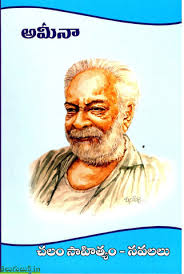
Ameena
Ameena
రచయిత
చలం (గుడిపాటి వెంకట చలం)
Chalam (Gudipati Venkata Chalam)
కాలం
20వ శతాబ్దం ఆరంభం (1920-1930 ప్రాంతం)
Early 20th Century (1920s-1930s)
వర్గం
సాంఘిక నవల / స్త్రీవాద సాహిత్యం
Social Realism / Feminist Fiction
శైలి
సూటిగా, గుండెలకు హత్తుకునేలా ఉండే విప్లవాత్మక వచనం
Provocative, direct, and deeply emotional
ఈ పుస్తకాన్ని చదివితే, సంప్రదాయాల గోడల మధ్య నలిగిపోతున్న ఒక స్త్రీ ఆత్మ తన స్వేచ్ఛ కోసం పడే తపనను, ఆమె అంతరంగాన్ని మీరు స్పర్శిస్తారు.
If you read this book, you will experience the raw, unvarnished pulse of a woman's soul seeking freedom against the stone-cold walls of tradition; it is a journey into the heart of autonomy.

అప్పట్లో ఇంటి గడప దాటడమే ఒక పెద్ద సాహసం. ఆ గడప లోపల ఉక్కిరిబిక్కిరి అవుతున్న ఒక స్త్రీ మనసులోని నిశ్శబ్ద విప్లవం ఈ కథ. చలం కలం నుండి జాలువారిన అక్షరాలు మల్లెపూల పరిమళంలా మెత్తగా ఉంటూనే, నిప్పుకణికల్లా ఆలోచింపజేస్తాయి. ఒక గది నాలుగు గోడల మధ్య సృష్టించబడిన ఒక విశాలమైన ప్రపంచం ఇది. ఇందులో ప్రతి నిట్టూర్పు ఒక నిరసన, ప్రతి కల ఒక సరికొత్త ప్రయాణం.

Imagine a time when the threshold of a house was the boundary of a woman's universe. 'Ame' opens a window into the inner life of a protagonist who dares to see herself not as a shadow of a man, but as a complete human being. Through Chalam's piercing prose, the fragrance of jasmine meets the sharp scent of rebellion, capturing the quiet storm brewing within a domestic cage. It is a world where every sigh is a protest and every dream is a step toward the unknown.

అప్పటి ఆంధ్రదేశంలో సామాజిక సంస్కరణలు ఊపందుకుంటున్న సమయం. స్త్రీల హక్కుల గురించి, వారి వ్యక్తిత్వం గురించి చలం చేసిన ఆలోచనలు అప్పట్లో ఒక సంచలనం మరియు తెలుగు సమాజంలో ఒక కొత్త చర్చకు దారితీశాయి.

Written during a period of intense social awakening in Andhra Pradesh, the book reflects the early 20th-century struggle against patriarchal constraints and the burgeoning movement for women's individual rights.

నేటి డిజిటల్ యుగంలో మన అసలైన అస్తిత్వాన్ని కోల్పోతున్న వేళ, చలం రాసిన ‘ఆమె’ మనల్ని మనకు పరిచయం చేస్తుంది. సమాజం కోసం కాకుండా, మన ఆత్మతృప్తి కోసం బ్రతకడం ఎంత ముఖ్యమో ఈ పుస్తకం గుర్తుచేస్తుంది. బాహ్య ప్రపంచపు ఒత్తిడిలో తమ గొంతును కోల్పోతున్న ఎవరికైనా ఈ పుస్తకం ఒక ధైర్యాన్నిస్తుంది.

In today’s world of curated identities and digital noise, Chalam’s ‘Ame’ remains startlingly relevant. It speaks to the modern struggle of finding one’s authentic voice amidst the pressure to conform. For those feeling the weight of societal expectations or the burnout of performing for others, this classic offers a timeless mirror to the courage required to simply be oneself.

చలం అక్షరాల్లో ఒక వింతైన సమ్మోహనం ఉంటుంది. ఆయన కేవలం కథ చెప్పడు, మనసు పొరలను విప్పి చూపిస్తాడు. ఈ ‘ఆమె’ ఒక పుస్తకం మాత్రమే కాదు, తెలుగు సాహిత్యంలో ఒక చైతన్య కిరణం. మన ఇంట్లోని ఈ లైబ్రరీలో ఈ పుస్తకం ఉండటం అంటే, ఒక సత్యాన్ని, ఒక ధైర్యాన్ని భద్రపరుచుకోవడమే. పాత కాగితాల వాసనతో పాటు, అణిచివేతను ఎదిరించే ఒక ఆత్మ గౌరవం ఇందులో మనకు వినిపిస్తుంది. చీకటిని చీల్చుకుంటూ వచ్చే వెలుతురులా ఈ పుస్తకం మనల్ని పలకరిస్తుంది.

There is a certain weight to the silence between Chalam’s sentences. He doesn’t just write; he unmasks. ‘Ame’ is not just a story about a woman; it is a mirror held up to a society that preferred its mirrors broken. To have this book in our library is to keep a flame alive—a flame that questions, that feels, and that refuses to be extinguished by convenience. It carries the scent of old ink and the warmth of a lamp lit against the darkness of ignorance. It reminds us that the most sacred space is not a temple, but the clarity of one’s own heart.

చాలా సాదాసీదా సంభాషణల వెనుక ఉన్న లోతైన మానసిక వేదనను గమనించండి.

The way Chalam uses simple, everyday dialogue to reveal deep psychological scars.

విశాలమైన ఆకాశానికి, ఇంటి నాలుగు గోడలకు మధ్య చలం చూపించిన వ్యత్యాసాన్ని పరిశీలించండి.

The recurring contrast between the vast, open sky and the suffocating boundaries of the inner courtyard.

పాత్రల ఆలోచనా విధానంలో వచ్చే మార్పులను, వారి ఆత్మవిశ్వాసం పెరిగే తీరును అనుభూతి చెందండి.

The subtle shift in the protagonist's internal monologue as she transitions from doubt to self-assertion.

అస్తిత్వం కోసం వెతికేవారు

The Seeker
స్వేచ్ఛ యొక్క విలువను, దాని కోసం చెల్లించాల్సిన మూల్యాన్ని అర్థం చేసుకోవడానికి.
For those trying to understand the historical roots of independence and the personal cost of freedom.

సాహితీ పిపాసులు

The Traditionalist
తెలుగు వచనంలో చలం సృష్టించిన కొత్త ఒరవడిని ఆస్వాదించడానికి.
To view the complexities of domestic life through a lens of profound empathy for the marginalized.

ఆధునిక ఆలోచనాపరులు

The Modern Individual
వ్యక్తిగత విలువల పట్ల స్పష్టత కోసం, కాలాతీతమైన ఈ రచనను చదవాలి.
To find a literary ancestor who championed self-worth long before it became a modern buzzword.

చలం రాసిన 'మైదానం'
Maidanam by Chalam
వోల్గా రాసిన 'స్వేచ్ఛ'
Svecha by Volga
బుచ్చిబాబు రాసిన 'చివరకు మిగిలేది'
Chivaraku Migiledi by Buchibabu

Ramayana Vishavruksham

కావలసిన పదార్ధాలు
తయారి విధానం
[real3dflipbook id='1']