Library

గ్రంధాలయం

Stories, poems, songs and memories – curated by our family for yours.

Choose a book by Mood, Age, or Instinct.
The Right Story will find You.

మా పుస్తకాల అర

Cheliyakatta
Cheliyakatta
రచయిత
విశ్వనాథ సత్యనారాయణ
Vishwanatha Satyanarayana
కాలం
20వ శతాబ్దం మధ్య కాలం
Mid-20th Century
వర్గం
సామాజిక-తాత్విక నవల
Social-Philosophical Fiction
శైలి
గ్రాంథిక-వ్యావహారిక సమ్మేళనం (గంభీరమైన శైలి)
Classical-Modern Synthesis (Grand and Introspective)
మీరు ఈ పుస్తకాన్ని చదివితే, ఉప్పెనలా దూసుకొచ్చే వ్యక్తిగత కోరికలకు మరియు వాటిని అడ్డుకునే నైతిక ధర్మాలనే అచంచలమైన గోడలకు మధ్య జరిగే ఘర్షణను అనుభవిస్తారు.

If you read this book, you will experience the silent, powerful collision between the surging tides of modern desire and the ancient, unyielding stone walls of human ethics and tradition.

మారిపోతున్న భారతదేశంలో, మన పూర్వీకులు నిర్మించిన సంప్రదాయాల వెలుగులో ఒక కొత్త ప్రపంచాన్ని ఈ నవల మనకు పరిచయం చేస్తుంది. సముద్రం పొంగి ఊరిని ముంచెత్తకుండా అడ్డుకునే 'చెలియకట్ట' లాగే, మనిషిలోని స్వార్థం, అదుపులేని వాంఛలు సమాజాన్ని నాశనం చేయకుండా 'ధర్మం' ఎలా రక్షణగా నిలుస్తుందో ఇందులో చూడవచ్చు. పాత కాలపు విలువలకి, కొత్త కాలపు పోకడలకి మధ్య నలిగే పాత్రల జీవన చిత్రణ ఇది.

Step into a world where the air is thick with the scent of incense and the weight of history. Here, life is lived within the 'Cheliyakatta'—the shore wall that prevents the chaotic sea of human impulses from flooding the village of the soul. Through the eyes of characters grappling with their own identities in a changing India, we witness the friction between the old-world wisdom of our ancestors and the seductive, often reckless, pull of Western-style individualism.

స్వాతంత్ర్యానంతర కాలంలో భారతదేశం పాశ్చాత్య నాగరికత వైపు అడుగులు వేస్తున్న తరుణంలో, మన సనాతన ధర్మాన్ని ఎలా కాపాడుకోవాలో అనే ఆవేదన నుండి పుట్టిన నవల ఇది.

Written during a time when India was navigating the transition from colonial rule to independence, the book reflects the anxiety of a culture trying to preserve its Vedantic roots while being swept up in modern social reformations.

హద్దులు లేని స్వేచ్ఛే పరమార్థం అనుకునే నేటి డిజిటల్ యుగంలో, అసలైన స్వేచ్ఛ అంటే ఏమిటో ఈ పుస్తకం నేర్పుతుంది. గుర్తింపు సంక్షోభంలో ఉన్న ఆధునిక మానవుడికి, తన మూలాలను వెతుక్కునే ప్రయాణంలో ఈ నవల ఒక దిక్సూచిలా పనిచేస్తుంది. మన అస్తిత్వాన్ని కాపాడుకోవడానికి కొన్ని హద్దులు ఎందుకు అవసరమో ఇది వివరిస్తుంది.

In an age of ‘unfiltered’ lives and digital boundarylessness, this book acts as a grounding force. It challenges the modern notion that all progress is good and all boundaries are restrictive. For those feeling adrift in a world without anchors, Vishwanatha offers a perspective on why some walls are built not to imprison us, but to protect the very essence of who we are.

కృష్ణానది తీరాన కూర్చుని అలల సప్పుడు వింటున్నంత గంభీరంగా ఉంటుంది ఈ పుస్తక పఠనం. కవిసమ్రాట్ విశ్వనాథ సత్యనారాయణ గారు కేవలం ఒక కథను చెప్పలేదు, మన అంతరాత్మకు ఒక అద్దాన్ని పట్టారు. ‘చెలియకట్ట’ అంటే సముద్రపు ఒడ్డున ఉండే గట్టు. మనిషి ప్రవర్తనకు ఉండాల్సిన ‘మర్యాద’ లేదా హద్దుకు ఇది ప్రతీక. వేల ఏళ్ల తెలుగు సంస్కృతి, మారుతున్న కాలపు వేగంతో ఎలా తలపడుతుందో ఇందులో ప్రతి అక్షరం సాక్ష్యం చెబుతుంది. ధర్మానికి, వ్యక్తిగత ఇష్టాలకు మధ్య జరిగే ఈ పోరాటం ప్రతి పాఠకుడిని ఆలోచింపజేస్తుంది. జీవితంలో మనం దేన్ని వదులుకోవాలో, దేన్ని గట్టిగా పట్టుకోవాలో తెలియజేసే ఒక గొప్ప జీవన దర్శనం ఈ నవల.

Imagine sitting by the Krishna river at dusk. The water is restless, much like our own minds today. Vishwanatha Satyanarayana, the Kavi Samrat, didn’t just write a story here; he built a mirror for our conscience. ‘Cheliyakatta’ translates to a shore-embankment, and in this novel, it represents the ‘Maryada’ or the boundary of conduct. As you turn these pages, you will hear the echoes of a thousand years of Telugu thought clashing with the new winds of the 20th century. It is a demanding read, yes, but it rewards you with a profound understanding of why a river needs its banks to flow with purpose. It is a soul-searching journey for anyone who has ever asked: How much of my tradition should I keep, and how much of myself am I willing to lose?

సామాజిక మరియు వ్యక్తిగత ప్రవర్తనలో 'చెలియకట్ట' (హద్దు) ఎలా ప్రతిబింబిస్తుందో గమనించండి.

The metaphor of the 'shore wall' appearing in various forms of social and personal conduct.

పాత్రలు తమలో తాము చేసుకునే సుదీర్ఘమైన నైతిక చర్చలు మరియు మనో విశ్లేషణ.

The intricate psychological depth of the monologues where characters debate their own morality.

తెలుగు వారి కుటుంబ వ్యవస్థలోని గౌరవ మర్యాదలు మరియు మాటల్లోని గంభీరత.

The specific Telugu cultural nuances in familial hierarchies and the unspoken respect between generations.

లోతైన ఆలోచనాపరులు

The Deep Thinker
మానవ మనస్తత్వాలను, సామాజిక విలువల అంతరార్థాలను విశ్లేషించాలనుకునే వారి కోసం.
For those who enjoy peeling back layers of human psychology and societal structures.

సంస్కృతి ప్రేమికులు

The Heritage Seeker
తెలుగు వారి సామాజిక మూలాలు, నైతిక విలువలను అర్థం చేసుకోవాలనుకునే వారి కోసం.
If you want to understand the core values that defined the traditional Telugu social fabric.

ఆధునిక యువత

The Modern Rebel
స్వేచ్ఛకు మరియు బాధ్యతకు మధ్య ఉండే సన్నని రేఖను తెలుసుకోవాలనుకునే వారి కోసం.
To engage with a powerful counter-narrative to modern individualism and explore the beauty of restraint.

వేయి పడగలు (విశ్వనాథ సత్యనారాయణ)
Veyi Padagalu by Vishwanatha Satyanarayana
చివరకు మిగిలేది (బుచ్చిబాబు)
Chivaraku Migiledi by Buchi Babu
పండిత పరమేశ్వర శాస్త్రి వీలునామా (త్రిపురనేని గోపీచంద్)
Panditha Parameshwara Sastry Veelunama by Tripura
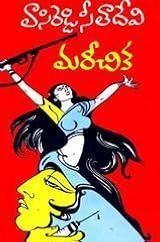
Marichika
Marichika
రచయిత
వాసిరెడ్డి సీతాదేవి
Vasireddy Seethadevi
కాలం
Vasireddy Seethadevi కాలం (Period) 1970వ దశకం (స్వాతంత్ర్యానంతర సామాజిక మార్పులు)
Late 1970s (Post-Independence Disillusionment)
వర్గం
సామాజిక వాస్తవికత / రాజకీయ నవల
Social Realism / Psychological Drama
శైలి
సూటిగా, ఆలోచింపజేసే విధంగా, భావోద్వేగాల మేళవింపు
Provocative, sharp, and deeply introspective
మీరు ఈ పుస్తకాన్ని చదివితే, విచ్ఛిన్నమైన ఆదర్శాల సెగను మరియు పరిపూర్ణమైన ప్రపంచం కోసం చేసే అన్వేషణ ఒక ఎండమావిలా ఎలా మారుతుందో అనుభవిస్తారు.

If you read this book, you will experience the scorching heat of shattered idealism and the haunting silence that remains when the pursuit of a perfect world reveals itself as a shimmering mirage.

మరీచికలోని గాలిలో ఎండుటాకుల వాసన, విప్లవపు నిప్పుకణికలు కనిపిస్తాయి. 1970ల నాటి కల్లోల పరిస్థితుల్లో, సంప్రదాయ కుటుంబ విలువలకు మరియు తీవ్రవాద భావజాలానికి మధ్య నలిగిపోయిన ఒక తరం యువత ఆవేదనను ఈ పుస్తకం మన కళ్లకు కడుతుంది. పల్లెటూరి మట్టి దారుల నుండి నగరాల మేధోమథనం వరకు, పాత్రలు తమకు దొరకని ఏదో ఒక సత్యం కోసం ఎండమావుల వెనుక పరుగెత్తుతూ కనిపిస్తాయి.

The air in Marichika is heavy with the scent of dry earth and the electricity of revolution. It opens a window into the turbulent 1970s, where a generation of youth is caught in the tug-of-war between old-world family values and the fiery call of radical ideologies. Amidst the dusty landscapes of rural Andhra and the intellectual ferment of urban spaces, the characters move like shadows chasing a light they cannot quite reach, questioning everything they were taught to hold sacred.

ఆంధ్రప్రదేశ్‌లో నక్సలైట్ ఉద్యమం ఉధృతంగా ఉన్న కాలంలో రాసిన ఈ నవల, అప్పటి సామాజిక అసమానతలను మరియు తెలుగు యువతలో నెలకొన్న మేధోపరమైన ఘర్షణను ప్రతిబింబిస్తుంది.

Written during the height of the Naxalite movement in Andhra Pradesh, the book reflects the socio-economic disparities and the intense intellectual and emotional upheaval of the Telugu youth during the 1960s and 70s.

డిజిటల్ మాయాజాలంలో చిక్కుకున్న నేటి కాలంలో, మరీచిక మనల్ని వాస్తవంలోకి మేల్కొల్పుతుంది. మనం వెంటాడే ‘ఎండమావులు’ మనల్ని ఎక్కడికి చేరుస్తాయో ఇది గుర్తు చేస్తుంది. ఆదర్శాల వెనుక ఉన్న ఆవేశమే కాదు, నిశ్శబ్దమైన జీవితాల్లోని మానవత్వాన్ని వెతుక్కోవాలని ఈ నవల మనకు నేర్పిస్తుంది.

In an era of curated identities and digital echo chambers, Marichika acts as a grounding force. It speaks to the modern soul that feels lost in a maze of shifting truths and ‘mirages.’ It teaches us that while the fire of conviction is beautiful, one must also look for the humanity that exists in the quiet, unglamorous spaces of life, away from the noise of grand promises.

సాయంకాలం లైబ్రరీలో పాత పుస్తకాల వాసన మధ్య ఈ పుస్తకాన్ని చేతుల్లోకి తీసుకున్నట్లు ఊహించుకోండి. మరీచిక కేవలం ఒక కథ కాదు; అది రగిలే ఆత్మకు అద్దం. సీతాదేవి గారు ఇక్కడ సులభమైన సమాధానాలు ఇవ్వలేదు. ఆమె తన కలంతో చెమటను, రక్తాన్ని, కన్నీటిని కాగితం మీద పరిచారు. ఇది చదువుతుంటే మీరు ఒక రాజకీయ ఉద్యమం గురించి తెలుసుకోవడం లేదు, ఒక మనిషి హృదయ స్పందనను వింటున్నారు. సత్యం వైపు వెళ్లే దారి ఒక్కోసారి మనం తప్పించుకోవాలనుకునే భ్రమల గుండానే సాగుతుందని ఈ పుస్తకం మనకు గుర్తు చేస్తుంది.

Imagine the library at dusk, the golden light catching the dust motes as you pull this heavy volume from the shelf. Marichika isn’t just a story; it’s a mirror held up to a burning soul. Vasireddy Seethadevi doesn’t offer easy answers. She writes with a pen dipped in the realities of sweat, blood, and tears. As you turn these pages, you aren’t just reading about a political movement; you are feeling the heartbeat of a person who dared to dream too much. It is a reminder that the path to truth is often paved with the very illusions we seek to escape. Let the weight of this book remind you that some questions are more important than their answers.

మరీచిక (ఎండమావి) అనే రూపకం కథలో వివిధ దశల్లో ఎలా మారిందో గమనించండి.

Notice the recurring motif of the 'Mirage' and how it shifts from a political ideal to a personal longing.

స్త్రీ పాత్రల చిత్రీకరణను చూడండి - వారు కేవలం బాధితులుగా కాకుండా, సొంత ఆలోచనలున్న వ్యక్తులుగా కనిపిస్తారు.

Observe the nuanced portrayal of women—not just as victims or heroes, but as complex thinkers with their own agency.

ప్రకృతి వర్ణనలు పాత్రల మానసిక స్థితిని ఎలా ప్రతిబింబిస్తాయో గమనించండి.

Pay attention to the landscape descriptions; the physical dryness often mirrors the spiritual exhaustion of the characters.

ఆదర్శవాదులు

The Idealist
ప్రపంచాన్ని మార్చాలనే తపన ఉండి, లోతైన జీవిత సత్యాలను తెలుసుకోవాలనుకునే వారి కోసం.
For anyone who has ever felt the burn of wanting to change the world but found the path more complicated than expected.

చరిత్ర ప్రేమికులు

The History Buff
అప్పటి ఆంధ్ర సామాజిక పరిస్థితులను, జనజీవనాన్ని అధ్యయనం చేయాలనుకునే వారి కోసం.
To understand the raw, unpolished social history of Andhra through the lens of lived experience.

సత్యాన్వేషకులు

The Seeker of Truth
సులభమైన ముగింపులు కాకుండా, ఆలోచనలను రేకెత్తించే సాహిత్యాన్ని ఇష్టపడే వారి కోసం.
For those who appreciate literature that challenges the status quo and avoids sentimental resolutions.

చివరకు మిగిలేది (బుచ్చిబాబు)
Chivaraku Migiledi by Buchi Babu
అమృతం కురిసిన రాత్రి (తిలక్)
Amrutham Kurisina Rathri by Tilak
అల్పజీవి (రావిశాస్త్రి)
Alpajeevi by Viswanatha Sastry
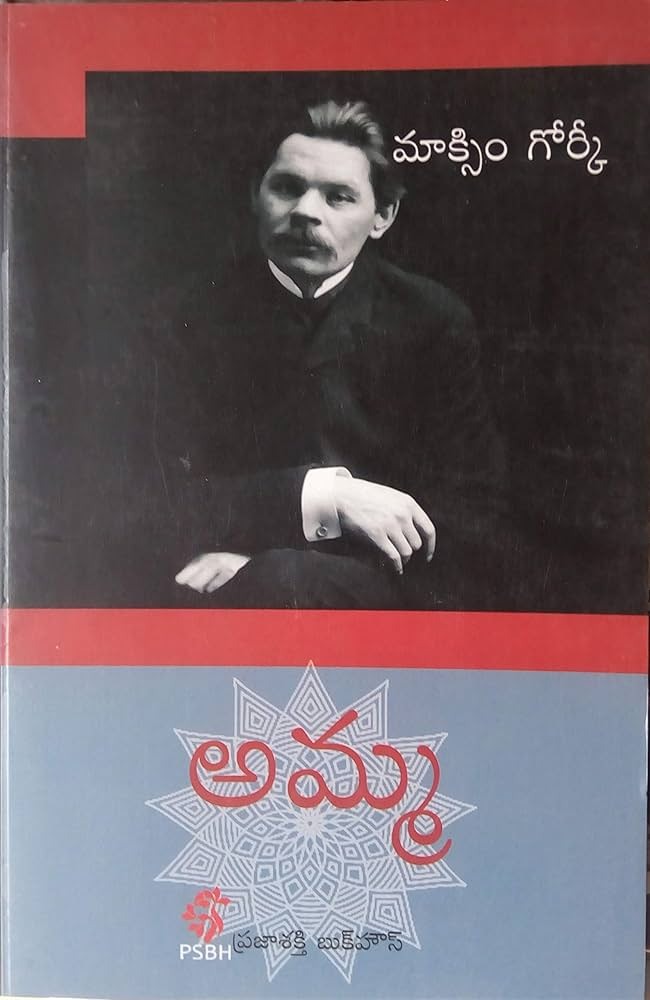
Amma
Amma
రచయిత
మాగ్జిమ్ గోర్కీ
Maxim Gorky
కాలం
1906 (20వ శతాబ్దపు ఆరంభం)
1906 (Early 20th Century)
వర్గం
సాంఘిక వాస్తవికత / క్లాసిక్ ఫిక్షన్
Socialist Realism / Classic Fiction
శైలి
లోతైన భావోద్వేగం, నిశ్చలమైన ధైర్యం
Raw, deeply emotive, and spiritually resilient
ఈ పుస్తకాన్ని చదివితే, భయంతో వణికిపోయే ఒక సామాన్య తల్లి, లోకానికి వెలుగునిచ్చే విప్లవ మూర్తిగా ఎలా మారిందో అనే ఆత్మీయ ప్రయాణాన్ని మీరు అనుభవిస్తారు.

If you read this book, you will experience the profound transformation of a woman from a trembling shadow of fear into a beacon of revolutionary courage and universal motherhood.

రష్యాలోని ఒక పారిశ్రామిక పట్టణం, చుట్టూ ఫ్యాక్టరీ పొగలు, కటిక పేదరికం. అక్కడ పెలగేయ నిలోవ్నా అనే ఒక తల్లి కథ ఇది. దశాబ్దాల పాటు భర్త చేతిలో దెబ్బలు తింటూ, మౌనంగా బతికిన ఆమె జీవితంలోకి ఆమె కొడుకు పావెల్ కొత్త ఆలోచనలను తెస్తాడు. కొడుకు తెచ్చే నిషేధిత పుస్తకాలు, అన్యాయంపై అతను చేసే పోరాటం ఆమెను ఆలోచింపజేస్తాయి. ఇంటి నాలుగు గోడలకే పరిమితమైన ఒక తల్లి, ప్రపంచపు బాధను తన బాధగా ఎలా మార్చుకుందో, తన కొడుకు మీద ప్రేమను సమాజం మీద ప్రేమగా ఎలా మలచుకుందో ఈ కథలో అద్భుతంగా కనిపిస్తుంది.

Set against the grey, soot-stained backdrop of a Russian industrial town, the story follows Pelageya Nilovna. For years, her life was a narrow corridor of domestic violence and silence. But when her son, Pavel, begins to bring forbidden books and dangerous ideas of justice into their small home, the walls begin to breathe. It is a world where the clanging of factory bells represents both a prison and a promise. You watch as a kitchen-bound mother slowly awakens to the heartbeat of a whole world, learning that her love for her son is actually a love for all humanity.

రష్యా విప్లవానికి ముందున్న అస్థిరమైన పరిస్థితులలో ఈ పుస్తకం రాయబడింది. శ్రమ దోపిడీకి వ్యతిరేకంగా సామాన్యులు చేసిన పోరాటాన్ని, మాతృత్వంలోని విశ్వజనీనమైన శక్తిని ఇది ప్రతిబింబిస్తుంది.

Written during the volatile period leading up to the Russian Revolution, the book captures the zeitgeist of a society on the brink of total structural collapse and rebirth, reflecting the universal struggle against industrial exploitation.

నేటి స్వార్థపూరిత, వేగవంతమైన ప్రపంచంలో ‘అమ్మ’ మనకు ఒక గొప్ప పాఠం. మన వ్యక్తిగత సమస్యల కంటే సమాజ క్షేమం ముఖ్యమని, మార్పు అనేది మన ఇంట్లోనే, మన మనసులోనే మొదలవుతుందని ఇది గుర్తు చేస్తుంది. మారుతున్న కుటుంబ విలువలు, సామాజిక బాధ్యతల మధ్య నలిగిపోతున్న నేటి తరానికి ఈ పుస్తకం ఒక దిక్సూచి.

In our current age of digital disconnection and self-centric goals, ‘Amma’ serves as a grounding force. It reminds us that our personal struggles are often threads in a much larger social tapestry. For a generation grappling with identity and the fragility of social justice, this book offers the perspective that real change begins with the quiet courage of an individual heart, often in the most humble of settings.

కట్టెల పొయ్యి పొగ, రష్యా శీతాకాలపు చలి గాలిని ఊహించుకోండి. ఆ చిన్న ఇంట్లో ఒక తల్లి కూర్చుని ఉంది. ఆమె చేతులు కాయలు కాసి ఉన్నాయి. తన కొడుకును ఆమె గమనిస్తోంది. కొడుకు చదివే పుస్తకాల్లోని మాటలు ఆమెకు పూర్తిగా అర్థం కాకపోవచ్చు, కానీ అతని కళ్లలోని నిప్పును ఆమె గుర్తు పడుతోంది. ఇది కేవలం రాజకీయాల గురించి కాదు, ఒక ఆత్మ మేల్కొనడం గురించి. భయం నుండి విముక్తి పొంది, ప్రేమ కోసం ఎంతటి త్యాగానికైనా సిద్ధపడే ఒక తల్లి గొంతును ఈ ఆడియోలో వినండి.

Imagine the smell of woodsmoke and the cold, damp air of a Russian winter. Inside a small house, a mother sits, her hands worn by years of labor. She is watching her son. She doesn’t fully understand the words in his books yet, but she feels the heat of his conviction. This isn’t just a story about politics; it is a story about the birth of a soul. As you listen, feel the transition from the heavy silence of oppression to the resonant voice of a woman who finds she has nothing left to fear because she has everything to love.

వంటగదిలోని చిన్న దీపం వెలుగు నుండి, ఉద్యమ ప్రదర్శనలోని సూర్యకాంతి వరకు మారే కాంతి ప్రతీకలను గమనించండి.

The shifting metaphor of light—from the dim lamp in the kitchen to the blinding sun of the protest.

పెలగేయ మాటల్లో భయం పోయి, ఆత్మవిశ్వాసం ఎలా నిండిందో గమనించండి.

The change in Pelageya's internal monologue as her vocabulary of fear is replaced by a vocabulary of hope.

సామాన్య కార్మికుల కష్టాన్ని గోర్కీ ఒక పవిత్రమైన యజ్ఞంలా ఎలా చిత్రించారో చూడండి.

The sacred quality Gorky attributes to the 'suffering' of the working class, turning a labor struggle into a spiritual journey.

సామాజిక కార్యకర్తలు

The Social Reformer
ఏ గొప్ప ఉద్యమమైనా సాటి మనిషిపై ఉండే సానుభూతితోనే మొదలవుతుందని అర్థం చేసుకోవడానికి.
To understand that the strongest movements are built on the foundation of emotional empathy.

తల్లిదండ్రులు

The Devoted Parent
తమ పిల్లల ఆశయాల కోసం ఒక తల్లి తనను తాను ఎలా మార్చుకోగలదో తెలుసుకోవడానికి.
To see how a parent's love can evolve into a protective shield for an entire generation.

చరిత్ర ప్రేమికులు

The History Enthusiast
20వ శతాబ్దపు ఆరంభంలో సామాజిక మార్పుల వెనుక ఉన్న మానవీయ కోణాన్ని స్పృశించడానికి.
To experience the raw human atmosphere of early 20th-century social upheaval.

కన్యాశుల్కం - గురజాడ అప్పారావు
Kanyasulkam by Gurazada Apparao
ప్రజల మనిషి - వట్టికోట ఆళ్వారుస్వామి
Praja Manishi by Vattikota Alwar Swamy
మట్టి మనిషి - వాసిరెడ్డి సీతాదేవి
Matti Manishi by Vasireddy Sitadevi
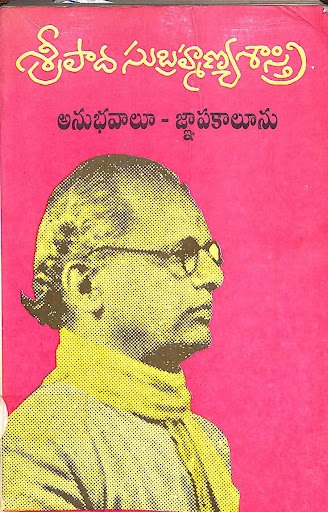
Anubhavalu-Gnapakalu
రచయిత
శ్రీపాద సుబ్రహ్మణ్యశాస్త్రి
Sripada Subramanya Sastri
కాలం
20వ శతాబ్దం ప్రారంభం (స్వాతంత్య్రానికి పూర్వం)
Early 20th Century (Pre-Independence)
వర్గం
ఆత్మకథ / జ్ఞాపకాలు
Autobiography / Memoir
శైలి
స్వచ్ఛమైన తెలుగు నుడికారం (అచ్చతెలుగు)
Idiomatic, Pure Telugu (Achha Telugu)
ఈ పుస్తకం చదివితే, మీరు గోదావరి తీరపు స్వచ్ఛమైన గాలిని, ఆనాటి తెలుగువారి ఆచారవ్యవహారాలలోని మధురిమని, మాతృభాష పట్ల ఒక మహనీయుడికి ఉన్న అచంచలమైన అనురాగాన్ని అనుభూతి చెందుతారు.

If you read this book, you will experience the rhythmic pulse of the Godavari river, the fragrance of traditional Andhra households, and the unyielding spirit of a man who cherished the Telugu language like his own mother.

కోనసీమ పచ్చని పొలాల మధ్య, వేద పాఠశాలల మంత్రోచ్ఛారణల మధ్య సాగే ఒక అద్భుత ప్రయాణం ఇది. తన బాల్యం, విద్యార్థి దశ, మరియు ఒక రచయితగా తనను తాను మలచుకున్న తీరును శ్రీపాద వారు ఇందులో అద్భుతంగా చిత్రించారు. ఇది కేవలం ఒక వ్యక్తి చరిత్ర కాదు, ఆనాటి ఆంధ్రదేశపు సామాజిక చిత్రపటం. ప్రతి పేజీలోనూ మన సంస్కృతి, సంప్రదాయాలు, మరియు మారుతున్న కాలానికి అనుగుణంగా మనిషి పడే సంఘర్షణ స్పష్టంగా కనిపిస్తాయి.

Set amidst the verdant landscapes of the Konaseema region, this memoir is a sprawling canvas of a bygone era. It follows the life of Sripada from his roots in a traditional Vedic family to his emergence as a pioneer of modern Telugu prose. The narrative isn't just a personal history; it is a sensory journey through Brahmin streets, rigorous education, and the shifting social tides of colonial India. Every page feels like walking through a sun-drenched courtyard where the air is thick with the scent of jasmine and the sounds of ancient chants.

బ్రిటీష్ పాలనలో ఉన్న ఆంధ్రదేశం, సామాజిక మార్పులు మొదలవుతున్న సంధికాలం, మరియు తెలుగు సాహిత్య రంగంలో వస్తున్న నూతన ఒరవడుల నేపథ్యం.

The book captures the early 20th-century socio-cultural landscape of Coastal Andhra, specifically the intersection of traditional Vedic scholarship and the burgeoning nationalist and literary movements.

నేటి యాంత్రిక జీవనంలో, మన మూలాలను మర్చిపోతున్న తరుణంలో, ఈ పుస్తకం ఒక దిక్సూచిలా పనిచేస్తుంది. మన భాషలోని కమ్మదనాన్ని, మన సంస్కృతిలోని గొప్పతనాన్ని మళ్ళీ గుర్తుచేస్తూ, మనల్ని మనం వెతుక్కునేలా చేస్తుంది. డిజిటల్ ప్రపంచంలో కోల్పోతున్న సహజత్వాన్ని ఈ పుస్తకం మళ్ళీ అందిస్తుంది.

In an age of fleeting digital memories and a thinning connection to our roots, Sripada’s memoirs offer a grounding force. He reminds us that our identity is woven into the language we speak and the land we inhabit. This book is a remedy for the modern soul’s search for authenticity, teaching us how to hold onto one’s integrity while the world changes irrevocably around us.

ఈ పుస్తకం మన ఇంట్లోని పాతకాలపు అరుగు మీద కూర్చుని పెద్దలు చెప్పే ముచ్చట్ల వంటిది. శ్రీపాద వారి భాషలో ఒక రకమైన పట్టు ఉంది, అది మనల్ని వదిలిపెట్టదు. అచ్చతెలుగు నుడికారాల సొగసు ఎలా ఉంటుందో ఇందులో చూడవచ్చు. ఆయన జ్ఞాపకాలు కేవలం గతం కాదు, అవి మన భవిష్యత్తుకు పునాదులు. అక్షరక్షరంలో తెలుగుతనం ఉట్టిపడే ఈ రచన, మన సంస్కృతికి ఒక నిలువుటద్దం. గోదావరి అలల మీద ప్రయాణించినంత హాయిగా సాగిపోయే ఈ కథనం, మన మనసును తేలికపరుస్తుంది.

This book is like an old brass lamp—sturdy, bright, and carrying the warmth of many generations. Sripada Subramanya Sastri doesn’t merely write; he carves the Telugu identity into every sentence with the precision of a master craftsman. Reading him is like listening to the walls of a heritage home whisper the secrets of our ancestors. He believed that literature should speak the language of the people, not just the scholars. Through his struggles and triumphs, we find the courage to be unapologetically ourselves. It is a quiet sanctuary for anyone who has ever wondered where they truly come from.

కోనసీమ ప్రాంతపు విలక్షణమైన యాస మరియు మాటకారితనం.

The exquisite use of 'Janudi Telugu'—the natural, flowing idiom of the common people.

ఆనాటి భోజన పదార్థాలు మరియు వంటల వర్ణనలోని గాఢత.

Detailed descriptions of traditional Andhra cuisine and the rituals of the daily meal.

భాష పట్ల, ఆత్మగౌరవం పట్ల శ్రీపాద గారికి ఉన్న తిరుగులేని నిబద్ధత.

The author's fierce pride and his subtle observations on the transition from tradition to modernity.

భాషా ప్రేమికులు

The Language Enthusiast
తెలుగు భాషలోని అసలైన జిగిని, బిగిని ఆస్వాదించాలనుకునే వారికి ఇది ఒక నిధి.
To experience the sheer beauty and power of idiomatic Telugu that is rarely found in modern writing.

వారసత్వ అన్వేషకులు

The Roots-Seeker
మన పూర్వీకుల జీవనశైలిని, వారి ఆలోచనా విధానాన్ని తెలుసుకోవాలనుకునే వారికి.
For those looking to understand the lifestyle, values, and social structures of their Telugu ancestors.

సాహిత్య విద్యార్థులు

The Aspiring Writer
వచన రచనలో ఉండవలసిన స్పష్టత, నిజాయితీని నేర్చుకోవడానికి ఈ పుస్తకం ఒక పాఠ్యగ్రంథం.
Sripada's mastery over narrative and character-building in non-fiction is a masterclass in literary craft.

బారిస్టర్ పార్వతీశం (మొక్కపాటి నరసింహశాస్త్రి)
Barrister Parvateesam by Mokkapati Narasimha Sastry
చివరకు మిగిలేది (బుచ్చిబాబు)
Chivaraku Migiledi by Buchi Babu
పండిత పరమేశ్వర శాస్త్రి వీలునామా (త్రిపురనేని గోపీచంద్)
Panditha Parameshwara Sastry Veelunama(Tripuraneni Gopichand)
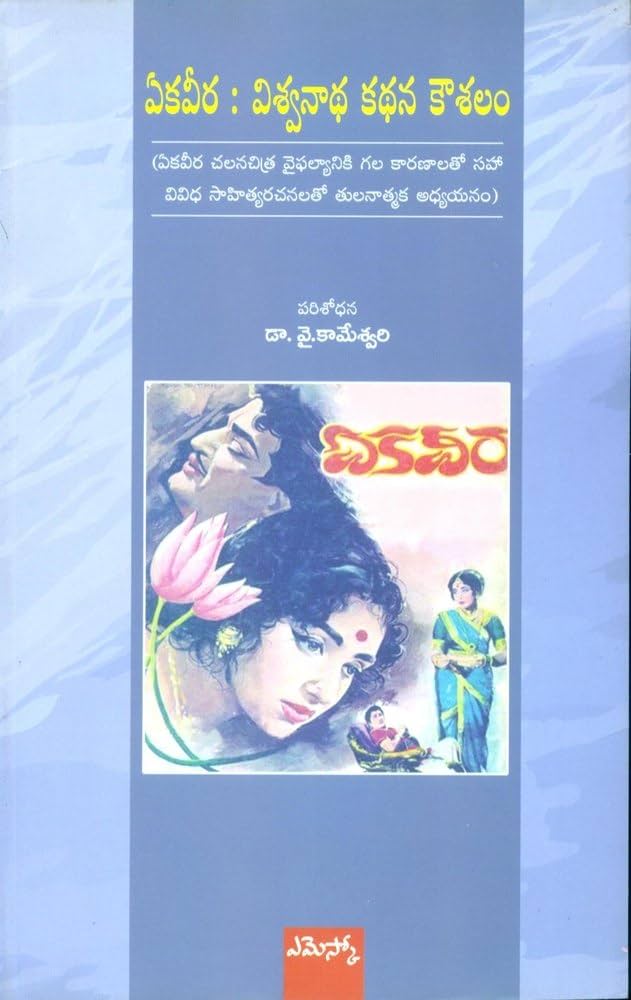
Ekaveera
Ekaveera
రచయిత
విశ్వనాథ సత్యనారాయణ
Viswanatha Satyanarayana
కాలం
1930వ దశకం (కథాకాలం: 16వ శతాబ్దపు మదురై)
1930s (Setting: 16th Century Madurai)
వర్గం
చారిత్రక నవల / ప్రణయ కావ్యం
Historical Fiction / Romantic Classic
శైలి
అత్యంత లలితమైన, భావగర్భితమైన గ్రాంథిక ముద్ర గల వాడుక భాష
Classical, Poetic, and Deeply Emotive
1969లో సి.ఎస్. రావు దర్శకత్వంలో ఎన్.టి. రామారావు, కాంతారావు, జమున, కె.ఆర్. విజయ నటించిన అందమైన చలనచిత్రంగా రూపొందింది. కె.వి. మహదేవన్ సంగీతం ఈ చిత్రానికి ప్రాణం పోసింది.

Released in 1969, directed by C.S. Rao, featuring N.T. Rama Rao, Kanta Rao, Jamuna, and K.R. Vijaya with a hauntingly beautiful soundtrack by K.V. Mahadevan.

ఈ పుస్తకాన్ని మీరు చదివితే, ధర్మానికి మరియు మనసులోని ఆరాటానికి మధ్య జరిగే నిశ్శబ్ద సంఘర్షణను, స్నేహం కోసం చేసే మహోన్నత త్యాగాన్ని అనుభవిస్తారు.

If you read this book, you will experience the quiet collision of duty and desire, where the scent of temple jasmine mingles with the salt of unspoken tears, and friendship becomes a heavy, golden burden.

మదురై నాయక రాజుల కాలం నాటి సామాజిక స్థితిగతులు, కుల గౌరవం, వ్యక్తిగత ధర్మం మరియు వివాహ బంధం పట్ల ఆనాటి సమాజపు దృక్పథాన్ని ఈ నవల కళ్లకు కడుతుంది.

Set during the Madurai Nayaka period, the book reflects a society where personal honor, lineage, and the sanctity of marriage were the pillars of existence, often at the cost of individual happiness.

నేటి వేగవంతమైన, యాంత్రికమైన జీవితంలో మనిషి తన అస్తిత్వాన్ని, అనుబంధాల లోతును మర్చిపోతున్నాడు. ఏకవీర మనల్ని మన మూలాల్లోకి తీసుకెళ్తుంది. ఇచ్చిన మాట కోసం, ధర్మం కోసం మనిషి ఎంతటి త్యాగానికైనా సిద్ధపడతాడు అన్న సత్యాన్ని ఈ కావ్యం నేర్పిస్తుంది. మనసులోని ఆవేదనను ఎలా మౌనంగా భరించాలో, ఆ మౌనంలోనే ఎంతటి గౌరవం ఉందో ఈ పుస్తకం చదివితే అర్థమవుతుంది.

In an era of instant gratification and digital noise, Ekaveera reminds us of the sanctity of silence and the weight of a word given. It speaks to those of us feeling the modern ache of identity—caught between who we are supposed to be for the world and who we are in the quiet of our own thoughts. This book is an anchor for anyone searching for a deeper connection to the concepts of loyalty and sacrifice.

కళ్లు మూసుకుని ఒక్కసారి ఊహించుకోండి.. సంధ్యా సమయంలో మదురై ఆలయాల గంటల నాదం. ఒకరి సంతోషం కోసం మరొకరు తమ ప్రాణప్రియమైన కోరికను మౌనంగా సమాధి చేయడం. ఇదే ఏకవీర లోకం. విశ్వనాథ వారు కేవలం అక్షరాలను రాయలేదు, ఆనాటి మదురై రాళ్లకు ప్రాణం పోశారు. ఈ పుస్తకం చదువుతుంటే మీరు ఒక కథను చదవడం లేదు, ఒక సంస్కృతిని, ఒక గొప్ప మనసును స్పృశిస్తున్నారు. ప్రేమంటే పొందడం మాత్రమే కాదు, ప్రేమించిన వారి కోసం వదులుకోవడం కూడా అని ఈ మౌన కావ్యం మనకు చెబుతుంది.

Close your eyes and imagine the bells of a distant temple at dusk. Imagine the weight of a secret kept for the sake of another’s smile. This is the world of Ekaveera. It isn’t just a story; it is a melody played on the strings of the human heart. Viswanatha Satyanarayana doesn’t just write sentences; he breathes life into the very stones of Madurai. As you turn these pages, you aren’t just reading—you are feeling the pulse of a culture that values the soul over the self.

పాత్రల అంతరంగాన్ని ప్రతిబింబించేలా ప్రకృతిని వర్ణించిన తీరు.

The way the author uses descriptions of nature to mirror the internal turmoil of the characters.

కుట్టన్, సేతుపతిల మధ్య ఉండే గాఢమైన నిశ్శబ్దం మరియు మాటల్లోని లోతు.

The heavy, meaningful silences between Kuttan and Sethupathi.

నాయక రాజుల కాలపు ఆచారాలు, కట్టడాల వర్ణనలోని నేర్పు.

The subtle architectural details of the Nayaka period woven into the narrative.

తెలుగుదనం ఉట్టిపడే పదజాలం మరియు ఉపమానాలు.

The specific 'Telugu-ness' of the metaphors used to describe love and longing.

భావోద్వేగ ప్రియులు

The Soul-Searcher
మనసు లోతుల్లోని నిశ్శబ్ద భావాలను ఆస్వాదించే వారికి ఇది ఒక అద్భుత అనుభవం.
For those who feel the world moves too fast and want to dwell in the slow, deliberate pace of deep emotion.

సాహిత్య పిపాసులు

The Language Lover
తెలుగు భాషా సౌందర్యాన్ని, విశ్వనాథ వారి శైలిని ఆస్వాదించాలనుకునే వారికి ఇది ఒక గొప్ప కానుక.
For anyone who wants to experience the Telugu language at its most lyrical and majestic peak.

చరిత్రను ప్రేమించేవారు

The History Enthusiast
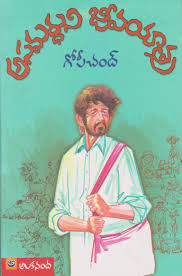
పాతకాలపు మదురై వైభవాన్ని, ఆనాటి మనుషుల మనస్తత్వాలను తెలుసుకోవాలనుకునే వారికి.
For readers who want to feel the texture of 16th-century South India through a lens of human drama.

వేయి పడగలు (విశ్వనాథ సత్యనారాయణ)
Veyi Padagalu by Viswanatha Satyanarayana
చివరకు మిగిలేది (బుచ్చిబాబు)
Chivaraku Migiledi by Buchibabu
మాలపల్లి (ఉన్నవ లక్ష్మీనారాయణ)
Malapalli by Unnava Lakshminarayana
Asamardhuni Jeevayatra
రచయిత
త్రిపురనేని గోపీచంద్
Tripuraneni Gopichand
కాలం
1940ల కాలం (ఆధునిక యుగం)
1940s (Modernist Era)
వర్గం
మనోవైజ్ఞానిక నవల
Psychological Realism / Existential Novel
శైలి
లోతైన అంతర్మధనాన్ని ప్రతిబింబించే స్పష్టమైన, బరువైన శైలి.
Introspective, path-breaking, and deeply philosophical Telugu prose.
మీరు ఈ పుస్తకాన్ని చదివితే, సామాజిక అంచనాల మధ్య నలిగిపోయే ఒక మనిషి అంతరంగ మథనాన్ని, అతని వైఫల్యాల వెనుక ఉన్న వేదనను అనుభవిస్తారు.
If you read this book, you will experience the quiet erosion of a soul caught between a crumbling past and an unforgiving future, exploring the thin line between being a 'misfit' and a 'philosopher.
మారుతున్న సామాజిక విలువలు, కనుమరుగవుతున్న పాత కాలపు వైభవం మధ్య సీతారామారావు అనే వ్యక్తి ఎలా నలిగిపోయాడో ఈ కథ చెబుతుంది. లోకజ్ఞానం లేని ఒక సున్నిత మనస్కుడు, చుట్టూ ఉన్న మనుషుల స్వార్థానికి, తనలోని అభద్రతా భావానికి ఎలా బలైపోయాడో రచయిత అద్భుతంగా చిత్రించారు. ఇది కేవలం ఒక వ్యక్తి కథ కాదు, ఆనాటి మధ్యతరగతి జీవితాల్లోని వైరుధ్యాలకు ఇది ఒక నిలువుటద్దం.

In a world shifting beneath his feet, Sitarama Rao finds himself a stranger to the mechanics of survival. Born into comfort but lacking the guile of his peers, he retreats into the labyrinth of his own mind. The story doesn't follow a hero's rise, but a soul's quiet, agonizing descent. Through dust-laden registers and the fading echoes of ancestral pride, we witness a man who is too sensitive for the crude machinery of a society that rewards cunning over character.

స్వాతంత్ర్యానంతర కాలంలో ఆంధ్రదేశంలో భూస్వామ్య వ్యవస్థ అంతరించి, ఆధునిక ఆర్థిక వ్యవస్థ వస్తున్న తరుణంలో వ్యక్తుల మనస్తత్వాలలో వచ్చిన పెనుమార్పులు ఈ నవలకు నేపథ్యం.

Set during the mid-20th century transition in Andhra, where the old landed-gentry lifestyle was collapsing and being replaced by a bureaucratic, competitive social order that many were emotionally unequipped to handle.

నేటి వేగవంతమైన, పోటీతో కూడిన ప్రపంచంలో మనం ఎక్కడ వెనుకబడిపోతామో అన్న ఆందోళన అందరిలోనూ ఉంది. ‘సమర్థత’ అంటే కేవలం సంపాదన మాత్రమే కాదు అని గుర్తించడానికి, మనిషిలోని సున్నితత్వానికి సమాజం ఇచ్చే విలువను ప్రశ్నించడానికి ఈ పుస్తకం మనకు నేటికీ అవసరమే.

In our current age of relentless productivity and ‘hustle culture,’ Sitarama Rao’s struggle is more relevant than ever. This book serves as a mirror to the modern anxiety of not being ‘enough’ or falling behind. It challenges the definition of competence and offers a space to reflect on the fragility of identity in a world that only values utility.

మన తెలుగు సాహితీ వనంలో ‘అసమర్థుని జీవయాత్ర’ ఒక ప్రత్యేకమైన మైలురాయి. గోపీచంద్ గారు ఒక మనిషి మనసు లోపలి పొరలను ఎంత లోతుగా తవ్వారో చదువుతుంటే ఆశ్చర్యం కలుగుతుంది. సీతారామారావు పతనం మనకు విషాదాన్ని మిగిల్చినా, మనలోని ‘నేను’ను ప్రశ్నించుకునేలా చేస్తుంది. ఈ పుస్తకం మన ఇంట్లోని పాత జ్ఞాపకాల అలమర లాంటిది; దీన్ని తెరిచినప్పుడు వెలువడే సువాసన మనల్ని మన మూలాల్లోకి, మనలోని బలహీనతల్లోకి తీసుకెళ్తుంది. మనస్తత్వ శాస్త్రం నవలగా మారితే అది సరిగ్గా ఇలాగే ఉంటుంది.

There is a specific kind of silence that fills a home when its foundations begin to crack—not from the outside, but from within. Tripuraneni Gopichand’s masterpiece is that very silence made into words. As you turn these pages, you aren’t just reading a story; you are witnessing the birth of the psychological novel in Telugu literature. It captures the weight of ‘paruvu’ or family honor, and how it can become a noose for a sensitive heart. In the warmth of our library, this book stands as a testament to the misunderstood, the dreamers who couldn’t wake up, and the deep complexity of the Telugu spirit facing a changing dawn.

సీతారామారావు తనని తాను సమర్థించుకోవడానికి పడే తపనను గమనించండి.

The shifting narrative voice that mirrors Sitarama Rao’s deteriorating mental state.

రచయిత వాడిన ప్రతీకలు, ముఖ్యంగా చీకటి మరియు పాత భవనాల వర్ణనలు.

The use of metaphors involving shadows and crumbling structures to reflect internal decay.

కుటుంబ గౌరవం అనే ముసుగులో మనిషి స్వేచ్ఛ ఎలా హరించబడుతుందో చూడండి.

The subtle but sharp critique of how society treats those who do not conform to traditional success.

ఆలోచనాపరులు

The Deep Thinker
మానవ ప్రవర్తనలోని చిక్కుముడులను, అంతర్గత సంఘర్షణలను అర్థం చేసుకోవాలనుకునే వారికి.
For those who find themselves analyzing the 'why' behind human failure and social expectations.

సాహిత్య ప్రియులు

The History Enthusiast
తెలుగులో వచ్చిన మొట్టమొదటి మరియు అత్యుత్తమ మనోవైజ్ఞానిక నవలను చదవాలనుకునే వారికి.
To understand the psychological landscape of Andhra during the post-independence social transition.

జీవిత సత్యాన్వేషకులు

The Empath
లోకరీతిని, మనుషుల నైజాన్ని నిశితంగా పరిశీలించాలనుకునే వారికి.
For readers who want to explore the internal world of someone labeled a 'failure' by the world.

చివరకు మిగిలేది - పి. పద్మరాజు
Chivaraku Migiledi by P. Padmaraju
అల్పజీవి - రావిశాస్త్రి
Alpajeevi by Raavi Sastry
పండిత పరమేశ్వర శాస్త్రి వీలునామా - త్రిపురనేని గోపీచంద్
Panditha Parameshwara Sastry Veelunama by Tripuraneni Gopichand
Sidhilalayam
Sidhilalayam
రచయిత
త్రిపురనేని గోపీచంద్
Tripuraneni Gopichand
కాలం
20వ శతాబ్దం మధ్యకాలం
Mid-20th Century (Post-Independence)
వర్గం
తాత్విక నవల / మనోవైజ్ఞానిక నాటకం
Philosophical Fiction / Psychological Drama
శైలి
అంతర్ముఖంగా, ఆలోచనాత్మకంగా సాగే శైలి
Reflective, Introspective, and Intellectual
ఈ పుస్తకాన్ని చదివితే, అహంకారం కుప్పకూలి, ప్రాపంచిక ఆశల శిథిలాల మధ్య ఆత్మ ఎలా పునర్నిర్మించబడుతుందో మీరు అనుభూతి చెందుతారు.

If you read this book, you will experience the crumbling of worldly ego and the quiet, painful rebuilding of the soul amidst the ruins of human ambition.

ఈ కథలోని గాలిలో తడి మట్టి వాసన, పాత రాళ్ల నిశ్శబ్దం వినిపిస్తాయి. తన ఆదర్శాల శిథిలాల మధ్య, సామాజిక కట్టుబాట్ల మధ్య నలిగిపోయే ఒక మనిషి ప్రయాణాన్ని మనం ఇక్కడ చూస్తాం. వైభోగంగా వెలిగిన భవనాలు, అంతకంటే గొప్ప సిద్ధాంతాలు కాలక్రమేణా మట్టిలో ఎలా కలిసిపోతాయో ఈ నవల చర్చిస్తుంది. 'శిథిలాలయం' అనే రూపకం ద్వారా, భౌతికవాదం మరియు మేధోగర్వం ఓడిపోయిన చోట మానవ హృదయం వెతికే అసలైన సత్యం ఏమిటో గోపీచంద్ గారు అద్భుతంగా ఆవిష్కరించారు.

The air in this story smells of damp earth and old stones. We follow a protagonist navigating the wreckage of his own ideals and the social structures around him. It is a world where grand mansions and grander philosophies are slowly reclaimed by the dust. Through the lens of a 'ruined temple' (Sidhilalayam), the narrative explores the debris left behind when materialism and hollow intellect fail to provide the answers a human heart truly craves. It is a journey through the shadows of disillusionment toward a raw, unadorned light.


స్వాతంత్రం వచ్చిన కొత్తలో, సాంప్రదాయ విలువలకు మరియు ఆధునిక భావజాలాలకు మధ్య జరిగిన మేధోమథనానికి ఈ పుస్తకం ఒక ప్రతిబింబం.

Written during a time when the young Indian nation was grappling with the clash between traditional values and emerging modern/Marxist ideologies, reflecting the intellectual churn of the Telugu middle class.

డిజిటల్ యుగంలో ప్రతిదీ ప్రదర్శనగా మారిపోయిన నేటి కాలంలో, గోపీచంద్ గారి ఈ రచన మనల్ని మనం వెతుక్కోవడానికి ఒక దిక్సూచిలా పనిచేస్తుంది. మనలోని వైఫల్యాలు, బాధలు కేవలం ముగింపులు మాత్రమే కావని, అవి ఆత్మశోధనకు పునాదులని ఈ పుస్తకం గుర్తు చేస్తుంది.

In an age of digital burnout where we constantly curate ‘perfect’ lives, Gopichand’s masterpiece serves as a vital anchor. It reminds us that our internal ‘ruins’—our failures, our heartbreaks, and our lost certainties—are not just endings, but sacred spaces where genuine self-discovery begins. It is a guide for anyone feeling lost in the modern pursuit of ‘more’.

శిథిలాల్లో ఒక వింతైన, వెంటాడే అందం ఉంటుంది. మనం మన జీవితమంతా అహంకారంతో పెద్ద పెద్ద గోపురాలను నిర్మిస్తుంటాం, కానీ కాలం అనే గాలికి అవి నిలవలేవని తెలుసుకోలేం. గోపీచంద్ గారు కేవలం ఒక కథను రాయలేదు, మనిషి అంతరంగానికి శస్త్రచికిత్స చేశారు. మనల్ని మనం నిర్వచిస్తాయనుకున్నవన్నీ పోయాక, మనలో మిగిలేది ఏమిటి? అని ఆయన ప్రశ్నిస్తారు. భ్రమలు తొలిగిపోయిన తర్వాత మిగిలే ఆ పచ్చినిజం, మనం లోకానికి చూపించే రంగుల ముసుగు కంటే ఎంతో విలువైనది. ప్రార్థన ముగిసిన తర్వాత కూడా గుడి గంట ఇచ్చే ప్రతిధ్వనిలా, ఈ పుస్తకం మీ మనసులో నిలిచిపోతుంది.

There is a peculiar, haunting beauty in ruins. We often spend our entire lives building towers of ego, only to find they cannot withstand the relentless winds of time. Gopichand doesn’t just write a story; he performs a gentle surgery on the human condition. He invites us to sit among the broken pillars of our own expectations and ask: What remains when everything we thought defined us is gone? This book is a sanctuary for the disillusioned. It teaches us that once the grand illusions are stripped away, the raw, honest self that remains is far more precious than the polished facade we show the world. It’s like the quiet resonance of a temple bell long after the prayer has ended—a lingering truth that stays with you in the dark.

మనిషి మనస్తత్వానికి అద్దం పట్టే 'శిథిలాలయం' అనే రూపకం.

The recurring metaphor of the 'ruined temple' as a mirror for the human psyche.

పాత్రల మేధోపరమైన చర్చల మధ్య సాగే లోతైన నిశ్శబ్దం.

The moments of profound silence between the protagonist's intellectual debates.

బాహ్య విజయాల నుండి అంతర్గత స్వేచ్ఛ వైపు సాగే ప్రయాణం.

How the author captures the shift from external ambition to internal liberation.

అన్వేషకులు

The Seeker
జీవితం యొక్క లోతైన అర్థం కోసం వెతికే వారికి ఇది సరైన ఎంపిక.
If you are looking for more than just a plot and want to explore the 'why' of human existence.

మేధోపరమైన తిరుగుబాటుదారులు

The Intellectual Rebel
సామాజిక కట్టుబాట్లను, భౌతికవాదాన్ని ప్రశ్నించే మనస్తత్వం ఉన్నవారికి.
For those who find themselves questioning societal norms and the hollowness of material success.

ఏకాంత ప్రియులు

The Weary Soul
విఫలమైన క్షణాల్లో తోడు కోసం వెతికే మనసులకు ఈ పుస్తకం ఒక ఓదార్పు.
If you are going through a phase of loss or failure, this book offers a unique kind of companionship.

అసమర్థుని జీవయాత్ర (త్రిపురనేని గోపీచంద్)
Asamardhuni Jeevayatra by Tripuraneni Gopichand
చివరకు మిగిలేది (బుచ్చిబాబు)
Chivaraku Migiledi by Buchi Babu
అల్పజీవి (రావిశాస్త్రి)
Alpajeevi by Raavi Sastry
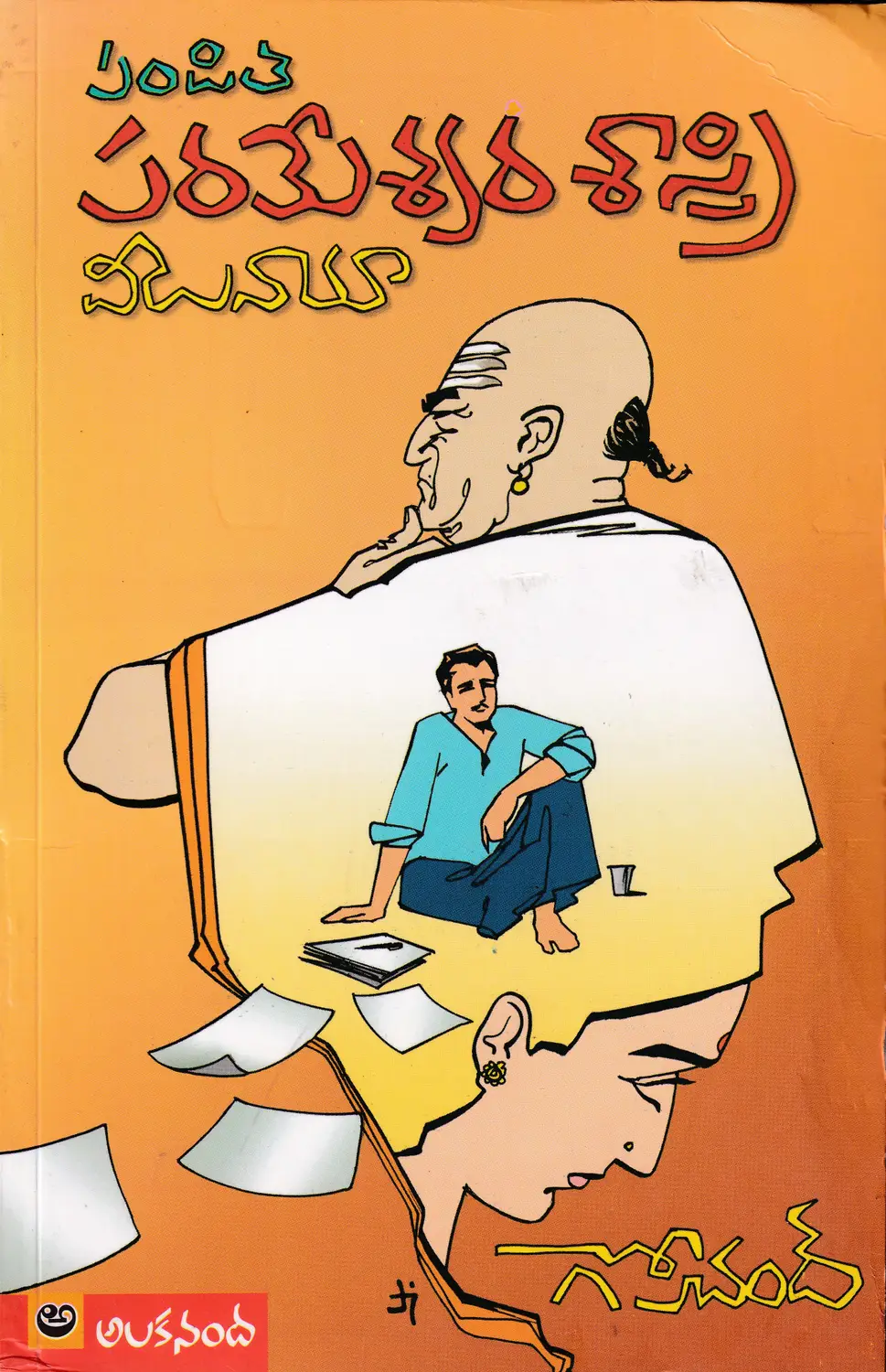
Panditha Parameshwara Sastry Veelunama
రచయిత
త్రిపురనేని గోపీచంద్
Tripuraneni Gopichand
కాలం
1960వ దశకం (స్వాతంత్ర్యానంతర కాలం)
1960s (Post-Independence Era)
వర్గం
తాత్విక నవల / సాంఘిక వాస్తవికత
Philosophical Novel / Social Realism
శైలి
ఉన్నతమైన, ఆలోచనాత్మకమైన మరియు మేధోపరమైన తెలుగు వచనం
Refined, introspective, and intellectually grounded Telugu
మీరు ఈ పుస్తకాన్ని చదివితే, ఒక ముగిసిపోతున్న తరం యొక్క మేధోపరమైన బరువును, వారసత్వం మరియు ప్రగతి మధ్య జరిగే నిశ్శబ్ద ఘర్షణను, ఒక పండితుడి నిష్క్రమణ నీడలో విచ్చుకునే మానవ సత్యాలను అనుభూతి చెందుతారు.

If you read this book, you will experience the intellectual weight of a fading era, the silent friction between heritage and progress, and the profound human truths revealed in the shadow of a scholar’s legacy.

పాత తాళపత్ర గ్రంథాల వాసన, మారుతున్న భారతీయ సామాజిక ముఖచిత్రం ఈ కథలోని వాతావరణం. అపారమైన పాండిత్యం, గౌరవం కలిగిన పండిత పరమేశ్వర శాస్త్రి మరణించినప్పుడు, ఆయన కేవలం ఆస్తిని మాత్రమే వదిలి వెళ్ళరు. ఆయన 'వీలునామా' ఆయన నీడలో బతికిన వారి నిజస్వరూపాలను, దాగి ఉన్న రహస్యాలను, ఒకరికొకరు పొసగని సిద్ధాంతాలను బయటపెట్టే అద్దంలా మారుతుంది. గ్రంథాలయాల నిశ్శబ్దం, గంభీరమైన చర్చలు, ఒక గొప్ప మనిషి యొక్క బహిరంగ కీర్తి వెనుక ఉండే వ్యక్తిగత సంఘర్షణల సమాహారమే ఈ నవల.

The air in the story is thick with the scent of old palm-leaf manuscripts and the looming transition of a changing India. When Panditha Parameshwara Sastry, a man of immense learning and stature, passes away, he leaves behind more than just property. His 'Veelunama' (Will) becomes a mirror reflecting the hidden motives, the secret lives, and the clashing ideologies of those who stood in his shadow. It is a world of quiet library rooms, intense philosophical debates, and the slow realization that a great man's public glory often masks a complex private struggle.

20వ శతాబ్దం మధ్యకాలంలో, తెలుగు సమాజం సంప్రదాయ వేద విద్య నుండి సోషలిజం మరియు ఆధునికత వైపు మారుతున్న సంధి కాలాన్ని ఈ నవల ప్రతిబింబిస్తుంది. చదువు మనిషి సామాజిక హోదాను నిర్ణయించే ఆ కాలంలో, మారుతున్న దేశ పరిస్థితులు వ్యక్తిగత ఆలోచనలను ఎలా ప్రభావితం చేశాయో ఇందులో చూడవచ్చు.

Set in the mid-20th century, the novel captures a pivotal moment in Telugu society when traditional Vedic scholarship was meeting the new waves of socialism and individualistic modernity. It reflects the nuances of an era where a person's social standing was defined by their learning, yet their inner world was being reshaped by a changing nation.

మనల్ని మనం ఇతరులకు ప్రదర్శించుకునే ఈ డిజిటల్ యుగంలో, ఒక మనిషి లోపల ఉండే అసలైన జీవితాన్ని ఈ పుస్తకం గుర్తు చేస్తుంది. వారసత్వం అంటే కేవలం సంపదో, పాండిత్యపు అహంకారమో కాదని, మన అస్తిత్వం వెనుక ఉన్న నిజాన్ని వెతకాలని ఇది బోధిస్తుంది. ఆధునిక ప్రపంచపు పరుగులో తమ మూలాలను వెతుక్కునే వారికి ఇది ఒక దిక్సూచి.

In an age of digital noise where we curate our lives for strangers, this book reminds us of the ‘unseen life.’ It challenges us to look beyond the surface of inheritance—be it wealth or intellectual pride—and find the authentic self. It is a grounding anchor for anyone feeling adrift in the modern disconnect between their public persona and private reality.

వినండి… ఈ బరువైన పుటల సవ్వడి విన్నారా? పురాణాలను అవపోసన పట్టిన ఒక మేధావి, తన మనసులోని సందిగ్ధాలను ఎలా ఎదుర్కొన్నాడో ఈ అక్షరాలు చెబుతాయి. పరమేశ్వర శాస్త్రి వదిలివెళ్ళింది కేవలం ఒక ఆస్తి పత్రం కాదు; మనుషుల మధ్య ఉండే క్లిష్టమైన బంధాల వలయాన్ని. క్షణికమైన హోదా కోసం పాకులాడే ఈ రోజుల్లో, నిశ్శబ్దంగా మనం నిర్మించుకునే వ్యక్తిత్వమే అసలైన వారసత్వం అని మనం మర్చిపోతుంటాం. ఈ పుస్తకం మన ఇంటి గ్రంథాలయంలో ఒక పాత ఇత్తడి దీపంలా కొలువై ఉంటుంది—అది ఆర్భాటం చేయదు, కానీ మనం పట్టించుకోని మన ఆలోచనల్లోని చీకటి కోణాలను వెలిగిస్తుంది. పుస్తకాలు మూసివేసి, దీపం ఆరిపోయిన తర్వాత నీలో మిగిలేది ఏమిటి? అని ఇది మనల్ని ప్రశ్నిస్తుంది.

Listen closely… can you hear the rustle of these heavy pages? They carry the weight of a man who mastered the ancient scriptures but had to navigate the modern heart. Panditha Parameshwara Sastry didn’t just leave behind a document of division; he left a labyrinth of human relationships. In our current rush for instant status, we often forget that our true inheritance is the character we build in the quiet hours. This book sits in our home library like an old brass lamp—it doesn’t shout for attention, but it illuminates the dark corners of our thoughts that we’ve been too busy to notice. It asks us: what remains of you when the books are closed and the lamp is dimmed?

శాస్త్రి గారి సంప్రదాయ పాండిత్యానికి, కొత్తగా వస్తున్న భౌతికవాదానికి మధ్య ఉన్న సున్నితమైన వైరుధ్యం.

The delicate tension between the Panditha's traditional scholarship and the rising tide of modern materialism.

పాత్రల నిజస్వరూపాలను బయటపెట్టడానికి రచయిత 'వీలునామా'ను ఒక మానసిక పరికరంగా వాడిన తీరు.

The way the author uses the 'Will' as a psychological device to reveal the true nature of secondary characters.

అక్షరాల మధ్యలో దాగున్న నిశ్శబ్దం, ఆ నిశ్శబ్దంలో ప్రతిధ్వనించే వారసత్వపు బరువు.

The moments of profound silence between the lines where the weight of legacy feels most heavy.

మానవ స్వార్థం క్రమంగా ఒక తాత్విక అన్వేషణగా మారే క్రమం.

The subtle evolution of human greed into a search for existential meaning.

సత్యాన్వేషకులు

The Intellectual Seeker
కథలోని తాత్విక కోణాలను, సామాజిక విశ్లేషణను ఇష్టపడే వారి కోసం.
For those who enjoy peeling back layers of philosophy and social critique hidden within a narrative.

వారసత్వ ప్రేమికులు

The Legacy-Builder
ఆస్తిపాస్తుల కంటే గొప్పదైన సంస్కార వారసత్వం గురించి ఆలోచించే వారి కోసం.
For anyone contemplating what they will leave behind for the next generation beyond material wealth.

నిశిత పరిశీలకులు

The Quiet Observer
నదిలా నిలకడగా సాగే లోతైన మనుషుల కథలను ఇష్టపడే వారి కోసం.
For readers who appreciate character-driven stories that move with the steady, deep pace of a river.

అసమర్థుని జీవయాత్ర - త్రిపురనేని గోపీచంద్
Asamardhuni Jeevayatra by Tripuraneni Gopichand
చివరకు మిగిలేది - బుచ్చిబాబు
Chivaraku Migiledi by Buchi Babu
వేయి పడగలు - విశ్వనాథ సత్యనారాయణ
Veyi Padagalu by Vishwanatha Satyanarayana
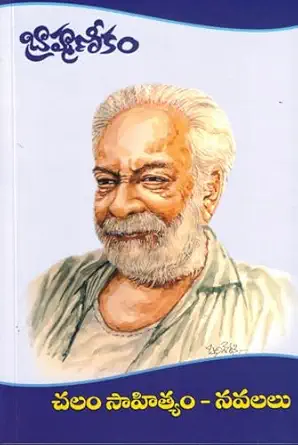
Brahmaneekam
Brahmaneekam
రచయిత
గుడిపాటి వెంకట చలం
Gudipati Venkata Chalam
కాలం
20వ శతాబ్దం ఆరంభం (1920-30లు)
Early 20th Century (1920s-1930s)
వర్గం
సామాజిక వాస్తవిక నవల
Social Realistic Fiction / Classic
శైలి
సూటిగా, గుండెలకు హత్తుకునేలా ఉండే విప్లవాత్మక వచనం
Raw, provocative, and rhythmic modern Telugu prose
ఈ పుస్తకాన్ని చదివితే, కట్టుబాట్ల కంచుకోటల మధ్య నలిగిపోయే ఒక స్త్రీ ఆత్మవేదనను, ఆ బంధాలను తెంచుకుని సత్యం వైపు ఆమె వేసే అడుగులను మీరు అనుభూతి చెందుతారు.

If you read this book, you will experience the raw, unfiltered struggle of a woman's spirit against the rigid walls of tradition, finding a painful yet necessary liberation through truth.

అగ్రహారపు వీధులు, పాతకాలపు ఇళ్లు, మంత్రోచ్ఛారణల మధ్య వినిపించని ఒక రోదన ఈ కథ. సంప్రదాయం పేరిట స్త్రీల భావాలను, వారి ఉనికిని ఎలా అణచివేసేవారో చలం ఈ నవలలో కళ్లకు కట్టినట్లు చూపిస్తారు. పవిత్రత అనే ముసుగులో దాగున్న అపవిత్ర ఆలోచనలను, ఒక స్త్రీ తన ఆత్మగౌరవం కోసం పడే తపనను ఈ పుస్తకం మన ముందుంచుతుంది. ఇది ఒక నిశ్శబ్ద పోరాటం.

In the quiet, incense-scented lanes of a traditional Agraharm, a storm is brewing behind heavy wooden doors. The story reveals the hidden lives of women bound by centuries of unquestioned rules, navigating a world that prizes ritual purity over human empathy. It is a world of flickering oil lamps and shadowed courtyards where the search for personal identity feels like a dangerous rebellion against the gods themselves.

స్వాతంత్ర్యానికి పూర్వపు ఆంధ్రదేశంలో, ముఖ్యంగా అగ్రహారాలలో నెలకొన్న కఠినమైన సామాజిక కట్టుబాట్లు, స్త్రీల పట్ల వివక్ష మరియు ఆచారాల పేరిట సాగిన అణచివేత నేపథ్యంలో ఈ కథ సాగుతుంది.

Set in pre-independence Andhra, the book reflects the peak of the Telugu social reform movement, specifically targeting the hypocrisy within the orthodox Brahmin community and the lack of agency afforded to women.

బాహ్య వేషధారణలకు, సోషల్ మీడియా ముసుగులకు ప్రాముఖ్యత పెరిగిన నేటి కాలంలో, మనసులోని నిజాన్ని ధైర్యంగా ఒప్పుకోవాలని ఈ పుస్తకం నేర్పుతుంది. మన అస్తిత్వాన్ని మనం వెతుక్కోవడంలో ఉండే సవాలును, సంప్రదాయాల వెనుక ఉన్న మనుషుల నిజస్వరూపాన్ని అర్థం చేసుకోవడానికి ఇది ఒక దిక్సూచి.

In an era of curated digital identities and performative holiness, Chalam’s ‘Brahmaneekam’ acts as a mirror that strips away masks. It challenges us to look at the structures we inherit and ask if they nourish the soul or merely imprison it, making it essential for anyone feeling the weight of societal expectations.

చలం రచన అంటే కేవలం అక్షరాలు కావు, అవి మండుతున్న నిప్పుకణికలు. ‘బ్రాహ్మణీకం’ చదువుతుంటే మన సమాజం పట్ల, మన నైతికత పట్ల మనకే కొత్త ప్రశ్నలు పుడతాయి. ఆచారాల కన్నా మనిషి విలువే గొప్పదని చాటిన గొంతు ఇది. గుండె లోతుల్లో దాచుకున్న బాధను, బయటకు చెప్పలేని సత్యాన్ని చలం తన కలం ద్వారా పలికించారు. ఈ పుస్తకం ఒక అనుభవం, ఒక మేల్కొలుపు.

Imagine a voice that doesn’t just speak but vibrates with the intensity of a river in flood. Chalam doesn’t hide behind flowery metaphors; he reaches into the chest and pulls out the beating heart of his characters. In ‘Brahmaneekam’, he asks us: what is more sacred—a ritual performed with a cold heart, or a truth spoken through tears? Listen closely to the silences between his sentences; that is where the real revolution lives.

కథలో వచ్చే కృష్ణా నది ప్రవాహం - అది స్వేచ్ఛకు మరియు మార్పుకు సంకేతంగా ఎలా కనిపిస్తుందో గమనించండి.

The recurring motif of flowing water, representing both purity and the desire for escape.

స్త్రీల అంతర్మథనాన్ని చలం చిత్రించిన తీరు, వారి మౌనంలోని మాటలను వినడానికి ప్రయత్నించండి.

The stark, almost breathless rhythm of the dialogue that mirrors the protagonist's inner turmoil.

ఆనాటి అగ్రహారపు జీవనశైలిలోని సున్నితమైన అంశాలను, ఆచారాల వెనుక ఉన్న వైరుధ్యాలను గుర్తించండి.

The contrast between the outward 'purity' of the setting and the internal moral decay of the oppressors.

సత్యాన్వేషులు

The Truth-Seeker
సమాజం విధించిన కృత్రిమ నియమాలను దాటి, మనిషి యొక్క సహజ స్వభావాన్ని దర్శించాలనుకునే వారికి.
If you are tired of societal pretenses and crave literature that is unflinchingly honest about the human condition.

సాహిత్య ప్రేమికులు

The History Enthusiast
తెలుగు వచన కవిత్వంలో ఒక విప్లవాన్ని సృష్టించిన చలం గారి శైలిని రుచి చూడాలనుకునే వారికి.
To understand the radical shifts in Telugu social thought and the origins of modern Telugu feminist discourse.

ఆలోచనాపరులు

The Soulful Rebel
పాత సంప్రదాయాలను కొత్త వెలుగులో విశ్లేషించి, మన సంస్కృతిలోని లోటుపాట్లను అర్థం చేసుకోవాలనుకునే వారికి.
For those who feel that the traditions they were born into do not quite fit the shape of their internal truth.

మైదానం (చలం)
Maidanam by Chalam
కన్యాశుల్కం (గురజాడ అప్పారావు)
Kanyasulkam by Gurazada Apparao
చివరకు మిగిలేది (బుచ్చిబాబు)
Chivaraku Migiledi by Buchi Babu
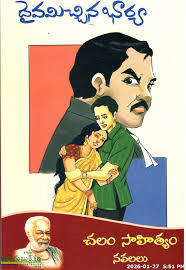
Daivamidchina Bharya
రచయిత
గుడిపాటి వెంకట చలం
Gudipati Venkata Chalam
కాలం
20వ శతాబ్దం ఆరంభం (1920-1930)
Early 20th Century (1920s-1930s)
వర్గం
సామాజిక మరియు తాత్విక నవల
Social & Philosophical Fiction
శైలి
విప్లవాత్మకమైన, సూటియైన మరియు భావోద్వేగపూరితమైన వచనం
Revolutionary, direct, and emotionally raw prose
ఈ పుస్తకం చదివితే, మీరు సమాజం వేసుకున్న ముసుగులు తొలగిపోయి, బంధాలలోని సత్యాన్వేషణ మరియు వ్యక్తిగత స్వేచ్ఛ యొక్క అసలైన రూపాన్ని దర్శిస్తారు.

If you read this book, you will experience the startling collapse of societal masks and the emergence of a raw, unvarnished search for truth and individual freedom in relationships.

సాంప్రదాయ గృహాల గోడల మధ్య, మనుషుల గుండెల్లో దాగివున్న భయానకమైన మరియు విశాలమైన భావాల మధ్య ఈ కథ సాగుతుంది. 'దైవం నిర్ణయించిన' వివాహ బంధంలో చిక్కుకున్న వ్యక్తులు, అసలైన దైవత్వం ఆచారాలలో కాదు, నిజాయితీలో ఉంటుందని ఎలా తెలుసుకున్నారో ఇది వివరిస్తుంది. అగరుబత్తుల వాసన, చెప్పలేని మాటల బరువు కలిసిన వాతావరణంలో, సామాజిక గౌరవం అనే పంజరం నుండి బయటపడాలని తపించే ఆత్మల సంఘర్షణ ఇది.

The story breathes within the suffocating walls of traditional households and the expansive, often frightening landscape of the human heart. It navigates the life of characters bound by the concept of a 'divinely ordained' marriage, only to find that divinity might lie in honesty rather than in ritual. The air is thick with the scent of incense and the weight of unsaid words, set against a backdrop where the individual's soul struggles to break free from the cage of social respectability.

ఆంధ్రదేశంలో సామాజిక మార్పులు మొదలవుతున్న కాలంలో, స్త్రీ స్వేచ్ఛ మరియు పాతకాలపు పితృస్వామ్య వ్యవస్థల మీద వచ్చిన విమర్శలకు ఈ నవల ఒక ప్రతిబింబం.

Written during a time of intense social churning in Andhra, this work reflects the early movements toward women's liberation and the critique of the decaying feudal and patriarchal structures of British India.

నేటి కృత్రిమ వేషధారణల కాలంలో, చలం గొంతు ఒక అవసరమైన హెచ్చరిక. మన కుటుంబాలలో మనం పోషించే ‘పాత్రల’ను పక్కన పెట్టి, మనల్ని మనం నిజంగా చూసుకోగలుగుతున్నామా అని ఈ పుస్తకం ప్రశ్నిస్తుంది. పైపైన ఉండే బంధాల మధ్య అల్లాడుతున్న ఆధునిక మానవుడికి ఇది ఒక దిక్సూచి.

In an era of curated identities and digital performativity, Chalam’s voice remains a necessary shock to the system. This book challenges us to look past the ‘roles’ we play in our families and ask if we are truly seen or loved for who we are. It is a guide for those feeling lost in the modern search for authenticity amidst superficial connections.

చలం రచనను చదవడం అంటే ఉక్కపోతతో కూడిన మధ్యాహ్నం తర్వాత కురిసే అకస్మాత్తు వానలో తడవడం వంటిది. అది ఉపశమనాన్ని ఇస్తుంది, కానీ ఒంటికి చురుక్కుమంటుంది. ‘దైవమిచ్చిన భార్య’ హాయినిచ్చే పుస్తకం కాదు; అది మనలో మనం దాచుకునే రహస్యాలతో జరిపే సంభాషణ. మనం పవిత్రమని భావించే బంధాల మూలాలను ఇది ప్రశ్నిస్తుంది. ఈ పుస్తకం మన లైబ్రరీలో ఉండాలి, ఎందుకంటే ఇది మనకు అబద్ధాలు చెప్పదు. నిశ్శబ్దం మీద కట్టిన ఇల్లు ఒక అందమైన సమాధి మాత్రమేనని, నిజాయితీతోనే అసలైన ఆధ్యాత్మికత మొదలవుతుందని ఇది గుర్తు చేస్తుంది.

To read Chalam is to stand under a sudden, heavy downpour after a long, humid afternoon. There is a sense of relief, but also a stinging coldness. ‘Daivamidchina Bharya’ is not a comfortable read; it is a conversation with the parts of ourselves we usually hide. It questions the very sanctity of the bonds we take for granted. This book deserves a place in our library because it refuses to lie to us. It reminds us that a home built on silence is just a beautiful tomb, and that true spirituality begins with the courage to be honest with oneself and one’s partner.

పాత్రల సామాజిక ముసుగులను చలం తన సంభాషణల ద్వారా ఎలా తొలగించారో గమనించండి.

The way Chalam uses dialogue to strip away the characters' social defenses.

సమాజం చెప్పే 'పవిత్రత'కు, ఆత్మకు ఉండే 'పవిత్రత'కు మధ్య ఉన్న వ్యత్యాసం.

The recurring contrast between the 'purity' defined by society and the 'purity' of the human spirit.

పాత్రల మనోవేదనను ప్రతిబింబించే చలం వచనంలోని వేగం మరియు లయ.

The rhythmic, almost breathless quality of the prose that mirrors the characters' internal restlessness.

సత్యాన్వేషకులు

The Truth-Seeker
సామాజిక కట్టుబాట్లు వ్యక్తిగత వికాసానికి అడ్డుపడుతున్నాయని భావించే వారి కోసం.
For those who feel that conventional social structures often stifle the growth of the individual soul.

ఆధునిక దంపతులు

The Modern Partner
కేవలం బాధ్యత కోసమే కాకుండా, ప్రేమలో లోతైన అర్థాన్ని వెతికే వారి కోసం.
For anyone navigating the complexities of commitment and looking for a deeper definition of love beyond duty.

సాహిత్య ప్రేమికులు

The History Enthusiast
తెలుగు వచన శైలిని మరియు సామాజిక చింతనను మార్చివేసిన విప్లవాత్మక మార్పును అర్థం చేసుకోవడం కోసం.
To understand the radical literary shift that redefined Telugu prose and social thought in the 20th century.

మైదానం (చలం)
Maidanam by Chalam
కన్యాశుల్కం (గురజాడ అప్పారావు)
Kanyasulkam by Gurazada Apparao
శివాజీ (చలం)
Sivaji by Chalam

Ramayana Vishavruksham

కావలసిన పదార్ధాలు
తయారి విధానం
[real3dflipbook id='1']