Library

గ్రంధాలయం

Stories, poems, songs and memories – curated by our family for yours.

Choose a book by Mood, Age, or Instinct.
The Right Story will find You.

మా పుస్తకాల అర

Ramayana Vishavruksham
రచయిత
రంగనాయకమ్మ
Ranganayakamma
కాలం
1974-1976
1974-1976
వర్గం
విమర్శనాత్మక విశ్లేషణ / స్త్రీవాద సాహిత్యం
Critical Analysis / Feminist Literature
శైలి
తార్కిక, విశ్లేషణాత్మక మరియు సూటిగా ఉండే శైలి
Analytical, Rationalist, and Provocative
ఈ పుస్తకాన్ని చదివితే, మీరు తరతరాలుగా వస్తున్న పురాణ గాథల వెనుక ఉన్న సామాజిక చట్రాలను తర్కంతో, సామాజిక న్యాయంతో ప్రశ్నించే ఒక కొత్త చూపును పొందుతారు.
If you read this book, you will experience the startling weight of a mirror held up to an ancient epic, challenging every tradition you were told to never question with the cold, sharp light of logic and social justice.
మన గ్రంథాలయంలోని మిగిలిన పుస్తకాలు ఒక ఎత్తు, ఈ పుస్తకం ఒక ఎత్తు. ఇది రామకథను ఒక దైవిక కావ్యంగా కాకుండా, ఒక సామాజిక వ్యవస్థగా విశ్లేషిస్తుంది. పవిత్రమైనదిగా భావించే ప్రతి విషయాన్ని తర్కంతో గీటురాయిపై పెట్టి చూస్తుంది. వాల్మీకి రామాయణంలోని ప్రతి శ్లోకాన్ని సామాజిక కోణంలో విడమర్చి చెబుతూ, పాత్రల మధ్య ఉండే అధికార సంబంధాలను, లింగ వివక్షను ఎత్తి చూపుతుంది. ఇది కేవలం పఠనం కాదు, ఒక లోతైన ఆలోచనా మథనం.

The library is usually a place of quiet reverence, but this volume hums with a different energy—the energy of a storm. It does not tell the story of Rama as a divine play, but as a human social structure carved in stone and patriarchy. Walking through these pages is like walking through a familiar temple but looking at the cracks in the foundation rather than the gold on the idol. It dismantles the Valmiki Ramayana verse by verse, stripping away the supernatural to reveal the human power dynamics beneath.

1970లలో ఆంధ్రప్రదేశ్‌లో ఊపందుకున్న హేతువాద, విప్లవ ఉద్యమాల నేపథ్యంలో వచ్చిన ఈ రచన, తెలుగు సమాజంలో మతపరమైన గ్రంథాలను చూసే దృక్పథాన్ని మార్చివేసింది.

Written during the height of the rationalist and revolutionary movements in Andhra Pradesh (1970s), this work sparked intense public debate and redefined how Telugu society approached religious texts.

గుడ్డిగా అనుసరించడం కన్నా, ప్రశ్నించడం గొప్ప సంస్కారం అని ఈ పుస్తకం మనకు గుర్తు చేస్తుంది. నేటి డిజిటల్ యుగంలో సమాచారాన్ని విశ్లేషించే శక్తి తగ్గిపోతున్న తరుణంలో, ఈ గ్రంథం మనకు విమర్శనాత్మక ఆలోచనా ధోరణిని నేర్పుతుంది. మన మూలాలను గౌరవిస్తూనే, వాటిలోని లోటుపాట్లను గుర్తించగల ధైర్యాన్ని ఇది ఇస్తుంది.

In an age where information is swallowed whole and nuance is often lost to noise, this book stands as a pillar of critical thinking. It reminds us that our heritage is not just to be worshipped, but to be understood and, when necessary, questioned. It speaks to the modern soul that feels the friction between ancient customs and modern values of equality.

ఈ పుస్తకాన్ని చేతిలోకి తీసుకున్నప్పుడు మనసులో ఒక నిశ్శబ్దం ఆవరిస్తుంది. అది దశాబ్దాలుగా పేరుకుపోయిన సంప్రదాయ మౌనాన్ని ఛేదించే నిశ్శబ్దం. రంగనాయకమ్మ గారు కేవలం విమర్శ చేయలేదు; ఒక మేధోపరమైన విప్లవాన్ని సృష్టించారు. ఒక ఇంటి విజ్ఞాన భాండాగారంలో భిన్నమైన గొంతులకు చోటు ఉండాలి. అప్పుడే ఆ ఇల్లు చైతన్యవంతంగా ఉంటుంది. రామాయణ విషవృక్షం మన గ్రంథాలయంలో ఉండటం అంటే, మన ఇంట్లో ఒక నిరంతర చర్చకు, ప్రశ్నకు తావు ఇవ్వడమే. ఇది చదివినప్పుడు కలిగే అసహనం మనల్ని మరింత లోతుగా ఆలోచించేలా చేస్తుంది.

There is a peculiar stillness in the air when one picks up this book. It is the sound of a long-standing silence being broken. Ranganayakamma didn’t just write a critique; she built a bridge between the logic of the modern mind and the stories of our ancestors. To read this is to participate in a grand, difficult conversation that has shaped Telugu intellectual thought for decades. It is uncomfortable, yes, but so is the process of waking up. It deserves its place on our shelf because a home that cannot house a dissenting voice is a home that has stopped growing.

వాల్మీకి శ్లోకాలనే ప్రాతిపదికగా తీసుకుని రచయిత్రి చేసిన తార్కిక విశ్లేషణ.

The relentless application of Marxist and feminist lenses to characters we usually see as infallible.

స్త్రీవాద కోణంలో సీత వంటి పాత్రల స్థితిగతులపై చేసిన లోతైన చర్చ.

The way the author uses the original Valmiki verses to build her counter-arguments.

సామాజిక వర్గ విభజన రామాయణ పాత్రల ప్రవర్తనను ఎలా ప్రభావితం చేసిందో వివరించిన తీరు.

The recurring theme of social hierarchy and how it influences the 'morality' of the characters.

ప్రశ్నించే మనస్తత్వం ఉన్నవారు

The Skeptic
సంప్రదాయ వాదనలకు అతీతంగా లోతైన తార్కిక విశ్లేషణ కోరుకునే వారి కోసం.
For those who have always felt uneasy with traditional narratives and seek a logical framework to understand their doubts.

సాహిత్య విద్యార్థులు

The Student of Literature
ఒక కావ్యాన్ని విమర్శనాత్మక కోణంలో ఎలా అధ్యయనం చేయాలో తెలుసుకోవడానికి.
To witness how a critique can be as powerful and enduring as the work it analyzes.

సామాజిక కార్యకర్తలు

The Social Reformer
భారతీయ సంస్కృతిలో పితృస్వామ్య మూలాలు ఎక్కడ ఉన్నాయో స్త్రీవాద దృక్పథంతో అర్థం చేసుకోవడానికి.
To understand the roots of patriarchal structures in Indian cultural history through a feminist perspective.

చలం 'మైదానం'
Maidanam by Chalam
ఓల్గా 'విముక్త'
Vimukta by Volga
Atadu_-_ame
Atadu_-_ame
రచయిత
ఉప్పల లక్ష్మణరావు
Uppala Lakshmanarao
కాలం
1950వ దశకం
1950s (Post-Independence Era)
వర్గం
మనోవైజ్ఞానిక సామాజిక నవల
Psychological Fiction / Social Drama
శైలి
విశ్లేషణాత్మకమైన మరియు లోతైన శైలి
Introspective, Analytical, and Nuanced
ఈ పుస్తకాన్ని చదివితే, మీరు ఇద్దరు వ్యక్తుల అంతరంగాల్లోని అలజడిని, అనుబంధాల లోతుల్ని, మరియు మారుతున్న కాలంతో పాటు మారుతున్న మనసుల చిత్రణను అనుభవిస్తారు.
If you read this book, you will experience the intricate dance of two souls navigating the delicate balance between personal ideology and marital duty, all while the world outside shifts on its axis.
స్వాతంత్ర్య పోరాట కాలం నాటి సామాజిక వాతావరణంలో సత్యం, సావిత్రిల మధ్య సాగే మానసిక ప్రయాణమే ఈ నవల. బయట దేశం కోసం పోరాటం జరుగుతుంటే, లోపల మనసుల మధ్య ఒక నిశ్శబ్ద యుద్ధం, ఒక అర్థవంతమైన చర్చ సాగుతుంటుంది. కేవలం ఒక దంపతుల కథగా కాకుండా, మనిషి వ్యక్తిత్వానికి, సామాజిక బాధ్యతకు మధ్య ఉండే సన్నని గీతను ఈ పుస్తకం మనకు చూపిస్తుంది. ఉత్తరాల ద్వారా, ఆలోచనల ద్వారా వారి మధ్య జరిగే సంభాషణలు మనల్ని ఆ కాలంలోకి తీసుకెళ్తాయి.

Set against the backdrop of India's struggle for independence, the story follows the lives of Satyam and Savitri. Their marriage is not merely a social union but a profound intellectual and emotional collision. Through their letters and internal monologues, we glimpse a world where the scent of old ink and the weight of unsaid words define a relationship. It is a journey into the 1930s and 40s, where traditional household life meets the rising tide of modern political thought.

గాంధేయవాదం, సామ్యవాదం వంటి సిద్ధాంతాలు తెలుగు సమాజాన్ని ప్రభావితం చేస్తున్న కాలం నాటి కథ ఇది. కుటుంబ వ్యవస్థలో స్త్రీ పురుషుల హోదాలు మారుతున్న సంధి కాలం నాటి నేపథ్యం ఇందులో ప్రతిబింబిస్తుంది.

The novel captures the transitional phase of Telugu society where traditional family values were being questioned by the youth inspired by the Indian Independence movement and global ideologies.

నేటి వేగవంతమైన ప్రపంచంలో, బంధాల్లోని గాఢతను మర్చిపోతున్న తరుణంలో, ఈ నవల ఒక గొప్ప హెచ్చరికలాంటిది. ఒకరినొకరు అర్థం చేసుకోవడానికి పట్టే సమయం, ఓపిక ఎంత అవసరమో ఇది మనకు గుర్తుచేస్తుంది. డిజిటల్ యుగపు ఒంటరితనాన్ని పోగొట్టుకోవడానికి ఈ పుస్తకం ఒక దివ్యౌషధం.

In an era of instant digital connections and fleeting relationships, this book reminds us that true understanding takes a lifetime. It bridges the gap between individual identity and shared commitment, offering a sanctuary for those struggling to find their own voice within the noise of modern expectations.

మన తెలుగింటి అలమరలో ఈ పుస్తకం ఒక అపురూపమైన ఆభరణం లాంటిది. ఉప్పల లక్ష్మణరావు గారు కేవలం అక్షరాలను పేర్చలేదు, మనుషుల మనస్తత్వాలను ఒలిచి మన ముందుంచారు. ఈ పుస్తకం చదువుతుంటే, మన ఇంట్లోని పడకకుర్చీలో కూర్చుని, గతాన్ని నెమరువేసుకుంటున్న అనుభూతి కలుగుతుంది. సత్యం, సావిత్రిల మధ్య జరిగే సంభాషణలు మన ఇంట్లోని గోడల మధ్య కూడా ఎప్పుడో ఒకప్పుడు ప్రతిధ్వనించినవే అనిపిస్తుంది. బంధాలలో ఉండే అపార్థాలు, సర్దుబాట్లు, మరియు ఆఖరికి మిగిలే ఒక గాఢమైన అనుబంధాన్ని ఈ నవల ఎంతో సున్నితంగా ఆవిష్కరిస్తుంది. అందుకే ఇది మన లైబ్రరీలో ఎప్పటికీ నిలిచి ఉండాల్సిన కావ్యం. ఇది మన మనసులతో మనమే మాట్లాడుకునేలా చేస్తుంది.

There is a specific kind of grace in a book that doesn’t demand your attention but waits patiently for you to be ready for its wisdom. ‘Athadu-Ame’ is like a lamp lit in a quiet corner of our home library, casting long, thoughtful shadows of introspection across the floor. As you turn these sun-yellowed pages, you might feel the cool breeze of a veranda at twilight, hearing the echoes of two people trying to find their rhythm. Uppala Lakshmanarao doesn’t just tell a story; he breathes life into the very fabric of companionship, honoring the complexity of our hearts. It deserves to live here because it teaches us that love is not a destination, but a continuous, often difficult, evolution. It is a testament to the silences that define a lifetime.

పురుష మరియు స్త్రీ దృక్కోణాల మధ్య మారుతూ ఉండే కథన శైలిని గమనించండి.

The shifting perspectives between the male and female gaze, which was revolutionary for its time.

గాంధేయవాదం మరియు సామ్యవాదం వంటి సిద్ధాంతాలు వారి వ్యక్తిగత జీవితాలను ఎలా ప్రభావితం చేశాయో చూడండి.

The subtle way political ideologies like Gandhism and Socialism filter into domestic conversations.

నేరుగా చెప్పుకోలేని మాటలను ఉత్తరాల ద్వారా ఎలా వ్యక్తీకరించారో ఆ అనుభూతిని పొందండి.

The use of letters as a tool for emotional honesty that the characters cannot achieve face-to-face.

అంతర్మథనం చేసేవారు

The Reflective Partner
జీవితం మరియు బంధాల గురించి లోతుగా ఆలోచించే వారికి ఇది ఒక మంచి నేస్తం.
For anyone navigating the complexities of a long-term relationship and seeking a mirror for their own internal struggles.

చారిత్రక సామాజిక ఆసక్తి ఉన్నవారు

The History Enthusiast
1940వ దశకంలో తెలుగు వారి ఆలోచనా ధోరణి ఎలా ఉండేదో తెలుసుకోవడానికి.
To understand the social and intellectual climate of the Telugu people during the mid-20th century.

సాహిత్య ప్రేమికులు

The Soul Searcher
తెలుగు నవలా సాహిత్యంలో ఒక మైలురాయి లాంటి పుస్తకాన్ని చదవాలనుకునే వారు.
If you enjoy literature that prioritizes the 'internal landscape' of characters over external plot twists.

చివరకు మిగిలేది (బుచ్చిబాబు)
Chivaraku Migiledi by Buchi Babu
అల్పజీవి (రాచకొండ విశ్వనాథశాస్త్రి)
Alpajeevi by Rachakonda Viswanatha Sastry
Amuktamalyada
Amuktamalyada
రచయిత
శ్రీకృష్ణదేవరాయలు
Sri Krishnadevaraya
కాలం
16వ శతాబ్దం (విజయనగర యుగం)
16th Century (Vijayanagara Era)
వర్గం
ప్రబంధం / మహాకావ్యం
Prabandha / Epic Poetry
శైలి
ప్రౌఢ కావ్యం (అలంకారిక శైలి)
Classical High Telugu
ఈ పుస్తకాన్ని చదివితే, మీరు శ్రీవిల్లిపుత్తూరు మట్టి పరిమళాన్ని, ఒక చక్రవర్తి కిరీటం మోసే బరువుని, ఆ రెండూ దైవభక్తిలో ఎలా కరిగిపోతాయో అనుభూతి చెందుతారు.
If you read this book, you will experience the fragrance of rain-soaked earth in Srivilliputhur and the golden weight of an emperor’s crown, all dissolved into a singular, aching devotion for the Divine.
శ్రీవిల్లిపుత్తూరు నందనవనాల్లో గోదాదేవి అల్లే పూలదండలు, రంగనాథునిపై ఆమె పెంచుకున్న అంతులేని అనురాగం... ఇది కేవలం ఒక భక్తురాలి కథ మాత్రమే కాదు. యుద్ధతంత్రాల్లో ఆరితేరిన ఒక సామ్రాజ్యాధినేత, తన ఖడ్గాన్ని పక్కన పెట్టి కలం పట్టి రాసిన అద్భుత కావ్యం. విష్ణుచిత్తుని వాత్సల్యం, మల్లెపూల తావి, మరియు 16వ శతాబ్దపు విజయనగర వైభవం ఈ పుస్తక పుటల్లో సజీవంగా కనిపిస్తాయి. దైవత్వానికి, మానవత్వానికి మధ్య ఒక పూలమాల వేసినంత సున్నితంగా ఈ కథ సాగుతుంది.

In the temple gardens of Srivilliputhur, a young woman named Goda weaves garlands of flowers and whispers of love for the Lord of the Seven Hills. But this isn't just a story of a devotee; it is a tapestry woven by an Emperor who paused mid-conquest to write about the governance of a soul. Through the eyes of the saint Vishnuchitta and the scent of blooming jasmine, the world of the 16th-century Vijayanagara empire breathes alongside the ancient myths of the Alwars. It is a world where the celestial and the earthly trade places over a garland of flowers.

తెలుగు సాహిత్య చరిత్రలో 'ప్రబంధ యుగం'గా పిలవబడే స్వర్ణకాలంలో ఇది పుట్టింది. దక్షిణ భారత దేవాలయ సంస్కృతి, విజయనగర వైభవం మిళితమైన కాలానికి ఇది ఒక నిదర్శనం.

Written during the golden age of Telugu literature, this work represents the pinnacle of the Prabandha style, reflecting a time when art, governance, and spirituality were inextricably linked in the South Indian royal courts.

నేటి డిజిటల్ యుగపు హడావిడిలో, చెదిరిపోతున్న మన మూలాలను వెతుక్కునే క్రమంలో ఈ కావ్యం ఒక స్థిరత్వాన్ని ఇస్తుంది. అధికారం కంటే అనురాగమే గొప్పదని, రాజైనా సరే భక్తి ముందు సామాన్యుడేనని ఇది మనకు గుర్తు చేస్తుంది. మనిషి తన అస్తిత్వాన్ని కోల్పోకుండా, ప్రకృతితోనూ, దైవంతోనూ ఎలా మమేకం కావచ్చో ఈ కావ్యం నేర్పిస్తుంది.

In an era of digital noise and fragmented identities, Amuktamalyada offers a sanctuary of ‘Dharana’—deep, sustained focus. It reminds us that even the most powerful person in the land finds their true rest not in conquest or political noise, but in the surrender to beauty, faith, and the quiet rhythms of nature. It teaches us that to lead others, one must first learn to love something greater than oneself.

ఈ పుస్తకాన్ని తాకడమంటే విజయనగర సామ్రాజ్యపు హృదయ స్పందనను వినడమే. రాయలవారు కేవలం యుద్ధాలు చేయలేదు, ప్రకృతిని, మనుషులను, వారి భావాలను ఎంత లోతుగా గమనించారో ఇందులో కనిపిస్తుంది. వంటగదిలోని పొయ్యి మంట నుండి, వానాకాలపు సాయంత్రం దాకా… ప్రతి చిన్న విషయాన్ని ఆయన వర్ణించిన తీరు అద్భుతం. ఇది మన గ్రంథాలయంలో ఉండదగ్గ పుస్తకం, ఎందుకంటే ఇది కవిత్వానికి, పరిపాలనకు మధ్య ఉన్న సన్నని వంతెన. ఒక రాజు తన మనసును ఎలా ఆవిష్కరించుకున్నాడో చూపే అద్దం ఇది.

To hold this book is to feel the heartbeat of the Vijayanagara empire at its zenith. It is a work of immense luxury and immense humility. Notice how the Emperor describes a simple monsoon evening or the way a kitchen fire glows; he doesn’t just see a kingdom, he sees a living, breathing landscape of God. He writes not just as a king giving laws, but as a poet who notices the dew on a leaf. This book stays in our library because it proves that true power and true poetry are born from the same well of deep observation and a heart that knows how to bow.

ఋతువుల వర్ణన, ముఖ్యంగా వర్షర్తువు మరియు గ్రీష్మ కాలపు వర్ణనల్లోని రాయలవారి సూక్ష్మ పరిశీలన.

The cinematic vividness in the descriptions of the seasons, especially the rains and the summer heat.

కావ్యంలో అంతర్భాగంగా చెప్పబడిన 'రాజనీతి' సూత్రాలు.

The 'Rajaniti' section where the Emperor subtly weaves sophisticated political wisdom into a spiritual narrative.

భగవంతుడికి అర్పించే మాల గురించిన వర్ణనలోని భావుకత.

The recurring motif of the 'garland'—both literal flowers and the metaphorical garland of verses.

పదాల పొందికను ప్రేమించే వారు

The Poet-Philosopher
క్లిష్టమైన పదబంధాలతో, లోతైన అర్థాలతో కూడిన కవిత్వాన్ని ఆస్వాదించే వారి కోసం.
For those who find joy in intricate wordplay and the dense, multi-layered beauty of classical language.

చరిత్ర జిజ్ఞాసువులు

The History Seeker
శ్రీకృష్ణదేవరాయల వ్యక్తిత్వాన్ని, ఆయన ఆలోచనా ధోరణిని అర్థం చేసుకోవాలనుకునే వారి కోసం.
To see the 16th-century world through the eyes of its most famous ruler.

నిశ్చలమైన భక్తిని వెతికే వారు

The Seeker of Stillness
దైవం పట్ల అచంచలమైన ప్రేమను, శరణాగతిని అనుభూతి చెందాలనుకునే వారి కోసం.
To understand how devotion can be both an intimate whisper and a grand, cosmic experience.

అల్లసాని పెద్దన 'మనుచరిత్ర'
Manucharitra by Allasani Peddana
ఆళ్వారుల చరిత్ర
The Alwars: The Holy Life of the Twelve Saint-Poets
విజయనగర సామ్రాజ్య చరిత్ర
The Forgotten Empire: Vijayanagar by Robert Sewell
Kalapurnodayam
Kalapurnodayam
రచయిత
పింగళి సూరన
Pingali Surana
కాలం
16వ శతాబ్దం (విజయనగర సామ్రాజ్య కాలం)
16th Century (Vijayanagara Era)
వర్గం
ప్రబంధం / కల్పిత కావ్యం
Prabandha / Epic Fiction
శైలి
గ్రాంథిక భాష (ప్రౌఢ కావ్యం)
Classical Grandhika (Elevated Poetic Telugu)
ఈ కావ్యాన్ని చదివితే, ఒక అద్భుతమైన కథా ప్రపంచంలోకి అడుగుపెడతారు; అక్కడ విధి విన్యాసాలు, కళల పరమార్థం మరియు మానవ సంబంధాల అల్లిక మిమ్మల్ని మంత్రముగ్ధులను చేస్తాయి.
If you read this book, you will experience the birth of the Telugu novel in poetic form, a labyrinthine journey where fate, art, and divine play intertwine in a masterpiece of non-linear storytelling.
ఇది కేవలం ఒక రాజు కథ కాదు, అనేక జన్మల అనుబంధాల సమాహారం. స్వర్గలోకపు శాపాలతో మొదలై, భూలోకపు మట్టి వాసనల వరకు సాగే ఈ ప్రయాణంలో ప్రతి పాత్రకూ ఒక విశిష్టత ఉంటుంది. ఒక జ్ఞాని అయిన చిలుక, తన గుర్తింపును వెతుక్కునే నాయకుడు, కళాకారుల తపన - ఇలా ఎన్నో మలుపులతో ఈ కావ్యం సాగుతుంది. ఒక కథలో మరో కథగా, గతాన్ని వర్తమానాన్ని కలుపుతూ సాగే ఈ శైలి పాఠకుడిని ఆశ్చర్యంలో ముంచెత్తుతుంది. ఇది తెలుగు సాహిత్యంలోనే ఒక అరుదైన 'కల్పిత' అద్భుతం.

The narrative begins not on earth, but in the celestial realm where a divine curse sets into motion a complex cycle of births and reunions. At its heart lies the enigmatic figure of Kalapurna, but the story is a grand tapestry of characters—including a talking parrot that carries the weight of wisdom. It is a world where identities are fluid, where a person might forget who they are only to find themselves through the grace of art and time. Surana weaves a mystery that spans generations, challenging the reader to keep track of the golden threads of destiny.

విజయనగర సామ్రాజ్య వైభవం వెలుగుతున్న కాలంలో పుట్టిన ఈ కావ్యం, అనువాదాల నుండి స్వతంత్ర కల్పనల వైపు తెలుగు సాహిత్యం అడుగులు వేసిన క్రమాన్ని చూపుతుంది.

Written during the sunset years of the Vijayanagara Empire, this work reflects a pinnacle of artistic freedom and intellectual maturity in Telugu literature, moving away from simple translations to original, complex fiction.

నేటి డిజిటల్ యుగంలో మన ఏకాగ్రత ముక్కలైపోతోంది. అటువంటి సమయంలో కళాపూర్ణోదయం చదవడం ఒక మానసిక సాధన. ఒకే సమయంలో అనేక విషయాలను ఎలా సమన్వయం చేసుకోవాలో, జీవితంలోని ప్రతి చిన్న సంఘటన వెనుక ఎంతటి లోతైన అర్థం ఉంటుందో ఈ కావ్యం మనకు గుర్తు చేస్తుంది. మన పూర్వీకుల మేధస్సు ఎంతటి ఆధునిక ఆలోచనలతో ఉండేదో తెలుసుకోవడానికి ఇది ఒక చక్కని నిదర్శనం.

In an era of doom-scrolling and fragmented attention, Kalapurnodayam demands a ‘slow-reading’ that heals the mind. It offers a profound counter-narrative to modern alienation by showing how every small action is connected to a larger cosmic purpose. It invites us to rediscover the depth of our own literary heritage that was experimenting with ‘modern’ storytelling techniques—like flashbacks and multiple perspectives—centuries before the West.

ఈ పుస్తకం మన ఇంట్లోని పాత తైలవర్ణ చిత్రం లాంటిది. ఎన్నిసార్లు చూసినా కొత్త కోణం కనిపిస్తూనే ఉంటుంది. పింగళి సూరన గారు కేవలం ఒక కవి మాత్రమే కాదు, ఒక గొప్ప కథా శిల్పి. పాశ్చాత్య దేశాల్లో నవలా ప్రక్రియ పుట్టక ముందే, ఒక నవలకు ఉండాల్సిన అన్ని లక్షణాలతో ఈ కావ్యాన్ని తీర్చిదిద్దారు. సంధ్య వేళ దీపం ముందు కూర్చుని వినే పురాణం లాంటి హాయిని, అలాగే ఒక రహస్యాన్ని ఛేదించే ఉత్కంఠను ఇది మనకు కలిగిస్తుంది. ఇది మన భాషా సంపద, మన తెలుగు వారి గర్వకారణం.

There is a scent of old sandalwood and dried jasmine that seems to cling to the verses of Kalapurnodayam. It is often called the first ‘novel’ in Telugu, not because of its length, but because of its psychological depth. Pingali Surana was a rebel of his time; he didn’t just retell a Purana, he invented a world. Reading this is like sitting in a quiet courtyard at dusk, watching the shadows lengthen and realizing that the stories we tell ourselves are the only things that truly endure. It is a bridge to an age where imagination had no boundaries, and language was a divine instrument.

కథను నడిపించడంలో సూరన పాటించిన 'ఫ్లాష్ బ్యాక్' మరియు అల్లిక పద్ధతి.

The sophisticated use of the 'story-within-a-story' technique which feels surprisingly cinematic.

భాషలోని మాధుర్యం మరియు పాత్రల మనస్తత్వ చిత్రణలోని లోతు.

The subtle psychological shifts in characters as they navigate their karmic debts.

ప్రకృతి వర్ణనలు మరియు ఆ కాలపు సామాజిక జీవన ప్రతిబింబాలు.

The lush, descriptive passages that bring the 16th-century landscape and courtly life to vivid life.

సాహిత్య పిపాసి

The Literary Detective
తెలుగు భాషా సౌందర్యాన్ని, పద్య శిల్పాన్ని ఆస్వాదించాలనుకునే వారికి ఇది ఒక విందు.
If you enjoy unravelling complex plots and hidden connections, Surana's narrative structure will fascinate you.

కథా ప్రియులు

The Language Lover
చిక్కుముడులతో కూడిన సంక్లిష్టమైన కథలను ఇష్టపడే వారికి ఇది ఎంతో నచ్చుతుంది.
For those who want to experience the absolute peak of classical Telugu poetic beauty.

పరిశోధకులు

The Soul Searcher
ప్రాచీన సాహిత్యంలో ఆధునిక పోకడలను వెతికే వారికి ఇదొక అద్భుత గని.
Anyone looking for a story that explores the intersection of human effort and divine destiny.

పాండురంగ మహాత్మ్యం (తెనాలి రామకృష్ణ)
Panduranga Mahatyam by Tenali Ramakrishna
వసు చరిత్రము (రామరాజభూషణుడు)
Vasu Charitramu by Ramarajabhushana
Amrutham Kurisina Rathri
రచయిత
దేవరకొండ బాలగంగాధర తిలక్
Devarakonda Balagangadhara Tilak
కాలం
1960ల కాలం (1968లో ప్రచురించబడింది)
1960s (Published posthumously in 1968)
వర్గం
కవిత్వం / ఆధునిక క్లాసిక్స్
Poetry / Modern Classics
శైలి
వచన కవిత్వం
Modern Free Verse (Vachana Kavithwam)
ఈ పుస్తకాన్ని చదివితే, మీరు మట్టి వాసనను, మానవత్వపు వెచ్చదనాన్ని, మరియు జీవితంలోని చిన్న చిన్న అద్భుతాలను అక్షరాల రూపంలో అనుభవిస్తారు. ఇది ఆత్మను స్పర్శించే ఒక మధుర కావ్యం.

If you read this book, you will experience the fragrance of the earth after a heavy rain, the warmth of human compassion, and the profound beauty of life's simplest moments captured in verses that feel like a gentle touch on the soul.

ఇది కేవలం ఒక పుస్తకం కాదు, అక్షరాల నందనవనం. ఇందులో కథలుండవు, కానీ ప్రతి కవితా ఒక కొత్త అనుభూతిని పంచుతుంది. శ్రమజీవి చెమట చుక్క నుండి, ప్రేమికుల మౌనం వరకు.. తిలక్ కలానికి అందని విషయం లేదు. వెన్నెల కురిసిన రాత్రిలో ఏకాంతంగా కూర్చుని ప్రకృతితో సంభాషిస్తున్నట్లు ఉంటుంది ఈ కావ్యం. ఆధునికత వైపు అడుగులు వేస్తున్న సమాజంలో, మానవ విలువల కోసం పరితపించే ఒక కవి హృదయం ఇక్కడ కనిపిస్తుంది. ఇది అక్షరాలతో కట్టిన ఒక ఆత్మీయ ఆలయం.

This is not a story with a beginning and an end, but a garden of emotions where words bloom like jasmine. It is a world where the poet walks through the streets of reality with a heart full of starlight. Each poem is a window into a quiet evening, a laborer’s sweat, or a lover’s silent gaze. It captures the essence of a transitional India, blending the romanticism of the past with the harsh, beautiful truths of the human condition. It is a sanctuary made of ink and empathy.

అభ్యుదయ, భావ కవిత్వాల సంగమ కాలంలో తిలక్ ఈ రచనలు చేశారు. కఠినమైన సిద్ధాంతాల కంటే 'మనిషి' మరియు 'మానవత్వం' ముఖ్యమని చాటిచెప్పిన కాలమది.

Written during the transition between the Romantic and Progressive movements in Telugu literature, Tilak stood as a bridge, prioritizing humanism over rigid political ideologies.

నేటి యాంత్రిక జీవనంలో, డిజిటల్ పరధ్యానంలో మనం కోల్పోతున్న ‘ఆర్ద్రత’ను ఈ పుస్తకం మళ్ళీ గుర్తుచేస్తుంది. మనుషుల మధ్య పెరిగిపోతున్న దూరాన్ని, పోగొట్టుకుంటున్న సామాజిక స్పృహను తిలక్ కవిత్వం ప్రేమతో సరిచేస్తుంది. మనం మనుషులమన్న సంగతిని, మనకు హృదయం ఉందన్న సత్యాన్ని ఇది తట్టి లేపుతుంది.

In our world of noisy notifications and transactional relationships, Tilak’s poetry acts as a silent sanctuary. It reminds us that beauty isn’t found in screens but in empathy and the shared human experience. It helps heal digital burnout by grounding the reader in the tangible, emotional reality of being alive and reminding us of our shared vulnerability.

తిలక్ కేవలం కవితలు రాయలేదు, పదాలకు ప్రాణం పోశారు. ఆయన శైలిలో ఒక లయ ఉంటుంది, అది గుండె చప్పుడులా వినిపిస్తుంది. ‘అమృతం కురిసిన రాత్రి’ మన ఇంట్లో ఉండాల్సిన పుస్తకం ఎందుకంటే, ఇది మనల్ని మనం ప్రేమించుకోవడం నేర్పిస్తుంది. కష్టాల్లో కూడా ఒక కమ్మని రాగం ఉంటుందని, సామాన్యం లోనే అసామాన్యం దాగి ఉంటుందని ఈ కవితలు చెబుతాయి. నిరాశలో ఉన్నప్పుడు ఒక వెలుగు రేఖలా, ఒంటరిగా ఉన్నప్పుడు ఒక ఆత్మీయ నేస్తంలా ఈ పుస్తకం మనల్ని పలకరిస్తుంది. ఇది తెలుగు భాషకు దక్కిన ఒక అపురూపమైన వరం.

Tilak didn’t just write poetry; he breathed life into words. There’s a specific rhythm here—a heartbeat of a man who loved humanity deeply. When you hold this book, you aren’t just reading verses; you are witnessing a ‘night where nectar rained.’ It lives in our library because it teaches us that even in pain, there is melody, and even in the ordinary, there is divinity. It is the kind of book you keep by your bedside for when the world feels too cold and you need to remember the warmth of a human soul. It is the gold standard of modern Telugu expression.

సామాజిక బాధ్యతను, కళాత్మక సౌందర్యాన్ని తిలక్ ఎలా మేళవించారో గమనించండి.

The seamless blend of social consciousness with aesthetic beauty, where the struggle of the common man is treated with lyrical dignity.

చీకటిలో కూడా వెలుగును వెతికే ఆయన ఆశావాద దృక్పథాన్ని, మనిషిపై ఆయనకున్న అచంచలమైన నమ్మకాన్ని చూడండి.

The recurring imagery of light, stars, and nectar that transforms mundane urban settings into mystical landscapes.

పద్య నియమాలను పక్కన పెట్టి, భావానికి ప్రాధాన్యతనిస్తూ ఆయన సృష్టించిన వచన కవితా వైభవాన్ని ఆస్వాదించండి.

The revolutionary 'Vachana Kavithwam' style that broke away from rigid classical meters to speak directly to the heart.

ప్రశాంతతను వెతికేవారు

The Weary Seeker
యాంత్రికమైన లోకంలో మనసుకి కాస్త విశ్రాంతిని, సాంత్వనని కోరుకునే వారి కోసం.
For those seeking a moment of peace and a reminder of the inherent beauty in the world amidst a chaotic life.

భాషాభిమానులు

The Language Lover
తెలుగు భాషలోని మాధుర్యాన్ని, వ్యక్తీకరణలోని శక్తిని తెలుసుకోవాలనుకునే వారు తప్పక చదవాలి.
Anyone wishing to see how the Telugu language can be both incredibly simple and profoundly deep at the same time.

నేటి యువత

The Empath
జీవితం పట్ల సానుకూల దృక్పథాన్ని, సాటి మనుషుల పట్ల కరుణను పెంచుకోవాలనుకునే వారి కోసం.
Readers who feel the weight of the world and need to know that their sensitivity is a gift, not a burden.

శ్రీశ్రీ రాసిన 'మహాప్రస్థానం'
Mahaprasthanam by Sri Sri
బుచ్చిబాబు రాసిన 'చివరకు మిగిలేది'
Chivaraku Migiledi by Buchi Babu
విశ్వనాథ సత్యనారాయణ రాసిన 'వేయి పడగలు'
Veyi Padagalu by Viswanatha Satyanarayana
Gabbilam
Gabbilam
రచయిత
గుర్రం జాషువా
Gurram Jashuva
కాలం
1941 (నవ్యాంధ్ర సాహిత్య యుగం)
1941 (Modern Era / Nationalist Period)
వర్గం
సందేశ కావ్యం / సామాజిక స్పృహ
Messenger Poetry / Social Realism
శైలి
సరళ గ్రాంధికం (పద్య కావ్యం)
Classical Telugu (Kavyam) with accessible metaphors
ఈ పుస్తకాన్ని చదివితే, మీరు ఒక అణగారిన హృదయం యొక్క వేదనను, ఆత్మగౌరవం కోసం ఒక మనిషి చేసే నిశ్శబ్ద పోరాటాన్ని, గబ్బిలం రెక్కల మీద సాగే ఒక భావోద్వేగ ప్రయాణాన్ని అనుభవిస్తారు.

If you read this book, you will experience the silent, aching heart of a human soul seeking dignity, carried on the wings of a bat through a landscape of social hierarchy and divine indifference.

లోకం వెలివేసిన ఒక పేదవాడు, తన గోడును కాశీ విశ్వేశ్వరుడికి విన్నవించుకోవడానికి ఒక గబ్బిలాన్ని దూతగా పంపుతాడు. హంసలు, మేఘాలు రాయబారం వెళ్ళే కావ్య లోకంలో, తనలాగే చీకటిని నమ్ముకున్న గబ్బిలాన్ని అతను తోడుగా ఎంచుకుంటాడు. ఆ గబ్బిలం ప్రయాణించే దారిలో తెలుగు నేల సౌందర్యం ఎంత కనిపిస్తుందో, సామాజిక వివక్షత అంతకంటే ఎక్కువగా కనిపిస్తుంది. ఇది కేవలం ఒక పక్షి ప్రయాణం కాదు, ఒక సామాజిక సత్యం యొక్క ఆవిష్కరణ.

Imagine a lonely hut under a vast, uncaring sky where a man, marginalized by the world, finds a kindred spirit in a bat—a creature as misunderstood as he is. He doesn't send a cloud or a swan with his message; he sends this 'dark messenger' to Lord Shiva in Kashi. Through the bat's flight, we witness the beauty of the Telugu land contrasted sharply with the ugliness of social exclusion. It is a journey of maps and metaphors, where every wingbeat is a question to the heavens.

స్వాతంత్ర్యానికి పూర్వపు ఆంధ్రదేశంలో, కుల వివక్ష రాజ్యమేలుతున్న కాలంలో వచ్చిన విప్లవాత్మక కావ్యం ఇది. కాళిదాసు మేఘదూత వంటి సంప్రదాయ కావ్య రీతిని సామాజిక నిరసనకు ఆయుధంగా మలచుకున్న వైనం అద్భుతం.

Written during the pre-independence era, this work challenged the elite 'Sandesa Kavyam' tradition by replacing the romantic hero with a marginalized protagonist, marking a revolutionary shift in Telugu literary history.

డిజిటల్ ప్రపంచంలో మనం బాహ్య గుర్తింపు కోసం ఆరాటపడుతున్న నేటి కాలంలో, అసలైన అస్తిత్వం అంటే ఏమిటో ఈ కావ్యం గుర్తు చేస్తుంది. మనుషుల మధ్య గోడలు కట్టే సమాజంలో, మానవత్వం ఒక్కటే అసలైన వారధి అని జాషువా గారి కలం మనకు బోధిస్తుంది. మన మూలాలను, మన సామాజిక బాధ్యతను గుర్తు చేసుకోవడానికి ఈ కావ్యం ఒక దిక్సూచి.

In an era where ‘belonging’ is often measured by digital validation, Jashuva’s Gabillam reminds us of the raw, painful reality of being an outsider. It speaks to anyone who has ever felt invisible. It is a call to look beyond the surface and recognize the shared humanity that binds us, especially when modern life feels increasingly fragmented and transactional.

ఇది కేవలం పద్యాల కూర్పు కాదు, శతాబ్దాల అణచివేత నుండి ఉద్భవించిన ఒక నిట్టూర్పు. అక్షరాలకు పదును పెట్టి, గుండెలోని మంటను కావ్యంగా మార్చిన మహాకవి జాషువా సృజన ఇది. గుడి తలుపులు మూసుకున్నా, గుండె తలుపులు తెరిచి విశ్వమంతా తన గోడును వినిపించిన వైనం ఇందులో కనిపిస్తుంది. ఈ పుస్తకం మన ఇంట్లో ఉండటం అంటే, అణగారిన వర్గాల గొంతుకను గౌరవించుకోవడమే. చీకటిలో నివసించే గబ్బిలంలో కూడా పవిత్రతను చూడగలిగే హృదయం మనకు కావాలని ఈ కావ్యం గుర్తు చేస్తుంది. ఇది రాతి విగ్రహాలతో కాదు, కన్నీళ్లతోను, ఆశలతోను నిర్మించిన ఒక అక్షర దేవాలయం.

This is more than just poetry; it is a sigh that took the shape of verses. Jashuva didn’t just write words; he carved his lived reality into the Telugu language, reclaiming a space that was long denied to him. When you read Gabillam, you feel the cool night air and the heavy silence of a temple door that won’t open. But within that silence, there is a thunderous dignity. It teaches us that the most ‘unclean’ creature in society’s eyes can be the most sacred messenger of the heart. It sits in our library as a reminder that true greatness is found in the courage to speak one’s truth against the weight of centuries. It is the sound of a bell ringing in a temple built not of stone, but of tears and hope.

అరిష్టంగా భావించే గబ్బిలం, ఇక్కడ ఒక ఆత్మీయ మిత్రునిగా, దూతగా ఎలా మారిందో గమనించండి.

Notice how the bat—traditionally a symbol of ill omen—is transformed into a symbol of empathy and companionship.

తెలుగు దేశంలోని ప్రకృతి వర్ణనలను, జాషువా గారి అద్భుతమైన పద చిత్రాలను ఆస్వాదించండి.

Pay attention to the vivid, almost cinematic descriptions of the Telugu landscape from the Godavari to the temples of the south.

రాతి దేవుళ్లకు, రక్తమాంసాలున్న మనుషుల కష్టాలకు మధ్య ఉన్న వైరుధ్యాన్ని, అందులోని వ్యంగ్యాన్ని గమనించండి.

Listen for the underlying irony when the poet addresses the 'stone gods' who remain silent while the living suffer.

హృదయ సున్నితత్వం ఉన్నవారు

The Empath
మనిషి వేదనను, ఆత్మగౌరవ పోరాటాన్ని లోతుగా అర్థం చేసుకోవాలనుకునే వారికి.
For those who seek to understand the depths of human resilience and the spiritual weight of social exclusion.

పద్య ప్రియులు

The Poetry Connoisseur
తెలుగు భాషా మాధుర్యాన్ని, ఛందస్సులోని గొప్పతనాన్ని ఆస్వాదించే వారికి.
To witness the mastery of classical Telugu meter being used as an instrument for modern revolutionary thought.

సామాజిక చైతన్యం కోరుకునే వారు

The Social Reformer

తెలుగు నేలపై సామాజిక సంస్కరణల మూలాలను తెలుసుకోవాలనుకునే వారికి.
To ground your modern activism in the historical struggle for dignity and identity in the Telugu land.

పిరదౌసి (గుర్రం జాషువా)
Firadausi by Gurram Jashuva
కన్యాశుల్కం (గురజాడ అప్పారావు)
Kanyasulkam by Gurazada Apparao
అమృతం కురిసిన రాత్రి (బాలగంగాధర తిలక్)
Amrutham Kurisina Rathri by Balagangadhara Tilak
Kinnerasani Patalu
Kinnerasani Patalu
రచయిత
విశ్వనాథ సత్యనారాయణ
Viswanatha Satyanarayana
కాలం
20వ శతాబ్దం ప్రారంభం (1920లు)
Early 20th Century (1920s)
వర్గం
గేయ కావ్యం
Lyrical Poetry
శైలి
లయబద్ధమైన, గ్రాంథిక-వ్యావహారిక మేళవింపు
Rhythmic, Classical-Modern blend
ఈ పుస్తకాన్ని చదివితే, మానవ వేదన ఒక నిరంతర నదీ ప్రవాహంగా మారడాన్ని, ప్రతి అలల వెనుక ఒక స్త్రీ హృదయ స్పందనను, తెలుగు నేల పరిమళాన్ని మీరు అనుభవిస్తారు.

If you read this book, you will experience the transformation of human sorrow into the eternal flow of a river, where every wave carries the pulse of a woman's heartbeat and the fragrance of the Telugu earth.

కిన్నెరసాని ప్రపంచంలోకి అడుగుపెడుతుంటే, గాలి చల్లబడి తడి నేల వాసన మనల్ని పలకరిస్తుంది. ఇక్కడ కొండలు, కోనలు కేవలం రాళ్లు, రప్పలు కావు; అవి ప్రేమకు, విరహానికి సజీవ సాక్ష్యాలు. ఇది కిన్నెరసాని అనే ఒక ఇల్లాలు, తన ఆవేదనతో, ఆత్మగౌరవంతో ఒక వాగుగా మారిపోయిన ఉద్వేగభరిత గాథ. విశ్వనాథ వారి కలం నుండి జాలువారిన ఈ పద్యాలలో, ఆమె అడవిలో నడిచి వెళ్తుంటే ఆ నడకలోని లయ, ఆమె కన్నీరు ఒక లోయను పోషించే సెలయేరుగా మారడం కనిపిస్తుంది. ప్రకృతి, మనిషి విడదీయలేని బంధాన్ని ఈ కావ్యం ఆవిష్కరిస్తుంది.

The air grows cool and the scent of damp earth rises as you step into the world of Kinnerasani. Here, the landscape is not merely stone and water, but a living, breathing witness to love and longing. It is the story of a young woman, Kinnerasani, whose grief and virtue turn her into a mountain stream. Through Viswanatha’s verses, we see her wandering through the woods, her movements echoing in the rhythm of the lines, her tears becoming the very water that sustains the valley. It is a world where nature and the human spirit are inseparable, and the river’s song is the only voice that remains.

తెలుగు సాహిత్యం సంప్రదాయ రూపాల నుండి ఆధునిక భావజాలానికి మారుతున్న కాలంలో, అచ్చమైన తెలుగు జానపద సొగసును, పాండిత్యాన్ని జోడించి ఈ కావ్యం రాయబడింది. నదులను పవిత్రంగా భావించే భారతీయ సంస్కృతిని, అడవికి మనిషికి ఉన్న అనుబంధాన్ని ఇది చాటిచెప్తుంది.

Written during a time when Telugu literature was transitioning from heavy classical forms to more accessible, rhythmic expressions, this work captures the folk-spirit of the land while maintaining the depth of traditional scholarship. It reflects the deep-rooted Indian belief in the sacredness of rivers and the symbiotic relationship between the forest and the people.

డిజిటల్ హోరులో, పరధ్యానంలో మునిగిపోతున్న నేటి కాలంలో, జీవితంలోని సహజ సిద్ధమైన లయను కిన్నెరసాని మనకు గుర్తు చేస్తుంది. మన భావోద్వేగాలు ఈ లోయలంత లోతైనవని, కొండలంత పురాతనమైనవని ఇది చెప్తుంది. నగర జీవితంలో ఒంటరితనానికి గురవుతున్న వారికి, తమ మూలాల నుండి దూరమవుతున్న వారికి, ఈ కావ్యం ఒక లంగరులా పనిచేసి, తెలుగు నేల అందంలో మనల్ని నిలబెడుతుంది.

In an era of digital noise and fragmented attention, Kinnerasani offers a return to the natural rhythm of life. It reminds us that our emotions are as deep as the valleys and as ancient as the hills. For those feeling the weight of urban isolation or a thinning connection to their roots, this work acts as an anchor, grounding the soul in the timeless beauty of the Telugu landscape and the profound sanctity of human relationships.

కళ్ళు మూసుకుని భూమి యొక్క స్పందనను వినండి. విశ్వనాథ సత్యనారాయణ గారి ‘కిన్నెరసాని పాటలు’ కేవలం ఒక పుస్తకం కాదు; అది ఆ నది లాగే ప్రవహించే ఒక మాధుర్యం. భద్రాచలం కొండలు, ఆకుల్లో గాలి సవ్వడి, లోకం భరించలేని ప్రేమను మోస్తున్న ఒక స్త్రీ అడుగుల చప్పుడు ఊహించుకోండి. మీరు ఈ పుటలు తిప్పుతుంటే, ఆ పదాల లయ మిమ్మల్ని ముంచెత్తనివ్వండి. ఇది ప్రకృతి ఒడిలోకి సాగే ప్రయాణం, మనందరం మన మాతృభూమిలోని మట్టిలో, నీటిలో రాయబడిన ఒక గొప్ప కథలో భాగమని గుర్తుచేసే ప్రయత్నం.

Close your eyes and listen to the pulse of the earth. Viswanatha Satyanarayana’s ‘Kinnerasani Patalu’ isn’t just a book; it’s a melody that flows like the river it describes. Imagine the hills of Bhadrachalam, the rustle of the leaves, and the quiet footsteps of a woman whose love was too vast for the world to hold. As you turn these pages, let the rhythm of the words wash over you. It is a journey back to the heart of nature, a reminder that we are all part of a larger, more beautiful story written in the soil and the streams of our homeland.

కవిత్వంలోని 'నడక'—నీరు రాళ్లపై ప్రవహిస్తున్నప్పుడు వచ్చే శబ్దాన్ని పదాల ఛందస్సు ఎలా ప్రతిబింబిస్తుందో గమనించండి.

The 'Nadaka' or the gait of the poetry—how the meter changes to mimic the movement of water over rocks.

ప్రకృతిని మనిషిలా భావించడం (Personification)—చెట్లు, కొండలు కిన్నెరసాని వేదనకు ఎలా స్పందిస్తాయో చూడండి.

The personification of nature, where trees and hills react with human-like empathy to the protagonist's journey.

శృంగార, కరుణ రసాల మధ్య ఉన్న సున్నితమైన సమతుల్యత ఈ కావ్యానికి ప్రాణం.

The delicate balance between 'Shringara' (love) and 'Karuna' (pathos) that defines the emotional landscape of the work.

ప్రకృతి ప్రేమికులు

The Nature Lover
ఒక స్థానిక నదిని విశ్వవ్యాప్తమైన శక్తులతో ముడిపెట్టి చూపిన విధానం అద్భుతం.
Because it transforms a local river into a cosmic entity, making you see the natural world with new eyes.

ప్రశాంతత కోరుకునే వారు

The Restless Soul
ఈ పాటల్లోని లయబద్ధత అలజడిగా ఉన్న మనసును శాంతింపజేసే ధ్యానంలా ఉంటుంది.
The rhythmic quality of the 'Patalu' (songs) has a meditative, calming effect on a cluttered mind.

భాషాభిమానులు

The Student of Language
తెలుగు భాషను ఎంత మృదువుగా, సంగీతమయంగా మార్చవచ్చో తెలుసుకోవడానికి ఇది ఒక నిఘంటువు.
To experience how Viswanatha bends the Telugu language into music without losing its structural integrity.

వేయి పడగలు - విశ్వనాథ సత్యనారాయణ
Veyi Padagalu by Viswanatha Satyanarayana
ఎంకి పాటలు - నండూరి వేంకట సుబ్బారావు
Enki Patalu by Nanduri Venkata Subba Rao
శ్రీమద్రామాయణ కల్పవృక్షము - విశ్వనాథ సత్యనారాయణ
Srimadramayana Kalpavrukshamu by Viswanatha Satyanarayana
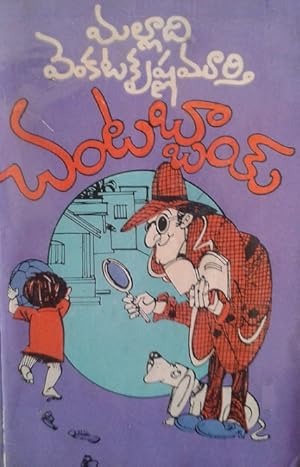
Chantabbai
Chantabbai
రచయిత
మల్లాది వెంకట కృష్ణమూర్తి
Malladi Venkata Krishna Murthy
కాలం
20వ శతాబ్దం చివర (1970ల తర్వాత)
Late 20th Century (Post-1970s)
వర్గం
హాస్య పరిశోధక నవల
Detective Comedy / Humorous Fiction
శైలి
చమత్కారభరితమైన, వాడుక భాషా శైలి
Witty, colloquial, and rhythmic Telugu prose
ఈ పుస్తకాన్ని చదివితే, ఒక అమాయకపు డిటెక్టివ్ చేసే విన్యాసాల ద్వారా వచ్చే స్వచ్ఛమైన నవ్వుని, మధ్యతరగతి జీవితాల్లోని చిన్న చిన్న ఆనందాలని మీరు అనుభవిస్తారు.


If you read this book, you will experience the delightful chaos of a bumbling detective’s heart, finding a rare kind of joy that turns the ordinary struggles of life into a series of laughter-filled reflections.


తనని తాను ఒక గొప్ప ఇన్వెస్టిగేటర్‌గా ఊహించుకునే పాండురంగారావు అనే డిటెక్టివ్ ప్రపంచంలోకి ఇది మిమ్మల్ని తీసుకెళ్తుంది. ఒక చిన్న ఆఫీసు, పెద్ద పెద్ద కలలు, అంతకు మించిన ఆత్మవిశ్వాసం.. ఇవే అతని ఆస్తులు. ఒక వారసుడిని వెతికే క్రమంలో అతను ఎదుర్కొనే వింత సంఘటనలు, చేసే పొరపాట్లు ఒక గమ్మత్తైన వినోదాన్ని పంచుతాయి. ఈ కథ కేవలం ఒక మిస్టరీ మాత్రమే కాదు, మనిషిలోని అమాయకత్వాన్ని అద్దం పట్టే ఒక అద్భుతం.


Step into the world of Pandu Ranga Rao, a self-styled private investigator who operates out of a tiny office, fueled more by his imagination than by actual clues. The air is thick with the scent of cheap tea and the frantic energy of a man trying to prove his worth in a world that doesn't take him seriously. As he takes on a case involving a missing heir, the lines between a serious mystery and a slapstick comedy blur, revealing a narrative that is as much about human vulnerability as it is about finding a 'Chantabbai'.

ఈ నవల 70, 80వ దశకాల్లోని తెలుగు సమాజంలోని పట్టణీకరణను, అప్పటి మధ్యతరగతి మనుషుల ఆలోచనా ధోరణిని ప్రతిబింబిస్తుంది.

The novel reflects the urbanizing Telugu society of the late 70s and 80s, where the influence of Western detective fiction met the grounded, often humorous realities of local Indian neighborhoods.

నేటి యాంత్రిక జీవనంలో, ఒత్తిడిలో ఉన్న మనకు ఈ పుస్తకం ఒక చల్లని చిరునవ్వును అందిస్తుంది. మనం ఎన్ని తప్పులు చేసినా, ఎంత తడబడినా జీవితం అందంగానే ఉంటుందని పాండురంగారావు పాత్ర మనకు గుర్తు చేస్తుంది. మల్లాది గారి కలం నుంచి జాలువారిన ఈ అద్భుత హాస్యం మనసుని తేలికపరుస్తుంది.

In an era of dark, gritty crime thrillers and digital cynicism, Chantabbai is a gentle sanctuary. It reminds us that humor is the most resilient tool for survival. It offers an antidote to modern burnout by celebrating the ‘small man’—the one who fails often but never stops trying, teaching us to look at our own imperfections with a smile.

మల్లాది గారి రచనల్లో ఒక ప్రత్యేకమైన జిగి ఉంటుంది. అది ఒక చల్లని సాయంత్రం వేళ అరుగు మీద కూర్చుని ముచ్చట్లు చెప్పుకున్నంత హాయిగా ఉంటుంది. చంటబ్బాయ్ మన లైబ్రరీలో ఉండటానికి కారణం, అది 80వ దశకపు తెలుగు వారి జీవనశైలిని, మధ్యతరగతి కష్టసుఖాలని నవ్వుల రూపంలో భద్రపరిచింది. పాండురంగారావు వేసే వేషాలు, పలికే డైలాగులు చదువుతుంటే మన పక్కింటి వ్యక్తి గురించి తెలుసుకుంటున్నట్లే ఉంటుంది. గంభీరమైన జీవితంలో కూడా హాస్యాన్ని ఎలా వెతుక్కోవాలో ఈ పుస్తకం మనకు నేర్పుతుంది.

There is a specific kind of magic in Malladi’s writing—it feels like sitting on a ‘tippa’ (raised platform) in a coastal town, listening to a storyteller who knows exactly when to drop a pun and when to pause for effect. Chantabbai is a pillar of our library because it captures the ‘Teluguness’ of the 80s—the middle-class aspirations, the quirky neighborly interactions, and the inherent innocence of that time. It doesn’t ask you to solve a grand riddle; it asks you to walk alongside a flawed hero and find the warmth in his stumbling steps. It is a reminder that even when we are lost, the journey can be full of light.

మల్లాది గారి అక్షరాల్లోని ప్రాసలు, పదప్రయోగాలు కథకి ఒక లయని ఎలా ఇస్తాయో గమనించండి.

The rhythmic quality of the dialogue, where Malladi uses alliteration and wordplay as a secondary character.

డిటెక్టివ్ అంటే గంభీరంగా ఉండాలనే మూస ధోరణిని ఈ నవల ఎలా ఛేదించిందో చూడండి.

The subversion of the 'Hero' trope—notice how Pandu Ranga Rao’s failures make him more relatable than his successes.

హాస్యం వెనుక దాగి ఉన్న మానవీయ విలువలు మరియు సామాజిక అంశాలను పరిశీలించండి.

The subtle social commentary on middle-class survival tucked behind the layers of humor.

ఒత్తిడిలో ఉన్నవారు

The Stressed Professional
దైనందిన జీవితంలోని గందరగోళాన్ని నవ్వుతో జయించడానికి ఈ పుస్తకం ఒక గొప్ప ఔషధం.
To remember how to laugh at the absurdity of day-to-day life and shed the weight of self-importance.

తెలుగు భాషా ప్రియులు

The Language Enthusiast
మల్లాది గారి విలక్షణమైన శైలి, పద చమత్కారాలను ఆస్వాదించడానికి.
To appreciate the dexterity of Telugu puns and the flow of Malladi's unique narrative voice.

పాత జ్ఞాపకాలను ఇష్టపడేవారు

The Nostalgia Seeker
టెలిగ్రామ్‌లు, పాత కాలపు వీధులు, ఆనాటి అమాయకత్వాన్ని మళ్ళీ అనుభూతి చెందడానికి.
To revisit an era of simple living, telegrams, and the innocent charm of old-school detective work.

జ్యోతి (మల్లాది వెంకట కృష్ణమూర్తి)
Jyothi by Malladi Venkata Krishna Murthy
డిటెక్టివ్ సుధాకర్ సిరీస్ (మధు బాబు)
Detective Sudhakar series by Madhu Babu
బారిస్టర్ పార్వతీశం (మొక్కపాటి నరసింహశాస్త్రి)
Barrister Parvateesam by Mokkapati Narasimha Sastry
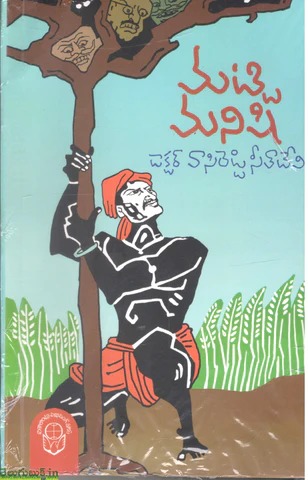
Matti Manishi
Matti Manishi
రచయిత
వాసిరెడ్డి సీతాదేవి
Vasireddy Sitadevi
కాలం
1960 - 70ల కాలం
1960s - 1970s
వర్గం
సాంఘిక వాస్తవికత / సామాజిక నవల
Social Realism / Literary Fiction
శైలి
మట్టి వాసన నిండిన, సహజమైన పల్లెటూరి శైలి
Grounded, evocative, and deeply rooted in rural dialect
ఈ పుస్తకాన్ని చదివితే, మట్టిలో కలిసిన రైతు పాదాల స్పర్శను, భూమికీ మనిషికీ మధ్య ఉన్న విడదీయరాని ఆత్మీయ అనుబంధాన్ని మీరు అనుభూతి చెందుతారు.

If you read this book, you will experience the raw, pulse-like rhythm of the earth beneath a farmer's feet and the heartbreaking shift of a soul torn between ancestral soil and the cold lure of the city.
వాన చినుకు కోసం ఎదురుచూసే కళ్లు, నాగలి చాలల్లో దాగివున్న ఆశలు.. ఇదీ ఒక పల్లెటూరి కథ. భూమినే నమ్ముకున్న ఒక కుటుంబం, మారుతున్న కాలంతో పాటు పట్నం వైపు మళ్ళుతున్న మనసుల మధ్య పడే సంఘర్షణను సీతాదేవి గారు కళ్లకు కట్టినట్లు చూపించారు. నాగలి పట్టిన చేతులు, ఆ చెమట చుక్కల వెనుక ఉన్న నిశ్శబ్ద పోరాటం మనల్ని కదిలిస్తుంది.

Imagine a village where the scent of rain hitting parched earth is the most sacred prayer. Here, life is measured not by clocks, but by the seasons of the crop. We follow a family whose identity is deeply furrowed into their ancestral land. As the winds of modernization and greed begin to blow from the nearby towns, the 'man of the soil' finds his roots being tugged by forces he barely understands. It is a story of sweat, quiet dignity, and the profound silence of the fields.

స్వాతంత్రం వచ్చిన తర్వాత ఆంధ్రప్రదేశ్ గ్రామీణ ప్రాంతాల్లో వచ్చిన సామాజిక మార్పులు, సాంప్రదాయ వ్యవసాయం నుండి ఆధునిక వాణిజ్య ధోరణుల వైపు మారుతున్న కాలం నాటి నేపథ్యం.

Set in post-independence rural Andhra Pradesh during a time when traditional farming was colliding with new commercial interests and the migration of the youth toward cities.

డిజిటల్ ప్రపంచంలో, కాంక్రీట్ అడవుల్లో బ్రతుకుతున్న మనకు, మన మూలాలు ఎక్కడున్నాయో ఈ పుస్తకం గుర్తు చేస్తుంది. తిండి పెట్టే నేలని మర్చిపోవడం అంటే మన అస్తిత్వాన్ని కోల్పోవడమే అని ఇది మృదువుగా హెచ్చరిస్తుంది.

In an era of digital clouds and concrete horizons, we are rapidly losing our ‘grounding.’ Matti Manishi serves as a vital anchor, reminding us of the physical reality of sustenance and the spiritual cost of abandoning our roots for a fleeting urban dream. It challenges our definition of progress.

మట్టి అంటే కేవలం మట్టి కాదు, అది ఒక ప్రాణం. వాసిరెడ్డి సీతాదేవి గారు ఈ నవలలో అక్షరాలను పేర్చలేదు, మట్టి వాసనను అద్దిపెట్టారు. ఒక రైతు తన పొలాన్ని చూసుకునేటప్పుడు ఉండే ఆ తృప్తిని, అది చేజారిపోతున్నప్పుడు ఉండే ఆ వేదనను మనం ఇందులో స్పష్టంగా చూడొచ్చు. ఈ రోజుల్లో మనం అభివృద్ధి అని దేన్నైతే పిలుస్తున్నామో, అది మనల్ని నేల నుండి ఎంత దూరం చేస్తుందో ఈ పుస్తకం ఆలోచింపజేస్తుంది. మన ఇంట్లో ఉండాల్సిన పుస్తకం ఇది, ఎందుకంటే ఇది మన మూలాల కథ. అభివృద్ధి పరుగులో మనం కోల్పోతున్న మనసత్వాన్ని ఇది మళ్ళీ వెలిగిస్తుంది.

There is a weight to the soil that we often forget in our air-conditioned lives. Vasireddy Sitadevi doesn’t just write about agriculture; she writes about the umbilical cord between a human and their land. When you read these pages, you can almost feel the fine dust on your skin and the ache in your back after a long day’s toil. It is a quiet meditation on what it means to truly belong somewhere. In our rush to move forward, we have become untethered. This book invites you to stand still, barefoot on the earth, and listen to the stories the land has been trying to tell us for generations. It is the heart of our heritage—resilient, humble, and eternal.

రైతుకీ తన పశువులకీ మధ్య ఉండే ఆ మూగ భాషను గమనించండి.

The silent, intuitive conversations between the farmer and his bullocks.

పల్లెటూరి వాతావరణం నుండి పట్టణ వాతావరణానికి మారుతున్న కొద్దీ పాత్రల మాటతీరులో వచ్చే మార్పులు.

How the vocabulary subtly shifts as characters move from the fields to the urban marketplace.

నేలని కేవలం ఆస్తిగా కాకుండా ఒక అమ్మలా భావించే సంస్కృతి.

The description of the land not as property, but as a living, breathing member of the family.

పట్టణాల్లో స్థిరపడిన వారు

The Disconnected City Dweller
తమ గ్రామీణ మూలాలను, నేల మీద ఉన్న మమకారాన్ని మళ్ళీ గుర్తు తెచ్చుకోవడానికి.
To remember the texture of the earth and the origin of the food on their table.

సామాజిక మార్పును గమనించే వారు

The Student of Social Change
ఆధునీకరణ వల్ల గ్రామీణ వ్యవస్థలో వచ్చిన మార్పులను లోతుగా అర్థం చేసుకోవడానికి.
To understand the emotional landscape of rural India's transition into the modern age.

నిజాయితీ గల సాహిత్యాన్ని ఇష్టపడే వారు

The Soulful Realist
జీవితాన్ని ఉన్నదున్నట్లుగా చూపే వాస్తవిక రచనల పట్ల ఆసక్తి ఉన్నవారి కోసం.
For those who appreciate literature that finds beauty in labor and dignity in the struggle.

చివరకు మిగిలేది (పి.వి. రాజమన్నార్)
Chivaraku Migiledi by P.V. Rajamannar
అల్పజీవి (రావిశాస్త్రి)
Alpajeevi by Raavi Sastry
మాలపల్లి (ఉన్నవ లక్ష్మీనారాయణ)
Maalapalli by Unnava Lakshminarayana
Cheliyakatta
Cheliyakatta
రచయిత
విశ్వనాథ సత్యనారాయణ
Vishwanatha Satyanarayana
కాలం
20వ శతాబ్దం మధ్య కాలం
Mid-20th Century
వర్గం
సామాజిక-తాత్విక నవల
Social-Philosophical Fiction
శైలి
గ్రాంథిక-వ్యావహారిక సమ్మేళనం (గంభీరమైన శైలి)
Classical-Modern Synthesis (Grand and Introspective)
మీరు ఈ పుస్తకాన్ని చదివితే, ఉప్పెనలా దూసుకొచ్చే వ్యక్తిగత కోరికలకు మరియు వాటిని అడ్డుకునే నైతిక ధర్మాలనే అచంచలమైన గోడలకు మధ్య జరిగే ఘర్షణను అనుభవిస్తారు.

If you read this book, you will experience the silent, powerful collision between the surging tides of modern desire and the ancient, unyielding stone walls of human ethics and tradition.

మారిపోతున్న భారతదేశంలో, మన పూర్వీకులు నిర్మించిన సంప్రదాయాల వెలుగులో ఒక కొత్త ప్రపంచాన్ని ఈ నవల మనకు పరిచయం చేస్తుంది. సముద్రం పొంగి ఊరిని ముంచెత్తకుండా అడ్డుకునే 'చెలియకట్ట' లాగే, మనిషిలోని స్వార్థం, అదుపులేని వాంఛలు సమాజాన్ని నాశనం చేయకుండా 'ధర్మం' ఎలా రక్షణగా నిలుస్తుందో ఇందులో చూడవచ్చు. పాత కాలపు విలువలకి, కొత్త కాలపు పోకడలకి మధ్య నలిగే పాత్రల జీవన చిత్రణ ఇది.

Step into a world where the air is thick with the scent of incense and the weight of history. Here, life is lived within the 'Cheliyakatta'—the shore wall that prevents the chaotic sea of human impulses from flooding the village of the soul. Through the eyes of characters grappling with their own identities in a changing India, we witness the friction between the old-world wisdom of our ancestors and the seductive, often reckless, pull of Western-style individualism.

స్వాతంత్ర్యానంతర కాలంలో భారతదేశం పాశ్చాత్య నాగరికత వైపు అడుగులు వేస్తున్న తరుణంలో, మన సనాతన ధర్మాన్ని ఎలా కాపాడుకోవాలో అనే ఆవేదన నుండి పుట్టిన నవల ఇది.

Written during a time when India was navigating the transition from colonial rule to independence, the book reflects the anxiety of a culture trying to preserve its Vedantic roots while being swept up in modern social reformations.

హద్దులు లేని స్వేచ్ఛే పరమార్థం అనుకునే నేటి డిజిటల్ యుగంలో, అసలైన స్వేచ్ఛ అంటే ఏమిటో ఈ పుస్తకం నేర్పుతుంది. గుర్తింపు సంక్షోభంలో ఉన్న ఆధునిక మానవుడికి, తన మూలాలను వెతుక్కునే ప్రయాణంలో ఈ నవల ఒక దిక్సూచిలా పనిచేస్తుంది. మన అస్తిత్వాన్ని కాపాడుకోవడానికి కొన్ని హద్దులు ఎందుకు అవసరమో ఇది వివరిస్తుంది.

In an age of ‘unfiltered’ lives and digital boundarylessness, this book acts as a grounding force. It challenges the modern notion that all progress is good and all boundaries are restrictive. For those feeling adrift in a world without anchors, Vishwanatha offers a perspective on why some walls are built not to imprison us, but to protect the very essence of who we are.

కృష్ణానది తీరాన కూర్చుని అలల సప్పుడు వింటున్నంత గంభీరంగా ఉంటుంది ఈ పుస్తక పఠనం. కవిసమ్రాట్ విశ్వనాథ సత్యనారాయణ గారు కేవలం ఒక కథను చెప్పలేదు, మన అంతరాత్మకు ఒక అద్దాన్ని పట్టారు. ‘చెలియకట్ట’ అంటే సముద్రపు ఒడ్డున ఉండే గట్టు. మనిషి ప్రవర్తనకు ఉండాల్సిన ‘మర్యాద’ లేదా హద్దుకు ఇది ప్రతీక. వేల ఏళ్ల తెలుగు సంస్కృతి, మారుతున్న కాలపు వేగంతో ఎలా తలపడుతుందో ఇందులో ప్రతి అక్షరం సాక్ష్యం చెబుతుంది. ధర్మానికి, వ్యక్తిగత ఇష్టాలకు మధ్య జరిగే ఈ పోరాటం ప్రతి పాఠకుడిని ఆలోచింపజేస్తుంది. జీవితంలో మనం దేన్ని వదులుకోవాలో, దేన్ని గట్టిగా పట్టుకోవాలో తెలియజేసే ఒక గొప్ప జీవన దర్శనం ఈ నవల.

Imagine sitting by the Krishna river at dusk. The water is restless, much like our own minds today. Vishwanatha Satyanarayana, the Kavi Samrat, didn’t just write a story here; he built a mirror for our conscience. ‘Cheliyakatta’ translates to a shore-embankment, and in this novel, it represents the ‘Maryada’ or the boundary of conduct. As you turn these pages, you will hear the echoes of a thousand years of Telugu thought clashing with the new winds of the 20th century. It is a demanding read, yes, but it rewards you with a profound understanding of why a river needs its banks to flow with purpose. It is a soul-searching journey for anyone who has ever asked: How much of my tradition should I keep, and how much of myself am I willing to lose?

సామాజిక మరియు వ్యక్తిగత ప్రవర్తనలో 'చెలియకట్ట' (హద్దు) ఎలా ప్రతిబింబిస్తుందో గమనించండి.

The metaphor of the 'shore wall' appearing in various forms of social and personal conduct.

పాత్రలు తమలో తాము చేసుకునే సుదీర్ఘమైన నైతిక చర్చలు మరియు మనో విశ్లేషణ.

The intricate psychological depth of the monologues where characters debate their own morality.

తెలుగు వారి కుటుంబ వ్యవస్థలోని గౌరవ మర్యాదలు మరియు మాటల్లోని గంభీరత.

The specific Telugu cultural nuances in familial hierarchies and the unspoken respect between generations.

లోతైన ఆలోచనాపరులు

The Deep Thinker
మానవ మనస్తత్వాలను, సామాజిక విలువల అంతరార్థాలను విశ్లేషించాలనుకునే వారి కోసం.
For those who enjoy peeling back layers of human psychology and societal structures.

సంస్కృతి ప్రేమికులు

The Heritage Seeker
తెలుగు వారి సామాజిక మూలాలు, నైతిక విలువలను అర్థం చేసుకోవాలనుకునే వారి కోసం.
If you want to understand the core values that defined the traditional Telugu social fabric.

ఆధునిక యువత

The Modern Rebel
స్వేచ్ఛకు మరియు బాధ్యతకు మధ్య ఉండే సన్నని రేఖను తెలుసుకోవాలనుకునే వారి కోసం.
To engage with a powerful counter-narrative to modern individualism and explore the beauty of restraint.

వేయి పడగలు (విశ్వనాథ సత్యనారాయణ)
Veyi Padagalu by Vishwanatha Satyanarayana
చివరకు మిగిలేది (బుచ్చిబాబు)
Chivaraku Migiledi by Buchi Babu
పండిత పరమేశ్వర శాస్త్రి వీలునామా (త్రిపురనేని గోపీచంద్)
Panditha Parameshwara Sastry Veelunama by Tripura

Gowthami Puthri

కావలసిన పదార్ధాలు
తయారి విధానం
[real3dflipbook id='1']