
Library
గ్రంధాలయం
Stories, poems, songs and memories – curated by our family for yours.
Choose a book by Mood, Age, or Instinct.
The Right Story will find You.

మా పుస్తకాల అర
Browse By Category
- Action Drama
- Adaptations
- Allegory
- Analytical
- Autobiography
- Character Study
- Children’s Literature
- Cinema Industry
- Classic
- Classic Fiction
- Classical Epic Poetry
- Coming-of-Age Fiction
- Compilation
- Cultural Epic
- Detective
- Detective
- Detective Comedy
- Detective Fiction
- Detective Mystery
- Detective Thriller
- Drama
- Elegant
- emotionally evocative
- Epic Fragment Poetry
- Epic Poetry
- Existential Fiction
- Existential Novel
- existentialism
- Family Drama
- Family Fiction
- Family Saga
- Fantasy
- Feminist Fiction
- Feminist Literature
- FICTION
- Historical Fiction
- Historical Fiction
- Homour
- Human Psychology
- Human Rights
- Humorous Fiction
- Humour
- identity-crisis
- introspective
- Jnanpith Award Winner
- Legal Drama
- Life Philosophy
- Literary Fiction
- literary-masterpiece
- Lucid
- Lyrical Poetry
- Mahakavya
- Memoirs
- Messenger Poetry
- Modern Classics
- Modernist Literature
- Modernist Poetry
- Mystery
- Mystery Thriller
- Novel
- Occult Thriller
- PERFORMANCE LITERATURE
- philosophical
- Philosophical Fiction
- Philosophical Novel
- Play
- POETRY
- Political Allegory
- Political Anthology
- Political Drama
- Political Novel
- Prabandha (Epic Poetry)
- Progressive Literature
- Psychological Drama
- Psychological Fiction
- Psychological Fiction
- Psychological Fiction
- Psychological Horror
- Psychological Realism
- Psychological Thriller
- psychological-classic
- Realistic Novel
- Reflective Essays
- Reflective Fiction
- Regional Literature
- Revolutionary Fiction
- Revolutionary Poetry
- ROMANCE
- Romantic Drama
- Romantic Fiction
- Romanticism
- Sandesa Kavya
- Satire
- Science Fiction
- Short Stories
- Social Commentary
- Social Drama
- Social Fiction
- Social Mystery
- Social Play
- Social Realism
- Social Realist Novel
- Social Realistic Drama
- Social Realistic Epic
- Social Realistic Fiction
- Social Reform
- Social Romance
- Social Romantic Drama
- Social Satire
- Social Thriller
- Social-Philosophical Fiction
- Socialist Realism
- soulful
- Spy Fiction
- Spy Thriller
- Stage Play
- Supernatural Thriller
- Suspense
- Suspense Thriller
- Telugu Literature Gold
- telugu-literary-giant
- THRILLER
- Tragedy
- Travelogue
- Urban Fiction
- Visakhapatnam
- అతీంద్రియ థ్రిల్లర్
- అస్తిత్వవాద నవల
- ఆత్మకథ
- ఆధునిక కవిత్వం
- ఆధునిక క్లాసిక్స్
- కథా సంకలనం
- కథానికలు
- కల్పిత కావ్యం
- కవిత్వం
- కుటుంబ గాథ
- క్లాసిక్ ఫిక్షన్
- ఖండకావ్యం
- గేయ కావ్యం
- చారిత్రక నవల
- జానపద శైలి కవిత్వం
- జీవన తత్వం
- జీవన ప్రయాణం
- జ్ఞాపకాలు
- డిటెక్టివ్ నవల
- డిటెక్టివ్ ఫిక్షన్
- తాత్విక నవల
- తాత్వికత
- థ్రిల్లర్
- న్యాయపరమైన నాటకం
- ప్రణయ కావ్యం
- ప్రబంధం
- ప్రబంధ కావ్యం
- ప్రేమకథ
- ఫాంటసీ
- భావకవిత్వం
- భావుకత
- మనస్తత్వ విశ్లేషణాత్మక
- మనోవైజ్ఞానిక నవల
- మనోవైజ్ఞానిక నాటకం
- మనోవైజ్ఞానిక సామాజిక నవల
- మహాకావ్యం
- మిస్టరీ
- మిస్టరీ థ్రిల్లర్
- మేధోపరమైన శృంగార
- యాత్రా చరిత్ర
- రహస్య పరిశోధన
- రాజకీయ నవల
- రాజకీయాంశాలు
- విమర్శనాత్మక విశ్లేషణ
- సందేశ కావ్యం
- సంప్రదాయ మహాకావ్యం
- సస్పెన్స్
- సాంఘిక ఇతిహాస నవల
- సాంఘిక నవల
- సాంఘిక వాస్తవికత
- సాంఘిక వ్యంగ్యం
- సాంఘిక సంస్కరణ
- సామాజిక థ్రిల్లర్
- సామాజిక నవల
- సామాజిక వాస్తవిక
- సామాజిక వాస్తవికత
- సామాజిక వ్యంగ్యం
- సామాజిక సస్పెన్స్
- సామాజిక స్పృహ
- సామాజిక-తాత్విక
- సాహిత్య కల్పన
- సైకలాజికల్ థ్రిల్లర్
- సైకలాజికల్ హారర్
- స్త్రీవాద నవల
- స్త్రీవాద సాహిత్యం
- స్పై థ్రిల్లర్
- హాస్యం
- హాస్య నవల
- హాస్య పరిశోధక
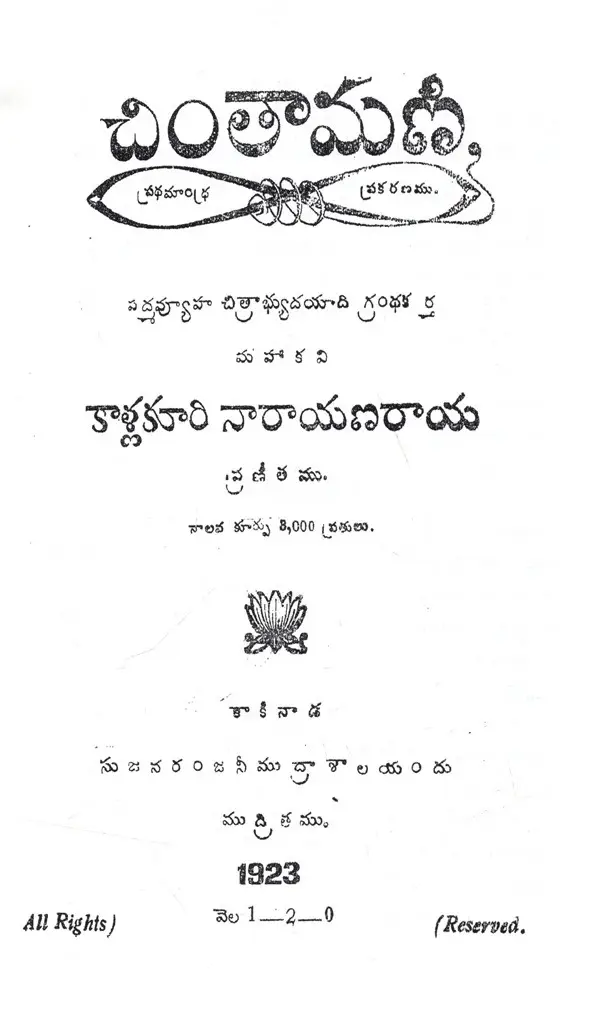
నిరంతర వేగంతో, బాహ్య ఆకర్షణలతో నిండిన నేటి డిజిటల్ యుగంలో, మన అసలైన అస్తిత్వాన్ని వెతుక్కోవడం ముఖ్యం. భ్రమలను వదిలి, ఆత్మగౌరవంతో కూడిన ప్రశాంత జీవితాన్ని ఎలా వెతుక్కోవాలో ఈ నాటకం మనకు గుర్తు చేస్తుంది.
In an era of fleeting digital connections and the constant pursuit of external validation, this classic reminds us of the ‘internal anchor.’ It addresses the burnout of chasing shadows and the timeless struggle to find meaning beyond material cravings, offering a path toward self-reclamation in a fragmented world.
ఈ నాటకపు పుటల్లో ఒక తెలియని బరువు ఉంది, గుడిలో గంటలు ఆగిన తర్వాత వచ్చే నిశ్శబ్దం లాంటి బరువు. మనిషి తాను నిర్మించుకున్న అబద్ధాల కోటలు కూలిపోయినప్పుడు కలిగే ఆవేదన ఇందులో స్పష్టంగా కనిపిస్తుంది. బిల్వమంగళుడు, చింతామణిల సంభాషణలు కేవలం మాటలు కావు, అవి అహంకారాన్ని తుడిచివేసే ఆయుధాలు. ఎంతటి చీకటిలో ఉన్నా, ఒకే ఒక్క సత్యం మనల్ని వెలుగులోకి తీసుకురాగలదని ఈ గ్రంథం మనకు బోధిస్తుంది. బురదలో ఉన్నా తామరపువ్వు వికసించగలదని చెప్పే ఈ కథ మన ఇంటి గ్రంథాలయంలో ఉండాల్సిన నిధి.
There is a peculiar weight to these pages, like the silence that settles over a temple after the bells have stopped ringing. This play has survived decades because it captures the moment a person finally sees through the illusions they have built. When you read the dialogue between Bilvamangala and Chintamani, you aren’t just reading a script; you are witnessing the dismantling of the ego. It deserves a place in our library because it reminds us that no matter how far one drifts into the darkness of obsession, the shore of grace is always one realization away. It is the story of how a lotus can bloom even in the mud of deep despair.
ఆధ్యాత్మిక అన్వేషకులు
The Soul Seeker
సాహిత్య ప్రియులు
The Language Lover
జీవన తత్వవేత్తలు
The Moral Philosopher
నేటి కాలంలో కూడా మనం మనుషుల విలువను వారి సంపాదనతోనో, హోదాతోనో కొలుస్తున్నాం. ఈ పుస్తకం మనలోని నైతిక విలువలను మేల్కొల్పి, మనిషికి మనిషే విలువైన వస్తువని గుర్తుచేస్తుంది.
In an era of digital curated lives and net-worth obsession, this story calls us back to the intrinsic value of a human heart. It speaks to anyone feeling the pressure to conform to societal checklists, reminding us that the courage to stand by one’s truth is more valuable than any inheritance or social validation.
ఈ నాటకంలోని అక్షరాలు కేవలం మాటలు కావు, అవి ఆ కాలపు సమాజంపై గురిపెట్టిన బాణాలు. కాళ్ళకూరి గారు కేవలం ఒక కథను చెప్పలేదు, తెలుగువారి గుండెల్లో గూడుకట్టుకున్న ఒక సామాజిక రుగ్మతను కళ్లకు కట్టారు. కాళింది పాత్ర ద్వారా ఆయన చూపిన ధైర్యం, నేటి తరం యువతకు ఒక దిశానిర్దేశం. ఈ పుస్తకం మన లైబ్రరీలో ఉండటానికి కారణం, ఇది మన సంప్రదాయాల్లోని లోపాలను ప్రశ్నిస్తూనే, మానవత్వాన్ని కాపాడుకోవాలని నిశ్శబ్దంగా హెచ్చరిస్తుంది.
Walk softly through these pages; you are entering a space where silence speaks louder than words. Kallakuri Narayana Rao did not just write a play; he etched a mirror for the Telugu soul to see its own shadows. Listen to the pauses in the dialogue—the moments where a father’s love is strangled by his pride, and where Kalindi’s resolve begins to harden like a diamond. This book lives in our library because it captures the exact moment a tradition becomes a cage, and the quiet, tragic power required to break the bars. It is a meditation on what happens when we value ‘what’ a person brings over ‘who’ a person is.
సత్యశోధకులు
The Truth-Seeker
ఆత్మాభిమానం గలవారు
The Compassionate Heart
సాహితీ ప్రియులు
The Historian of Emotions
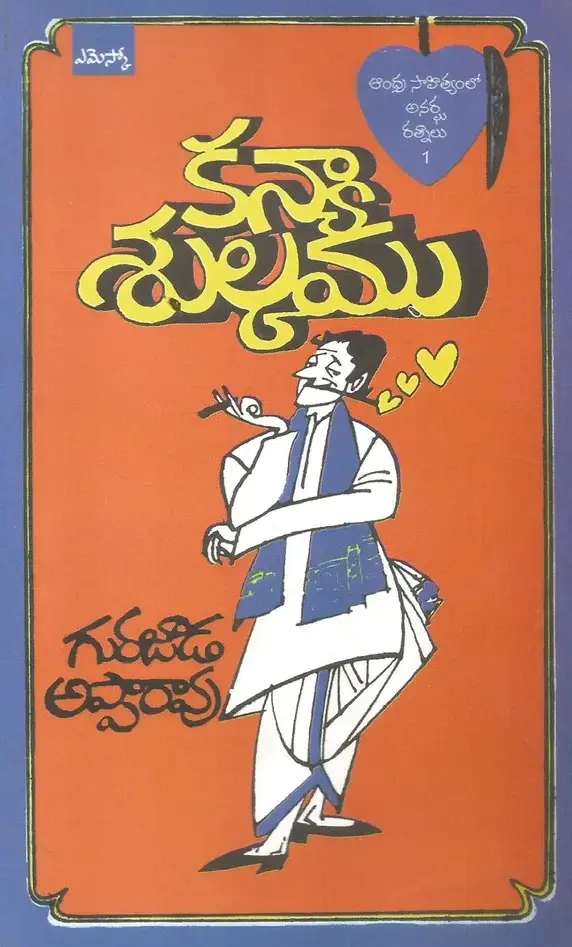
డిజిటల్ మాయాజాలంలో ముఖానికి రంగులు వేసుకుని బతుకుతున్న నేటి కాలంలో, గిరీశం పాత్ర మనలో ఉండే కపటత్వాన్ని గుర్తు చేసే ఒక నిత్య సత్యం. సంప్రదాయం పేరుతో జరిగే అన్యాయాలను ప్రశ్నించే ధైర్యం, ఆత్మగౌరవం మనకు ఈనాటికీ అవసరమే అని ఈ కావ్యం చాటిచెబుతుంది.
In an era of curated digital personas and performative activism, Gireesham’s character serves as a timeless mirror to our own hypocrisy. As we navigate the tension between tradition and individual freedom, this classic reminds us that progress is not found in grand speeches, but in the courage to protect the vulnerable and speak the truth in the language of the heart.
కొన్ని పుస్తకాలు కేవలం అక్షరాల ప్రోగులు కావు, అవి మన సంస్కృతి శ్వాసలు. మన తెలుగు భాష అలంకారాల సంకెళ్లను తెంచుకుని, సామాన్యుడి గుండె చప్పుడైన వేళ పుట్టిన అద్భుతం ఈ కన్యాశుల్కం. ఈ పేజీలు తిరగేస్తుంటే, ఒక సమాజం నిద్ర మేల్కొంటున్న శబ్దం వినిపిస్తుంది. గురజాడ గారు పండితుల భాషలో కాకుండా, మనం ఇళ్లలో, బజార్లలో మాట్లాడుకునే భాషలో ప్రాణం పోశారు. ఈ పుస్తకం మన తెలుగు ఇళ్లలో ఉండాలి ఎందుకంటే, సమాజాన్ని మార్చాలంటే ముందుగా మనం మాట్లాడే భాషలో నిజాయితీ ఉండాలని ఇది చెబుతుంది. మధురవాణి పాత్రలోని ఆత్మగౌరవం, గిరీశం మాటల్లోని చమత్కారం మనల్ని ఆలోచింపజేస్తూనే నవ్విస్తాయి. ఇది మన తెలుగుతనం యొక్క పదును, మన సంస్కృతి యొక్క వివేకం.
There are some books that do not simply sit on a shelf; they breathe with the life of a thousand voices. Kanyasulkam is the moment our language stopped being a decorative ornament of the elite and started being a living, pulsing mirror of the people. When you turn these pages, you are hearing the heartbeat of a society waking from a long, troubled sleep. Gurazada did not use the high, stiff language of the courts; he used the language of the bazaar, the kitchen, and the moonlit veranda. He showed us that our everyday speech carries the weight of our struggles and the seeds of our liberation. This play lives in our library because it reminds us that to change the world, we must first learn to speak the truth in the language we dream in. It is a celebration of the Telugu spirit—sharp, witty, and ultimately, deeply compassionate.