
Library
గ్రంధాలయం
Stories, poems, songs and memories – curated by our family for yours.
Choose a book by Mood, Age, or Instinct.
The Right Story will find You.

మా పుస్తకాల అర
Browse By Category
- Action Drama
- Adaptations
- Allegory
- Analytical
- Autobiography
- Character Study
- Children’s Literature
- Cinema Industry
- Classic
- Classic Fiction
- Classical Epic Poetry
- Coming-of-Age Fiction
- Compilation
- Cultural Epic
- Detective
- Detective
- Detective Comedy
- Detective Fiction
- Detective Mystery
- Detective Thriller
- Drama
- Elegant
- emotionally evocative
- Epic Fragment Poetry
- Epic Poetry
- Existential Fiction
- Existential Novel
- existentialism
- Family Drama
- Family Fiction
- Family Saga
- Fantasy
- Feminist Fiction
- Feminist Literature
- FICTION
- Historical Fiction
- Historical Fiction
- Homour
- Human Psychology
- Human Rights
- Humorous Fiction
- Humour
- identity-crisis
- introspective
- Jnanpith Award Winner
- Legal Drama
- Life Philosophy
- Literary Fiction
- literary-masterpiece
- Lucid
- Lyrical Poetry
- Mahakavya
- Memoirs
- Messenger Poetry
- Modern Classics
- Modernist Literature
- Modernist Poetry
- Mystery
- Mystery Thriller
- Novel
- Occult Thriller
- PERFORMANCE LITERATURE
- philosophical
- Philosophical Fiction
- Philosophical Novel
- Play
- POETRY
- Political Allegory
- Political Anthology
- Political Drama
- Political Novel
- Prabandha (Epic Poetry)
- Progressive Literature
- Psychological Drama
- Psychological Fiction
- Psychological Fiction
- Psychological Fiction
- Psychological Horror
- Psychological Realism
- Psychological Thriller
- psychological-classic
- Realistic Novel
- Reflective Essays
- Reflective Fiction
- Regional Literature
- Revolutionary Fiction
- Revolutionary Poetry
- ROMANCE
- Romantic Drama
- Romantic Fiction
- Romanticism
- Sandesa Kavya
- Satire
- Science Fiction
- Short Stories
- Social Commentary
- Social Drama
- Social Fiction
- Social Mystery
- Social Play
- Social Realism
- Social Realist Novel
- Social Realistic Drama
- Social Realistic Epic
- Social Realistic Fiction
- Social Reform
- Social Romance
- Social Romantic Drama
- Social Satire
- Social Thriller
- Social-Philosophical Fiction
- Socialist Realism
- soulful
- Spy Fiction
- Spy Thriller
- Stage Play
- Supernatural Thriller
- Suspense
- Suspense Thriller
- Telugu Literature Gold
- telugu-literary-giant
- THRILLER
- Tragedy
- Travelogue
- Urban Fiction
- Visakhapatnam
- అతీంద్రియ థ్రిల్లర్
- అస్తిత్వవాద నవల
- ఆత్మకథ
- ఆధునిక కవిత్వం
- ఆధునిక క్లాసిక్స్
- కథా సంకలనం
- కథానికలు
- కల్పిత కావ్యం
- కవిత్వం
- కుటుంబ గాథ
- క్లాసిక్ ఫిక్షన్
- ఖండకావ్యం
- గేయ కావ్యం
- చారిత్రక నవల
- జానపద శైలి కవిత్వం
- జీవన తత్వం
- జీవన ప్రయాణం
- జ్ఞాపకాలు
- డిటెక్టివ్ నవల
- డిటెక్టివ్ ఫిక్షన్
- తాత్విక నవల
- తాత్వికత
- థ్రిల్లర్
- న్యాయపరమైన నాటకం
- ప్రణయ కావ్యం
- ప్రబంధం
- ప్రబంధ కావ్యం
- ప్రేమకథ
- ఫాంటసీ
- భావకవిత్వం
- భావుకత
- మనస్తత్వ విశ్లేషణాత్మక
- మనోవైజ్ఞానిక నవల
- మనోవైజ్ఞానిక నాటకం
- మనోవైజ్ఞానిక సామాజిక నవల
- మహాకావ్యం
- మిస్టరీ
- మిస్టరీ థ్రిల్లర్
- మేధోపరమైన శృంగార
- యాత్రా చరిత్ర
- రహస్య పరిశోధన
- రాజకీయ నవల
- రాజకీయాంశాలు
- విమర్శనాత్మక విశ్లేషణ
- సందేశ కావ్యం
- సంప్రదాయ మహాకావ్యం
- సస్పెన్స్
- సాంఘిక ఇతిహాస నవల
- సాంఘిక నవల
- సాంఘిక వాస్తవికత
- సాంఘిక వ్యంగ్యం
- సాంఘిక సంస్కరణ
- సామాజిక థ్రిల్లర్
- సామాజిక నవల
- సామాజిక వాస్తవిక
- సామాజిక వాస్తవికత
- సామాజిక వ్యంగ్యం
- సామాజిక సస్పెన్స్
- సామాజిక స్పృహ
- సామాజిక-తాత్విక
- సాహిత్య కల్పన
- సైకలాజికల్ థ్రిల్లర్
- సైకలాజికల్ హారర్
- స్త్రీవాద నవల
- స్త్రీవాద సాహిత్యం
- స్పై థ్రిల్లర్
- హాస్యం
- హాస్య నవల
- హాస్య పరిశోధక

డిజిటల్ ప్రపంచంలో మనం బాహ్య గుర్తింపు కోసం ఆరాటపడుతున్న నేటి కాలంలో, అసలైన అస్తిత్వం అంటే ఏమిటో ఈ కావ్యం గుర్తు చేస్తుంది. మనుషుల మధ్య గోడలు కట్టే సమాజంలో, మానవత్వం ఒక్కటే అసలైన వారధి అని జాషువా గారి కలం మనకు బోధిస్తుంది. మన మూలాలను, మన సామాజిక బాధ్యతను గుర్తు చేసుకోవడానికి ఈ కావ్యం ఒక దిక్సూచి.
In an era where ‘belonging’ is often measured by digital validation, Jashuva’s Gabillam reminds us of the raw, painful reality of being an outsider. It speaks to anyone who has ever felt invisible. It is a call to look beyond the surface and recognize the shared humanity that binds us, especially when modern life feels increasingly fragmented and transactional.
ఇది కేవలం పద్యాల కూర్పు కాదు, శతాబ్దాల అణచివేత నుండి ఉద్భవించిన ఒక నిట్టూర్పు. అక్షరాలకు పదును పెట్టి, గుండెలోని మంటను కావ్యంగా మార్చిన మహాకవి జాషువా సృజన ఇది. గుడి తలుపులు మూసుకున్నా, గుండె తలుపులు తెరిచి విశ్వమంతా తన గోడును వినిపించిన వైనం ఇందులో కనిపిస్తుంది. ఈ పుస్తకం మన ఇంట్లో ఉండటం అంటే, అణగారిన వర్గాల గొంతుకను గౌరవించుకోవడమే. చీకటిలో నివసించే గబ్బిలంలో కూడా పవిత్రతను చూడగలిగే హృదయం మనకు కావాలని ఈ కావ్యం గుర్తు చేస్తుంది. ఇది రాతి విగ్రహాలతో కాదు, కన్నీళ్లతోను, ఆశలతోను నిర్మించిన ఒక అక్షర దేవాలయం.
This is more than just poetry; it is a sigh that took the shape of verses. Jashuva didn’t just write words; he carved his lived reality into the Telugu language, reclaiming a space that was long denied to him. When you read Gabillam, you feel the cool night air and the heavy silence of a temple door that won’t open. But within that silence, there is a thunderous dignity. It teaches us that the most ‘unclean’ creature in society’s eyes can be the most sacred messenger of the heart. It sits in our library as a reminder that true greatness is found in the courage to speak one’s truth against the weight of centuries. It is the sound of a bell ringing in a temple built not of stone, but of tears and hope.
హృదయ సున్నితత్వం ఉన్నవారు
The Empath
పద్య ప్రియులు
The Poetry Connoisseur
సామాజిక చైతన్యం కోరుకునే వారు
The Social Reformer
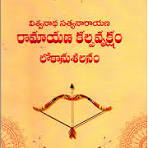
క్షణికమైన వేగంతో పరుగులు తీస్తున్న నేటి కాలంలో, ఈ పుస్తకం ఒక నిలకడైన లంగరు వంటిది. మన అస్థిత్వాన్ని మనం కోల్పోకుండా, మన మూలాలను వెతుక్కునే ప్రయాణంలో ఇది తోడ్పడుతుంది. ఆధునిక జీవితంలోని సంక్లిష్టతలకు, ధర్మ సంకటాలకు రాముడి జీవితం ద్వారా ఒక స్పష్టమైన దిశానిర్దేశం ఇక్కడ దొరుకుతుంది. ఇది కేవలం పద్యం కాదు, అది మన సంస్కృతికి ఒక నిలువుటద్దం.
In an era of fleeting digital distractions and a thinning sense of cultural identity, this work stands as a monumental anchor. It challenges us to reclaim our intellectual depth and reminds us that the struggles of Rama—balancing duty, love, and righteousness—are the very same struggles we face in our modern ethical dilemmas. It is a remedy for the soul seeking something eternal amidst the temporary.
ఈ గ్రంథం మన ఇంట్లో తరం నుండి తరానికి అందుతున్న ఒక వెలుగుతున్న దీపం లాంటిది. విశ్వనాథ వారు ఈ కావ్యాన్ని కేవలం రాయలేదు, ప్రతి పద్యంలో రాముడిని అనుభవించారు. ఈ పుస్తకాన్ని చేతిలోకి తీసుకుంటే కృష్ణా నది తరంగాల హోరు, శతాబ్దాల తెలుగు వారి ప్రార్థనలు మనకు వినిపిస్తాయి. రాముడి కిరీటం బరువును, సీతమ్మ సహనంలోని గాంభీర్యాన్ని ఆయన మనకు కళ్ళకు కట్టినట్లు చూపిస్తారు. దీని పేరు ‘కల్పవృక్షము’ అని ఎందుకు పెట్టారంటే, ఆశ్రయించిన వారికి కోరిన జ్ఞానాన్ని ఇది ప్రసాదిస్తుంది కాబట్టి. సాహిత్య సౌందర్యం కావాలన్నా, వేదాంత లోతులు కావాలన్నా, తెలుగు వారి అస్తిత్వం కావాలన్నా ఈ వృక్షం కింద చేరాల్సిందే. మన గ్రంథాలయంలో ఈ పుస్తకం ఉండటం అంటే, మన ఇంటి సంప్రదాయం సజీవంగా ఉన్నట్లే.
This book is like a sacred heirloom lamp passed down through generations, glowing with a light that is both old and ever-new. Viswanatha Satyanarayana did not just write these verses; he lived them. To open this volume is to hear the echoes of the Krishna river and the silent prayers of a thousand years. He makes you feel the weight of Rama’s crown and the quiet dignity of Sita’s resilience. It is called the ‘Kalpavrukshamu’—the wish-fulfilling tree—because it offers exactly what the reader seeks: whether it be linguistic beauty, philosophical depth, or a path back to one’s own roots. Holding this book in our library is like keeping the heartbeat of our classical heritage alive within these walls.
సంస్కృతిని ఆరాధించేవారు
The Cultural Seeker
ధర్మ జిజ్ఞాసువులు
The Meditative Soul
సాహిత్య ప్రియులు
The Language Lover
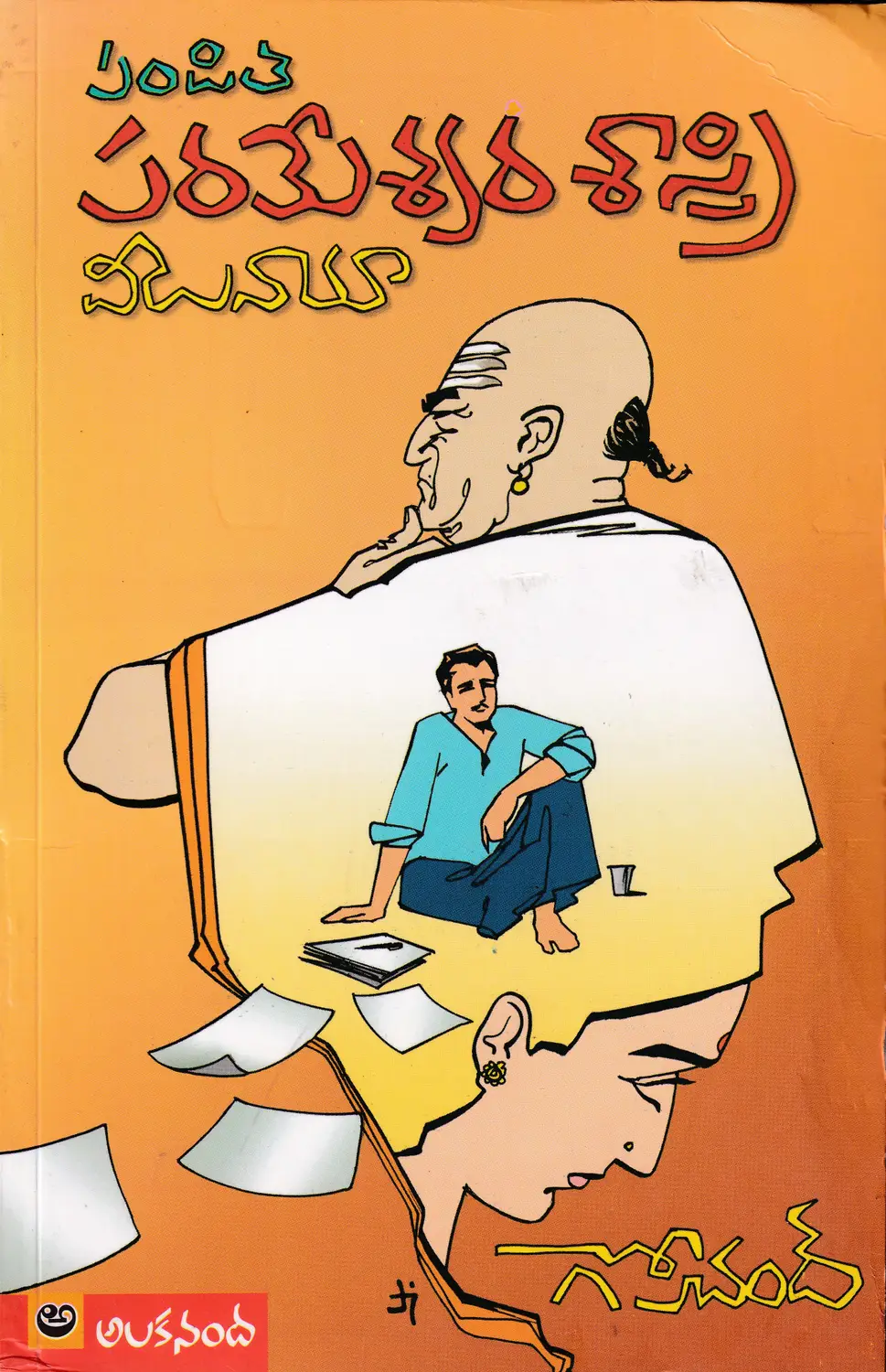
మనల్ని మనం ఇతరులకు ప్రదర్శించుకునే ఈ డిజిటల్ యుగంలో, ఒక మనిషి లోపల ఉండే అసలైన జీవితాన్ని ఈ పుస్తకం గుర్తు చేస్తుంది. వారసత్వం అంటే కేవలం సంపదో, పాండిత్యపు అహంకారమో కాదని, మన అస్తిత్వం వెనుక ఉన్న నిజాన్ని వెతకాలని ఇది బోధిస్తుంది. ఆధునిక ప్రపంచపు పరుగులో తమ మూలాలను వెతుక్కునే వారికి ఇది ఒక దిక్సూచి.
In an age of digital noise where we curate our lives for strangers, this book reminds us of the ‘unseen life.’ It challenges us to look beyond the surface of inheritance—be it wealth or intellectual pride—and find the authentic self. It is a grounding anchor for anyone feeling adrift in the modern disconnect between their public persona and private reality.
వినండి… ఈ బరువైన పుటల సవ్వడి విన్నారా? పురాణాలను అవపోసన పట్టిన ఒక మేధావి, తన మనసులోని సందిగ్ధాలను ఎలా ఎదుర్కొన్నాడో ఈ అక్షరాలు చెబుతాయి. పరమేశ్వర శాస్త్రి వదిలివెళ్ళింది కేవలం ఒక ఆస్తి పత్రం కాదు; మనుషుల మధ్య ఉండే క్లిష్టమైన బంధాల వలయాన్ని. క్షణికమైన హోదా కోసం పాకులాడే ఈ రోజుల్లో, నిశ్శబ్దంగా మనం నిర్మించుకునే వ్యక్తిత్వమే అసలైన వారసత్వం అని మనం మర్చిపోతుంటాం. ఈ పుస్తకం మన ఇంటి గ్రంథాలయంలో ఒక పాత ఇత్తడి దీపంలా కొలువై ఉంటుంది—అది ఆర్భాటం చేయదు, కానీ మనం పట్టించుకోని మన ఆలోచనల్లోని చీకటి కోణాలను వెలిగిస్తుంది. పుస్తకాలు మూసివేసి, దీపం ఆరిపోయిన తర్వాత నీలో మిగిలేది ఏమిటి? అని ఇది మనల్ని ప్రశ్నిస్తుంది.
Listen closely… can you hear the rustle of these heavy pages? They carry the weight of a man who mastered the ancient scriptures but had to navigate the modern heart. Panditha Parameshwara Sastry didn’t just leave behind a document of division; he left a labyrinth of human relationships. In our current rush for instant status, we often forget that our true inheritance is the character we build in the quiet hours. This book sits in our home library like an old brass lamp—it doesn’t shout for attention, but it illuminates the dark corners of our thoughts that we’ve been too busy to notice. It asks us: what remains of you when the books are closed and the lamp is dimmed?
సత్యాన్వేషకులు
The Intellectual Seeker
వారసత్వ ప్రేమికులు
The Legacy-Builder
నిశిత పరిశీలకులు
The Quiet Observer
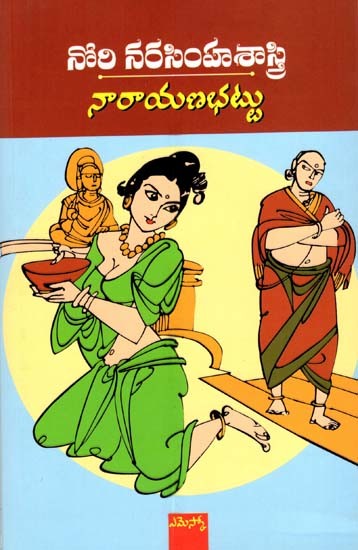
నేటి స్వార్థపూరిత ప్రపంచంలో, గుర్తింపు కోరుకోని నిఖార్సైన స్నేహానికి ఈ పుస్తకం ఒక నిదర్శనం. మన మూలాలను వెతుక్కునే ప్రయాణంలో, డిజిటల్ ప్రపంచపు హోరులో మన అస్తిత్వాన్ని కోల్పోతున్న వేళ, ఈ కథ మనకు మన సంస్కృతిపై ఒక గౌరవాన్ని, స్థిరత్వాన్ని ఇస్తుంది.
In a modern world obsessed with individual credit and digital noise, this book is a sanctuary of ‘Sakhya’—a friendship so deep it seeks no recognition. It speaks to our search for identity and meaning, reminding us that every great cultural achievement is built on the silent labor of those who loved the cause more than themselves.
తాళపత్రం మీద గంటం రాస్తున్నప్పుడు వచ్చే ఆ సన్నని చప్పుడు వింటున్నారా? అది వెయ్యేళ్ల నాటి మన తెలుగు జాతి గుండె చప్పుడు. ఈ పుస్తకంలో చరిత్ర కేవలం అక్షరాల రూపంలో ఉండదు, అది ఒక నిత్యం వెలుగుతూ ఉండే దీపంలా మనల్ని వెన్నంటి ఉంటుంది. నన్నయ్య గారు ఆదికవిగా వెలుగొందడానికి కారణమైన ఆ స్నేహ దీపం పేరు నారాయణ భట్టు. ఈ కథ కేవలం గతాన్ని చెప్పదు, మన భాషకు ఒక గౌరవాన్ని ఇస్తుంది. ఒక గొప్ప కార్యం కోసం తనను తాను తగ్గించుకోవడంలో ఉండే తృప్తిని మనకు పరిచయం చేస్తుంది. గోదావరి అలల గలగలల్లో, వేద మంత్రాల ధ్వనిలో, అక్షర సాగులో నారాయణ భట్టు త్యాగం ఎంత గొప్పదో ఈ పుస్తకం చదివితేనే అర్థమవుతుంది.
Can you hear the scratch of the iron stylus against the dried palm leaf? It is a sound that echoes through a thousand years of our history. In these pages, the past isn’t a museum; it’s a living, breathing house. There is a specific kind of warmth here—the warmth of a lamp fueled by the oil of ancient wisdom. We often celebrate the poet, but we rarely look at the friend who held the lamp. Narayana Bhattu is that lamp. This book doesn’t just tell a story; it restores a lost sense of dignity to our language. It asks us to consider what we are willing to sacrifice for a dream that will only bear fruit long after we are gone. It is a meditation on the sacredness of the Telugu word and the heavy responsibility of those who carry it.