Library

గ్రంధాలయం

Stories, poems, songs and memories – curated by our family for yours.

Choose a book by Mood, Age, or Instinct.
The Right Story will find You.

మా పుస్తకాల అర

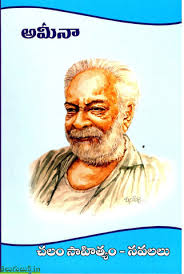
Ameena
Ameena
రచయిత
చలం (గుడిపాటి వెంకట చలం)
Chalam (Gudipati Venkata Chalam)
కాలం
20వ శతాబ్దం ఆరంభం (1920-1930 ప్రాంతం)
Early 20th Century (1920s-1930s)
వర్గం
సాంఘిక నవల / స్త్రీవాద సాహిత్యం
Social Realism / Feminist Fiction
శైలి
సూటిగా, గుండెలకు హత్తుకునేలా ఉండే విప్లవాత్మక వచనం
Provocative, direct, and deeply emotional
ఈ పుస్తకాన్ని చదివితే, సంప్రదాయాల గోడల మధ్య నలిగిపోతున్న ఒక స్త్రీ ఆత్మ తన స్వేచ్ఛ కోసం పడే తపనను, ఆమె అంతరంగాన్ని మీరు స్పర్శిస్తారు.
If you read this book, you will experience the raw, unvarnished pulse of a woman's soul seeking freedom against the stone-cold walls of tradition; it is a journey into the heart of autonomy.

అప్పట్లో ఇంటి గడప దాటడమే ఒక పెద్ద సాహసం. ఆ గడప లోపల ఉక్కిరిబిక్కిరి అవుతున్న ఒక స్త్రీ మనసులోని నిశ్శబ్ద విప్లవం ఈ కథ. చలం కలం నుండి జాలువారిన అక్షరాలు మల్లెపూల పరిమళంలా మెత్తగా ఉంటూనే, నిప్పుకణికల్లా ఆలోచింపజేస్తాయి. ఒక గది నాలుగు గోడల మధ్య సృష్టించబడిన ఒక విశాలమైన ప్రపంచం ఇది. ఇందులో ప్రతి నిట్టూర్పు ఒక నిరసన, ప్రతి కల ఒక సరికొత్త ప్రయాణం.

Imagine a time when the threshold of a house was the boundary of a woman's universe. 'Ame' opens a window into the inner life of a protagonist who dares to see herself not as a shadow of a man, but as a complete human being. Through Chalam's piercing prose, the fragrance of jasmine meets the sharp scent of rebellion, capturing the quiet storm brewing within a domestic cage. It is a world where every sigh is a protest and every dream is a step toward the unknown.

అప్పటి ఆంధ్రదేశంలో సామాజిక సంస్కరణలు ఊపందుకుంటున్న సమయం. స్త్రీల హక్కుల గురించి, వారి వ్యక్తిత్వం గురించి చలం చేసిన ఆలోచనలు అప్పట్లో ఒక సంచలనం మరియు తెలుగు సమాజంలో ఒక కొత్త చర్చకు దారితీశాయి.

Written during a period of intense social awakening in Andhra Pradesh, the book reflects the early 20th-century struggle against patriarchal constraints and the burgeoning movement for women's individual rights.

నేటి డిజిటల్ యుగంలో మన అసలైన అస్తిత్వాన్ని కోల్పోతున్న వేళ, చలం రాసిన ‘ఆమె’ మనల్ని మనకు పరిచయం చేస్తుంది. సమాజం కోసం కాకుండా, మన ఆత్మతృప్తి కోసం బ్రతకడం ఎంత ముఖ్యమో ఈ పుస్తకం గుర్తుచేస్తుంది. బాహ్య ప్రపంచపు ఒత్తిడిలో తమ గొంతును కోల్పోతున్న ఎవరికైనా ఈ పుస్తకం ఒక ధైర్యాన్నిస్తుంది.

In today’s world of curated identities and digital noise, Chalam’s ‘Ame’ remains startlingly relevant. It speaks to the modern struggle of finding one’s authentic voice amidst the pressure to conform. For those feeling the weight of societal expectations or the burnout of performing for others, this classic offers a timeless mirror to the courage required to simply be oneself.

చలం అక్షరాల్లో ఒక వింతైన సమ్మోహనం ఉంటుంది. ఆయన కేవలం కథ చెప్పడు, మనసు పొరలను విప్పి చూపిస్తాడు. ఈ ‘ఆమె’ ఒక పుస్తకం మాత్రమే కాదు, తెలుగు సాహిత్యంలో ఒక చైతన్య కిరణం. మన ఇంట్లోని ఈ లైబ్రరీలో ఈ పుస్తకం ఉండటం అంటే, ఒక సత్యాన్ని, ఒక ధైర్యాన్ని భద్రపరుచుకోవడమే. పాత కాగితాల వాసనతో పాటు, అణిచివేతను ఎదిరించే ఒక ఆత్మ గౌరవం ఇందులో మనకు వినిపిస్తుంది. చీకటిని చీల్చుకుంటూ వచ్చే వెలుతురులా ఈ పుస్తకం మనల్ని పలకరిస్తుంది.

There is a certain weight to the silence between Chalam’s sentences. He doesn’t just write; he unmasks. ‘Ame’ is not just a story about a woman; it is a mirror held up to a society that preferred its mirrors broken. To have this book in our library is to keep a flame alive—a flame that questions, that feels, and that refuses to be extinguished by convenience. It carries the scent of old ink and the warmth of a lamp lit against the darkness of ignorance. It reminds us that the most sacred space is not a temple, but the clarity of one’s own heart.

చాలా సాదాసీదా సంభాషణల వెనుక ఉన్న లోతైన మానసిక వేదనను గమనించండి.

The way Chalam uses simple, everyday dialogue to reveal deep psychological scars.

విశాలమైన ఆకాశానికి, ఇంటి నాలుగు గోడలకు మధ్య చలం చూపించిన వ్యత్యాసాన్ని పరిశీలించండి.

The recurring contrast between the vast, open sky and the suffocating boundaries of the inner courtyard.

పాత్రల ఆలోచనా విధానంలో వచ్చే మార్పులను, వారి ఆత్మవిశ్వాసం పెరిగే తీరును అనుభూతి చెందండి.

The subtle shift in the protagonist's internal monologue as she transitions from doubt to self-assertion.

అస్తిత్వం కోసం వెతికేవారు

The Seeker
స్వేచ్ఛ యొక్క విలువను, దాని కోసం చెల్లించాల్సిన మూల్యాన్ని అర్థం చేసుకోవడానికి.
For those trying to understand the historical roots of independence and the personal cost of freedom.

సాహితీ పిపాసులు

The Traditionalist
తెలుగు వచనంలో చలం సృష్టించిన కొత్త ఒరవడిని ఆస్వాదించడానికి.
To view the complexities of domestic life through a lens of profound empathy for the marginalized.

ఆధునిక ఆలోచనాపరులు

The Modern Individual
వ్యక్తిగత విలువల పట్ల స్పష్టత కోసం, కాలాతీతమైన ఈ రచనను చదవాలి.
To find a literary ancestor who championed self-worth long before it became a modern buzzword.

చలం రాసిన 'మైదానం'
Maidanam by Chalam
వోల్గా రాసిన 'స్వేచ్ఛ'
Svecha by Volga
బుచ్చిబాబు రాసిన 'చివరకు మిగిలేది'
Chivaraku Migiledi by Buchibabu
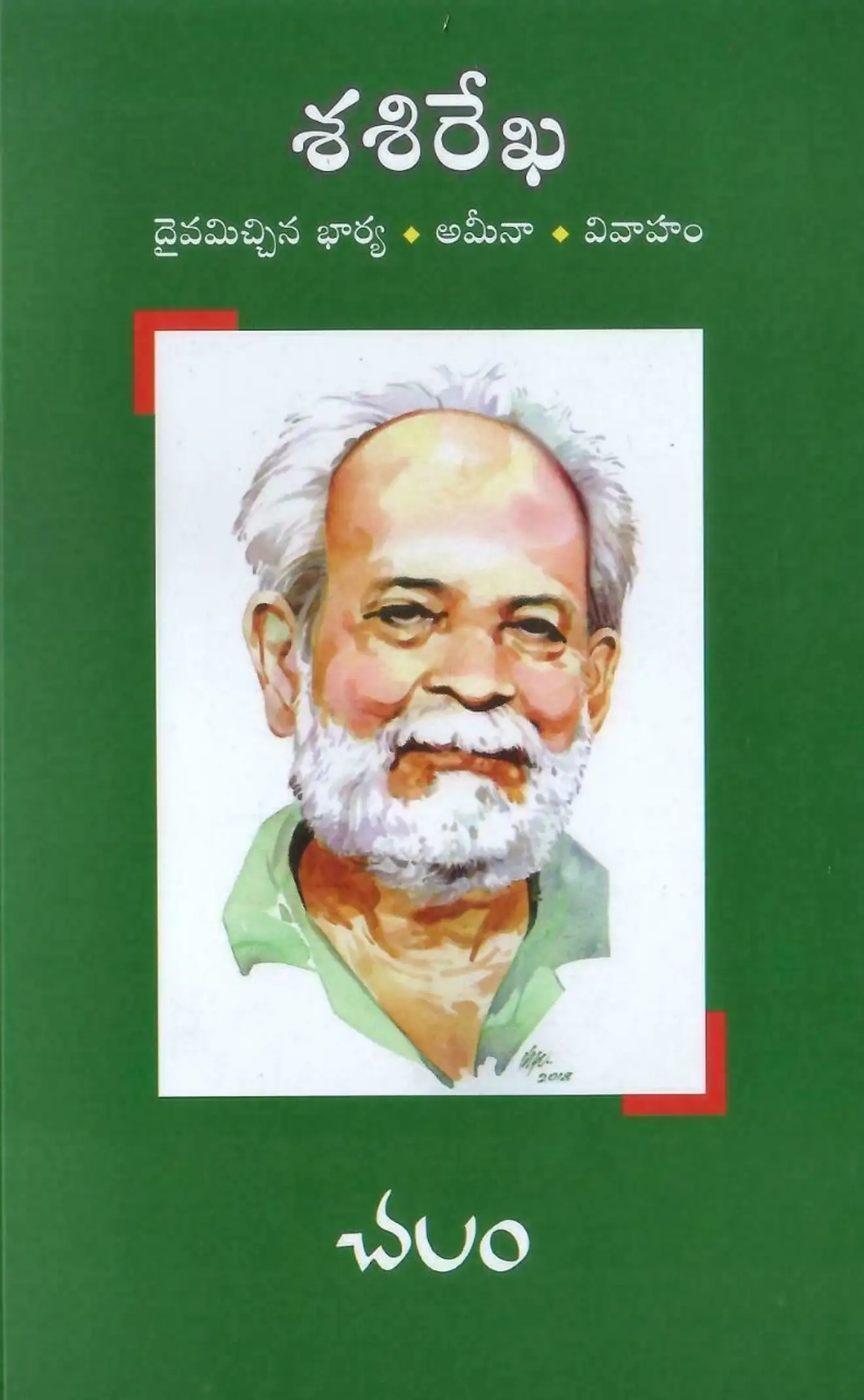
Sasirekha
Sasirekha
రచయిత
గుడిపాటి వెంకట చలం
Gudipati Venkata Chalam
కాలం
1930వ దశకం / 20వ శతాబ్దపు ప్రారంభం
1930s / Early 20th Century
వర్గం
సామాజిక వాస్తవికత / తాత్విక నవల
Social Realism / Philosophical Fiction
శైలి
సూటిగా, నిశితంగా, భావోద్వేగపూరితంగా ఉండే ఆధునిక తెలుగు
Direct, Provocative, and Emotionally Raw Modern Telugu
ఈ పుస్తకం చదివితే, సమాజం నిర్మించిన భ్రమలు పటాపంచలవ్వడాన్ని, సంప్రదాయాల ముసుగులో దాగున్న కపటత్వాన్ని మరియు తనదైన వెలుగు కోసం తపించే ఒక ఆత్మ ఆవేదనను మీరు అనుభవిస్తారు.

If you read this book, you will experience the shattering of societal illusions, the uncomfortable weight of hypocrisy, and the fierce, flickering flame of an individual soul seeking its own light amidst the shadows of tradition.

అగ్రహారాల నిశ్శబ్దంలో, ధూపదీపాల వెనుక దాగున్న అణిచివేతను ఈ నవల మన కళ్ళకు కడుతుంది. ఆచారాల పేరిట స్త్రీల వ్యక్తిత్వాన్ని ఎలా బలి ఇచ్చారో చలం ఇక్కడ నిశితంగా చర్చించారు. ఇది కేవలం ఒక కథ కాదు; పవిత్రతకు, క్రూరత్వానికి మధ్య ఉన్న సన్నని గీతను విశ్లేషించే ఒక సామాజిక శస్త్రచికిత్స. పాత్రల మనోభావాల ద్వారా ఒక తరాన్ని శాసించిన కట్టుబాట్ల అసలు స్వరూపాన్ని మనం చూడవచ్చు.

In the quiet, incense-heavy atmosphere of a traditional household, the walls hold secrets that no ritual can cleanse. 'Brahmaneekam' pulls back the curtain on the lives of those trapped within the rigid structures of early 20th-century orthodoxy. It isn't just a story; it is a dissection of the human condition, specifically the plight of women whose desires and identities were often sacrificed at the altar of 'social purity'. Through the protagonist's eyes, we see a world where the boundary between holiness and cruelty is paper-thin.

భారతదేశంలో సామాజిక సంస్కరణలు వెల్లువెత్తుతున్న సమయంలో రాసిన ఈ నవల, ప్రాచీన జీవన విధానానికి మరియు ఆధునిక ఆలోచనా దృక్పథానికి మధ్య జరిగిన సంఘర్షణను ప్రతిబింబిస్తుంది.

Written during a time of intense social reform in India, the book captures the friction between ancient Vedic lifestyles and the rising tide of individualistic thought. It reflects the early feminist stirrings in Telugu literature, challenging the patriarchal core of the 'Agrahara' life.

నేటి కృత్రిమ జీవనశైలిలో, ముసుగులు లేని నిజాన్ని చూడాలనుకునే వారికి ఈ పుస్తకం ఒక దిక్సూచి. మన మూలాలను, మనం గుడ్డిగా అనుసరించే నమ్మకాలను ప్రశ్నించే ధైర్యాన్ని ఇది ఇస్తుంది. వ్యక్తిగత స్వేచ్ఛకు, నిజాయితీకి ఉన్న విలువను గుర్తుచేస్తుంది.

In today’s world of digital masks and curated identities, Chalam’s ‘Brahmaneekam’ acts as a mirror that refuses to lie. It speaks to our modern struggle for authenticity and the courage it takes to question inherited beliefs. For anyone feeling the burnout of performative living, this book reminds us that true freedom begins with the honesty to see our cages for what they are.

తరతరాలుగా మూసి ఉన్న ఒక పాత ఇంటి తలుపులు తెరుచుకుంటున్న చప్పుడును ఊహించుకోండి. చలం మాటలు మిమ్మల్ని ఊరడించవు, అవి మిమ్మల్ని మేల్కొలుపుతాయి. చీకటి గదిలోకి తెచ్చిన దీపం లాంటిది ఈ రచన—ఆ వెలుతురు మొదట కళ్ళకు కష్టంగా అనిపించినా, బయటపడే మార్గం అదే చూపిస్తుంది. అర్ధరాత్రి వేళ మీతో మీరు మాట్లాడుకునే ఏకాంతంలో చదవాల్సిన పుస్తకం ఇది.

Imagine the sound of a heavy wooden door creaking open in a house that has been locked for generations. There is no background music, only the rhythmic sound of a spinning wheel and the distant chant of prayers. Chalam’s voice doesn’t soothe; it awakens. It is like a lamp brought into a dark cellar—the light might sting your eyes at first, but it is the only way to see the path out. This book is for the quiet moments after midnight when you are ready to face the truths you usually hide even from yourself.

పాత్రల మధ్య ఉండే మౌనాన్ని గమనించండి—మాటల కంటే ఆ నిశ్శబ్దమే ఎక్కువ అర్థాన్ని ఇస్తుంది.

Notice the way Chalam uses silence—the things left unsaid between characters often carry more weight than the dialogue.

పవిత్రత, అపవిత్రత అనే పదాలకు చలం ఇచ్చిన కొత్త నిర్వచనాలను పరిశీలించండి.

Pay attention to the recurring motifs of 'purity' and 'impurity' and how the author flips their conventional meanings.

కథానాయిక తనను తాను తెలుసుకునే క్రమంలో ఆమెలో కలిగే మానసిక పరిణామాలను గమనించండి.

Observe the psychological shifts in the protagonist as she moves from quiet compliance to internal rebellion.

సత్య అన్వేషకులు

The Truth-Seeker
సమాజం విధించిన కట్టుబాట్ల వెనుక ఉన్న నిజాన్ని తెలుసుకోవాలనుకునే వారికి ఇది ఒక గొప్ప సాధనం.
If you find yourself questioning why things are the way they are, Chalam provides a blueprint for intellectual bravery.

మానవ స్వభావ విశ్లేషకులు

The Student of Human Nature
సామాజిక నిర్మాణాలు మనిషి మనస్తత్వాన్ని ఎలా ప్రభావితం చేస్తాయో తెలుసుకోవడానికి ఇది ఒక పాఠ్యపుస్తకం లాంటిది.
For those interested in how social structures shape or crush the human psyche, this is a masterclass in psychological realism.

అంతర్మథనం చెందే వారు

The Quiet Rebel
లోకరీతికి, మనసులోని భావాలకు మధ్య నలిగిపోయే వారికి ఈ పుస్తకం ఒక ఆత్మీయ నేస్తంలా అనిపిస్తుంది.
If you feel a disconnect between your inner self and your social role, this book will feel like a conversation with a long-lost friend.

మైదానం (చలం)
Maidanam by Chalam
చివరకు మిగిలేది (బుచ్చిబాబు)
Chivaraku Migiledi by Buchi Babu
అల్పజీవి (రావిశాస్త్రి)
Alpajeevi by Raavi Sastry
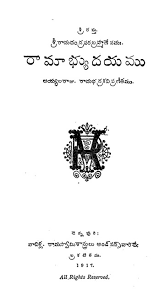
Ramabhyudayam
Ramabhyudayam
రచయిత
అయ్యలరాజు రామభద్రుడు
Ayyalaraju Ramabhadrudu
కాలం
16వ శతాబ్దం (విజయనగర సామ్రాజ్యం)
16th Century (Vijayanagara Empire)
వర్గం
ప్రబంధ కావ్యం
Prabandha (Epic Poetry)
శైలి
ప్రౌఢ గ్రాంథికం
Classical Grandhika Telugu
ఈ పుస్తకాన్ని చదివితే, మీరు రామకథను ఒక అద్భుతమైన శిల్పంలా దర్శిస్తారు; ప్రతి పద్యం ఒక మణిహారంలా మెరుస్తూ, తెలుగు భాషా సౌందర్యపు లోతుల్ని మీకు పరిచయం చేస్తుంది.

If you read this book, you will experience the familiar life of Rama through a prism of exquisite 16th-century craftsmanship, where every verse feels like a carved stone in a Hampi temple, breathing life into a timeless hero.

హంపి నగరపు సభాభవనాల్లో, కస్తూరి పరిమళాల మధ్య వికసించిన కావ్యం ఇది. వాల్మీకి రాసిన రామాయణాన్ని అక్షరాలా అక్కున చేర్చుకుంటూనే, తెలుగు ప్రబంధ రీతులతో రామభద్రుడు ఈ కావ్యాన్ని తీర్చిదిద్దారు. ఇది కేవలం కథ కాదు, రాముడి జననం నుండి పట్టాభిషేకం వరకు జరిగిన 'అభ్యుదయాన్ని' ఒక కావ్యాత్మక అనుభూతిగా మలిచిన అద్భుతం. లోతైన వర్ణనలు, నాటకీయత ఈ కావ్యానికి ప్రాణం.

Imagine a courtly hall filled with the fragrance of musk and the sound of the veena. Ramabhadrudu takes the skeletal structure of the Ramayana and drapes it in the finest silk of Telugu aesthetics. It is not just a retelling; it is a celebration of Rama’s journey from birth to his triumphant coronation, told with a focus on 'Abhyudaya'—the auspicious progress of a soul. The world here is one of high drama, lush nature, and a profound sense of moral order.

విజయనగర సామ్రాజ్య వైభవం శిఖరాగ్రాన ఉన్న కాలంలో, సాహిత్యం మరియు కళల పట్ల ప్రజలకు ఉన్న మక్కువను ఈ కావ్యం ప్రతిబింబిస్తుంది. ఇది తెలుగు మరియు సంస్కృత భాషల మేలుకలయిక.

Written under the patronage of the Vijayanagara kings, this work represents a time when Telugu literature reached its zenith of formal beauty and courtly sophistication, blending Vedic ideals with local cultural flavors.

నేటి యాంత్రిక జీవనంలో, మన మూలాలను వెతుక్కునే ప్రయాణంలో ఈ కావ్యం ఒక దిక్సూచి. అలంకారాల వెనుక ఉన్న భావ గాంభీర్యాన్ని అర్థం చేసుకోవడం వల్ల మనలో ఏకాగ్రత, భాషాభిమానం పెరుగుతాయి. మన గతాన్ని, మన సంస్కృతిని గౌరవించుకోవడానికి ఇదొక చక్కని అవకాశం.

In an age of fragmented digital narratives, Ramabhyudayam asks us to slow down and savor the texture of language. It reminds us that our stories are not just plots to be consumed, but legacies to be lived. This work offers a root into the sophisticated literary peak of the Vijayanagara era, helping us find our center amidst the noise of modern identity crises.

ఆ పద్యాల లయను గమనించండి. అవి కేవలం అక్షరాలు కావు, కొన్ని వందల ఏళ్ల నాటి తెలుగు సంస్కృతి యొక్క శ్వాస. రామభద్రుడి వర్ణనలలో రాముడు మనకు అత్యంత ఆత్మీయుడిగా కనిపిస్తాడు. ఈ పుస్తకం మన ఇంట్లో ఉండటం అంటే, మన సాహిత్య వైభవాన్ని గుండెల్లో దాచుకోవడమే. ఒక్కో పద్యాన్ని నిదానంగా చదువుతుంటే, మనసుకి ఒక రకమైన ప్రశాంతత, మన సంస్కృతి పట్ల గౌరవం కలుగుతాయి.

Let the sounds of these verses wash over you like a gentle stream. Notice how the poet uses ‘Alankaras’—not as mere decoration, but as a way to show that even in the greatest of sorrows, there is a rhythm and a grace. This book is a reminder that our culture did not just tell stories; it elevated them into a form of meditation. Listen to the resonance of the syllables; it is the heartbeat of a civilization that knew how to find beauty in duty.

పదప్రయోగాలలో ఉన్న నేర్పును, శబ్దాలంకారాల సొగసును గమనించండి.

The delicate use of double meanings (Slesha) that reveal spiritual layers beneath the story.

ప్రకృతిని వర్ణించేటప్పుడు కవి వాడిన ఉపమానాలు పాత్రల మనోస్థితిని ఎలా ప్రతిబింబిస్తున్నాయో చూడండి.

How descriptions of the seasons and forests mirror the internal emotions of Rama and Sita.

భక్తి మరియు వీర రసాల మధ్య కవి సాధించిన అద్భుతమైన సమన్వయాన్ని అనుభవించండి.

The architectural precision of the 'Prabandha' style, where every description follows a sacred geometry.

భాషాభిమానులు

The Language Lover
తెలుగు పదాల సొగసును, ప్రబంధ శైలిలోని గాంభీర్యాన్ని ఆస్వాదించడానికి.
To experience the absolute peak of Telugu poetic structure and vocabulary.

భక్తులు

The Spiritual Seeker
రామకథను ఒక కొత్త కోణంలో, అత్యంత సుందరంగా చదువుకోవడానికి.
To witness the life of Rama through a uniquely aesthetic and devotional lens.

విద్యార్థులు

The Heritage Hunter
క్లాసిక్ తెలుగు సాహిత్యం యొక్క లోతుపాతులను, పూర్వీకుల సృజనాత్మకతను తెలుసుకోవడానికి.
To understand the literary standards of the Golden Age of Telugu history.

ఆముక్తమాల్యద (శ్రీకృష్ణదేవరాయలు)
Amuktamalyada by Sri Krishnadevaraya
మనుచరిత్ర (అల్లసాని పెద్దన)
Manucharitra by Allasani Peddana
మొల్ల రామాయణం (అతుకూరి మొల్ల)
Molla Ramayanam by Atukuri Molla
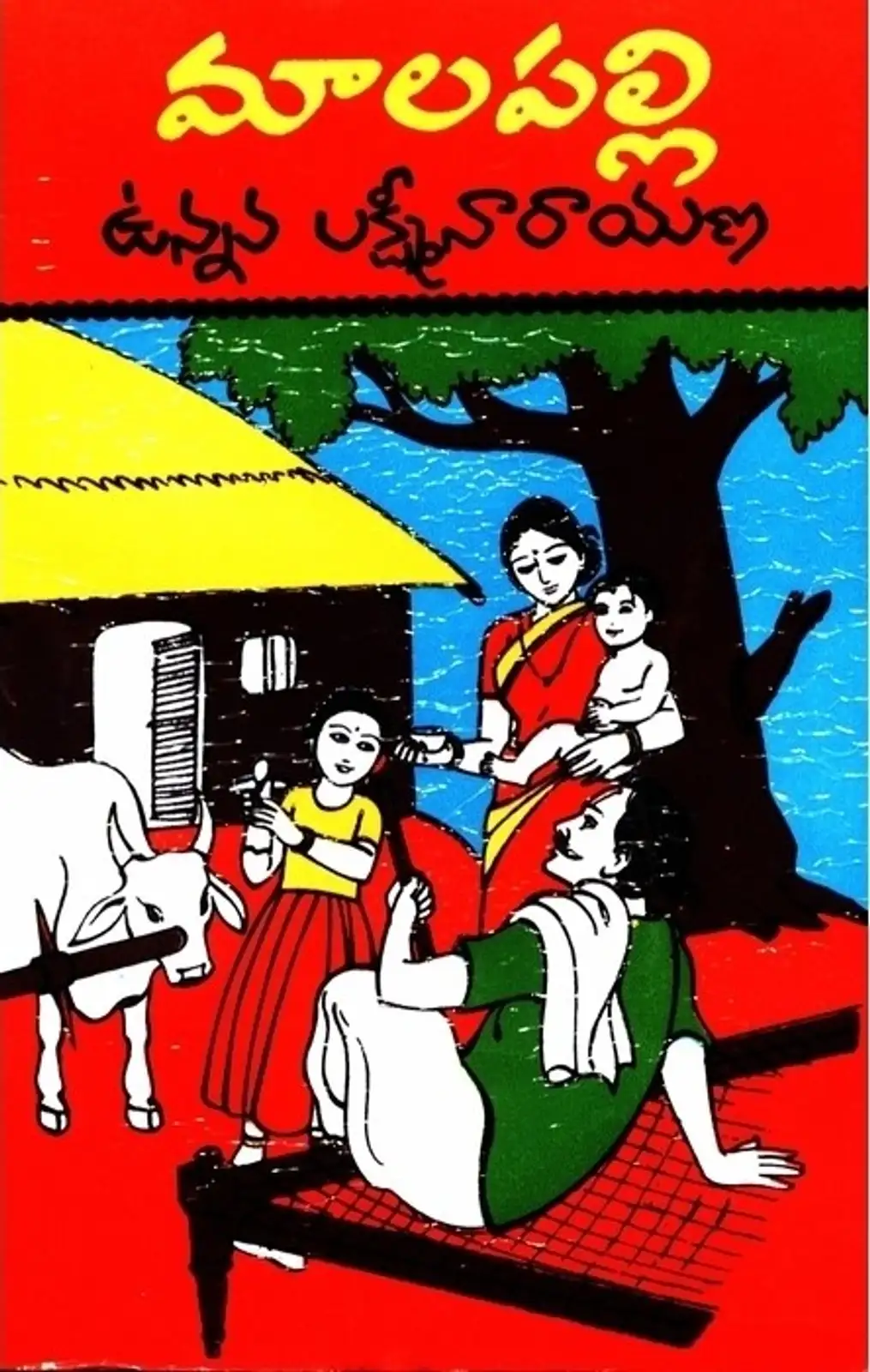
Maalapalli
Maalapalli
రచయిత
ఉన్నవ లక్ష్మీనారాయణ
Unnava Lakshminarayana
కాలం
1920వ దశకం (స్వాతంత్ర పూర్వ కాలం)
1920s (Pre-Independence)
వర్గం
సాంఘిక విప్లవాత్మక నవల
Social Realism / Epic Novel
శైలి
సరళ వాడుక భాష
Early Conversational Telugu (Vyavaharika)
ఈ పుస్తకాన్ని చదివితే, అణగారిన వర్గాల ఆత్మగౌరవాన్ని, జాతీయోద్యమ చైతన్యాన్ని, మరియు ఆధ్యాత్మికత అంటే సాటి మనిషిని ప్రేమించడమేనని మీరు గ్రహిస్తారు.

If you read this book, you will experience the quiet dignity of a marginalized soul, the stirrings of a national awakening, and the profound truth that spirituality is found not in temples, but in the struggle for human equality.

వందేళ్ళ క్రితం కోస్తా ఆంధ్ర పల్లెటూరి వీధులు... మట్టి వాసన, నిశ్శబ్దంగా వేధిస్తున్న సామాజిక వివక్షల మధ్య రామదాసు అనే ఒక నిశ్చలమైన వ్యక్తి కథ ఇది. ఒకవైపు స్వాతంత్ర్య కాంక్ష, మరోవైపు సమాజంలో మార్పు కోసం తపన. ఈ చిన్న గ్రామం ఒక గొప్ప సామాజిక సంగ్రామానికి వేదికవుతుంది. ఇది కేవలం ఒక గ్రామం కథ కాదు, కొత్త భారతం పురుడుపోసుకుంటున్న సమయాన ఒక జాతి పడ్డ వేదన.

Imagine the dusty paths of a coastal Andhra village a century ago, where the scent of rain-soaked earth mixes with the heavy silence of ancient hierarchies. Here, in the humble huts of the marginalized, lives Ramadasu—a man of immense inner peace and unwavering principles. As the world outside begins to boil with the fever of independence and social reform, this small village becomes the stage for a battle between the crushing weight of tradition and the unstoppable light of human rights.

గాంధేయవాదం దేశాన్ని ఉర్రూతలూగిస్తున్న కాలం. ఆంధ్ర దేశంలో సామాజిక సంస్కరణలు వెల్లువెత్తుతున్న తరుణంలో, వర్ణ వ్యవస్థను సవాలు చేస్తూ రాసిన అద్భుత కావ్యం ఇది.

Set during the height of the Non-Cooperation Movement and the social reform era in Andhra, the book reflects the Gandhian influence on rural India and the struggle to break the varna system while maintaining spiritual integrity.

నేటి డిజిటల్ యుగంలో ఆడంబరమైన పోరాటాల మధ్య, మాలపల్లి మనకు అసలైన మార్పు ఎలా మొదలవుతుందో గుర్తు చేస్తుంది. మన మూలాలను కోల్పోతున్న తరుణంలో, సామాన్యుడి పోరాటం ఎంత గొప్పదో ఈ పుస్తకం మనకు వివరిస్తుంది.


In an era of performative justice and digital noise, Maalapalli reminds us of the slow, painful, yet beautiful work of genuine reform. It grounds us when we feel disconnected from our roots, showing that our history isn’t just about kings, but about the resilience of the common person who dared to dream of a kinder world.


ఒక పూరి గుడిసెలో వెలిగే చిన్న దీపంలా ఈ పుస్తకం మనల్ని వెన్నాడుతుంది. ఇది కేవలం అక్షరాల కూర్పు కాదు, తెలుగుజాతి గొంతు విప్పిన తొలి కేక. పండిత భాషా సంకెళ్లను తెంచుకుని, సామాన్యుడి మాటలో రాసిన ఈ నవల మన ఇంటి గ్రంథాలయంలో ఉండటం ఒక గౌరవం. రామదాసులోని స్థితప్రజ్ఞత, ఆ పల్లెటూరి మనుషుల మధ్య ఉండే ప్రేమాభిమానాలు మనల్ని ఆలోచింపజేస్తాయి. సమాజంలోని నీడలను తరిమికొట్టి, వెలుగు వైపు నడిపించే ఒక దిక్సూచి ఈ మాలపల్లి.


There is a peculiar warmth in these pages, like a lamp burning steadily in a thatched hut during a storm. This isn’t just a story; it is the heartbeat of a people finding their voice. When you hold this book, you are holding the first major bridge between high literature and the common tongue. It asks us: what does it mean to be truly ‘pure’? Is it the lineage we claim, or the compassion we practice? Maalapalli belongs in our library because it captures the moment the Telugu soul decided to stand tall against its own shadows. It is a mirror and a compass, showing us where we stumbled and how we might walk together.

రామదాసు తన విప్లవ భావాలను ఆధ్యాత్మిక కీర్తనల ద్వారా ఎంత మృదువుగా వ్యక్తపరిచారో గమనించండి.

Notice how Ramadasu uses spiritual songs to express revolutionary ideas without losing his gentleness.

ఊరి పొలిమేరల్లో ప్రవహించే కృష్ణమ్మ ఆ ఊరి మనుషుల భావోద్వేగాలను ఎలా ప్రతిబింబిస్తుందో చూడండి.

Pay attention to the shifts in the Krishna river's presence—it reflects the changing moods of the community.

పండిత వ్యాకరణాన్ని కాదని, ప్రజల భాషలో ఈ కథను ఉన్నవ వారు ఎంత గొప్పగా మలిచారో గమనించండి.

Observe the use of 'spoken' Telugu, which broke the chains of rigid, poetic grammar to reach the heart of the common man.

సామాజిక చైతన్యం కోరుకునేవారు

The Seeker of Justice
సమాజంలో మార్పు కోసం తపించే ప్రతి ఒక్కరూ చదవాల్సిన ప్రాథమిక పుస్తకం ఇది.
For those who feel the weight of social inequality and seek a grounded, historical perspective on reform.

భాషాభిమానులు

The Language Lover
తెలుగు వాడుక భాషా వికాసాన్ని మరియు మాండలిక సొబగులను అర్థం చేసుకోవాలనుకునే వారి కోసం.
For anyone curious about how the spoken Telugu movement transformed literature from the ivory tower to the streets.

నిశ్శబ్ద పాఠకులు

The Quiet Reformer
అంతర్లీనంగా ఉండే లోతైన తాత్విక భావాలను, మానవ సంబంధాలను ఇష్టపడేవారు.
For the reader who believes that true change starts with a steady heart and clear principles rather than loud slogans.
కన్యాశుల్కం (గురజాడ అప్పారావు)
Kanyasulkam by Gurazada Apparao
చివరకు మిగిలేది (బుచ్చిబాబు)
Chivaraku Migiledi by Buchi Babu
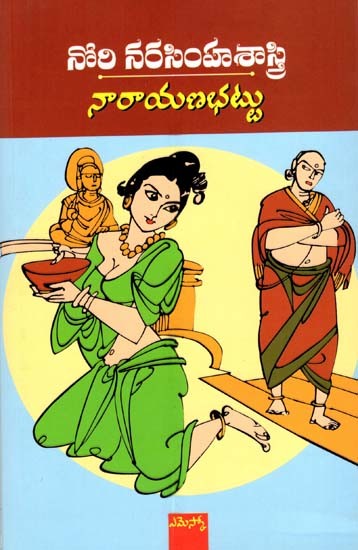
Narayana Bhattu
Narayana Bhattu
రచయిత
నోరి నరసింహశాస్త్రి
Nori Narasimha Sastri
కాలం
11వ శతాబ్దపు నేపథ్యం (20వ శతాబ్దపు రచన)
11th Century Setting (Written in the mid-20th Century)
వర్గం
చారిత్రక నవల
Historical Fiction
శైలి
గంభీరమైన, గ్రాంథిక పరిమళం గల సరళ శైలి
Classical, majestic, and deeply evocative
ఈ పుస్తకం చదివితే, తెలుగు సాహిత్య ఆకాశంలో ఆదికవి నన్నయ్య వెనుక నిలిచిన ఒక నిశబ్ద త్యాగాన్ని, ఒక మహోన్నత స్నేహాన్ని మీరు అనుభూతి చెందుతారు.


If you read this book, you will experience the quiet, selfless sacrifice that birthed the Telugu language's literary soul and the profound bond of friendship that anchored a civilization.
తూర్పు చాళుక్యుల వైభవం వెలుగుతున్న కాలమది. అఖండ గోదావరి తీరాన యజ్ఞ ధూమాల సువాసనల మధ్య, తాళపత్ర గ్రంథాల గీతల మధ్య ఇద్దరు ప్రాణ స్నేహితులు నడుస్తున్నారు. ఒకరు నన్నయ్య, మరొకరు నారాయణ భట్టు. నన్నయ్య మహాభారతాన్ని తెలుగులోకి మలుస్తుంటే, ఆయనకు ఎదురయ్యే ఆటంకాలను తన మేధస్సుతో, త్యాగంతో తొలగించిన అదృశ్య ప్రాకారం నారాయణ భట్టు. సంస్కృత భాషా ప్రభావం నుండి తెలుగు తనకంటూ ఒక ఉనికిని సంపాదించుకుంటున్న ఆ సందిగ్ధ సమయాన్ని ఈ నవల కళ్లకు కడుతుంది.

Beneath the golden canopy of the Chalukyan empire, on the banks of the eternal Godavari, two souls walk in a rhythmic dance of intellect and devotion. The air is thick with the scent of sacred ash and the ink of palm-leaf manuscripts. While the great Nannaya translates the Mahabharata, it is his friend, Narayana Bhattu, who stands as the invisible pillar, clearing the path through political storms and spiritual droughts. The world is transitioning from the heavy shadows of Sanskrit to the vibrant, dawn-like clarity of Telugu, and you are there to witness the very first scratch of the stylus on leaf.
రాజరాజ నరేంద్రుని కాలంలో, సంస్కృత ఆధిపత్యం నుండి తెలుగు భాష తనదైన ముద్రను వేసుకుంటూ 'ఆదికవి' యుగానికి నాంది పలికిన చారిత్రక నేపథ్యం ఇది.

Set during the 11th-century Eastern Chalukya reign under Rajaraja Narendra, this was the pivotal moment when Telugu transformed from a spoken dialect into a sophisticated literary language, marking the 'Adikavi' era.

నేటి స్వార్థపూరిత ప్రపంచంలో, గుర్తింపు కోరుకోని నిఖార్సైన స్నేహానికి ఈ పుస్తకం ఒక నిదర్శనం. మన మూలాలను వెతుక్కునే ప్రయాణంలో, డిజిటల్ ప్రపంచపు హోరులో మన అస్తిత్వాన్ని కోల్పోతున్న వేళ, ఈ కథ మనకు మన సంస్కృతిపై ఒక గౌరవాన్ని, స్థిరత్వాన్ని ఇస్తుంది.

In a modern world obsessed with individual credit and digital noise, this book is a sanctuary of ‘Sakhya’—a friendship so deep it seeks no recognition. It speaks to our search for identity and meaning, reminding us that every great cultural achievement is built on the silent labor of those who loved the cause more than themselves.

తాళపత్రం మీద గంటం రాస్తున్నప్పుడు వచ్చే ఆ సన్నని చప్పుడు వింటున్నారా? అది వెయ్యేళ్ల నాటి మన తెలుగు జాతి గుండె చప్పుడు. ఈ పుస్తకంలో చరిత్ర కేవలం అక్షరాల రూపంలో ఉండదు, అది ఒక నిత్యం వెలుగుతూ ఉండే దీపంలా మనల్ని వెన్నంటి ఉంటుంది. నన్నయ్య గారు ఆదికవిగా వెలుగొందడానికి కారణమైన ఆ స్నేహ దీపం పేరు నారాయణ భట్టు. ఈ కథ కేవలం గతాన్ని చెప్పదు, మన భాషకు ఒక గౌరవాన్ని ఇస్తుంది. ఒక గొప్ప కార్యం కోసం తనను తాను తగ్గించుకోవడంలో ఉండే తృప్తిని మనకు పరిచయం చేస్తుంది. గోదావరి అలల గలగలల్లో, వేద మంత్రాల ధ్వనిలో, అక్షర సాగులో నారాయణ భట్టు త్యాగం ఎంత గొప్పదో ఈ పుస్తకం చదివితేనే అర్థమవుతుంది.

Can you hear the scratch of the iron stylus against the dried palm leaf? It is a sound that echoes through a thousand years of our history. In these pages, the past isn’t a museum; it’s a living, breathing house. There is a specific kind of warmth here—the warmth of a lamp fueled by the oil of ancient wisdom. We often celebrate the poet, but we rarely look at the friend who held the lamp. Narayana Bhattu is that lamp. This book doesn’t just tell a story; it restores a lost sense of dignity to our language. It asks us to consider what we are willing to sacrifice for a dream that will only bear fruit long after we are gone. It is a meditation on the sacredness of the Telugu word and the heavy responsibility of those who carry it.

నన్నయ్య మరియు నారాయణ భట్టుల మధ్య ఉండే ఆత్మీయ మౌనం.

The unspoken understanding between Nannaya and Narayana Bhattu, where silence carries more weight than dialogue.

రాజమహేంద్రవరం మరియు గోదావరి తీరపు ప్రకృతి వర్ణనలు.

The sensory descriptions of Rajamahendravaram—the river, the temples, and the scholarly atmosphere.

తెలుగు అక్షరం పురుడుపోసుకుంటున్న వేళ కలిగే ఒక అలౌకిక స్పందన.

The subtle way the author weaves the political tensions of the Chalukya-Chola era into the literary struggle.

రాజకీయ కుట్రల మధ్య కూడా సాహిత్య లక్ష్యం దెబ్బతినకుండా సాగే కథనం.

The cadence of the language, which mirrors the dignity and grace of the characters it portrays.

సంస్కృతిని ప్రేమించే వారు

The Cultural Seeker
తెలుగు భాషా సాహిత్యాల పుట్టుకను, ఆ మూలాలను తెలుసుకోవాలని తపించే వారి కోసం.
For those who want to touch the roots of Telugu identity and understand why Nannaya is called the First Poet

నిస్వార్థ స్నేహితులు

The Quiet Supporter
మిత్రుడి విజయం కోసం వెనుక నిలబడే తత్త్వం గల ప్రతి ఒక్కరూ నారాయణ భట్టులో తమను తాము చూసుకుంటారు.
For anyone who finds fulfillment in helping others succeed and wants to see their own reflection in Narayana Bhattu's selflessness.

చరిత్ర జిజ్ఞాసువులు

The History Enthusiast
చాళుక్యుల కాలం నాటి సామాజిక, రాజకీయ పరిస్థితులపై ఆసక్తి ఉన్న పాఠకుల కోసం.
For the reader who loves the grandeur of ancient Indian courts and the intellectual rigor of medieval scholarship.
మాలపల్లి (ఉన్నవ లక్ష్మీనారాయణ)
Malapalli by Unnava Lakshminarayana
రుద్రమదేవి (నోరి నరసింహశాస్త్రి)
Rudrama Devi by Nori Narasimha Sastri
ఆంధ్రుల సాంఘిక చరిత్ర (సురవరం ప్రతాపరెడ్డి)
Andhrula Sanghika Charitra by Suravaram Pratapa Reddy
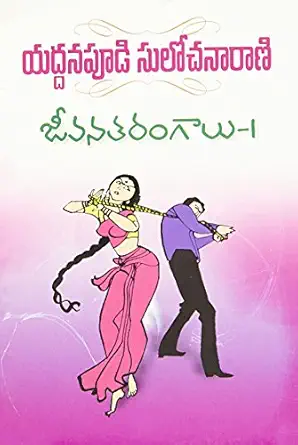
Jeevana Tarangalu
Jeevana Tarangalu
రచయిత
యద్దనపూడి సులోచనారాణి
Yaddanapudi Sulochana Rani
కాలం
1970వ దశకం
1970s
వర్గం
సాంఘిక నవల
Social Fiction / Family Saga
శైలి
సరళమైన, హృదయానికి హత్తుకునే శైలి
Elegant, fluid, and emotionally resonant prose
ఈ పుస్తకాన్ని చదివితే, మీరు మానవ సంబంధాల ఉత్సాహభరితమైన అలలను, త్యాగంలోని మాధుర్యాన్ని, మరియు జీవిత ప్రవాహంలో దాగిన నిగూఢ సత్యాలను అనుభూతి చెందుతారు.
f you read this book, you will experience the rhythmic ebb and flow of human relationships, where every crest of joy is followed by a trough of silent sacrifice, eventually merging into the vast ocean of life’s enduring grace.
వాకిలి ముందు ముగ్గులు, పెరట్లో తులసి కోట, ఇంటి నిండా మనుషులు.. ఇదీ ఆనాటి ప్రపంచం. కానీ ఆ చిక్కని బంధాల మధ్యే ఎన్నో అలజడులు, మరెన్నో మౌన పోరాటాలు. ఈ కథ మనల్ని ఒక మధ్యతరగతి ఇంటి లోగిలిలోకి తీసుకెళ్తుంది. అక్కడ బాధ్యతలు భారంగా అనిపించవు, కానీ ప్రేమే అప్పుడప్పుడు పరీక్షగా మారుతుంది. కాలం మారుతున్న వేళ, పాత విలువలకి కొత్త ఆశలకి మధ్య నలిగే మనసుల సున్నితమైన చిత్రణే ఈ పుస్తకం. సంప్రదాయాలకు, ఆధునికతకు మధ్య వంతెనలా ఈ కథ సాగుతుంది.
Imagine a time when houses had open courtyards and even more open hearts, yet secrets whispered behind heavy wooden pillars. The story unfolds in an era where duty to family was the compass, and individual desires had to navigate the choppy waters of societal expectations. Through the lives of its protagonists, the narrative walks through the sunlit corridors of affection and the shadowy corners of misunderstanding, all while the steady pulse of a changing Telugu society beats in the background like a distant temple bell.
70వ దశకంలోని తెలుగు సమాజం, ఉమ్మడి కుటుంబాలలోని అనుబంధాలు, మధ్యతరగతి వారి నైతిక విలువలు మరియు మహిళలు తమ అస్తిత్వం కోసం చేసే నిశ్శబ్ద ప్రయత్నాల నేపథ్యం ఇందులో కనిపిస్తుంది.
Set during a transitional period in Andhra Pradesh, it highlights the nuances of joint family systems, the emerging aspirations of women, and the silent code of conduct that governed middle-class morality during the late 20th century.

నేటి యాంత్రిక జీవనంలో, మనుషుల మధ్య దూరం పెరుగుతున్న తరుణంలో, ఈ నవల మనకు బంధాల విలువను గుర్తు చేస్తుంది. డిజిటల్ ప్రపంచపు హోరులో మనల్ని మనం కోల్పోతున్నప్పుడు, మన మూలాలను వెతుక్కునే ప్రయాణంలో ఈ పుస్తకం ఒక దిక్సూచిలా పనిచేస్తుంది. ఓర్పు, సహనం మరియు ప్రేమ ద్వారా జీవితంలో ఎదురయ్యే అలలను ఎలా దాటాలో ఇది నేర్పిస్తుంది.

In an age of transactional connections and digital noise, this book reminds us that relationships are not curated feeds but living, breathing waves that require patience and empathy. It speaks to our current search for grounding, teaching us that true resilience isn’t about avoiding the storm, but learning how to stay afloat when the tides of life turn unpredictable.

కిటికీలోంచి వచ్చే సాయంత్రం ఎండ వెలుగులా ఈ కథ ఎంతో హాయినిస్తుంది. ఇది కేవలం ఒక కథ మాత్రమే కాదు, మన తాతలు, తల్లులు జీవించిన జీవితపు ప్రతిబింబం. పాత కాగితాల వాసనలో, ఆనాటి తెలుగు మాటల తీపిలో ఒక తెలియని అనుబంధం ఉంటుంది. ఈ పుస్తకం మన ఇంట్లో ఉండాలి ఎందుకంటే ఇది మన సంస్కృతిలోని గొప్పదనాన్ని, కుటుంబ వ్యవస్థలోని పట్టుని తెలియజేస్తుంది. జీవితం అంటే కేవలం గెలవడం మాత్రమే కాదు, ఎదుటివారి కోసం ఆగి చూడటం కూడా అని ఈ అక్షరాలు మనతో చెబుతాయి. ఈ అలల మధ్య ప్రయాణం మనల్ని మరింత పరిణతి చెందిన వ్యక్తులుగా మారుస్తుంది.

Close your eyes and listen to the sound of a steady rain on a tiled roof. That is how this story feels—consistent, nourishing, and deeply familiar. It isn’t just about a plot; it’s about the texture of our mothers’ sarees and the quiet dignity of our fathers’ silences. It belongs in our library because it captures the essence of a generation that valued the strength of the collective over the noise of the individual. It is a bridge between traditional roots and the first sprouts of modern independence. As you turn these pages, you aren’t just reading; you are participating in the silent, sacred dance of human endurance. It is a mirror for our own reflections, asking us what we are willing to hold onto and what we must learn to let go in the name of love.

పాత్రల సంభాషణల్లోని గౌరవాన్ని, పదాల వెనుక ఉన్న భావోద్వేగాన్ని గమనించండి.

Notice the grace in the dialogues, where the weight of what is left unsaid often carries the most meaning.

ఆడవారి మనోగతాలను, వారి ఆత్మగౌరవాన్ని రచయిత్రి ఎంత సున్నితంగా ఆవిష్కరించారో చూడండి.

కథలోని మలుపులు కేవలం సంఘటనల వల్ల కాకుండా, పాత్రల స్వభావాల వల్ల ఎలా వస్తాయో గమనించండి.

Observe the subtle shifts in the characters' internal worlds as they confront their own biases and moral dilemmas.

మనసును హత్తుకునే కథలను ఇష్టపడేవారు

The seeker of emotional depth
భావోద్వేగాల లోతును, బంధాలలోని సున్నితత్వాన్ని తెలుసుకోవడానికి.
To understand the complexity of love beyond modern romantic tropes.

పాత కాలపు జ్ఞాపకాలను వెతుక్కునేవారు

The nostalgia traveler
ఆనాటి తెలుగు సంస్కృతిని, జీవన శైలిని మళ్ళీ అనుభవించడానికి.
To revisit an era of slow living and deep-rooted family ties.

బంధాల మధ్య సమతుల్యత కోరుకునేవారు

The student of human nature
కుటుంబ బాధ్యతలను, వ్యక్తిగత ఇష్టాలను ఎలా గౌరవించాలో తెలుసుకోవడానికి.
To observe how character is forged in the furnace of social responsibility.

సెక్రటరీ - యద్దనపూడి సులోచనారాణి
Secretary by Yaddanapudi Sulochana Rani
చివరకు మిగిలేది - బుచ్చిబాబు
Chivaraku Migiledi by Buchi Babu
రాధమ్మ పెళ్ళి - మాదిరెడ్డి సులోచన
Radhamma Pelli by Madireddy Sulochana
Aaru Sara Kathalu
Aaru Sara Kathalu
రచయిత
రావిశాస్త్రి (రాచకొండ విశ్వనాథ శాస్త్రి)
Raavi Sastry (Rachakonda Viswanatha Sastry)
కాలం
1960వ దశకం (స్వాతంత్ర్యానంతర వాస్తవికత)
1960s (Post-Independence Realism)
వర్గం
సామాజిక వాస్తవికత / కథా సంకలనం
Social Realism / Short Story Collection
శైలి
విశాఖపట్నం మాండలికం, లయాత్మకం, పదునైన శైలి
Visakhapatnam Dialect (Uttarandhra), Rhythmic, and Incisive
ఈ పుస్తకం చదివితే, సామాన్యుడి ఆకలి మంటలు, అణగారిన వర్గాల ఆక్రందనలు మరియు బ్రతుకు పోరాటంలోని అసలైన రుచిని మీరు అనుభవిస్తారు.
If you read this book, you will experience the raw, unvarnished pulse of the street, where the struggle for dignity is told through the scent of local arrack and the sharp rhythm of a marginalized community's survival.
ఈ కథల్లోని గాలి విశాఖపట్నం సందుల్లోని దుమ్ముతో, కోర్టు వరండాల నిశ్శబ్దంతో నిండి ఉంటుంది. న్యాయం కోసం వెతికే నిరుపేదలు, సారా కొట్టు దగ్గర బ్రతుకు చిత్రం విప్పే మనుషులు ఇక్కడ కనిపిస్తారు. చట్టం అనే చక్రబంధంలో చిక్కుకున్న సామాన్యుడికి తన గొంతుక తప్ప మరేదీ తోడుండదు. ఇది ఒక కఠినమైన, కానీ కల్మషం లేని మానవత్వపు ప్రపంచం.
The air in these stories is thick with the dust of Visakhapatnam's narrow lanes and the heavy silence of the local courts. We walk beside characters who live on the fringes—the laborers, the petty thieves, and the forgotten souls—whose lives are often treated as mere footnotes in the ledger of justice. Through the haze of a 'sara' (arrack) shop, the world looks different: more honest, more brutal, and deeply human. It is a world where the law is a labyrinth and the common man's voice is the only lantern available to navigate the darkness.
20వ శతాబ్దపు మధ్యకాలంలో కోస్తా ఆంధ్ర సామాజిక స్థితిగతులు, అప్పటి న్యాయ వ్యవస్థలోని లోపాలు మరియు పేద ప్రజల జీవనశైలిని ఇది ప్రతిబింబిస్తుంది.
Set in the mid-20th century coastal Andhra, it reflects a time when the legal system inherited from the British was often at odds with the lived realities and oral traditions of the local working class.

డిజిటల్ మెరుగుల వెనుక అసలు సిసలు మనిషి కనుమరుగవుతున్న ఈ కాలంలో, రావిశాస్త్రి కథలు మనల్ని నేల మీదకి తెస్తాయి. హోదా కంటే మానవత్వమే గొప్పదని, కష్టాల్లో ఉన్నవారి కళ్ళలో ఉండే సత్యం ఎంతో విలువైనదని ఇవి గుర్తు చేస్తాయి

In an era of polished digital filters and carefully curated identities, these stories offer a grounding shock of reality. They remind us that human value is not found in status, but in the resilience of those who endure. As we grapple with modern isolation, Sastry’s work reconnects us to the collective heartbeat of our society’s unseen corners.

రావిశాస్త్రి గారి కలానికి ఒక ప్రత్యేకమైన నడక ఉంది. అది ఉత్తరాంధ్ర యాసలోని తీపిని, ఘాటుని ఒకేసారి మనకు రుచి చూపిస్తుంది. ఆయన పాత్రలను దూరం నుండి చూడలేదు, వాటితో కలిసి జీవించారు. ఈ పుస్తకాన్ని తాకడం అంటే, సమాజం మర్చిపోయిన గొంతుకలను వినడమే. కోర్టు భాషకీ, సామాన్యుడి భాషకీ మధ్య ఉన్న అగాధాన్ని ఆయన ఎంతో నేర్పుగా చూపిస్తారు. మన ఇంట్లోని గ్రంథాలయంలో ఈ పుస్తకం ఉండటం అంటే, మన సామాజిక స్పృహను పదిలంగా ఉంచుకోవడమే. ఇది కేవలం పుస్తకం కాదు, నేల వాసనలు తెలిసిన ఒక సత్యం.

There is a specific music in the way Raavi Sastry writes—it is the sound of the Visakhapatnam coast, sharp as a sea breeze and heavy as a monsoon cloud. He does not look at his characters from a distance; he breathes their air. When you hold this book, you are holding the voices of those who were never meant to be heard. His use of the Uttarandhra dialect isn’t just a linguistic choice; it’s an act of rebellion, bringing the vernacular of the veranda into the sacred halls of literature. It deserves to stay in our home because it serves as our social conscience, reminding us that every face we pass on the street carries a story as complex as our own. It is a book that smells of the earth and tastes of truth.

పాత్రల మాటల్లోని లయ, ఆ మాటల వెనుక ఉన్న ఆవేదన.
The rhythmic repetition of words that mimics the natural cadence of a frustrated soul.

న్యాయ పరిభాష సామాన్యుడి జీవితాన్ని ఎలా ఉక్కిరిబిక్కిరి చేస్తుందో గమనించండి.

The way legal terminology is juxtaposed against the simple, desperate logic of the poor.

వ్యంగ్యం ఒక్కసారిగా కరుణగా మారే అద్భుత క్షణాలు.

The subtle shifts in tone where biting satire suddenly gives way to profound empathy.

యాసలోని సహజత్వం కథకు తెచ్చే నిండుదనం.

The use of 'silence' between dialogues to convey the weight of social oppression.

సత్యన్వేషి

The Truth Seeker
జీవితాన్ని ఉన్నదున్నట్లుగా, ఎటువంటి అలంకారాలు లేకుండా చూడాలనుకునే వారి కోసం.
For those tired of romanticized narratives who crave the salt and grit of real human experience.

భాషాభిమాని

The Language Lover
తెలుగు మాండలికంలోని శక్తిని, పదునుని ఆస్వాదించాలనుకునే పాఠకుల కోసం.
Anyone wishing to experience the power of the Telugu dialect as a sharp tool for social commentary.

సమాజ ప్రేమికుడు

The Compassionate Observer
అణగారిన వర్గాల అంతరంగాన్ని, వారి కష్టసుఖాలను అర్థం చేసుకోవాలనుకునే వారి కోసం.
Readers looking to understand the systemic layers that shape the lives of the underprivileged.
అల్పజీవి (రావిశాస్త్రి)
Alpajeevi by Raavi Sastry
కన్యాశుల్కం (గురజాడ అప్పారావు)
Kanyasulkam by Gurajada Apparao
మాలపల్లి (ఉన్నవ లక్ష్మీనారాయణ)
Maalapalli by Unnava Lakshminarayana
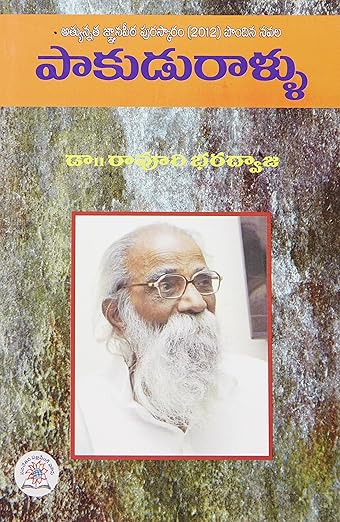
Pakudurallu
Pakudurallu
రచయిత
రావూరి భరద్వాజ
Ravuri Bharadhwaja
కాలం
20వ శతాబ్దం మధ్యకాలం (1960లు)
Mid-20th Century (1960s)
వర్గం
సామాజిక వాస్తవిక నవల
Social Realistic Novel
శైలి
ఆర్ద్రతతో కూడిన, వర్ణనాత్మకమైన మరియు లోతైన పరిశీలన
Poignant, descriptive, and deeply observant
ఈ పుస్తకం చదివితే, కీర్తి అనే పాకుడురాళ్లపై ప్రయాణిస్తూ, పైకి కనిపిస్తున్న వెలుగుల వెనుక ఉన్న ఒక స్త్రీ ఒంటరితనాన్ని, ఆమె ఆత్మ కోల్పోయిన శాంతిని మీరు అనుభూతి చెందుతారు.

If you read this book, you will experience the dizzying ascent and the heartbreaking loneliness of a woman climbing the slippery stones of fame, where every step forward demands a piece of the soul.

ఈ నవల తెలుగు సినీ పరిశ్రమకు మద్రాసు కేంద్రంగా ఉన్న రోజుల్లోకి మనల్ని తీసుకెళ్తుంది. ఒక సామాన్యమైన అమ్మాయి 'మంజరి'గా మారి వెండితెరను ఏలిన క్రమాన్ని చూపిస్తూనే, ఆ రంగుల ప్రపంచం వెనుక ఉన్న చీకటి కోణాలను ఆవిష్కరిస్తుంది. పేరు, ప్రతిష్ఠల కోసం పడే ఆరాటం, అందుకోసం చెల్లించాల్సిన వెల ఎంతటిదో ఈ కథ కళ్ళకు కట్టినట్లు చూపుతుంది. ఇక్కడ అడుగులు వేయడం అంటే నాచు పట్టిన రాళ్లపై (పాకుడురాళ్లు) నడవడమే. ఒక్క అడుగు తప్పినా పాతాళానికి పడిపోయే ప్రమాదం ఉన్నా, పైకి మాత్రం అంతా మెరుపులే కనిపిస్తాయి.

The story opens a window into the golden age of cinema, but not through the lens of a fan. We follow the transformation of a simple girl into Manjari, a celebrated screen goddess. Behind the velvet curtains and the blinding spotlights of the Madras film industry, we see the calculated sacrifices, the predatory shadows, and the quiet death of innocence. It is a world where the floor is paved with mossy, slippery stones—'Pakudurallu'—where keeping one's balance is a constant, exhausting battle against the pull of ambition and compromise.

దక్షిణ భారత చలనచిత్ర పరిశ్రమ మద్రాసులో వేళ్లూనుకుంటున్న కాలం నాటి సామాజిక, ఆర్థిక పరిస్థితులను, పల్లెటూరి మనుషులు పట్నం మోజులో పడి తమ అస్తిత్వాన్ని ఎలా కోల్పోయారో ఈ నవల ప్రతిబింబిస్తుంది.

Set against the backdrop of the burgeoning South Indian film industry in Madras, the novel captures a transitional era where traditional values collided with the modern, high-stakes world of mass entertainment and urban migration.

నేటి సోషల్ మీడియా యుగంలో, ప్రతి ఒక్కరూ ఇతరుల గుర్తింపు కోసం, లైకుల కోసం తపించే ఈ సమయంలో, ఈ నవల ఒక హెచ్చరికలా కనిపిస్తుంది. బాహ్య ప్రపంచానికి మనం చూపించే ముసుగుల వెనుక మన అసలు వ్యక్తిత్వం ఎలా నలిగిపోతుందో ఇది గుర్తు చేస్తుంది. మనిషి ఆశకు, అంతరాత్మకు మధ్య జరిగే సంఘర్షణను అర్థం చేసుకోవడానికి ఇది ఒక గొప్ప పాఠం.

In today’s world of curated social media personas and the relentless pursuit of ‘viral’ fame, this book serves as a haunting mirror. It asks us what we are willing to trade for the world’s gaze. As we navigate a digital landscape that often feels as slippery as the one Manjari walked, Ravuri Bharadhwaja’s wisdom reminds us that the most enduring identity is the one we keep for ourselves, away from the cameras.

పాత ఫిలిం రీళ్ల వాసన, మద్రాసు వీధుల్లోని కాఫీ పరిమళం మీ చుట్టూ ఉన్నట్లు ఊహించుకోండి. ఈ పుస్తకం ఒక నటి కథ మాత్రమే కాదు, మనిషి అంతరంగంలోని సంక్లిష్టతలను తవ్వి తీసే ఒక ప్రయత్నం. ప్రతి పేజీ తిప్పుతుంటే, వెలుగు జిలుగుల వెనుక దాగిన నిశ్శబ్ద రోదన మీకు వినిపిస్తుంది. అధికారం, కీర్తి ఉన్నా మనశ్శాంతి లేని జీవితం ఎంత భారంగా ఉంటుందో రావూరి భరద్వాజ గారు చాలా సున్నితంగా వివరించారు.

Imagine the scent of old film reels and the faint, bitter aroma of street-side coffee in old Madras. This book is not just a story; it is an excavation of the human heart under pressure. As you turn these pages, you aren’t just reading about a cinema star; you are witnessing the universal struggle to remain human when the world wants you to be an icon. It is a slow, meditative walk through the corridors of power and the alleyways of despair.

నైతిక విలువల పతనాన్ని 'పాకుడురాళ్లు' అనే పదంతో రచయిత ఎలా పోల్చారో గమనించండి.

Notice how the author uses the metaphor of 'slippery stones' to describe moral choices.

మంజరి ఎదుగుతున్న కొద్దీ ఆమె ఆలోచనా ధోరణిలో వచ్చే మార్పులను గమనించండి.

Observe the subtle shifts in Manjari's inner monologue as she gains power but loses peace.

చుట్టూ ఉన్న పాత్రలు సమాజంలోని వివిధ రకాల మనుషులకు ప్రతిబింబాలుగా ఎలా ఉంటాయో చూడండి.

Pay attention to the peripheral characters who represent the various masks of society.

ఆత్మాన్వేషకులు

The Modern Seeker
ప్రజాదరణ వెనుక ఉన్న శూన్యాన్ని అర్థం చేసుకోవడానికి.
To understand the weight of public identity in an age of constant visibility.

చరిత్ర ప్రేమికులు

The History Lover
60వ దశకం నాటి తెలుగు సినీ వాతావరణాన్ని అనుభూతి చెందడానికి.
To experience the atmospheric reality of the 1950s-60s Telugu cultural landscape.

సాహిత్య ప్రియులు

The Empath
రావూరి భరద్వాజ గారి లోతైన విశ్లేషణాత్మక శైలిని ఆస్వాదించడానికి.
To connect with the silent struggles of a woman navigating a male-dominated hierarchy.

బుచ్చిబాబు గారి 'చివరకు మిగిలేది'
Chivaraku Migiledi by Buchi Babu
చలం గారి 'మైదానం'
Maidanam by Chalam
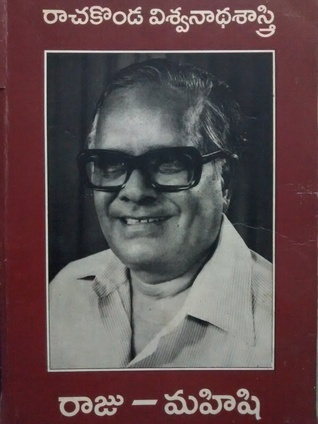
Raju Mahishi
Raju Mahishi
రచయిత
రాచకొండ విశ్వనాథశాస్త్రి (రావిశాస్త్రి)
Rachakonda Viswanatha Sastry (Ra. Vi. Sastry)
కాలం
1960-70ల కాలం
1960s-1970s
వర్గం
సామాజిక నవల / రూపక కథనం
Social Realist Fiction / Allegory
శైలి
విలక్షణమైన విశాఖ మాండలికం
Stylized Visakhapatnam Dialect
ఈ పుస్తకం చదివితే, అధికార యంత్రాంగం ముందు సామాన్యుడి నిస్సహాయతను, ఆ నిస్సహాయతలోంచి పుట్టే ఒక అపురూపమైన ఆత్మగౌరవాన్ని మీరు అనుభవిస్తారు.
If you read this book, you will experience the raw, rhythmic pulse of the streets and the quiet, defiant dignity of a soul caught in the grinding wheels of power.
కోర్టు హాల్లో వినిపించని ఆర్తనాదాలు, వీధి చివర చిమ్మే చీకట్లు, మనుషుల మధ్య నలిగిపోయే మనస్సాక్షి... ఇదీ ఈ పుస్తకం పరిచయం చేసే ప్రపంచం. ఒక గేదె సాక్షిగా సాగే ఈ జీవన సమరంలో, రావిశాస్త్రి గారు అక్షరాలను ముత్యాల్లా పేర్చలేదు, పదునైన కత్తుల్లా విసిరారు. ఇక్కడ భాష కేవలం భావ వ్యక్తీకరణ కాదు; అది ఒక ఆయుధం, ఒక అనుభూతి. ప్రతి పేజీలోనూ ఒక సామాన్యుడి గుండె చప్పుడు, వ్యవస్థలోని డొల్లతనం కళ్ళకు కట్టినట్టు కనిపిస్తాయి.

Imagine the dusty corridors of a colonial-style courthouse and the crowded, narrow lanes of a coastal city where the law speaks a language the heart cannot understand. Here, a humble buffalo becomes a symbol of a man’s survival, and the 'King' is not a crown-wearer but the invisible force of authority that moves the strings of fate. The prose does not merely describe the world; it dances with a nervous, electric energy that mimics the very breath of its characters, pulling you into a landscape of vibrant shadows and stark truths.
స్వాతంత్రం అనంతరం భారతదేశంలో ఉత్తరాంధ్ర సామాజిక పరిస్థితులు, సామాన్యుడికి మరియు న్యాయ వ్యవస్థకు మధ్య ఉన్న దూరాన్ని ఈ కథ ప్రతిబింబిస్తుంది.

The setting reflects the post-independence era in North Coastal Andhra, where traditional agrarian lives collided with a complex, often corrupt, modern legal bureaucracy.

నేటి యాంత్రిక జీవితంలో, మనం మనుషుల వెనుక ఉన్న మనుషులను చూడటం మర్చిపోతున్నాం. డిజిటల్ ప్రపంచంలో వాస్తవాలు కనుమరుగవుతున్న వేళ, ఈ కథ మనల్ని నేల మీదకు తెస్తుంది. సామాన్యుడి పక్షాన నిలబడాల్సిన బాధ్యతను మనకు గుర్తు చేస్తుంది.

In an age of digital noise and polished facades, we need the jagged, honest truth of the soil. This book reminds us that the struggle for justice is timeless, and that the beauty of our language lies in its most unvarnished, local accents. It grounds us when we feel adrift in globalized anonymity.

రావిశాస్త్రి గారి రచన అంటే విశాఖ తీరం మీద నడుస్తున్నట్టు ఉంటుంది. ఆయన వాక్యాలు మనల్ని ఉక్కిరిబిక్కిరి చేస్తాయి, మళ్ళీ మనకే తెలియని ఒక ఊరటనిస్తాయి. సమాజంలో అట్టడుగున పడి ఉన్న బతుకుల గురించి ఇంత సున్నితంగా, ఇంత నిర్మొహమాటంగా చెప్పడం ఆయనకే చెల్లింది. ఈ పుస్తకం మన ఇంట్లోని పాత అల్మారాలో ఉండాల్సిన ఒక విలువైన పత్రం లాంటిది. అది మన అస్తిత్వాన్ని, మన చుట్టూ ఉన్న వాస్తవాల్ని నిగ్గుతేల్చి చెబుతుంది. మనిషికి మనిషి తోడవ్వడమే గొప్ప సంస్కారం అని ఈ కావ్యం మన అంతరాత్మకు బోధిస్తుంది. ఆ శైలిలో ఉన్న వేగం, ఆ భావంలోని గాఢత చదువుతుంటే మనల్ని మనం కొత్తగా ఆవిష్కరించుకున్నట్టు ఉంటుంది.

Ra. Vi. Sastry’s words are like the Visakhapatnam waves—sometimes gentle, sometimes crashing with a fierce saltiness that stings the eyes. He captures the architecture of human suffering not with pity, but with a sharp-eyed clarity that demands respect. To read this is to realize that every ‘small’ person has a story as vast as an empire. It is a reminder that literature doesn’t just reside in palaces or ivory towers; it lives in the tea stalls and the rainy alleys where the real ‘Raju’ and ‘Mahishi’ walk. This book deserves a place in our home because it preserves the voice of the voiceless, teaching us to listen to the silence between the words. It is a mirror held up to our conscience, reflecting the enduring spirit of the Telugu commoner.

వాక్య నిర్మాణంలో ఉన్న ఒక విలక్షణమైన వేగం మరియు రిథమ్.
The staccato rhythm of the sentences that creates a sense of urgency and life.
విశాఖ మాండలికంలోని సహజమైన తీపి మరియు కారం.
How the Visakhapatnam dialect is used not just for flavor, but as a vehicle for profound philosophical depth.

చట్టం మరియు న్యాయం మధ్య ఉన్న సన్నని గీతను రచయిత విశ్లేషించిన తీరు.

The recurring motifs of the buffalo and the law, representing nature vs. artificial systems.

పాత్రల మౌనంలో దాగి ఉన్న అర్థాలు.

The way shadows and light are described, almost like a noir film in text.

భాషా ప్రేమికులు

The Language Enthusiast
తెలుగు వచనం ఎంత శక్తివంతంగా ఉంటుందో తెలుసుకోవడానికి.
To witness the heights of experimental Telugu prose and the power of dialect.

సామాజిక స్పృహ ఉన్నవారు

The Social Reformer
వ్యవస్థలో సామాన్యుడి పోరాటాన్ని లోతుగా అర్థం చేసుకోవడానికి.
To understand the systemic hurdles faced by the marginalized with deep empathy.

సాహిత్య విద్యార్థులు

The Modern Urbanite
రావిశాస్త్రి గారి విలక్షణ శైలిని అధ్యయనం చేయడానికి.
To reconnect with the raw, unpolished roots of Telugu social reality.
అల్పజీవి (రావిశాస్త్రి)
Alpajeevi by Rachakonda Viswanatha Sastry
కన్యాశుల్కం (గురజాడ అప్పారావు)
Kanyasulkam by Gurazada Apparao
మహాప్రస్థానం (శ్రీశ్రీ)
Mahaprasthanam by Sri Sri
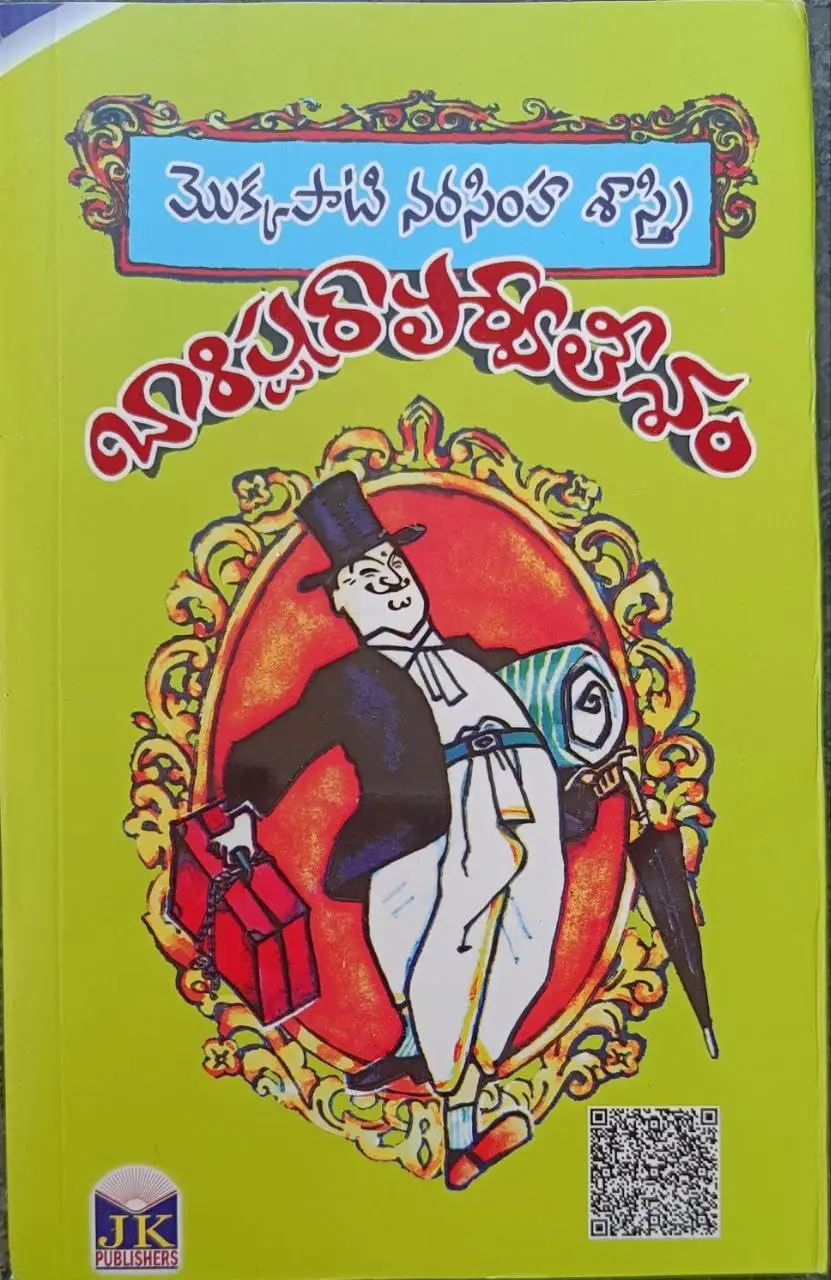
Barrister Parvatheesam
రచయిత
మొక్కపాటి నరసింహశాస్త్రి
Mokkapati Narasimha Sastry
కాలం
1924 (20వ శతాబ్దం ప్రారంభం)
1924 (Early 20th Century)
వర్గం
హాస్య నవల / జీవన ప్రయాణం
Humorous Fiction / Coming-of-Age
శైలి
సరళమైన, మనోహరమైన గోదావరి మాండలికం
Gentle, conversational Godavari-dialect Telugu
ప్రచురణ
1924
ఈ పుస్తకం చదివితే, గోదావరి గట్టు అమాయకత్వాన్ని గుండెల్లో నింపుకుని లండన్ వెళ్ళిన ఒక యువకుడి ఆత్మీయ ప్రయాణాన్ని, ఆ అమాయకత్వమే అతనికి శ్రీరామరక్షగా మారడాన్ని మీరు అనుభవిస్తారు.
If you read this book, you will experience the tender evolution of a soul that carries the fragrance of Godavari soil into the heart of London, proving that innocence is a person's greatest strength.
సముద్రం దాటడం నిషిద్ధం అని భావించే రోజుల్లో, లండన్ అంటే దొరల దేశమని భయపడే కాలంలో, మొగల్తూరు నుండి ఒక యువకుడు నిశ్శబ్దంగా బయలుదేరుతాడు. చేతిలో కొన్ని రూపాయలు, గుండె నిండా బెరుకు, అంతకు మించిన కుతూహలంతో పార్వతీశం వేసే అడుగులే ఈ నవల. కోటు వేసుకోవడం తెలియక పడే పాట్లు, రైలు ప్రయాణంలో ఎదురయ్యే వింతలు, పరాయి దేశంలో ఒంటరితనం... ఇవన్నీ ఒక పాత ఫోటో ఆల్బమ్‌లా మన కళ్ళ ముందు కదులుతాయి.

In an era where the ocean was a forbidden frontier and 'England' was a mythical land of lords, a young man named Parvatheesam slips away from his village, Mogalturu. Armed with nothing but a few rupees, a lot of nerves, and a heart full of curiosity, he embarks on a journey to become a Barrister. From the comical struggles of wearing a suit for the first time to the quiet loneliness of a foreign land, the story unfolds like a series of warm, sun-drenched memories captured in a vintage photo album.

బ్రిటిష్ పాలనలో ఉన్న భారతదేశంలో, సముద్ర ప్రయాణం (కాలాపానీ) చేయడం ఒక పెద్ద సాహసంగా, సామాజికంగా ఒక వింతగా భావించే రోజుల్లో సాగే కథ ఇది.

The story is set during the British Raj when traveling abroad (crossing the 'Kalapani') was a significant social taboo and a massive logistical challenge for rural Indians, making Parvatheesam's voyage both heroic and hilarious.

నేటి కృత్రిమమైన, డిజిటల్ ప్రపంచంలో పార్వతీశం మనకు ఒక స్వచ్ఛమైన గాలిలా అనిపిస్తాడు. పొరపాట్లు చేయడం తప్పు కాదని, మన మూలాలను మర్చిపోకుండా ఉండడమే అసలైన గెలుపు అని ఈ పుస్తకం నేర్పుతుంది. ప్రపంచ పౌరులుగా ఎదిగే క్రమంలో మన అస్తిత్వాన్ని ఎలా కాపాడుకోవాలో చెప్పే ఆత్మీయ పాఠం ఇది.

In today’s world of curated perfection and digital masks, Parvatheesam is a breath of fresh air. He teaches us that it is okay to be lost, okay to look foolish, and vital to remain rooted. As we navigate global identities and the pressure to belong everywhere, this book reminds us that the journey of finding oneself is often paved with laughter and the quiet resilience of our heritage.

నిశ్శబ్దంగా వింటే, ఇందులో గోదావరి అలల సవ్వడి, ఆనాటి రైలు ఇంజిన్ కూత వినిపిస్తాయి. ఇది కేవలం ఒక కథ కాదు, మనందరిలోని అమాయకత్వానికి ఒక అద్దం. పార్వతీశం చేసిన సముద్ర ప్రయాణం కేవలం బారిష్టర్ పట్టా కోసం కాదు, అది ఒక తరం తన సంప్రదాయానికి, ఆధునికతకు మధ్య వేసిన వంతెన. మన తెలుగింటి లైబ్రరీలో ఈ పుస్తకం ఉండడానికి కారణం, మన ‘తెలుగుతనం’ లోని గొప్పదనాన్ని ఇది చాటి చెబుతుంది. మనం ఎన్ని దేశాలు తిరిగినా, ఎన్ని రకాల టోపీలు మార్చినా, మన మట్టి వాసన మనల్ని వదలదని ఇది గుర్తు చేస్తుంది.

Listen closely, and you can almost hear the soft splash of the Godavari river and the rhythmic chugging of a steam engine. This book isn’t just a story; it’s a mirror held up to our own vulnerabilities. Parvatheesam’s journey across the ‘seven seas’ wasn’t just about a law degree; it was the story of an entire generation trying to bridge the gap between tradition and modernity. It lives in our library because it celebrates the ‘telugutanam’—that unique blend of simplicity and stubbornness—that defines us. It whispers that no matter how far we travel or how many hats we wear, the salt of our earth never leaves our skin.

మొగల్తూరు రైల్వే స్టేషన్ నుండి లండన్ చేరుకునే వరకు పార్వతీశం ఆత్మవిశ్వాసంలో వచ్చే మార్పు.

The subtle shift in Parvatheesam's confidence from his departure at the railway station to his arrival in London.

రచయిత ఎక్కడా పార్వతీశాన్ని తక్కువ చేసి చూపకుండా, హాస్యం ద్వారా అతడిని ఒక ఆత్మీయుడిగా తీర్చిదిద్దిన తీరు.

The way the author uses humor not to mock, but to humanize the protagonist's cultural shock.

భోజనం గురించి వచ్చే వర్ణనలు - ఇంటి మీద ధ్యాస కడుపులో ఆకలితో ఎలా మొదలవుతుందో తెలుస్తుంది.

The descriptions of food—how the longing for home often starts in the stomach.

ఎన్ని అపహాస్యాలు ఎదురైనా, తన ఆత్మగౌరవాన్ని కాపాడుకునే అతని గుణం.

The underlying theme of self-respect that stays intact despite his many blunders.

కొత్త ప్రదేశాలకు వెళ్ళే భయం ఉన్నవారు

The Anxious Traveler
పార్వతీశం పడే పాట్లు చూస్తే మీ భయం పోయి, ముఖంపై చిరునవ్వు వస్తుంది.
If you've ever felt like an outsider in a new place, Parvatheesam’s blunders will make you feel seen and comforted.

చరిత్రను ప్రేమించేవారు

The History Lover
1920ల నాటి తెలుగు మధ్యతరగతి సమాజం, వారి ఆలోచనా విధానం అర్థం చేసుకోవడానికి.
To understand the social psyche of the 1920s Telugu middle class and their aspirations.

హాయిగా నవ్వుకోవాలనుకునే వారు

The Joy Seeker
నిష్కల్మషమైన హాస్యం కోసం, ఆత్మీయమైన పఠనం కోసం.
For anyone who needs a reminder that the world is a kind place if you approach it with an open heart.

కన్యాశుల్కం - గురజాడ అప్పారావు
Kanyasulkam by Gurazada Apparao
పండిత పరమేశ్వర శాస్త్రి వీలునామా - మొక్కపాటి నరసింహశాస్త్రి
Panditha Parameswara Sastry Veelunama by Mokkapati Narasimha Sastry

Ameena

కావలసిన పదార్ధాలు
తయారి విధానం
[real3dflipbook id='1']